How to Adjust Your Skincare Routine During Hormonal Changes Fast
Hormones can pull the strings on your skin like a chaotic puppet master. One week you glow, the next you’re dealing with breakouts, flakes, or both—cute. The good news? You can tweak your routine so your skin doesn’t spiral when your hormones do. Let’s build a plan that flexes with your cycle, stress, pregnancy, perimenopause, or any other hormone plot twist.
Know Your “Why”: What Hormones Do to Skin
Your skin isn’t being dramatic—hormones actually change oil production, water retention, and how fast cells turn over. When androgens rise, sebum cranks up and pores clog. When estrogen dips, barrier strength and hydration drop, so you get sensitivity and dryness. Cortisol? It’s the stress hormone that inflames everything, including your last nerve.
Overeating doesn’t mean something is wrong with you. It means your system needs a reset.
If cravings keep pulling you off track, this helps you regain control without restriction. You’ll learn simple, realistic steps to stop overeating and feel satisfied again.
Common patterns you might notice
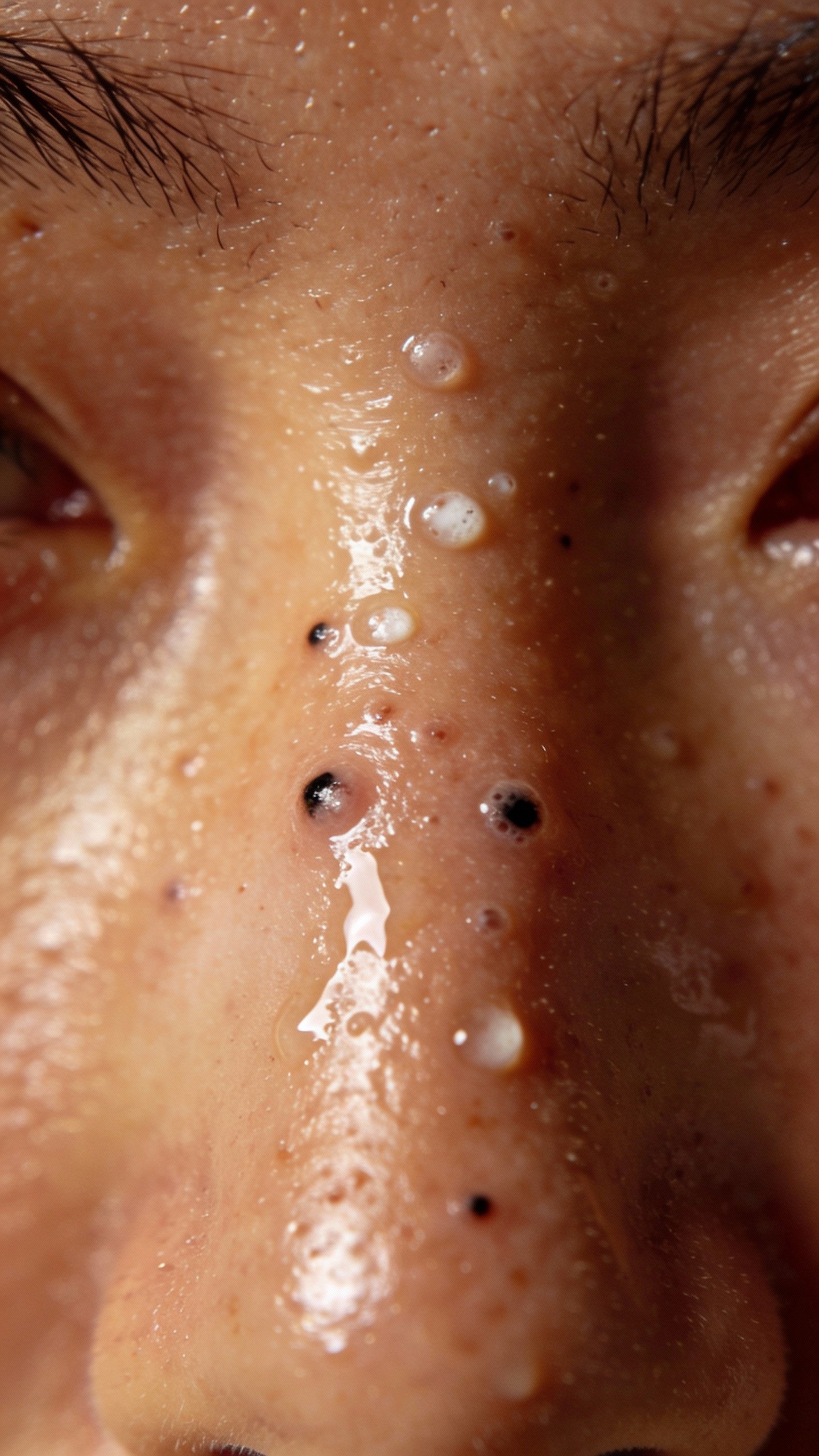
- Late luteal phase (right before your period): clogged pores, breakouts, oil slick T-zone
- Pregnancy: melasma (dark patches), sensitivity, unexpected congestion
- Perimenopause/menopause: dryness, dullness, more noticeable fine lines, slower healing
- High stress: flare-ups, redness, and surprise pimples
Build a Flexible Core Routine
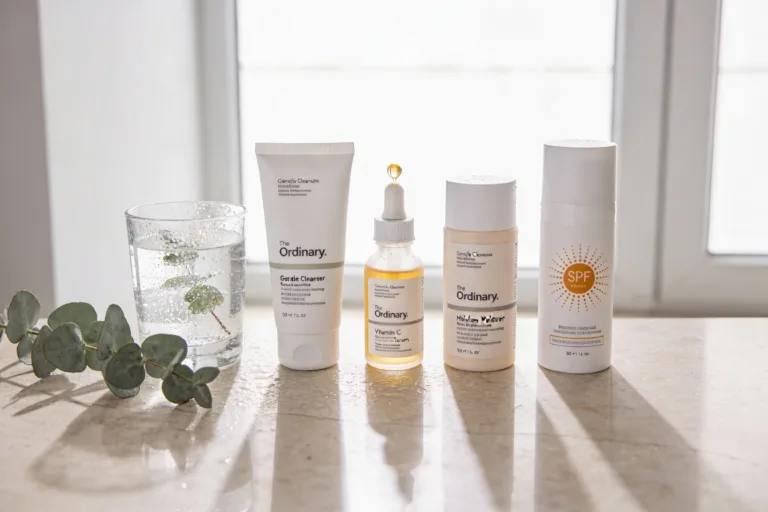
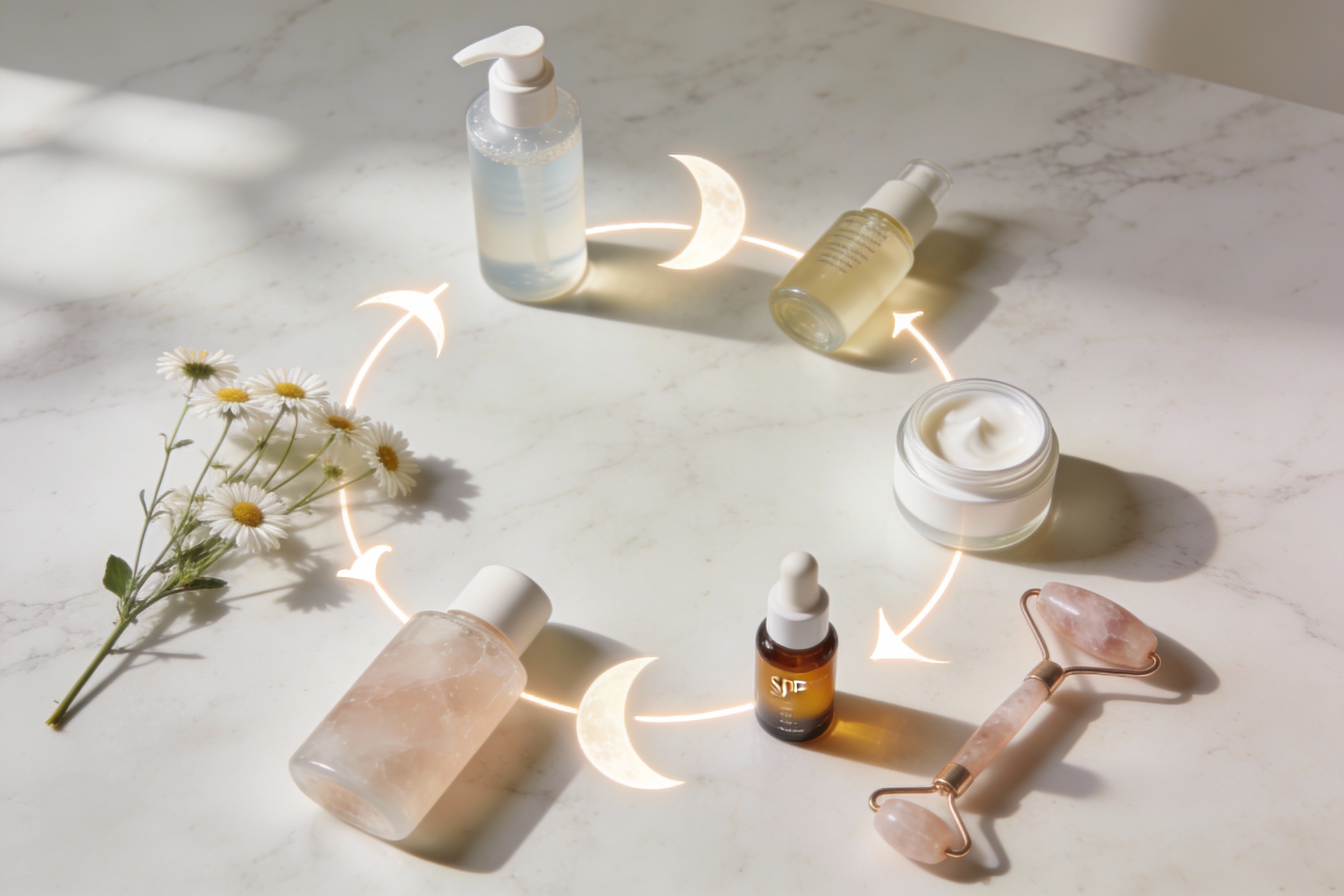
You don’t need 12 steps. You need a smart core you can adjust. Think of it like a capsule wardrobe for your face.
- Gentle cleanser: low-foam, pH-balanced. AM/PM.
- Hydrating layer: toner/essence/serum with glycerin, hyaluronic acid, or panthenol.
- Treatment step: rotate based on what your skin needs (acids, retinoids, or soothing actives).
- Barrier support: moisturizer that matches your current oil/water balance.
- Daily sunscreen: SPF 30+, broad-spectrum. Non-negotiable.
How to rotate treatments without chaos
- Pick one star active per night (e.g., retinoid or exfoliant, not both).
- Schedule “buffer nights” with only hydration and moisturizer.
- Introduce any new product twice a week, then build up.
When Oil Spikes: Breakout-Proof Your Routine
Oily, congested week incoming? We adjust—not panic.
- Cleanser: keep it gentle, but consider a salicylic acid cleanser 3-4x/week to get into pores.
- Targeted treatments:
- Salicylic acid (BHA) 0.5–2% for clogged pores.
- Niacinamide 4–10% to balance oil and calm redness.
- Azelaic acid 10–15% for bumps and pigment.
- Spot treat wisely: sulfur or benzoyl peroxide 2.5% on active spots.
- Moisturizer: gel-cream textures with lightweight occlusives (squalane, dimethicone).
What to avoid during oily phases
- Heavy, fragranced creams that smother pores
- Over-exfoliating “because shiny” (spoiler: that backfires)
- Skipping moisturizer (skin just makes more oil)
When Estrogen Drops: Rebuild and Rehydrate
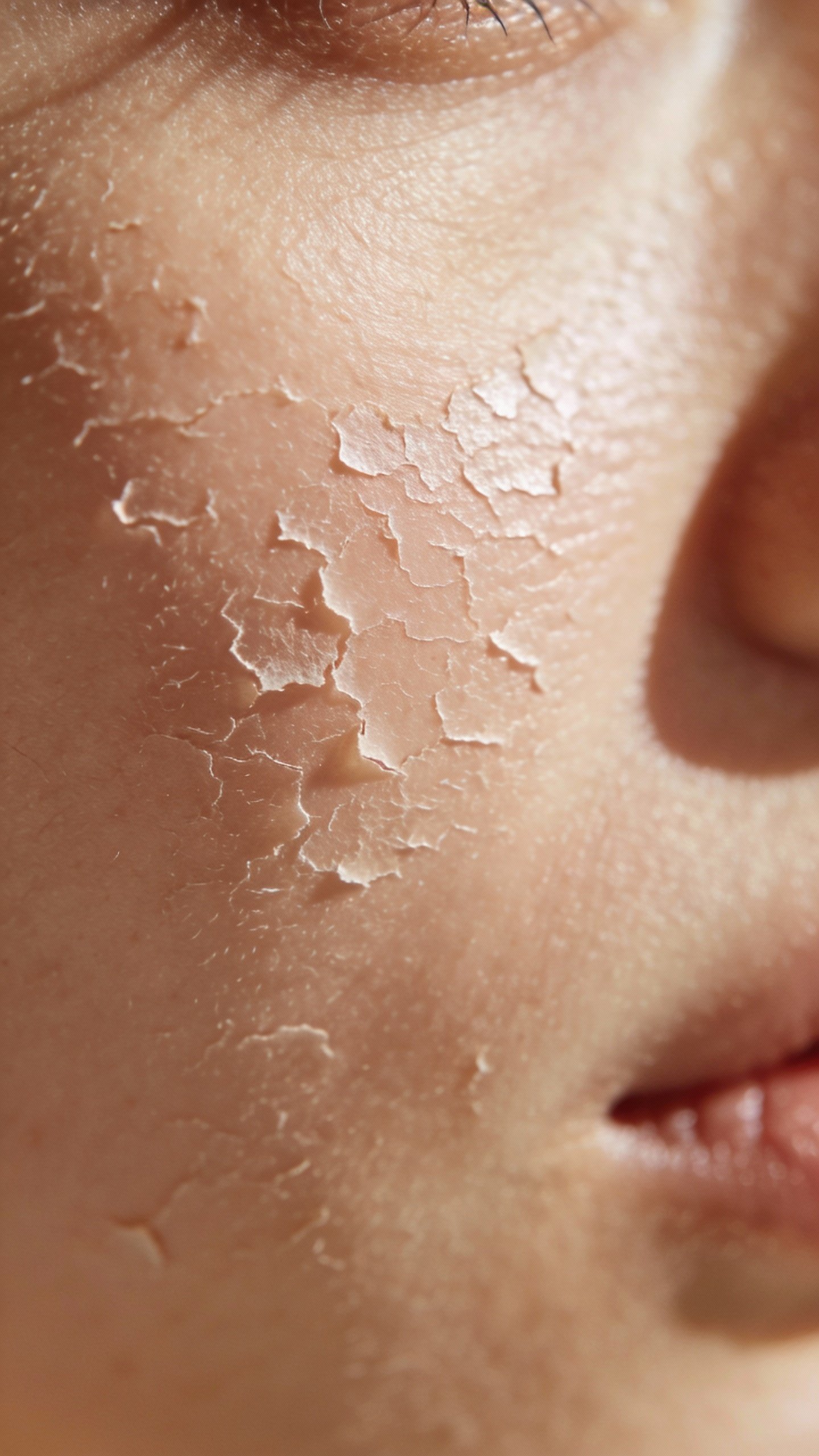
If your skin feels tight, reactive, and flaky, think “comfort food,” not “boot camp.”
- Cleanser: creamy or milky formulas, avoid sulfates.
- Hydration sandwich: mist or essence → serum → moisturizer → a few drops of oil if needed.
- Barrier-first ingredients:
- Ceramides and cholesterol to patch the barrier
- Panthenol and beta-glucan to soothe
- Urea (2–5%) for gentle hydration and smoothness
- Retinoid strategy: reduce frequency or buffer with moisturizer.
- Exfoliation: switch to PHAs or lactic acid 1–2x/week max.
Pro tip for menopausal skin
Look for peptides, squalane, and hyaluronic acid. They help with firmness and hydration while staying gentle. And FYI, prescription options like topical estrogen are a conversation for your derm or doctor—don’t DIY hormones, please.
Cycle-Savvy Routine: A Simple Weekly Map
IMO, syncing your skincare to your cycle makes life easier. Here’s a simple template you can customize.
- Follicular (post-period, energy rising): introduce actives, start retinoid nights, exfoliate 1–2x.
- Ovulation (glowy phase): maintain; go light and consistent, keep SPF high for pigment control.
- Luteal (PMS week): pivot to BHA, niacinamide, and targeted spot treatments. Keep moisturizer steady.
- Menstruation: barrier care—gentle cleanse, hydrate hard, reduce actives if sensitive.
Pregnancy and postpartum notes
- Safe bets: azelaic acid, niacinamide, vitamin C, hyaluronic acid, squalane.
- Usually avoided: retinoids and high-dose salicylic acid; confirm with your clinician.
- Melasma management: daily SPF 50, hats, vitamin C, azelaic acid, gentle patience.

Stress, Sleep, and the Not-So-Secret Skin Triggers
You can buy serums, but you can’t buy eight hours of sleep. Cortisol spikes fuel inflammation and slow healing. Keep your nervous system quiet-ish and your skin will thank you.
- Bedtime basics: aim for a consistent sleep window; skin repairs overnight.
- Diet quick wins: focus on protein, colorful plants, omega-3s; hydrate like it’s your job.
- Movement: boosts circulation and mood, which indirectly calms skin.
- Minimalist nights: when stressed, pare down to cleanse + moisturize + SPF next morning.
Smart Exfoliation: Friend, Not Frenemy
Exfoliation helps during hormonal swings, but only if you don’t treat your face like a countertop.
- Oily/congested: BHA 2–4x/week, short contact is fine.
- Dry/sensitive: PHA or lactic acid 1–2x/week, low strength.
- Texture/dullness: consider enzyme masks weekly.
- Always: skip acids the night before and after retinoid nights.
Signs you’ve overdone it
Stinging, shiny tightness, sudden rough patches, more breakouts. If that’s you, stop actives, use a barrier-repair routine for a week, and reintroduce slowly.
SPF: Your Non-Negotiable Constant
Yes, even when it’s cloudy. Yes, even indoors next to windows. Hormonal changes often bring hyperpigmentation, and UV makes it worse, fast.
- Choose: SPF 30+ broad-spectrum, ideally 50 if you’re managing melasma or acne marks.
- Reapply: every 2–3 hours in daylight if you’re outside; use sticks, powders, or sprays over makeup.
- Bonus: tinted mineral SPF helps block visible light that deepens pigment.
Ingredient Cheat Sheet (So You Don’t Google Mid-Checkout)
- Breakouts: salicylic acid, benzoyl peroxide (spot), azelaic acid, niacinamide
- Redness/sensitivity: panthenol, allantoin, centella, beta-glucan
- Dryness: ceramides, glycerin, urea, squalane
- Texture/lines: retinoids, peptides, lactic acid
- Pigmentation: vitamin C, azelaic acid, tranexamic acid, SPF (the MVP)
FAQ
How fast will my skin adjust after I tweak my routine?
Give it 4–6 weeks for meaningful changes, since skin cycles about every month. Breakouts might calm sooner with BHA or benzoyl peroxide. Pigmentation and texture take longer, so set expectations and keep going.
Can I use retinoids during my period?
Yes, if your skin tolerates them. If you feel extra sensitive that week, reduce frequency or buffer with moisturizer. No medals for powering through irritation, FYI.
What if I have both dryness and breakouts at the same time?
Totally normal with hormonal swings. Use a gentle BHA a few times a week and keep a strong hydrating routine with ceramides and glycerin. Spot treat pimples, don’t blast your whole face with harsh acne gels.
Do supplements help with hormonal skin?
Sometimes. Omega-3s may ease inflammation, and zinc can support acne-prone skin—if your diet lacks it. Always clear supplements with your doctor, especially if you’re pregnant, breastfeeding, or on meds.
How do I know if my acne is hormonal?
Clues include cyclical flares, jawline/chin breakouts, and deep, tender pimples. If OTC options don’t help after a few months, talk to a derm; prescription topicals or hormonal therapies can be game-changers, IMO.
Should I switch to “clean” or fragrance-free everything?
Fragrance-free helps if you’re sensitive. “Clean” isn’t a clinical standard, so focus on how your skin responds. Patch test, track reactions, and choose formulas that deliver results without irritation.
Wrapping It Up
Your hormones will do their thing; your routine just needs to pivot with them. Keep a flexible core, rotate actives with intention, and double down on barrier care when sensitivity hits. Protect with SPF, manage stress where you can, and remember: consistency beats perfection. Skin changes, and so can your strategy—and that’s your real superpower.