How to Use Essential Oils in Skincare (Without Irritation)

Your skin loves a good ritual, but it doesn’t love being set on fire. Essential oils can glow up your routine or turn your face into a tomato. Let’s avoid tomato. If you want the glow without the sting, I’ll walk you through what to use, how to mix it, and when to stop before things get spicy. Promise: no witchy potions, just smart, safe steps.
Why Essential Oils Make People Nervous (And Why They Don’t Have To)
Essential oils are potent plant extracts. That means big benefits in tiny drops… and also big risk if you go wild. Think hot sauce: delicious in moderation, chaos in a shot glass.
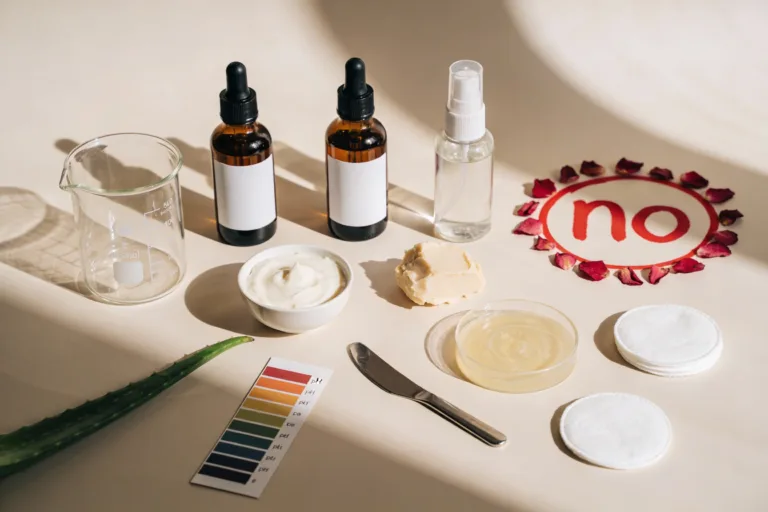
Used correctly, they can help with dullness, congestion, and mood. Used incorrectly, they can trigger irritation, photosensitivity, or allergic reactions. The trick? Low concentrations, proper dilution, and patch testing. Boring? Maybe. Effective? Absolutely.
Overeating doesn’t mean something is wrong with you. It means your system needs a reset.
If cravings keep pulling you off track, this helps you regain control without restriction. You’ll learn simple, realistic steps to stop overeating and feel satisfied again.
Picking the Right Oils for Your Skin Goals
Not all essential oils belong on your face. Some are great in a diffuser, terrible on skin. Let’s match oils to goals.
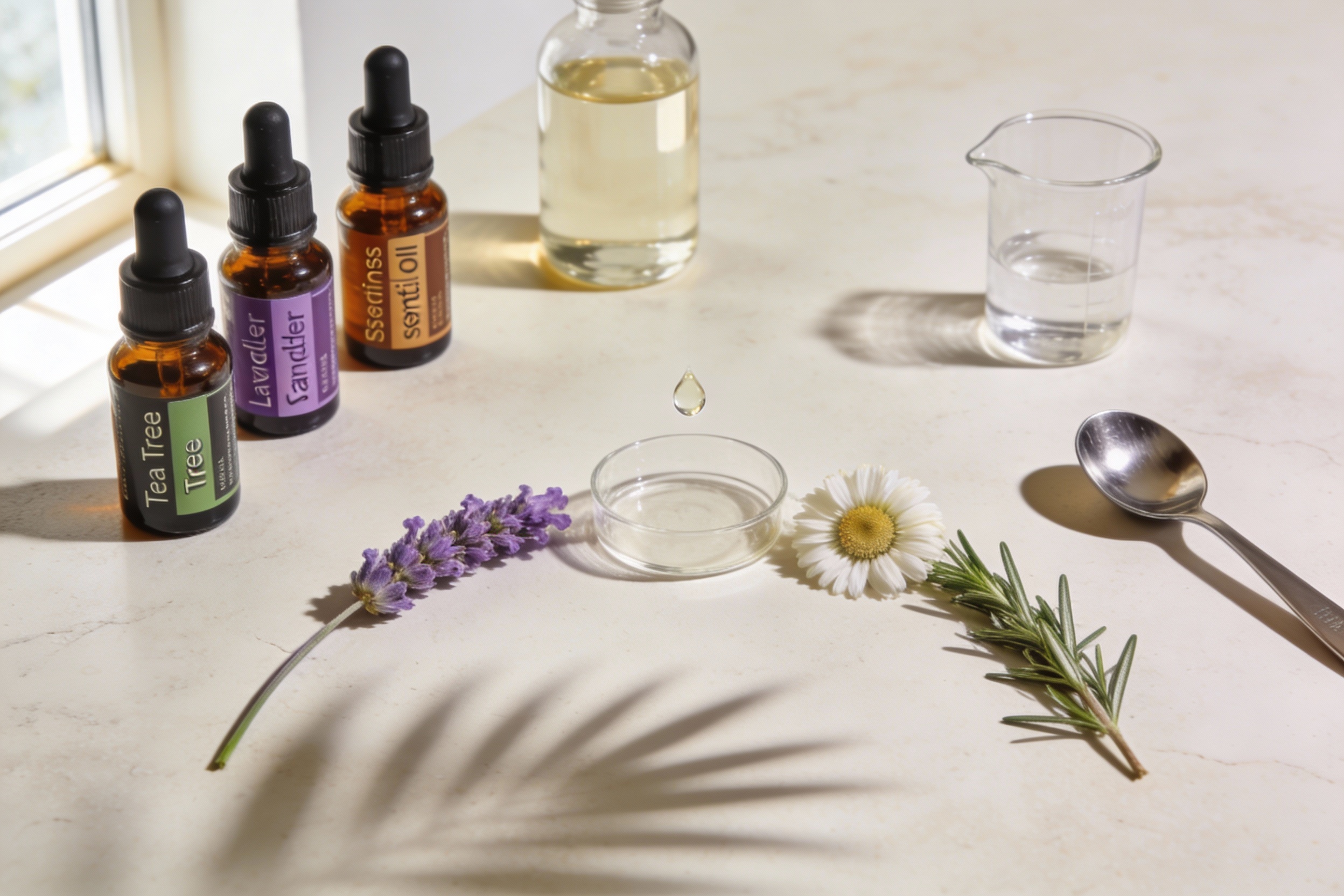
- Breakouts or oiliness: Tea tree, rosemary, clary sage. Tea tree fights blemishes, rosemary can reduce excess sebum.
- Redness or sensitivity: German chamomile, lavender, helichrysum. These calm the drama.
- Dullness or uneven tone: Frankincense, neroli. Gentle radiance boosters.
- Mature or dry skin: Rose (if budget allows), sandalwood, myrrh. Luxe, soothing, supportive.
Avoid on face (IMO): Cinnamon, oregano, clove, wintergreen, lemongrass, peppermint. These are dermal irritants. Save them for your foot soak or, better yet, don’t.
Quality Matters (But Don’t Get Scammed)
You don’t need a $60 bottle with a pyramid scheme attached. Look for:
- Latin name on the label (e.g., Lavandula angustifolia).
- Batch or lot number and distillation method.
- Dark glass bottle with a dropper or orifice reducer.
- GC/MS testing mentioned by the brand = extra points.
Dilution: The Non-Negotiable Rule
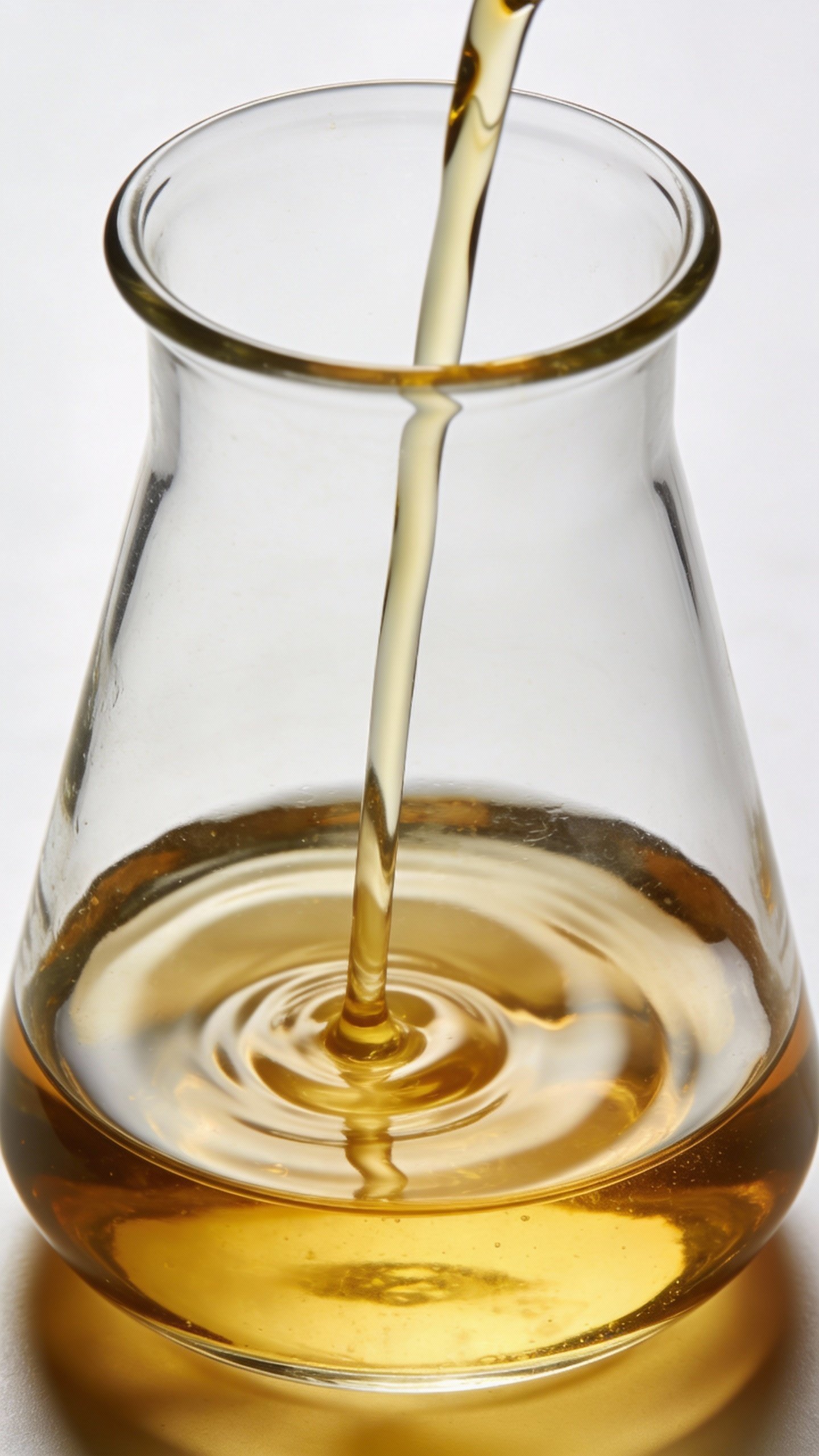
Never apply essential oils neat on your face. I repeat: never neat on your face. You need a carrier to dilute them and cut irritation risk.
Safe Dilution Guidelines for Facial Skincare
- Daily leave-on products (serums, creams): 0.25%–0.5% total essential oils
- Spot treatments: 1%–2% for short-term, localized use only
- Wash-off cleanser or mask: up to 1%
FYI, 1% equals about 1 drop per 5 mL (1 teaspoon) of carrier oil. When in doubt, go lower. Your skin never complains about gentleness.
Great Carrier Oils That Play Nice
- Jojoba: Lightweight, mimics skin’s sebum, great for most types.
- Squalane: Non-greasy, super stable, sensitive-skin friendly.
- Grapeseed: Light, good for oily or congested skin.
- Rosehip: Brightening, supports texture; use in blends since it’s more active.
How to Patch Test Like a Pro (Without Freaking Out)
You patch test because your face is not a science experiment. Mix your diluted formula first, then test:
- Apply a pea-sized amount to the inner forearm or behind the ear.
- Wait 24–48 hours. Don’t wash the area.
- No redness, stinging, or hives? You’re good.
If you feel heat or see rash, rinse with a carrier oil first, then cleanse. Water won’t dissolve oils well.
Starter Recipes That Don’t Torch Your Barrier
Let’s keep this simple and gentle. These are low dilution on purpose.
Calm-Down Night Serum (0.3%)
- 10 mL squalane
- 1 drop lavender (Lavandula angustifolia)
- 1 drop German chamomile (Matricaria recutita)
Mix in a clean glass bottle. Apply 2–3