How to Make a Nourishing Body Oil You’Ll Crave Daily
You want skin that feels like silk and smells like a spa? Let’s make a nourishing body oil you’ll actually look forward to using. No complicated chemistry, no mystery ingredients that sound like they belong in a lab. Just rich, plant-based oils tailored to your skin and mood. Grab a clean bottle and a good vibe—this will be fun.
Why Body Oil Beats Lotion (Most Days)
Body oil locks in moisture like a champ, especially right after showering. It sinks in, softens rough patches, and leaves a healthy glow instead of that sticky lotion layer. Plus, you control the ingredients, so you can skip the fillers and fragrance bombs.
And the best part? You can tweak the blend based on your skin type, the weather, or your current “I need a vacation” energy.
Overeating doesn’t mean something is wrong with you. It means your system needs a reset.
If cravings keep pulling you off track, this helps you regain control without restriction. You’ll learn simple, realistic steps to stop overeating and feel satisfied again.
Choose Your Base Oils: The Foundation of Everything
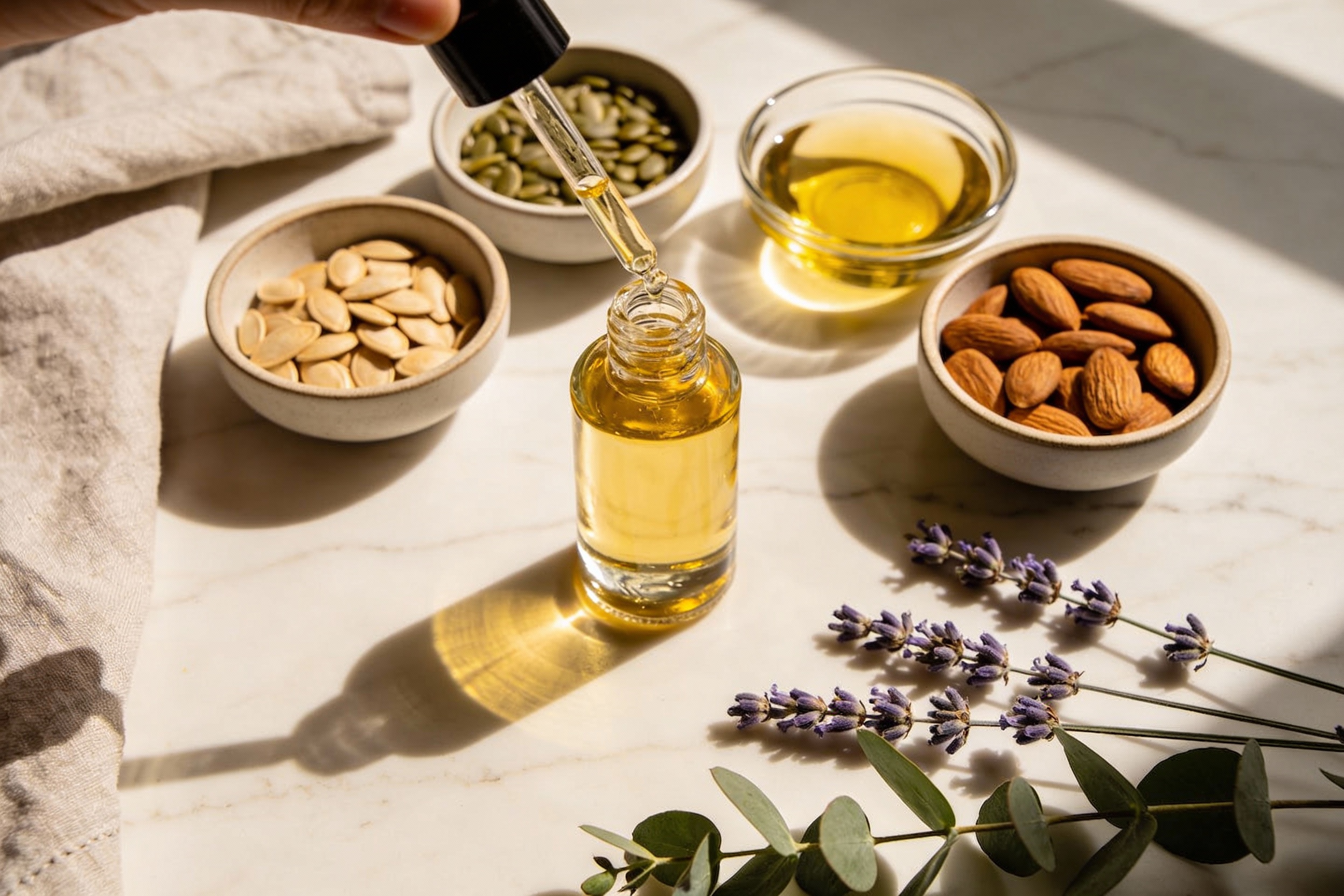
Base oils make up the bulk of your body oil. You want something light enough to absorb but nourishing enough to actually do something. Here are solid options:
- Jojoba oil: Lightweight, stable, mimics skin’s natural sebum. Great for all skin types.
- Sweet almond oil: Silky and softening; awesome for dry or sensitive skin (avoid if you have nut allergies).
- Grapeseed oil: Fast-absorbing and non-greasy; good for hot weather or oily-prone skin.
- Apricot kernel oil: Gentle and slightly richer; lovely for mature or delicate skin.
- Fractionated coconut oil (MCT): Lightweight, clear, never solidifies; great glide, minimal scent.
- Avocado oil: Rich and restorative; use as a smaller percentage for very dry areas.
Easy Base Blends (Pick One)
- Balanced Everyday: 50% jojoba + 30% sweet almond + 20% grapeseed
- Ultra-Light: 70% grapeseed + 30% fractionated coconut
- Dry-Skin Saver: 50% sweet almond + 30% apricot kernel + 20% avocado
Add Boosters: Small Drops, Big Results
Boosters add targeted benefits. You only need a little.
- Vitamin E (tocopherol): Antioxidant, extends shelf life. Use 0.5–1% of your total blend.
- Rosehip oil: Brightening and supportive for texture. Use 5–10% max.
- Sea buckthorn (CO2 or oil): Supercharged, but it stains. Use 1–2% for a warm glow.
- Squalane (olive- or sugarcane-derived): Lightweight and silky. Use 10–20% for elegant slip.
- Calendula-infused oil: Soothing and gentle. Swap in 20–50% of your base if you have it.
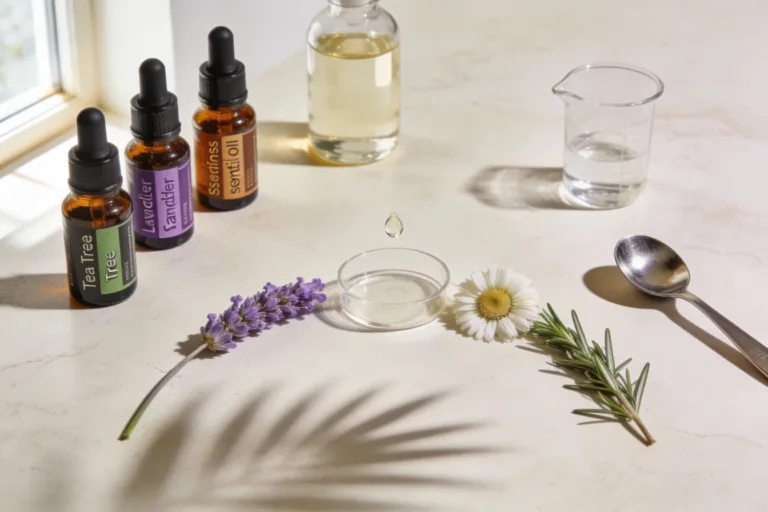
Essential Oils: Scent With Sense
You want beautiful scent, not irritation. Keep essential oils at 0.5–1.5% of the total formula. FYI: less is often better for body products.
- Relaxing: Lavender, Roman chamomile, ho wood
- Bright: Sweet orange, bergamot FCF (sun-safe), grapefruit
- Grounding: Cedarwood, vetiver (go easy), patchouli
- Fresh: Eucalyptus radiata, rosemary verbenone (avoid if pregnant), peppermint (very sparingly)
Patch test. Your skin has opinions. Listen to them.
Tools and Cleanliness (AKA: Don’t Sabotage Your Oil)
Yes, we measure. No, it’s not a drag.
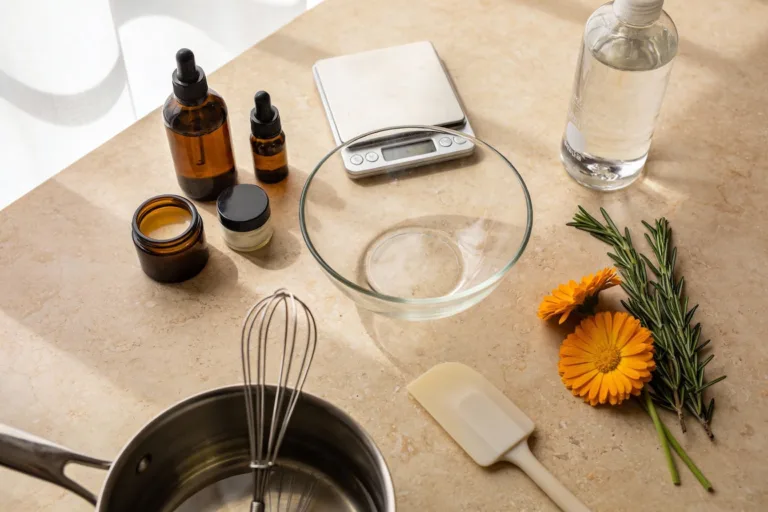
- Tools: Small digital scale or measuring spoons, glass beaker or bowl, funnel, spoon or glass stir rod, 100–120 ml glass bottle (amber or cobalt), labels.
- Cleanliness: Wash hands. Wipe tools and bottle with 70% isopropyl alcohol and let them air-dry.
- Storage: Keep your oil away from heat and sunlight. Dark bottles win.
Step-by-Step: Make Your Body Oil
Let’s assume a 100 ml batch. You can scale up or down later.
- Measure your base oils. Aim for about 90–95 ml total base and boosters combined (before essential oils).
- Add boosters. Add vitamin E, squalane, and any specialty oils. Stir gently.
- Add essential oils last. For 1% EO, use about 1 ml total (roughly 20 drops, but measuring by weight is better).
- Stir and sniff. Adjust scent by a few drops if needed. Don’t overshoot—EOs intensify over 24 hours.
- Bottle it. Use a funnel, label with the date and blend name, and do a patch test on your inner arm.
Sample 100 ml Recipe (Glow-Creator)
- 40 ml jojoba
- 30 ml sweet almond
- 15 ml squalane
- 10 ml rosehip
- 1 ml vitamin E
- 4 ml essential oil blend: 2 ml lavender, 1 ml bergamot FCF, 1 ml cedarwood (this is 4%—too high for many; IMO keep EOs at 1–1.5% for body)
Better option: Use 1 ml total essential oils, not 4 ml, and bump jojoba by 3 ml. Your skin will thank you.

Customize for Your Skin and Season
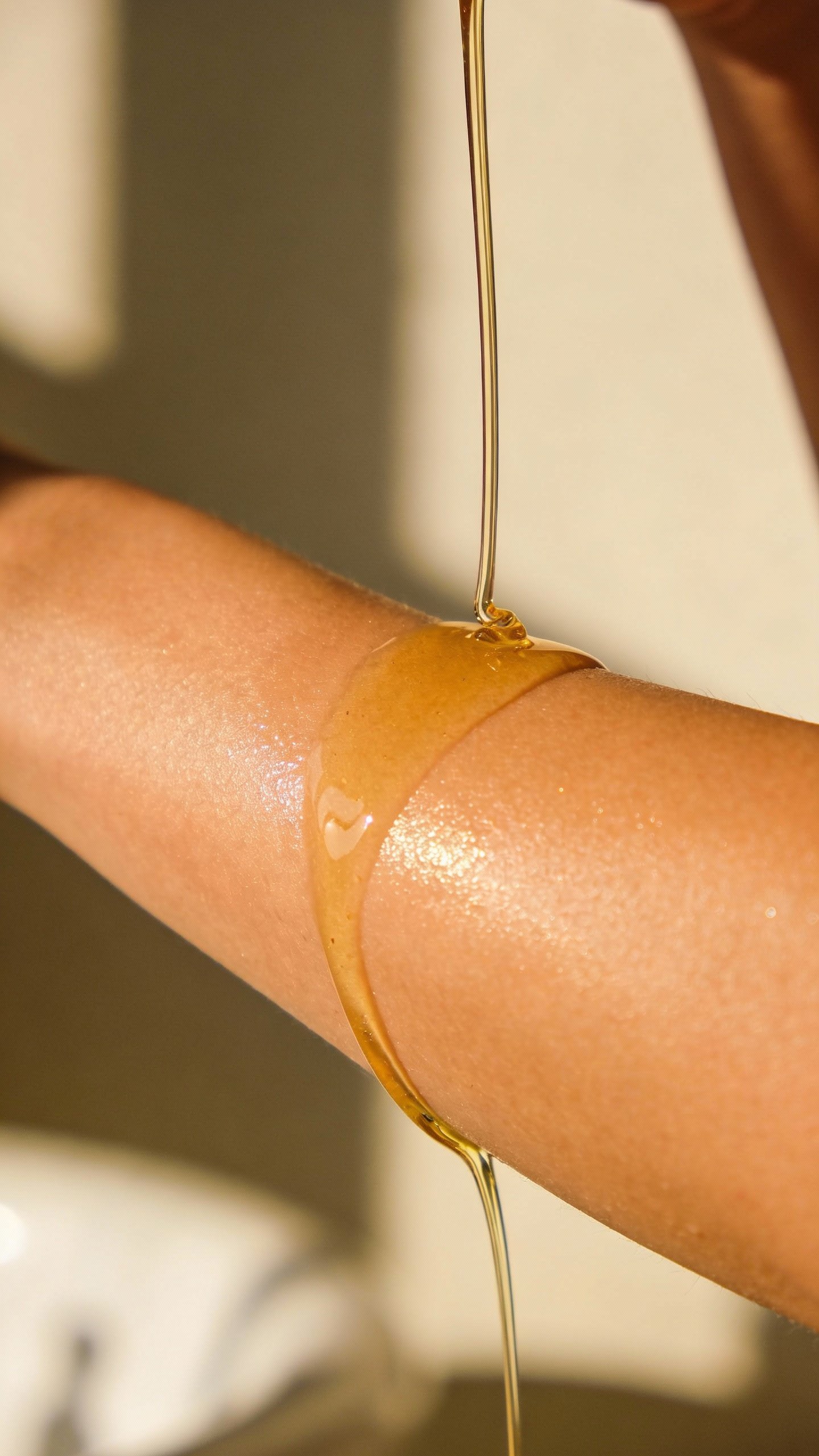
Skin changes. Your oil should too.
For Dry or Mature Skin
- Use richer bases: sweet almond, apricot kernel, a touch of avocado.
- Add 5–10% rosehip or 5% sea buckthorn for extra nourishment.
- Choose cozy scents: vanilla oleoresin (dilute), lavender, ho wood.
For Oily or Acne-Prone Body Areas
- Stick to lightweight: grapeseed + jojoba + squalane.
- Keep essential oils minimal; consider tea tree at 0.2–0.5% if you tolerate it.
- Apply on damp skin and use less. More oil ≠ more hydration.
For Sensitive Skin
- Skip fragrance or use a super low 0.25–0.5% essential oil.
- Try calendula-infused oil + jojoba + squalane.
- Patch test for 24–48 hours. Boring but smart.
How to Apply Like a Pro (So You’re Glowy, Not Greasy)
Timing and technique matter.
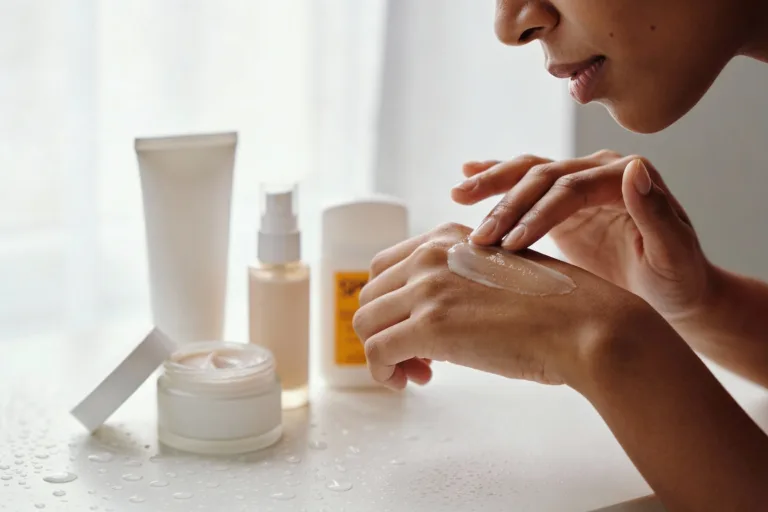
- Apply on damp skin right after a shower. You’ll trap water and use less oil.
- Warm 1–2 pumps between your palms, then press and glide. Start small and add as needed.
- Layer smart: If you love lotion, do oil first on damp skin, then a light lotion. Or mix a few drops into your lotion in-hand.
- Dress after a minute or two. Let it absorb. Your clothes will appreciate it.
Troubleshooting and Pro Tips
Because tiny tweaks make a big difference.
- Too greasy? Add more grapeseed or squalane. Use less per application. Apply to damp, not dry, skin.
- Not moisturizing enough? Add 10–20% richer oils (apricot kernel, avocado) or layer a humectant body serum underneath.
- Scent fades fast? Anchor with a base note like benzoin, patchouli, or cedarwood at low percentages.
- Weird smell over time? Oils oxidize. Add vitamin E, store cool and dark, and make smaller batches.
- Breakouts? Simplify. Drop essential oils, switch to jojoba + squalane, and patch test.
FAQ
Can I use olive oil from my kitchen?
You can, but I wouldn’t. It feels heavier and can smell a bit, well, salad-y. Cosmetic-grade oils feel nicer and absorb better. If you try it, blend it with squalane or grapeseed to lighten the texture.
How long does homemade body oil last?
Typically 6–12 months if you store it cool and dark and add vitamin E at 0.5–1%. If it smells off or looks cloudy, retire it. Make smaller batches if you don’t use body oil daily—FYI, 100 ml lasts a while.
Do I need preservatives?
No, not in an oil-only formula. Preservatives protect water-based products. Just keep water out of the bottle and don’t dip wet fingers inside. If you add anything watery (like aloe), that’s a different project.
Is it safe during pregnancy?
Stick to gentle, minimal or no essential oils. Many people avoid strong EOs like clary sage, rosemary, and cinnamon during pregnancy. When in doubt, go unscented and consult your healthcare provider, IMO the safest route.
Will body oil stain clothes?
Most light oils won’t, but richly colored oils like sea buckthorn can. Let the oil absorb for a couple minutes before dressing, and keep deeply pigmented boosters at 1–2%.
Can I use it on my face?
Some blends work fine, especially jojoba or squalane-forward ones. But body oils often contain EOs or richer oils that might clog facial pores. Keep a separate, simpler facial blend if your skin runs sensitive or acne-prone.
Conclusion
You don’t need a fancy label to get luxuriously soft skin—you just need the right blend and a clean bottle. Start simple, keep essential oils modest, and tweak until it feels like your dream texture. Your routine should feel soothing, not fussy. Mix, sniff, glow, repeat—IMO that’s self-care done right.