How to Make a Lightweight Face Moisturizer at Home That Works
Your skin wants hydration, not a heavy coat of grease. Good news: you can make a feather-light face moisturizer at home that absorbs fast, plays nicely under makeup, and doesn’t smell like your salad dressing. It takes a few ingredients, a clean jar, and about 20 minutes. Ready to ditch the mystery goop and whip up a custom blend your face will actually love?
Why Go Lightweight (and DIY)?
You want soft, bouncy skin without looking shiny by noon, right? A lightweight moisturizer keeps the skin barrier happy while avoiding clogged pores and makeup meltdowns. Plus, DIY means you control every ingredient—no fillers, no heavy fragrances, no “who even asked for this” additives.
Also, it’s fun. Kind of like cooking, but for your face. And FYI, you’ll save money over time, especially if you make small batches.
Overeating doesn’t mean something is wrong with you. It means your system needs a reset.
If cravings keep pulling you off track, this helps you regain control without restriction. You’ll learn simple, realistic steps to stop overeating and feel satisfied again.
What Makes a Moisturizer “Lightweight”
Think of texture and layering. We want:
- Fast absorption: No residue, no tacky film.
- Humectants: Ingredients like glycerin and hyaluronic acid that bind water to your skin.
- Low oil content: Just enough to seal in hydration without feeling slick.
- Balanced emulsifier: Keeps water and oil united in a stable, silky emulsion.
Key Ingredients at a Glance
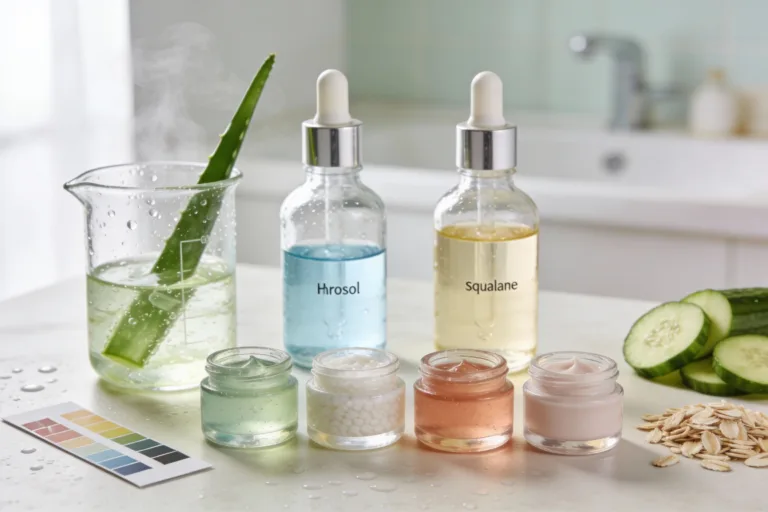
- Water phase: Distilled water, aloe vera juice (optional), hydrosols like rose or cucumber.
- Humectants: Vegetable glycerin, sodium hyaluronate (aka hyaluronic acid), propanediol (optional).
- Oil phase: Lightweight oils like squalane, grapeseed, or jojoba; a tiny amount goes far.
- Emulsifier: Polawax, Olivem 1000, or Emulsifying Wax NF.
- Extras (optional): Niacinamide powder, panthenol (vitamin B5), soothing extracts like green tea.
- Preservative: Broad-spectrum preservative suitable for water-based products (e.g., Geogard ECT or Liquid Germall Plus).
Lightweight Daily Moisturizer: The Basic Recipe
This makes about 100 g (3.4 oz), enough for a few weeks.
Ingredients (by percentage)
- Water phase (78–84%):
- Distilled water: 65–70%
- Aloe vera juice or hydrosol: 10–12%
- Glycerin or propanediol: 3–5%
- Oil phase (8–12%):
- Squalane or jojoba oil: 5–7%
- Emulsifier (Olivem 1000 or Emulsifying Wax NF): 3–5%
- Cool-down phase (2–6%):
- Niacinamide: 2–4% (optional but fantastic)
- Panthenol: 1–2% (optional)
- Hyaluronic acid solution (1%): 2–3% or powder at recommended rate
- Preservative: per supplier’s instructions (usually 0.5–1%)
- Fragrance-free, or 0.1–0.3% essential oil if your skin tolerates it (optional)
IMO: If you want extra-light, use squalane as your oil and keep the oil phase at the low end.
Equipment
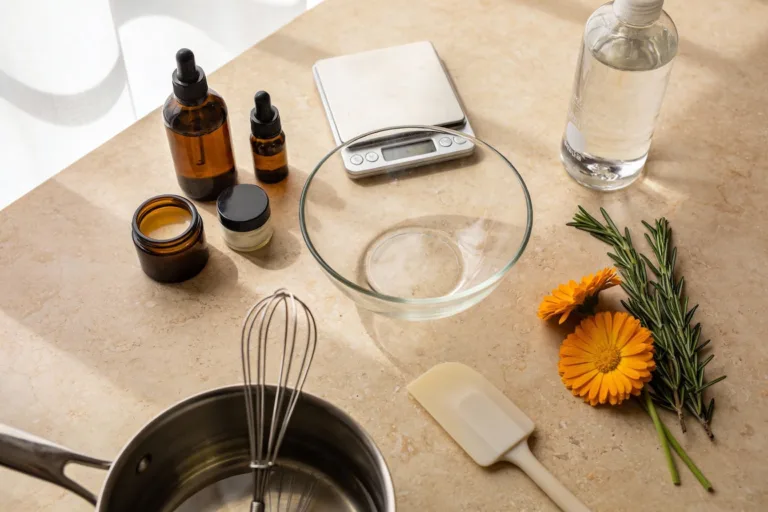
- Two heat-safe glass beakers or bowls
- Accurate digital scale (0.1 g precision)
- Small whisk or milk frother (low speed)
- Thermometer (optional but helpful)
- Clean spatula and sanitized jar or pump bottle
Method: Step-by-Step
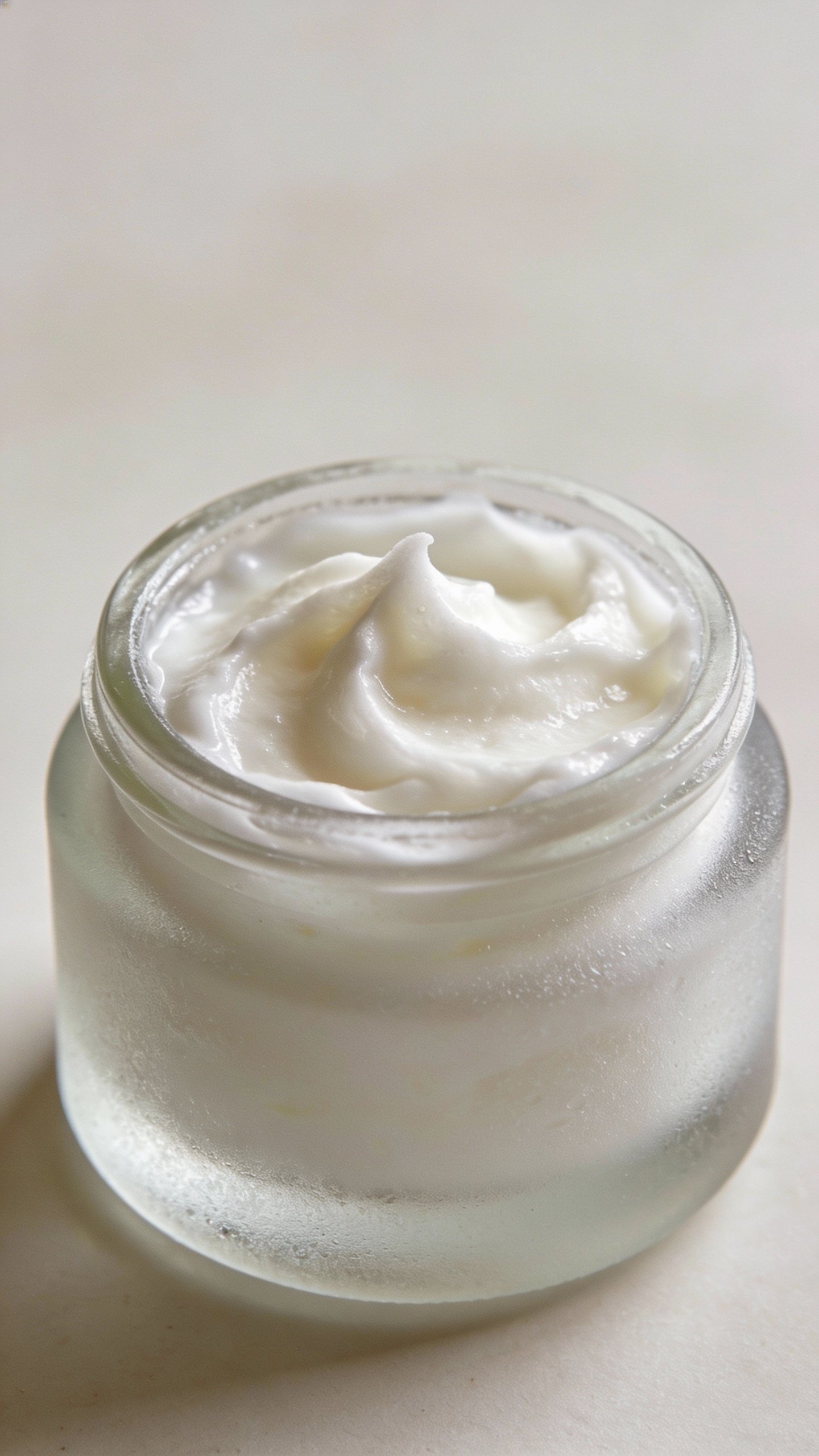
1) Prep and Sanitize
Wipe everything with 70% isopropyl alcohol. Wash your hands. Use distilled water only. We’re not making a petri dish.
2) Heat the Water and Oil Phases
- Combine the water phase ingredients in one beaker.
- Combine the oil and emulsifier in another.
- Place both in a hot water bath (around 70–75°C / 160–170°F) for 15–20 minutes. They should reach the same temp for a stable emulsion.
3) Emulsify
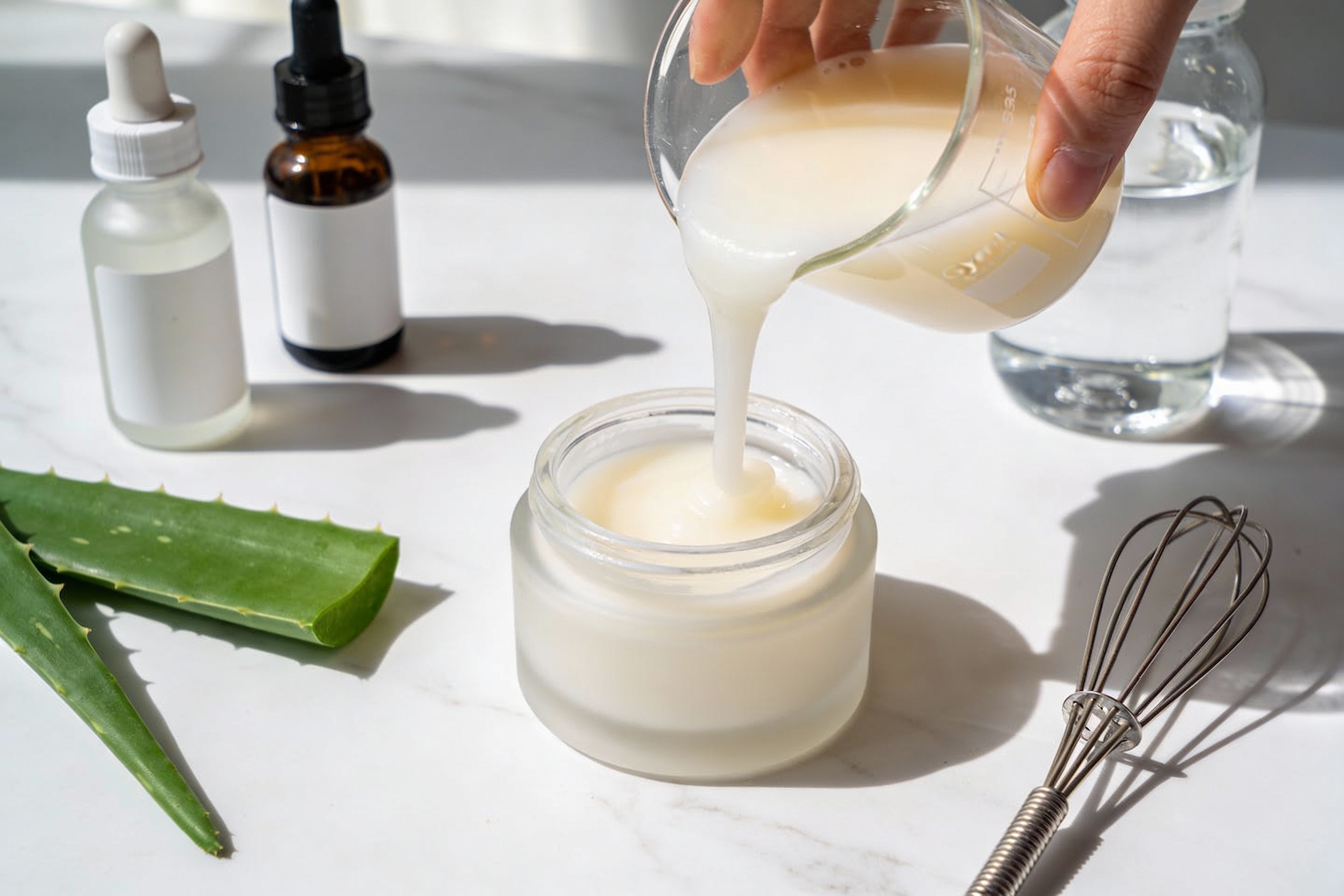
Pour the oil phase into the water phase slowly while whisking. Mix for a couple of minutes until it looks milky and uniform. Keep whisking as it cools to lukewarm and thickens slightly. If it foams, chill—bubbles settle.
4) Cool-Down Additions
Once under 40°C (104°F), add niacinamide, panthenol, hyaluronic acid, and preservative. Stir gently until smooth. Check the pH if you can—niacinamide likes pH 5–6.
5) Bottle and Label
Transfer to a clean pump bottle or jar. Label with the date and formula. Store away from direct sun, preferably in a cool spot.
Customize for Your Skin Type
Oily or Acne-Prone
- Use squalane or hemp seed oil at 4–5%.
- Add niacinamide 4% for oil control and pore appearance.
- Keep humectants moderate to avoid tackiness.
Dry or Dehydrated
- Increase humectants (glycerin + hyaluronic acid) slightly.
- Use jojoba or marula oil at 6–7%.
- Consider panthenol 2% for extra soothing.
Sensitive or Reactive
- Go fragrance-free. Seriously.
- Try aloe hydrosol and squalane, both gentle.
- Skip essential oils and fancy extracts at first. Patch test.

Storage, Shelf Life, and Safety
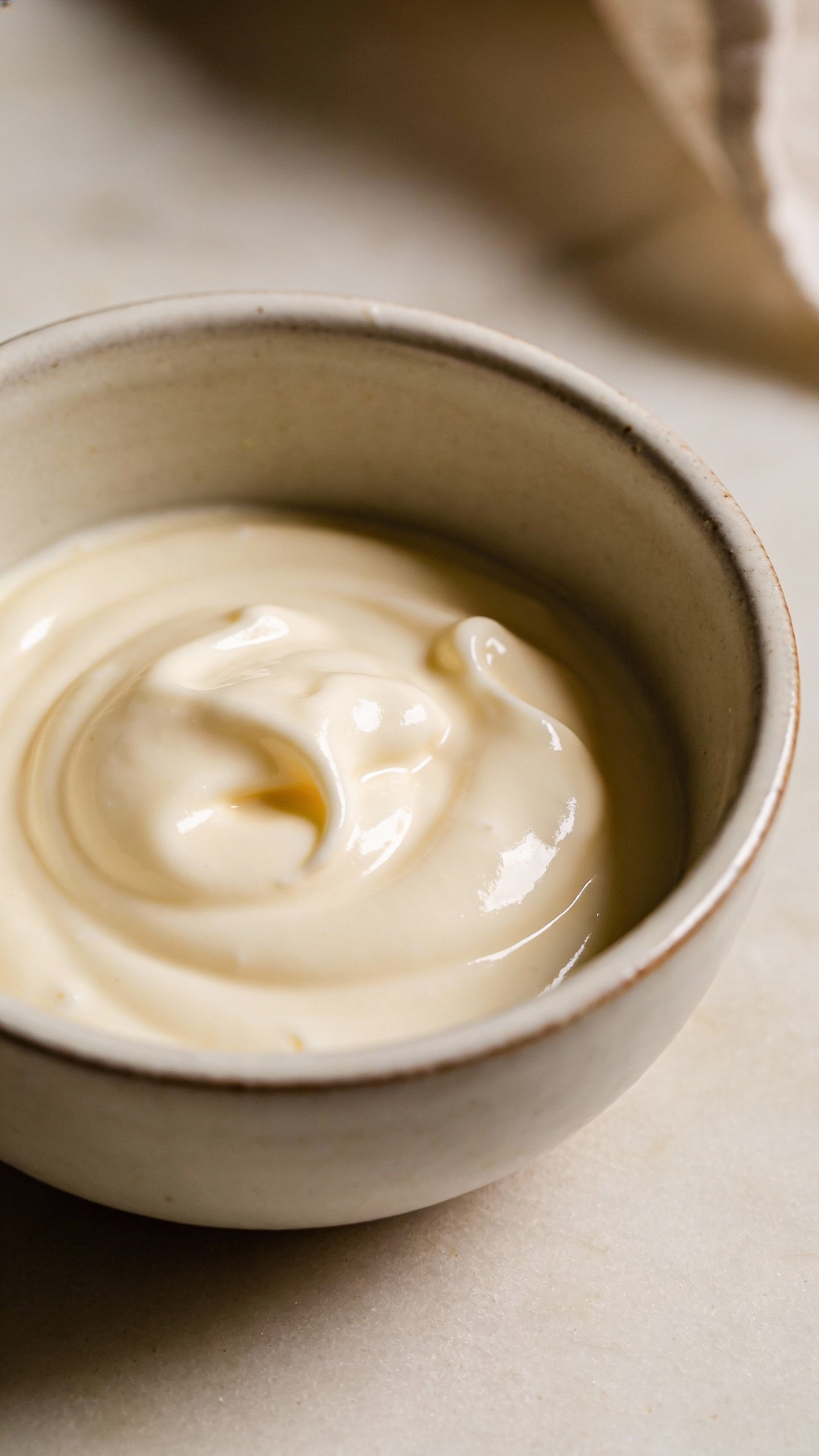
You used water, so you need a preservative. Without one, microbes set up a timeshare in your cream in like 48 hours. With a proper preservative and clean handling, you can store it for 8–12 weeks at room temp. If it smells off, separates badly, or changes color weirdly, toss it.
FYI: Scoop with clean hands or use a pump. Your fingers are not sterile (love you, but they’re not).
Common Mistakes to Avoid
- Skipping the preservative: Not optional for water-based products.
- Overloading oils: More oil doesn’t always mean more moisture; it just means more shine.
- Adding actives at high heat: They can degrade. Cool it down first.
- Wrong pH for niacinamide: Keep it around 5–6 to avoid potential flushyness.
- Not measuring: Eyeballing works for pasta, not for emulsions.
Optional Upgrades That Still Feel Light
Gel-Cream Texture
Add 0.2–0.4% xanthan gum or 0.5% hydroxyethylcellulose to the water phase and hydrate fully before heating. You’ll get that bouncy, gel-cream vibe that feels cooling on application.
Antioxidant Boost
A smidge of green tea extract or vitamin E (0.2–0.5%) supports the formula without turning it heavy. Keep vitamin E low; too much can feel greasy.
Make It “Summer-Proof”
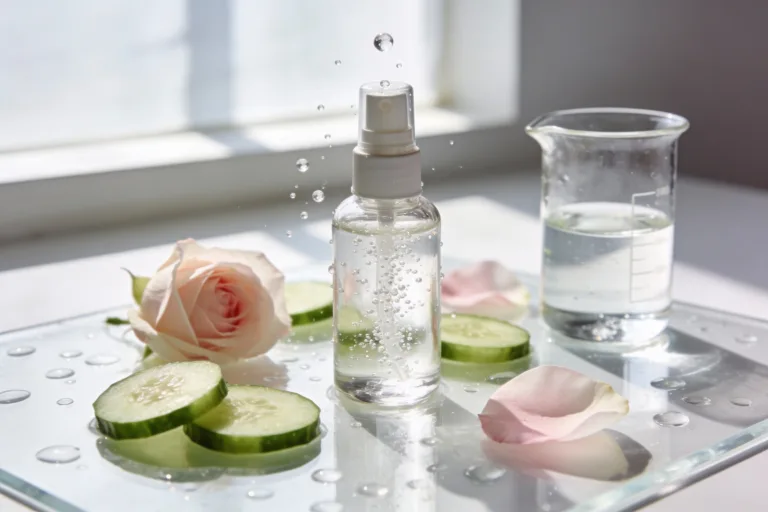
Use higher squalane, lower glycerin, and a rose/cucumber hydrosol for a light, fresh finish. Store in the fridge for a post-sun cool-down. Instant spa moment, IMO.
How to Use It for Best Results
Apply on slightly damp skin after cleansing and serum. Use pea-size amounts and build if needed. In the morning, follow with sunscreen. At night, layer a couple of drops of oil on top if your skin wants extra cuddles.
FAQ
Can I make this without an emulsifier?
Nope. Oil and water don’t stay together without an emulsifier. You’ll get separation, weird texture, and frustration. Use a proper cosmetic emulsifying wax for stable, lightweight results.
What if I don’t have a preservative?
Use only the oil phase and make a simple squalane serum, or make a tiny water-based batch and keep it in the fridge for 3–4 days max. But for real use, add a broad-spectrum preservative.
Is hyaluronic acid necessary?
Not necessary, but it helps. If you skip it, increase glycerin to compensate, and maybe add panthenol. Keep glycerin around 3–5% to avoid tackiness.
Can I add essential oils for scent?
You can, but keep it under 0.3% and patch test. Many faces do not love citrus or peppermint. If you want a vibe, try one drop of lavender or chamomile per 100 g—or go fragrance-free and let your skin chill.
Why did my moisturizer separate?
You probably added cool-down ingredients while it was still too hot, used mismatched temperatures, or under-emulsified. Reheat gently and blend, or take the L and start a new batch with proper temps.
What’s the ideal pH?
Aim for pH 5–6. Most skin-friendly and niacinamide-friendly. Use pH strips or a meter, and adjust with tiny amounts of lactic acid or sodium bicarbonate if needed.
Wrap-Up
You don’t need a heavy cream to get real hydration. With a smart mix of water, humectants, a whisper of oil, and the right emulsifier, you can make a silky, lightweight moisturizer that sinks in and behaves under sunscreen and makeup. Start simple, tweak as you go, and let your skin vote with its glow. Happy mixing!