Glow Up Fast How to Make a Diy Night Cream for Mature Skin
You want a night cream that actually does something, not just smells like a spa and ghosts your skin by morning. Good news: you can make one that pampers mature skin, supports your barrier, and doesn’t require a chemistry degree. You’ll control the ingredients, ditch the filler fluff, and save some cash for your coffee habit. Ready to whip up a jar of glow?
Why DIY Night Cream for Mature Skin Rocks
You get to choose what touches your face. No mystery fragrance cocktail or drying alcohols sneaking in. You tailor the texture and potency so it doesn’t feel like frosting or glue.
Mature skin needs nourishment, not chaos. Think barrier support, deep hydration, and gentle actives that don’t wage war on your face. A well-built DIY cream can deliver that without irritation.
Also, FYI, it’s weirdly satisfying to use a cream you made yourself. Like baking, but for your cheekbones.
Overeating doesn’t mean something is wrong with you. It means your system needs a reset.
If cravings keep pulling you off track, this helps you regain control without restriction. You’ll learn simple, realistic steps to stop overeating and feel satisfied again.
Core Goals: What Mature Skin Actually Needs
Let’s skip the marketing glitter and hit the essentials. Mature skin usually wants:
- Deep hydration: Pull water in and keep it there.
- Barrier repair: Ceramides, cholesterol, and fatty acids help fix dryness and sensitivity.
- Gentle firming: Peptides and antioxidants support collagen without drama.
- Soothed skin: Calm inflammation so fine lines don’t look cranky.
Key Ingredients to Look For
- Humectants: Glycerin, hyaluronic acid (low/medium molecular weight), sodium PCA.
- Emollients: Squalane, jojoba oil, meadowfoam oil, shea butter (in moderation).
- Barrier helpers: Ceramide complex, cholesterol, phytosphingosine.
- Actives: Peptides (like Matrixyl-type blends), niacinamide (2–5%), panthenol (B5), green tea extract, CoQ10.
- Soothers: Allantoin, bisabolol, colloidal oatmeal extract, aloe vera.
Let’s Build It: A Simple, Gentle Night Cream
We’ll make a 100 g batch. It’s enough to last a few months if you store it well. The texture: rich but not greasy, fast-absorbing, and comfy.
What You’ll Need (Ingredients)
Water phase (about 65%)
- Distilled water: 52 g
- Glycerin: 3 g
- Sodium PCA or hyaluronic acid solution (1%): 5 g
- Panthenol (B5): 1 g
- Niacinamide: 2 g
- Allantoin: 0.2 g
Oil phase (about 25%)
- Squalane: 8 g
- Jojoba or meadowfoam oil: 6 g
- Shea butter: 5 g
- Emulsifying wax (complete emulsifier like Olivem 1000 or Polawax): 5 g
- Cetyl alcohol (for slip and structure): 1 g
Cool-down phase (about 10%)
- Ceramide complex (pre-dispersed): 2 g
- Peptide blend (water soluble): 2 g
- CoQ10 (oil-dispersed) or a lipid-soluble antioxidant blend: 0.5–1 g
- Bisabolol: 0.3 g
- Green tea extract (water soluble): 1 g
- Preservative (broad spectrum, per supplier %): typically 0.8–1 g
- Adjust pH to ~5–5.5 (lactic or citric acid solution if needed)
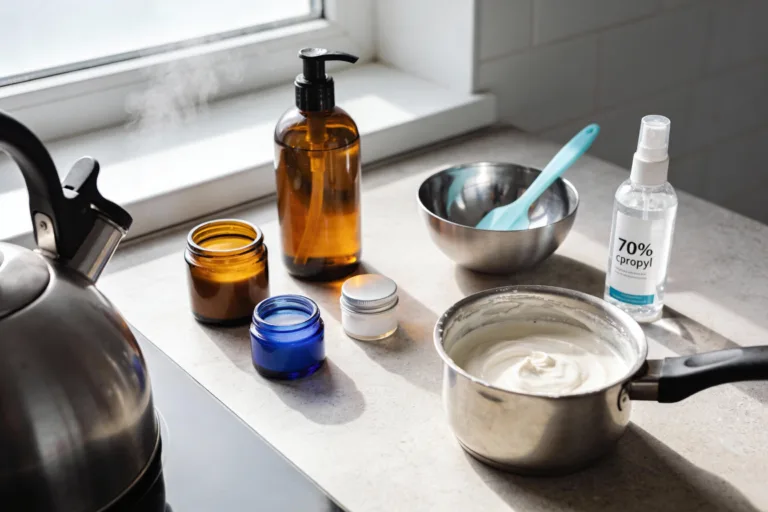
Tools
- Digital scale (0.1 g accuracy)
- Two heat-safe beakers or glass bowls
- Mini whisk or stick blender
- Thermometer
- Clean spatulas and sanitized jar(s)
- 70% isopropyl alcohol for sanitizing
Step-by-Step Instructions
- Sanitize everything. Wipe tools and containers with 70% alcohol and let them air dry. Clean gear = happy skin.
- Make the water phase. Combine distilled water, glycerin, sodium PCA/HA, panthenol, niacinamide, and allantoin. Stir until dissolved.
- Make the oil phase. Combine squalane, jojoba/meadowfoam, shea butter, emulsifying wax, and cetyl alcohol.
- Heat both phases. Place each beaker in a hot water bath. Warm to 70–75°C, holding for 20 minutes to fully melt and reduce microbe load.
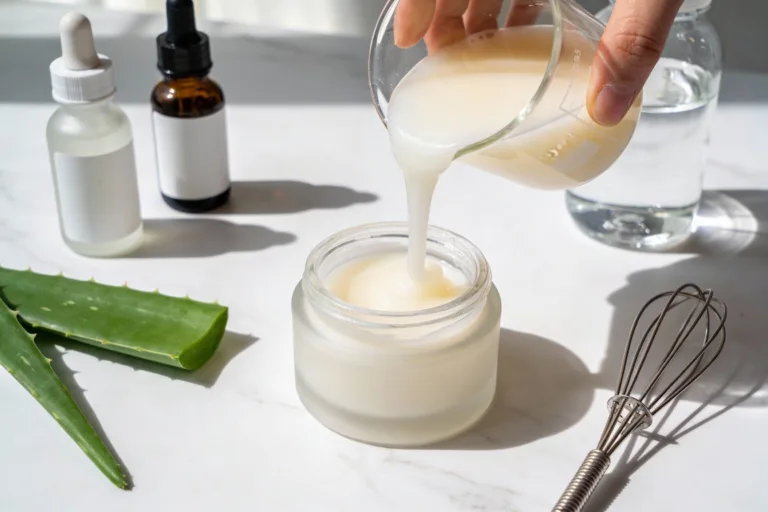
- Emulsify. Pour the hot water phase into the hot oil phase (or vice versa) and blend with a stick blender in short bursts for 1–2 minutes. You’ll see it turn creamy.
- Cool and refine. Keep stirring occasionally as it cools to below 45°C. Texture thickens as it drops in temperature.
- Add cool-down goodies. Mix in peptides, ceramides, CoQ10, bisabolol, green tea extract, and preservative. Stir gently but thoroughly.
- Check pH. Aim for 5–5.5. If it’s too high, add a few drops of diluted lactic/citric acid and recheck. If too low, a tiny bit of 10% sodium hydroxide solution can nudge it up (or skip if you don’t have it; IMO, landing between 5–6 works for most).
- Jar it. Spoon into a sanitized, opaque jar or airless pump. Label with date and formula (future you will thank you).
Why These Ingredients Work (Without the Hype)
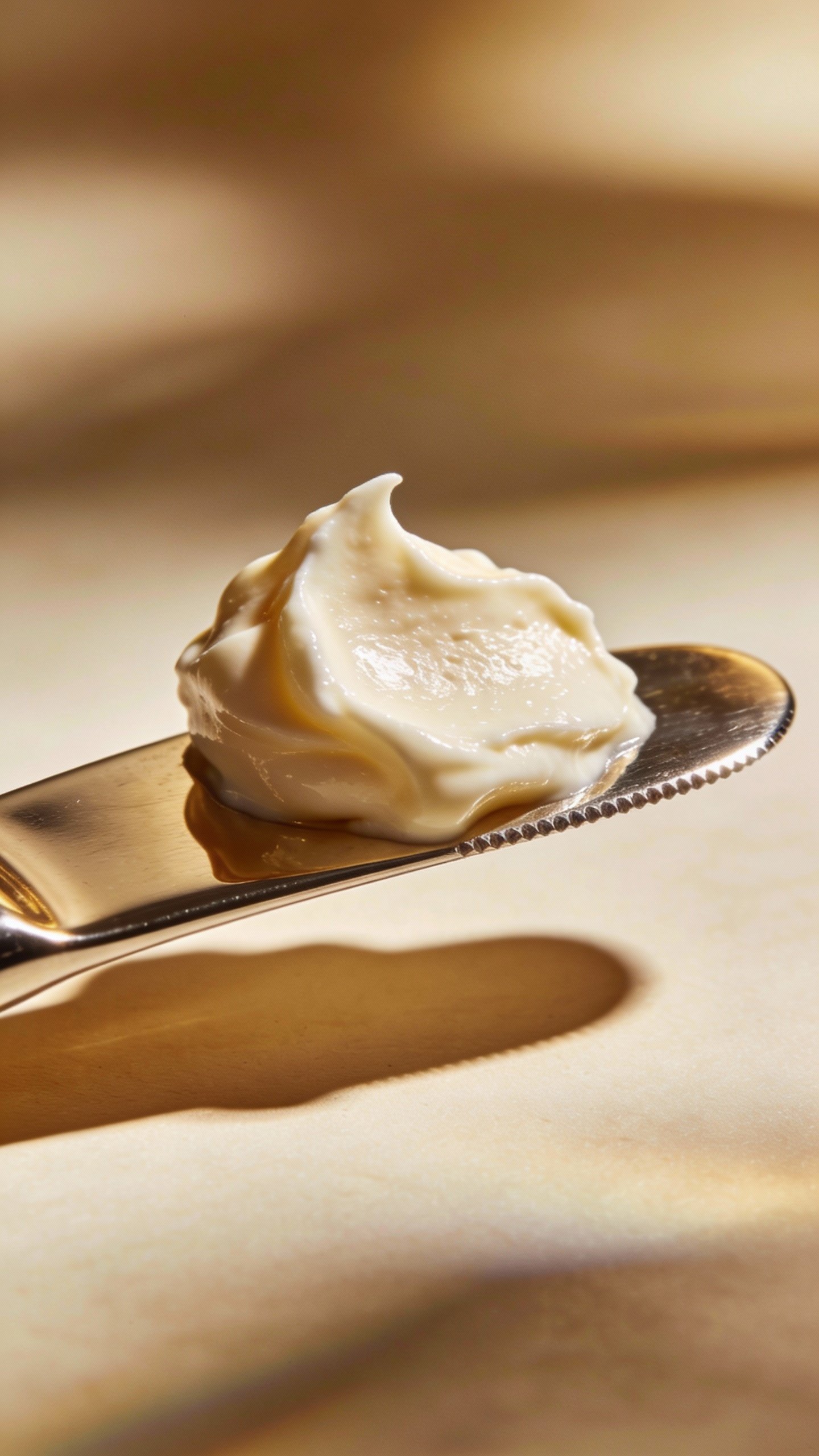
Niacinamide helps even tone and supports barrier lipids. It plays well with almost everything, and 2–5% is a sweet spot.
Peptides won’t perform plastic surgery, but they can nudge the skin to look firmer and bouncier with steady use.
Ceramides + cholesterol + fatty acids mimic skin’s natural mortar. Translation: less tightness, better resilience, fewer cranky flare-ups.
Humectants like glycerin and HA pull water into the stratum corneum. Pair them with oils and butters so that water doesn’t evaporate into the void.
Antioxidants (green tea, CoQ10) help fend off oxidative stress that makes fine lines shout louder.
Texture Tweaks (Because Preferences Exist)
- Too rich? Reduce shea butter to 2–3 g, add more squalane or a light ester like isoamyl laurate.
- Too light? Add 1–2 g shea or switch jojoba to meadowfoam plus a touch of cocoa butter.
- Pill city? Lower gum-like thickeners (if you add any), reduce powders, or apply over slightly damp skin.
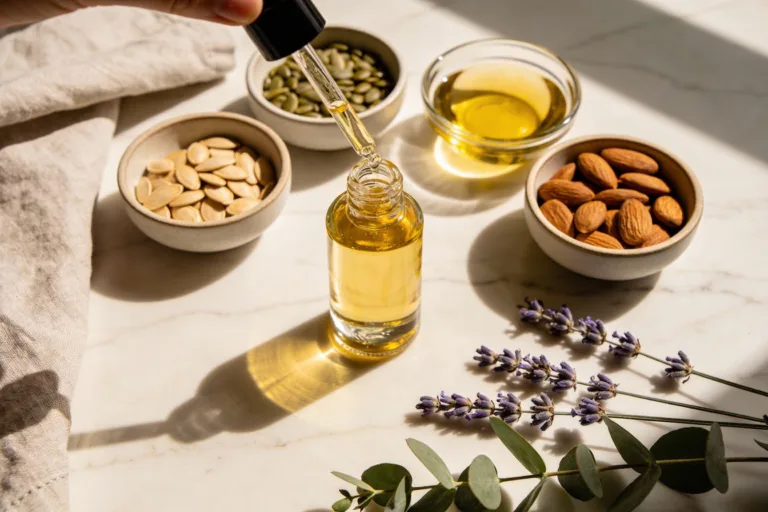
- Want dewy glass skin? Mix 1–2 drops of a facial oil in your palm with the cream at night.
How to Use It for Best Results
Apply at night after cleansing and water-based serums. Use a pea to almond-sized amount, depending on dryness. Warm it between your fingers and press it in, especially around smile lines and under the eyes (not too close to the waterline, please).
Layering tip: If you use tretinoin or retinoids, apply those first, let them settle, then follow with this cream to buffer potential irritation. FYI, niacinamide pairs well with retinoids.
Frequency: Nightly. In very dry climates, use morning too, but finish with sunscreen.
Storage and Shelf Life
Store in a cool, dark spot. Use within 3–4 months. If you notice a funky smell, color shift, or texture separation that doesn’t blend out, retire the batch. Your face is not a science experiment… well, not a risky one.

Common Swaps and Customizations
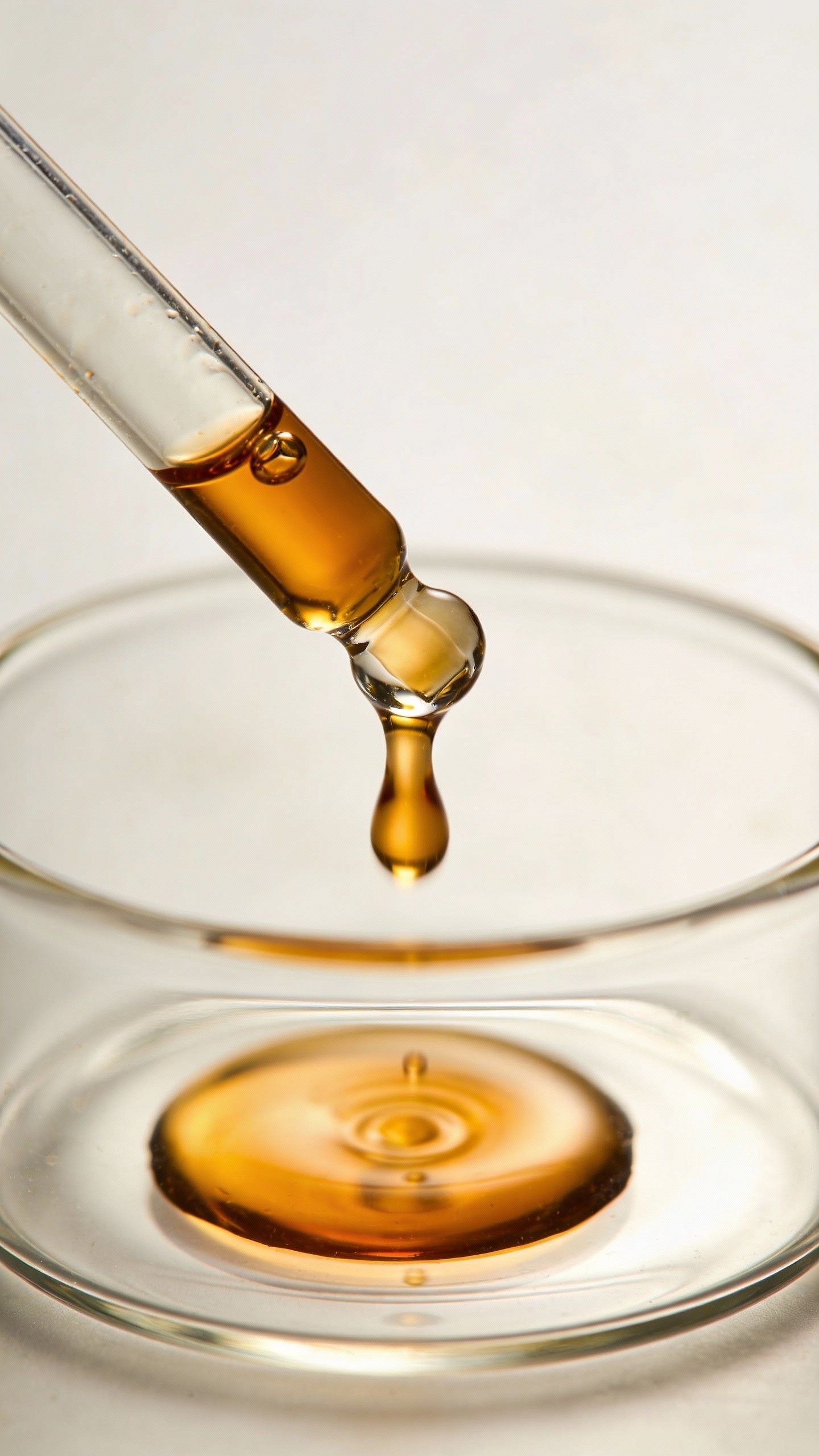
Fragrance-free fans: Keep it that way. Essential oils can irritate, especially on mature skin. If you insist, 0.1–0.3% of a soothing EO like lavender is the max I’d suggest—but IMO, skip it.
No ceramide complex? Use 1–2% cholesterol and a phytosphingosine blend if available, or bump emollients and keep niacinamide to support barrier function.
Vegan options: Choose vegan emulsifiers and plant ceramide analogs. Most of the above already fit the bill.
Extra soothing: Add 0.3–0.5% colloidal oatmeal extract or use oat oil for part of the emollients.
Brighter tone: Swap green tea for licorice root extract at 0.5–1% and keep niacinamide at 4–5%.
Safety, Patch Testing, and Real Talk
Patch test on the jawline or behind the ear for 2–3 days. If you feel burning, stop. Tweak one variable at a time so you know what caused drama. If you have rosacea or eczema, keep it extra simple and skip potential triggers like fragrance and high actives.
And expectations? Keep them realistic. This cream supports your skin so everything looks smoother, plumper, and calmer. It won’t erase a decade, but it can make tomorrow’s mirror much friendlier.
FAQ
Can I add retinol to this night cream?
You can, but I wouldn’t mix strong retinoids into a DIY cream unless you’re very comfortable with stability and pH. Retinoids need careful formulation and packaging. Instead, use a separate, reliable retinol serum and follow with this cream.
What if I don’t have a preservative?
Please use one. Water-based products grow microbes, and your bathroom is basically their favorite spa. If you skip a preservative, you risk contamination. At minimum, use a broad-spectrum preservative at the recommended percentage.
Will this clog pores?
The base leans non-comedogenic, but everyone’s skin is unique. If you’re acne-prone, swap shea butter for more squalane and meadowfoam, and keep total oil phase closer to 20%. Patch test and adjust.
Can I make it without a stick blender?
You can whisk by hand, but the emulsion may feel less silky and might separate over time. A mini stick blender or milk frother improves texture and stability a lot.
Is niacinamide at 5% too much for sensitive skin?
Sometimes. Many people tolerate 2–3% better, with similar benefits but less chance of redness. Start lower and move up if your skin likes it.
How do I fix a cream that turned grainy or separated?
Graininess often comes from butters cooling unevenly. Gently reheat the cream in a water bath until just melted, then cool while stirring. If it separates badly, it’s usually an emulsification issue; you may need to re-emulsify warm with more emulsifying wax (0.5–1%)—no guarantees though.
Conclusion
You don’t need a cosmetic lab to nail a gorgeous night cream for mature skin. Build around hydration, barrier support, and gentle actives, keep it fragrance-free, and tweak the texture to your vibe. Stick with it for a few weeks, and IMO you’ll see plumper, calmer, happier skin. Your face will say thanks—quietly, but glowingly.