How to Make a Diy Hand Cream for Dry Hands That Works
Your hands work overtime—washing, typing, scrolling, opening jars like a hero—so when they feel like sandpaper, it’s not exactly a vibe. The fix? A rich, buttery hand cream you can whip up in your kitchen without a chemistry degree. It’s cheaper, customizable, and honestly kind of fun. Ready to pamper those paws? Let’s make a jar of goodness.
Why DIY Hand Cream Beats the Store Stuff
You control everything—texture, scent, ingredients. Want ultra-rich and occlusive? Easy. Prefer something lighter for daytime? Also doable. No mystery chemicals you can’t pronounce, no artificial fragrances that smell like “ocean breeze” (whatever that is).
Plus, you can tailor it to what your hands need. Super dry skin loves occlusives (think butters and waxes), while dehydrated skin craves humectants (like glycerin and aloe). You get to pick both. IMO, that’s the real win.
The Basic Formula (That Actually Works)
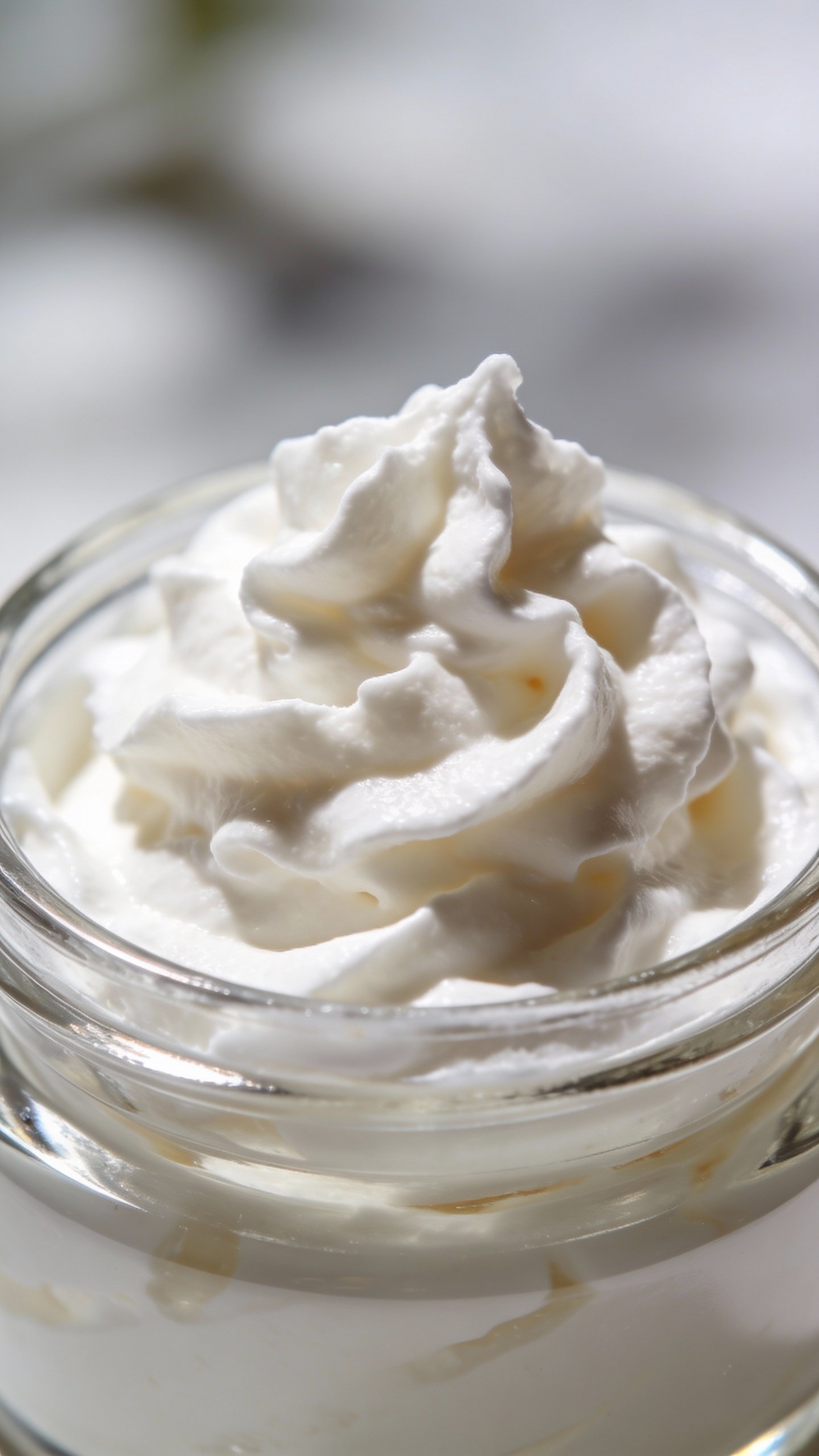
Think of hand cream as a dessert with three parts: fat, water, and emulsifier. You need all three for a smooth, stable cream that doesn’t separate like bad salad dressing.
Target ratio for a rich hand cream:
- Water phase (60–70%): distilled water, aloe juice, hydrosols
- Oil phase (25–35%): carrier oils + butters + emulsifying wax
- Cool-down phase (1–5%): preservative, vitamin E, fragrance/essential oils
Ingredient cheat sheet
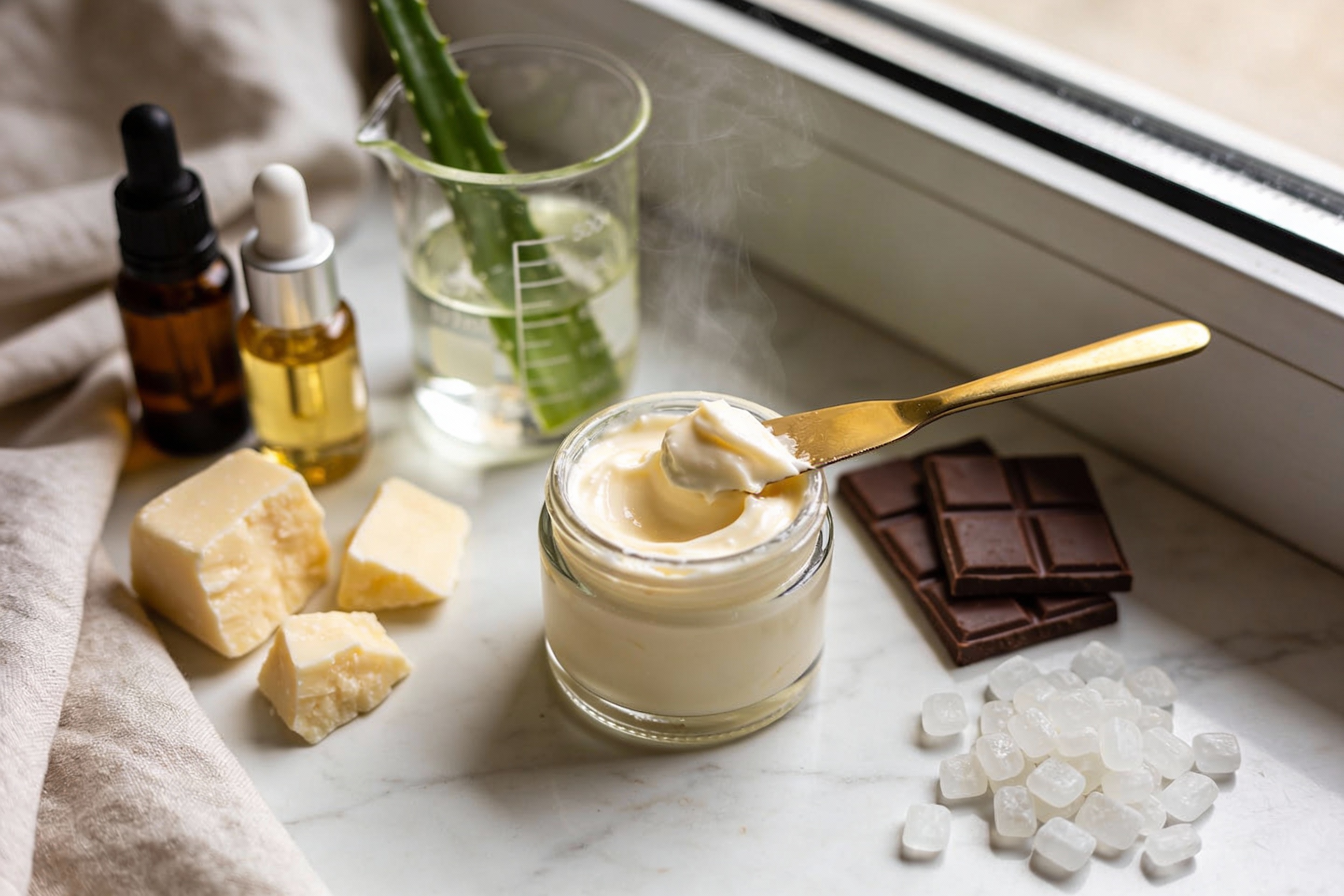
- Butters: Shea (rich, healing), cocoa (firm, protective), mango (lighter, less greasy)
- Oils: Sweet almond (gentle), jojoba (balances), avocado (nourishing), sunflower (light)
- Humectants: Vegetable glycerin, propanediol, sodium lactate
- Emulsifier: Emulsifying wax NF or Olivem 1000
- Occlusive booster: Beeswax or candelilla wax (vegan)
- Preservative: Optiphen, Geogard ECT, or Liquid Germall Plus (follow supplier rates)
FYI: Without a preservative, anything with water will grow microbes, even if it smells fine. Don’t skip it.
My Favorite Rich Hand Cream Recipe
This makes about 100 g (a small jar). It’s thick, protective, and melts into skin after a minute. Perfect for dry, cranky hands.
- Water phase (67 g total)
- Distilled water: 55 g
- Aloe vera juice: 8 g
- Glycerin: 4 g
- Oil phase (30 g total)
- Shea butter: 10 g
- Sweet almond oil: 10 g
- Jojoba oil: 6 g
- Emulsifying wax NF or Olivem 1000: 3 g
- Beeswax (or candelilla): 1 g
- Cool-down (3 g total)
- Preservative: per supplier (typically 0.5–1 g)
- Vitamin E (tocopherol): 0.5 g
- Essential oil or fragrance (optional): up to 0.8 g total
What you’ll need
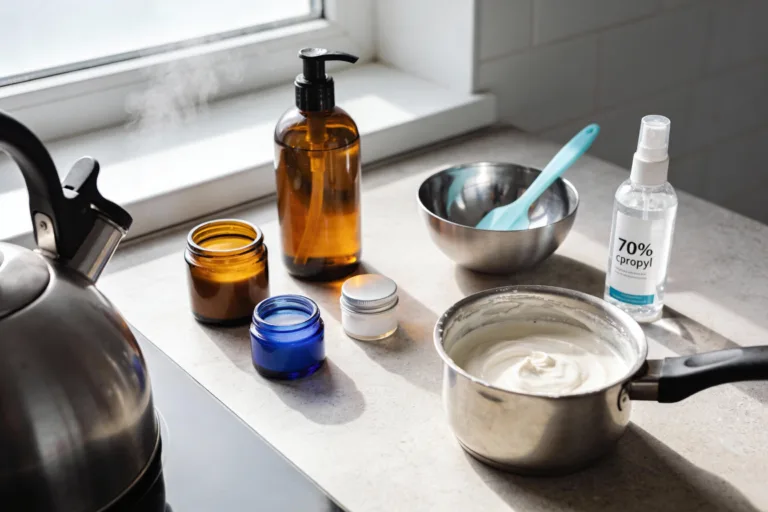
- Digital scale (0.1 g accuracy makes your life easier)
- Two heat-safe beakers or glass bowls
- Small saucepan for a double boiler
- Mini whisk or milk frother (low speed) or a silicone spatula
- Clean jar with a tight lid
- Rubbing alcohol and paper towels for sanitizing
Step-by-step
- Sanitize everything. Wipe tools and container with alcohol. Clean workspace = longer shelf life.
- Weigh phases separately. Water stuff in one beaker, oils/butters/waxes/emulsifier in another.
- Heat both phases. Place both beakers in a simmering water bath until the oil phase is fully melted and both reach ~70°C (160°F). Keep them warm for a few minutes.
- Combine and blend. Pour the water phase into the oil phase while blending gently. Stir/whisk for 1–2 minutes, rest for 1 minute, repeat for 5–7 minutes as it cools and thickens.
- Cool to lukewarm. Around 40–45°C (104–113°F). Then add the cool-down ingredients. Mix thoroughly.
- Jar it. Spoon into your clean container. It will thicken more over 24 hours.
Texture tip: Too thick? Next batch, reduce beeswax or switch to mango butter. Too light? Add 1–2% more butter or a touch more beeswax.
How to Customize for Your Skin
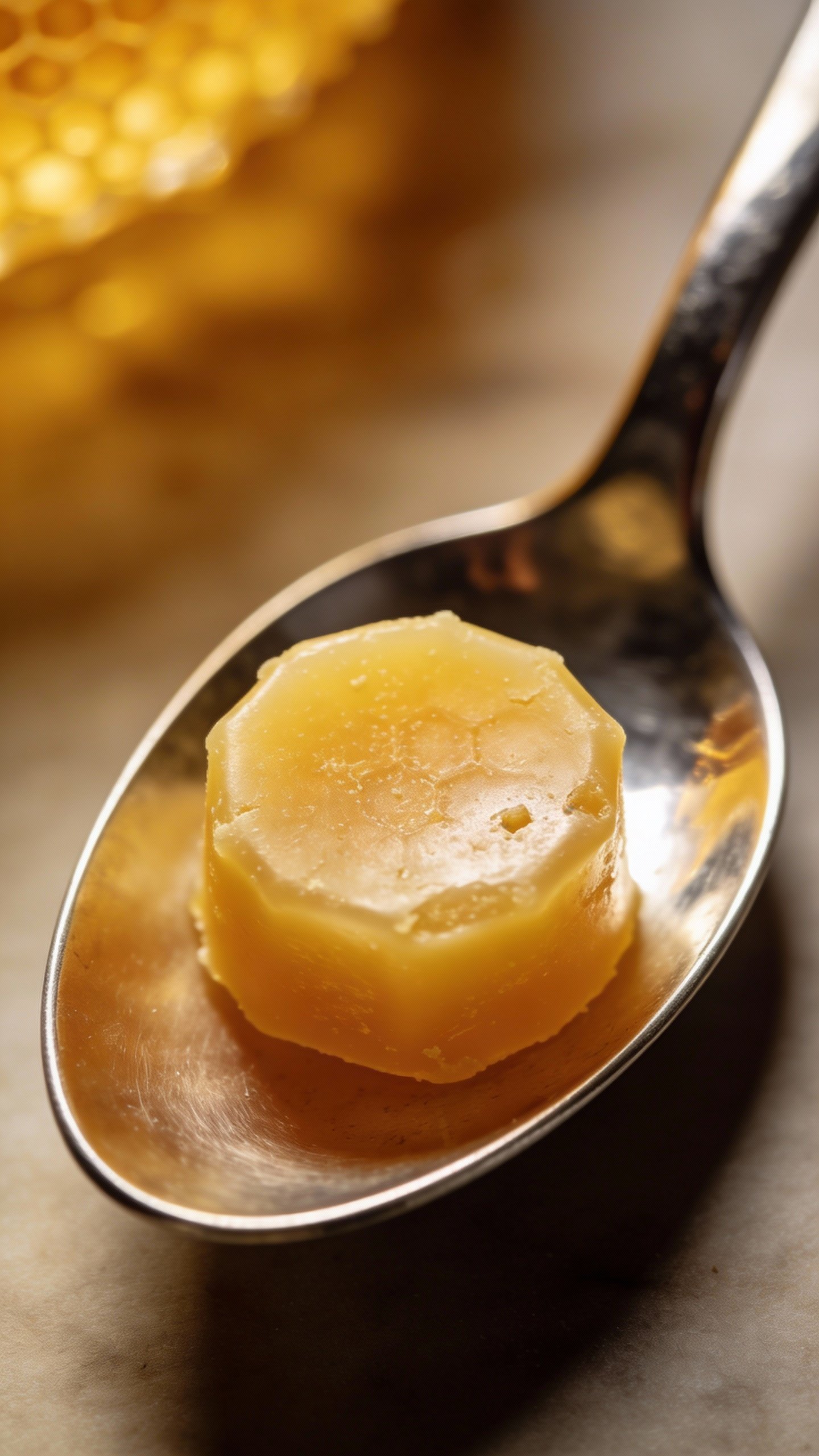
Hands aren’t one-size-fits-all. Tweak away.
For cracked, angry skin
- Swap in 20% shea + 5% cocoa butter for extra occlusion.
- Add panthenol (pro-vitamin B5) at 1–2% in cool-down for soothing.
- Use oat extract or colloidal oatmeal (0.5–1%) for calm vibes.
For lightweight, daytime feels
- Use mango butter instead of shea.
- Choose sunflower or squalane as the main oil.
- Skip beeswax or keep it at 0.5% for slip without the heavy film.
Fragrance swaps
- Lavender + sweet orange (relaxing and cheerful)
- Rose geranium (fancy without being fussy)
- Peppermint (tingly; use lightly)
Note: Keep essential oils at safe dermal limits (generally 0.5–1% for leave-on products; research each oil). If your skin throws tantrums, go fragrance-free.
Preservation and Shelf Life (Don’t Skip)
You made a water-based product, which microbes love. Always add a broad-spectrum preservative at the recommended rate and keep your tools clean.
Storage tips
- Use a pump bottle or squeeze tube to limit contamination.
- Store in a cool, dry spot. Avoid steamy bathrooms if possible.
- Label your batch date. Aim to use within 3–6 months.
When to toss
- Weird smell or color? Bye.
- Separation after weeks? Could be a failed emulsion. Toss and adjust ratios next time.
- Any mold or specks? Toss immediately.
Application Hacks for Softer Hands
You don’t need to bathe in cream—just use it strategically.
- After washing. Pat dry, apply while skin is slightly damp to trap water in.
- Night treatment. Slather a thicker layer, then wear cotton gloves. Yes, it looks silly. Yes, it works.
- Cuticle rescue. Massage a pea-sized amount into nails and cuticles daily.
- Hand sanitizer truce. Follow alcohol-based sanitizer with a tiny dab of cream to prevent flakes.
Troubleshooting: When Your Cream Misbehaves
Things go sideways sometimes. No judgment.
Grainy texture
That’s often shea butter crystals. Solution: Make sure you fully melt butters and cool the emulsion quickly with gentle mixing.
Too greasy
Try lighter oils (sunflower, squalane) and reduce butters/wax by 1–2%. Add arrowroot powder or silica at 0.5–1% in cool-down for a soft-focus finish.
Won’t thicken
Check your emulsifier percentage. Bump emulsifying wax to 4–5% total and reduce water slightly. Also, whisk longer during cool-down.
Stings on broken skin
Skip fragrance, and reduce aloe or glycerin slightly. Add panthenol and oat extract for comfort.
FAQ
Can I make this without a preservative?
Short answer: not if you use water. Water-based products grow bacteria and mold, even if you refrigerate. If you want preservative-free, make a balm with only oils, butters, and wax—no water, no emulsifier. It won’t hydrate, but it will seal in moisture after washing.
Can I swap beeswax for candelilla or carnauba?
Yes, but they’re harder and more occlusive. Start with half the amount and adjust next batch. You can always thicken more, but turning your cream into a brick? Been there.
What if I don’t have a scale?
Get one if you can—consistency matters. If you must wing it, use teaspoons and tablespoons, but results will vary. IMO, a $15 scale pays for itself in two batches and saves your sanity.
Is glycerin sticky? Can I skip it?
Glycerin can feel tacky above ~4–5%, but it’s a hydration MVP. Keep it at 2–4% for a good balance. You can swap with propanediol or sodium lactate if you have them.
Can I use tap water?
Use distilled water for stability and safety. Tap water contains minerals and microbes that can mess with your emulsion and preservation. Cheap jug, big difference.
How do I make it smell amazing without irritating my skin?
Use skin-safe essential oils at low percentages or skin-safe fragrance oils designed for leave-on products. Patch test first. Or go unscented and add a drop of scent only when you apply—DIY rebel move.
Final Thoughts
You just learned how to build a hand cream from scratch, tweak it for your skin, and keep it fresh. That’s legit skincare wizardry, FYI. Make a small batch, take notes, tweak the ratios, and soon you’ll have a signature formula that beats anything on the shelf. Soft hands, unlocked.