Glow Getter How to Create a Diy Vitamin C Serum Safely
You want glowing skin without paying boutique prices? Say no more. A DIY vitamin C serum can brighten, smooth, and even help with fine lines—if you make it correctly. The catch: vitamin C throws tantrums if you store or mix it wrong. I’ll walk you through the safe route so your serum works hard and doesn’t irritate your face.
Why Make Your Own Vitamin C Serum?
You control the ingredients, the strength, and the freshness—aka the things that make vitamin C serums effective. Most store-bought versions sit on shelves forever and lose potency. Yours won’t.
Plus, you’ll spend less. A handful of ingredients gets you multiple batches. IMO, that’s a win—unless you love paying for fancy packaging.
Meet Your Star: L-Ascorbic Acid (And Its Friends)
Vitamin C comes in a few forms. Let’s keep it simple:
- L-Ascorbic Acid (LAA): The purest and most effective form for brightening and collagen support. It’s also the most unstable and can irritate sensitive skin.
- Sodium Ascorbyl Phosphate (SAP): Gentler, more stable, slightly less potent. Good for acne-prone or sensitive skin.
- Magnesium Ascorbyl Phosphate (MAP): Also gentle and stable; great if LAA makes you cranky.
If you want the most “wow,” use LAA. If your skin flips tables easily, try SAP or MAP.
What Concentration Works Best?
10–15% LAA gives most people visible results without melting their moisture barrier. If you’re brand-new, start at 5% and climb slowly. Sensitive skin? Stay in the 5–10% range and observe.
Gather Your Ingredients and Tools
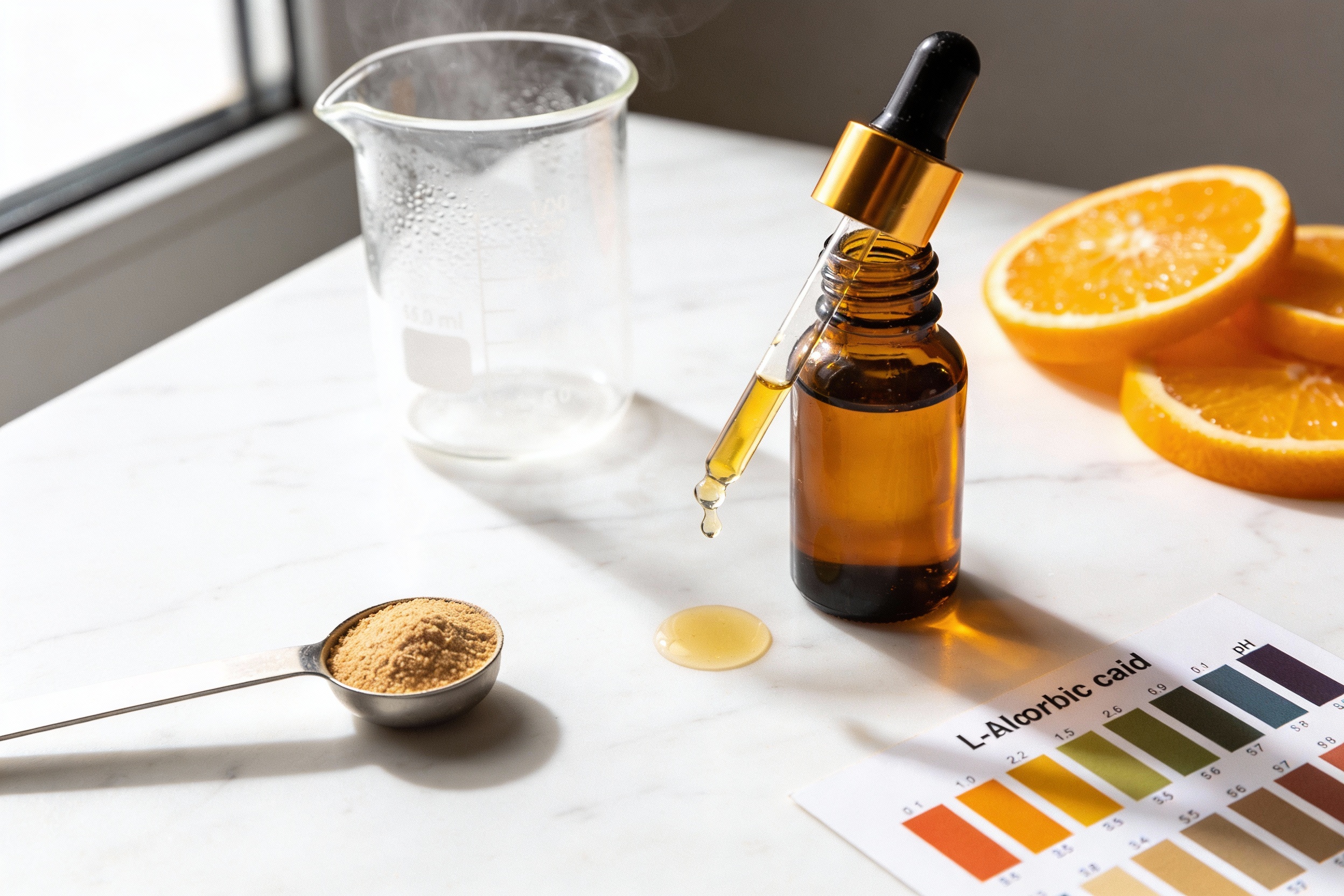
You don’t need a lab, just a clean setup and some patience. Here’s the safe starter kit:
- Powdered L-Ascorbic Acid (cosmetic-grade)
- Distilled water (no tap water, please)
- Humectant like glycerin or propanediol (adds slip and reduces irritation)
- Optional stabilizers: ferulic acid and vitamin E (Tocopherol). These boost stability and effectiveness.
- pH strips or a pH meter (non-negotiable with LAA)
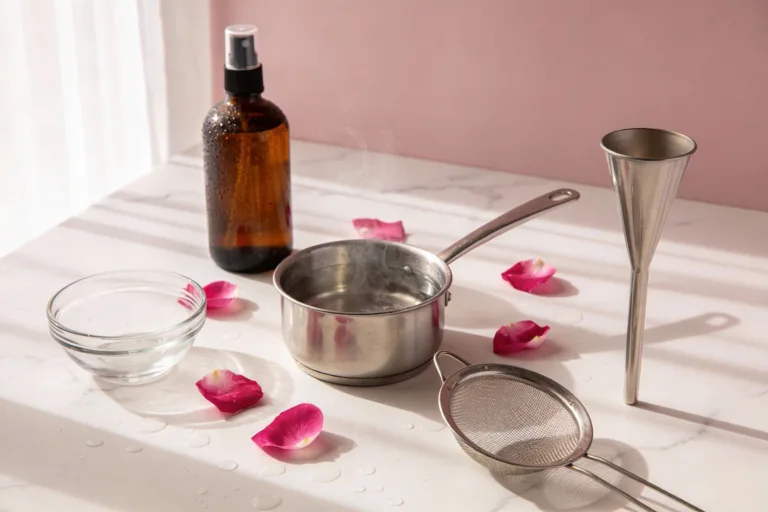
- Dark glass dropper bottle (amber or cobalt), sterilized
- Small funnel, measuring spoons or scale, and a mixing beaker
- Preservative if your formula contains water and you want to keep it longer than a week (e.g., Liquid Germall Plus or Leucidal, used per supplier directions)
Safe, Simple LAA Serum (Beginner Formula)
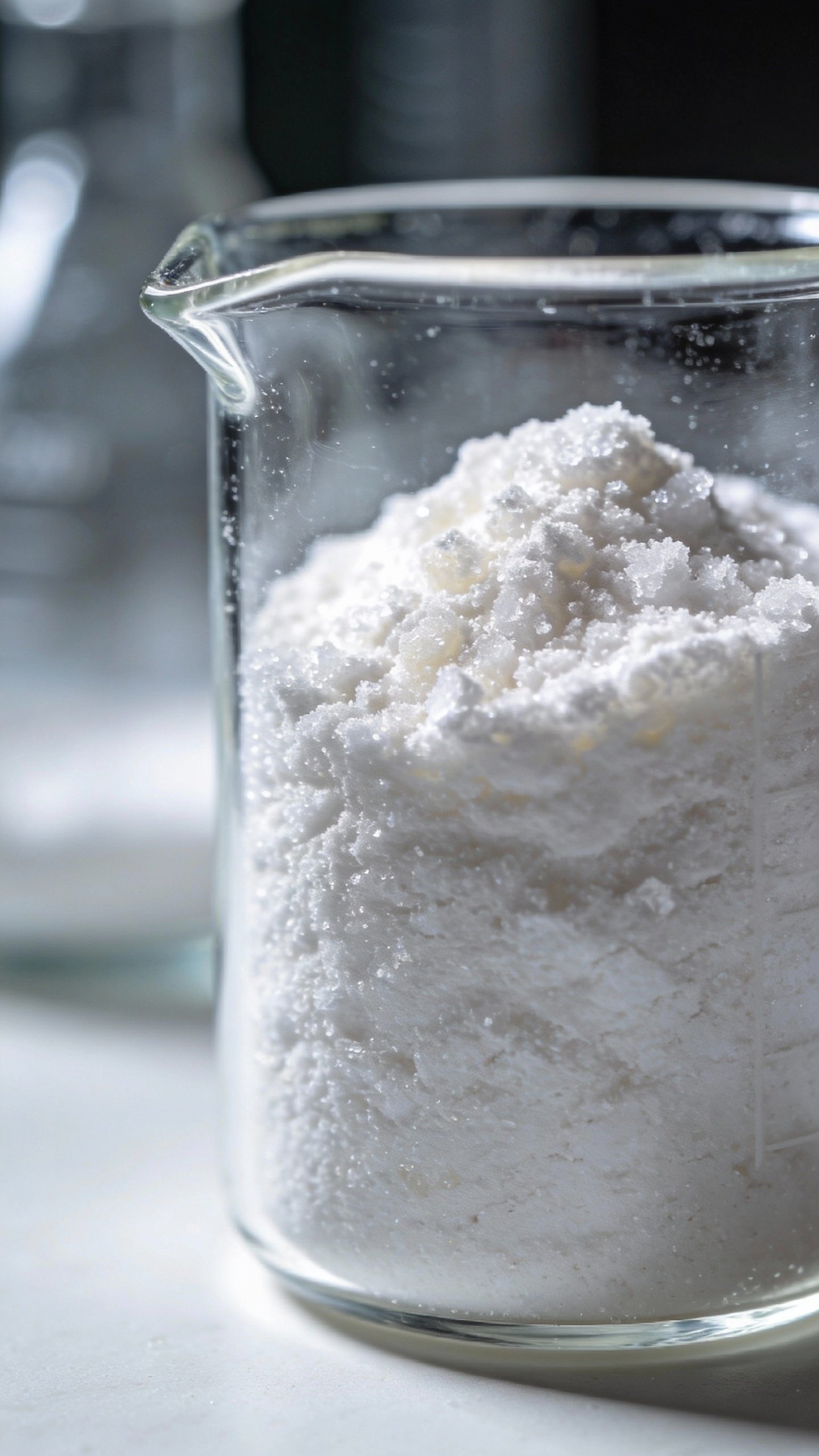
This gives you about 30 ml of 10% LAA serum. It’s simple, effective, and friendly to newbies.
Formula
- Distilled water: 18 ml
- Glycerin or propanediol: 9 ml
- L-Ascorbic Acid powder: 3 g (for 10%)
- Optional: Vitamin E (Tocopherol): 0.5 ml
- Optional: Ferulic acid: 0.3 g (helps stability; needs some alcohol or propanediol to dissolve)
- Preservative: per supplier guidance (usually 0.5–1%)
Steps
- Clean and sanitize your tools and bottle with rubbing alcohol. Let them air-dry.
- Mix your base: Combine distilled water and glycerin/propanediol in a beaker.
- Dissolve LAA: Sprinkle the LAA powder into the base while stirring. Keep stirring until fully dissolved—no gritty bits.
- Add stabilizers: If using ferulic acid, pre-dissolve it in a small amount of propanediol or alcohol, then add it. Add vitamin E last and mix well.
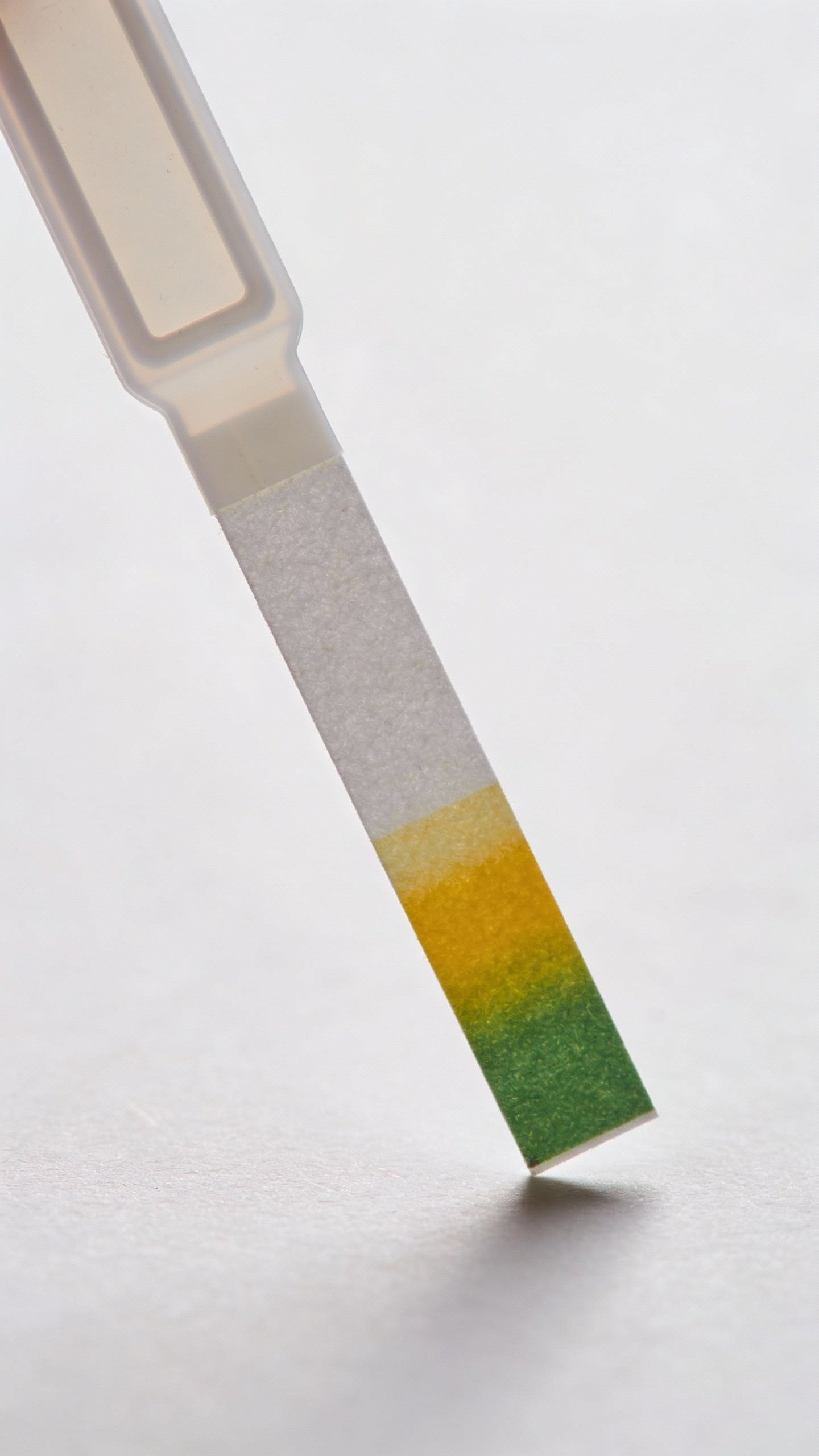
- Check pH: LAA works best around pH 3.0–3.5. If it’s higher than 3.5, add the tiniest pinch of LAA and recheck. If it’s too low (below 2.8), add a few drops of distilled water and recheck.
- Add preservative according to its usage rate. Stir again.
- Bottle it in your dark glass bottle. Label the date and concentration like the skincare nerd you are.
Why pH Matters
LAA needs acidic conditions to penetrate. Too high pH = weak results. Too low pH = potential irritation. The sweet spot keeps your skin happy and your serum effective. FYI: pH also shifts over time, which is why small batches rule.
How to Use It Without Annoying Your Skin
Use it smart, not just often. More isn’t better if your face stages a protest.
- Patch test first. Apply behind the ear or on the jawline for 2–3 days.
- Apply at night or morning? Either works. Morning gives antioxidant protection under sunscreen. Night is gentler if you’re sensitive.
- Order matters: Cleanse → LAA serum → moisturizer → sunscreen (AM). Keep actives simple on LAA days.
- Frequency: Start 2–3 times per week. Move to daily if your skin cheers.
- Avoid stacking: Skip strong exfoliants (AHAs/BHAs) and retinoids in the same routine when you’re new to vitamin C. Build tolerance first.
How Much Should You Use?
A few drops. That’s it. Your face is not a salad. Too much can pill under moisturizer and increase irritation.
Storage, Shelf Life, and Oxidation (Aka The Drama)
Vitamin C oxidizes when it hits air, heat, and light. You can slow it down, not stop it.
- Use dark glass and keep the bottle tightly closed.
- Store in the fridge to extend freshness. It’ll feel nice, too.
- Make small batches: 2–4 weeks’ worth, tops. Without a preservative, aim for 1–2 weeks.
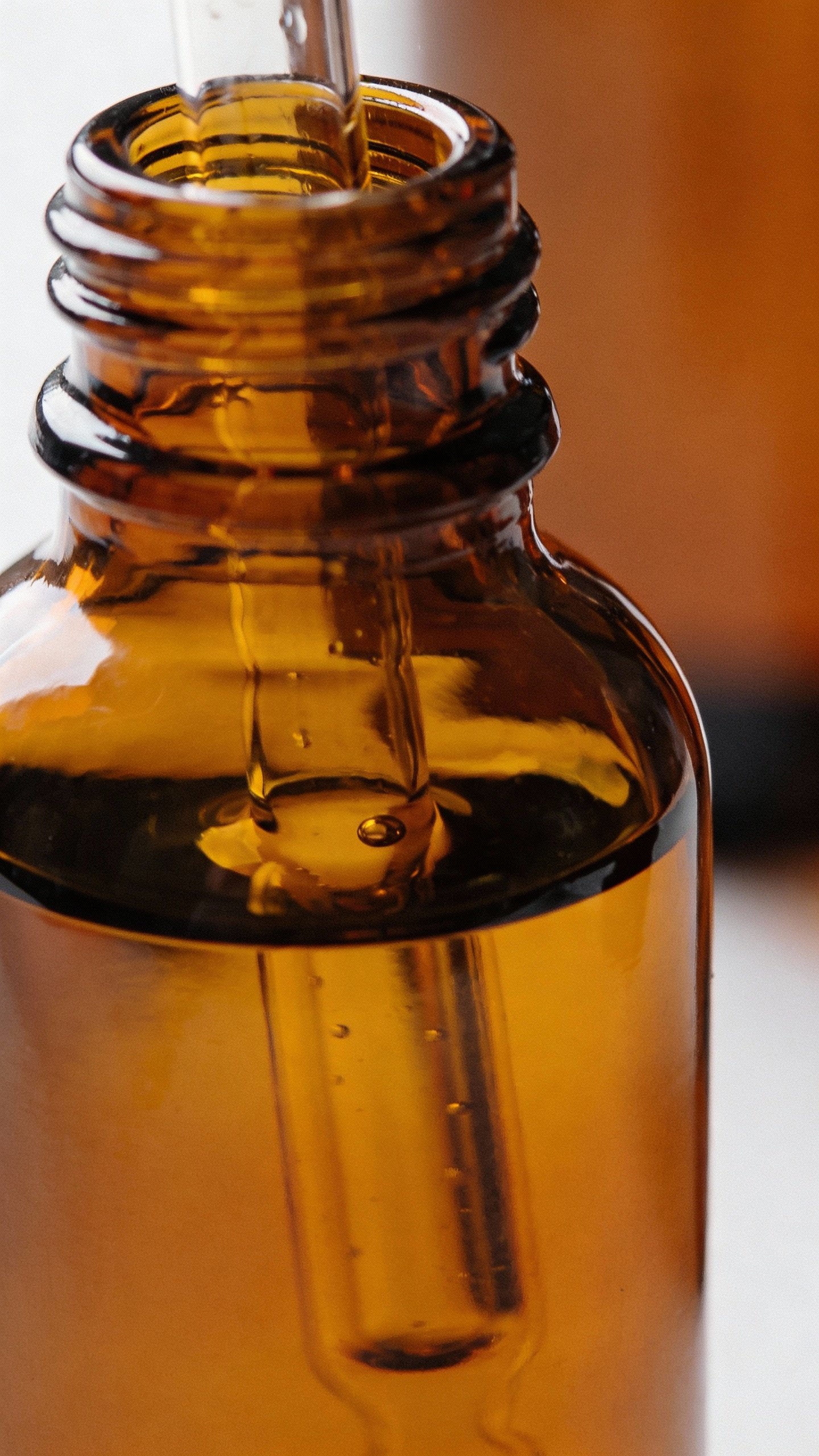
- Watch the color: Fresh LAA serum looks clear to pale straw. If it turns deep yellow or orange, it oxidized. Retire it.
Quick Stability Boosters
- Ferulic acid + Vitamin E combo helps keep LAA happy and improves performance.
- Lower temps and smaller headspace in the bottle reduce oxidation.
- Airless or pump packaging beats droppers, IMO, if you can source it.
Gentle Alternatives If LAA Feels Spicy
If your skin says “nope,” switch forms. Here’s a beginner-friendly version.
Simple SAP Serum (Sensitive-Skin Option)
- Distilled water: 22 ml
- Glycerin or propanediol: 7 ml
- Sodium Ascorbyl Phosphate: 1.5–3 g (for ~5–10%)
- Preservative: per supplier guidance
Steps: dissolve SAP into the water/glycerin mix, check pH around 6–7, add preservative, bottle, and store cool. SAP doesn’t need a super acidic pH, which makes skin happier.
Troubleshooting: When Things Get Weird
Stuff happens. Let’s fix it.
- Gritty texture: Your LAA didn’t fully dissolve. Stir longer or warm the beaker in a shallow water bath (not hot!).
- Stings like crazy: Lower your concentration, increase glycerin slightly, or switch to SAP/MAP. Also check that pH isn’t below 3.
- Oxidizes fast: Smaller batches, more ferulic/Vit E, colder storage, and less air exposure.
- Pills under makeup: Use less product, let it absorb fully, or reduce glycerin.
FAQ
Can I use tap water instead of distilled?
You can, but I wouldn’t. Minerals and microbes mess with stability and safety. Distilled water keeps your formula consistent and less gross.
Do I need a preservative?
If your serum contains water and you plan to keep it longer than a week, yes. A preservative guards against bacteria and mold. It doesn’t stop oxidation—that’s a separate issue—so still store it cold and small.
Will vitamin C make me sun sensitive?
Vitamin C itself doesn’t increase photosensitivity. In fact, it offers antioxidant protection. But because low pH can irritate, pair it with sunscreen during the day. You’ll thank yourself later.
Can I mix vitamin C with niacinamide?
Modern versions play fine together for most people, especially at skin-friendly pH and room temp. If your skin gets fussy, separate them: vitamin C in the morning, niacinamide at night. Easy.
How do I know it’s working?
Look for brighter tone, fewer dark spots, and smoother texture within 4–8 weeks. If nothing happens after 8–10 weeks, increase concentration slightly (within tolerance) or switch to a different form.
What’s the maximum concentration I should try?
Most folks top out around 15–20% LAA. Higher often means more irritation without better results. Start low, go slow, and listen to your face—not your FOMO.
Conclusion
DIY vitamin C serum can absolutely hang with the fancy bottles—if you keep it fresh, acidic (pH 3–3.5), and stored cold. Start with 5–10%, patch test, and don’t hoard giant batches. If LAA yells at your skin, grab SAP or MAP and keep glowing. FYI: Consistency beats intensity. Make it simple, make it small, and let your skin do the flexing.