How to Store Homemade Toners Safely and Keep Them Fresh
You finally nailed that DIY toner recipe—no sticky residue, no weird smell, and your skin loves it. Now the big question: how do you keep it fresh and safe so it doesn’t morph into a petri dish? Good news: with a few simple habits, you can store your homemade toners like a pro and actually finish the bottle before it goes funky. Let’s keep your skin happy and your fridge not terrifying.
Know Your Toner: Water, Acids, Oils—What’s Inside Matters
Not all toners behave the same. What’s in your formula decides how you store it. Water-based toners (think hydrosols, aloe juice, green tea) need stricter handling than alcohol-heavy ones. Why? Water invites microbes to the party.
Common toner types and what they mean for storage:
- Water-based toners (hydrosols, aloe, tea): Highest contamination risk. Short shelf life.
- Acidic toners (with AHA/BHA, vitamin C): Better at resisting growth, but still need care.
- Alcohol-based toners (witch hazel with alcohol): More self-preserving, but can evaporate and degrade actives.
- Oil-in-water toners/essences (with emulsifiers): Tricky; oils can oxidize, and water still needs protection.
Quick rule of thumb
If your toner is mostly water and you didn’t add a proper preservative, treat it like fresh food. Use fast. Store cold. Don’t hoard.
Sanitize Like You Mean It
Even the best formula fails if you introduce gunk from the get-go. Clean tools = longer shelf life. I know it’s boring. Do it anyway.
Before you start, do this:
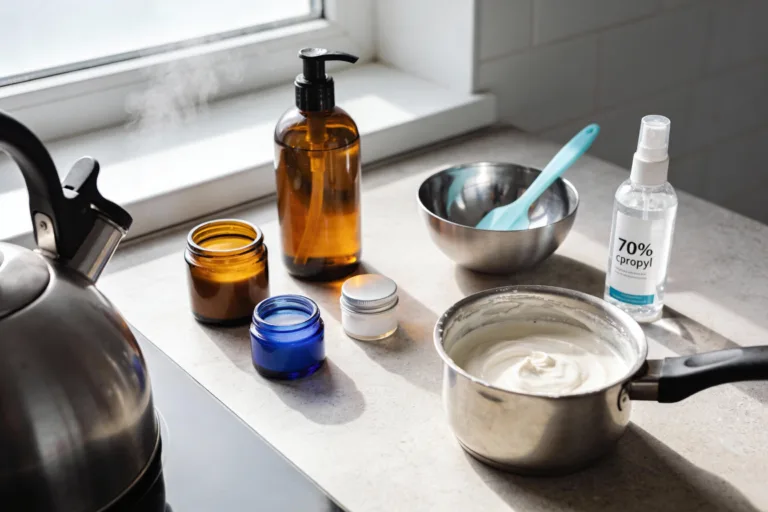
- Wash hands, tools, and containers with hot, soapy water.
- Rinse with distilled water to remove minerals and residues.
- Sanitize using 70% isopropyl alcohol or ethanol. Let it air-dry—don’t wipe.
- Use distilled water only in your formula. Tap water adds mystery guests.
Container choice matters
Use glass or high-quality PET/HDPE plastic. Avoid reusing old cosmetic bottles unless you sanitize aggressively and replace droppers/pumps if they’re gunky. And yes, that cute mason jar invites contamination every time you open it.
The Right Containers: Dark, Tight, and Minimal Exposure
Light, air, and fingers mess with your toner. Choose containers that fight back.
Best picks, IMO:
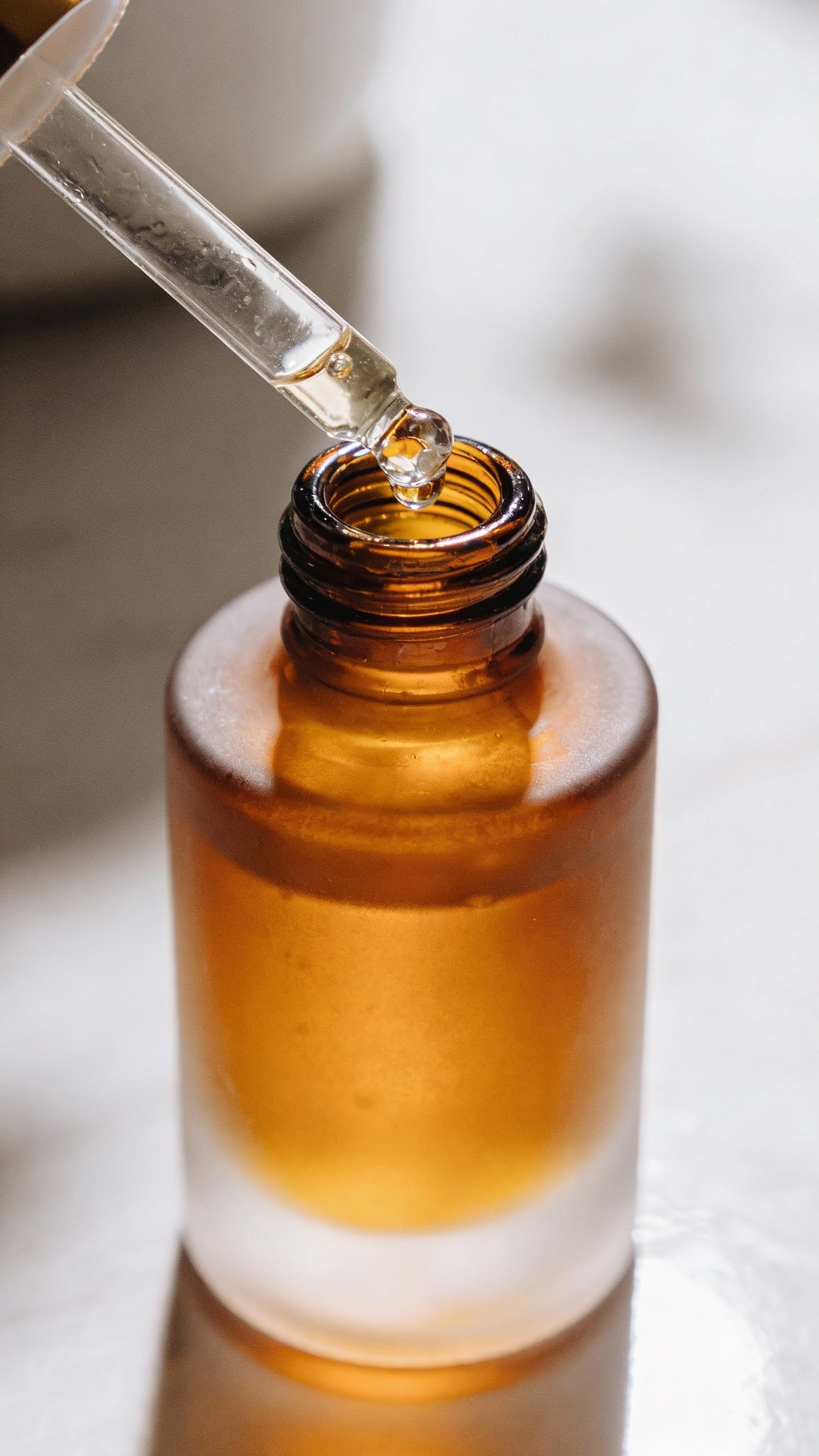
- Amber or cobalt glass bottles to block light and slow degradation.
- Pump or spray bottles to avoid dipping cotton pads or fingers.
- Small bottles (1–2 oz) so you open less and finish faster.
A note on droppers
Dropper bottles look chic but expose the formula to air every use. If you insist, keep them tiny and store the bulk in a separate, unopened container.
Temperature: Cool, Calm, and (Usually) Refrigerated
Heat speeds up spoilage and breaks down actives. You want cool and stable temperatures—nothing dramatic.
General storage guide:
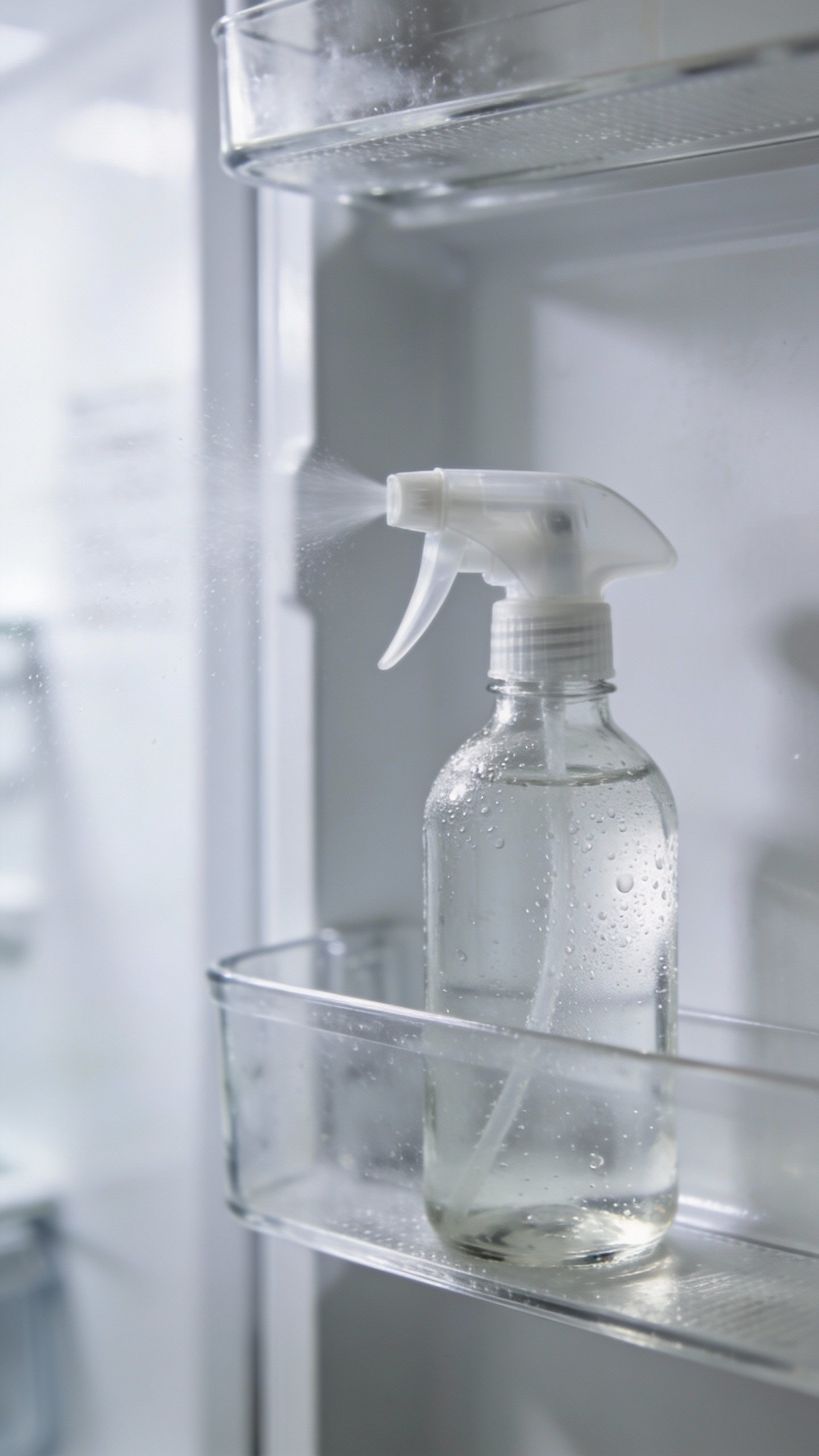
- Fridge for water-based toners without preservatives. They’ll feel amazing, too.
- Cool cabinet for preserved or alcohol-based toners (away from sunlight and steam).
- Avoid bathrooms—humid, warm, and basically a sauna for bacteria.
What about freezing?
Don’t. Freezing can separate ingredients, wreck emulsions, and mess with texture. Also, glass + freezer = chaos.
Preservatives: Yes, You Probably Need One
If water touches your formula, a preservative isn’t optional; it’s survival. Natural doesn’t mean unpreserved—microbes don’t care how wholesome your vibe is.
Beginner-friendly broad-spectrum preservatives:
- Geogard ECT (Benzyl Alcohol, Salicylic Acid, Glycerin, Sorbic Acid) – Works in pH ~3–8.
- Leucidal Complete or AMTicide + Leucidal – “Naturally derived,” but can be less reliable; test and use quickly.
- Phenoxyethanol + Ethylhexylglycerin – Common, effective, skin-friendly for most.
Always follow the supplier’s recommended usage rate and pH range. Measure by weight, not vibes.
pH matters for safety
Acidic toners (pH 3–4.5) resist some microbes better. Use pH strips or a meter to confirm. If you use AHAs, BHAs, or vitamin C, maintaining the right pH also protects performance.
Batch Size and Shelf Life: Smaller Wins
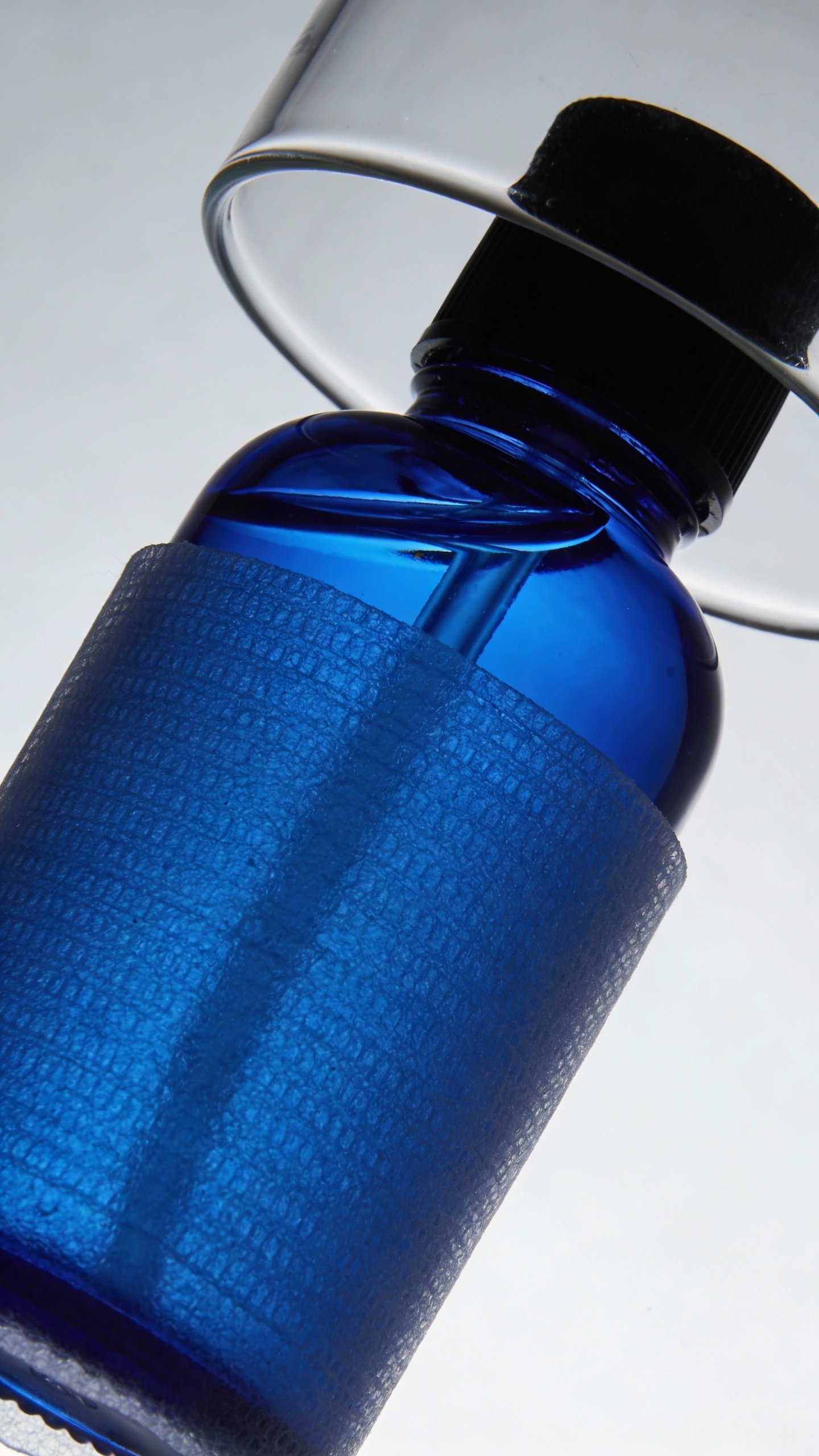
You don’t need a family-size bottle of cucumber water. Make less, more often. It stays safer and fresher.
Suggested timelines (assuming clean prep and proper storage):
- No preservative + fridge: 5–7 days max. Treat like fresh juice.
- With preservative + fridge: 8–12 weeks.
- With preservative + cool cabinet: 4–8 weeks.
- Alcohol-heavy toners: Up to 3–6 months, depending on formula and storage.
FYI: Add botanical extracts or juices and your shelf life often shrinks. Nature has baggage.
Label like you care
Write the formula, date, and expected use-by on the bottle. Future you will thank past you for the clarity.
How to Use Without Contaminating
You can store it perfectly and still ruin it on day two with grubby fingers. Let’s not.
Low-risk application tips:
- Spray directly onto clean skin or a clean cotton pad.
- Use a pump to dispense into your palm (clean hands only).
- Avoid dipping pads or fingers into jars or wide-mouth containers.
- Don’t top off bottles with fresh batch. Finish, wash, sanitize, then refill.
Red flags—ditch it if you notice:
- Cloudiness or separation that wasn’t there before
- Color shift or weird floaties
- New or sour smell
- Unexpected stinging or irritation
When in doubt, toss it. Your skin is not a science experiment. Well, not that kind.
Special Cases: Actives, Hydrosols, and Vitamin C
Some ingredients need extra love. Don’t let them bully your storage routine.
Hydrosols
Gorgeous but fragile. Keep them in the fridge, use a preservative if you plan to store longer than a week, and stick to spray tops. Even with good storage, make small batches.
Vitamin C (L-ascorbic acid)
Oxidizes fast. Store in amber glass, keep it cold, and make tiny batches (1–2 weeks). Consider derivatives (MAP, SAP, AA2G) if you want more stability, though they feel milder.
AHAs/BHAs
Watch the pH. Store airtight and away from heat. Too high a pH hurts performance; too low can irritate. And don’t mix acids with unstable botanical concoctions unless you like chaos.
FAQ
Can I skip preservatives if I refrigerate my toner?
You can, but only for a very short time. The fridge slows growth; it doesn’t stop it. If your toner has water, aim to use it within a week without a preservative.
Is essential oil enough to preserve my toner?
Nope. Essential oils smell nice, but they don’t protect against the full range of bacteria, yeast, and mold. They also can irritate skin in water-based formulas. Use a proper broad-spectrum preservative.
What’s the best bottle size for DIY toners?
Go small—1 to 2 ounces. Smaller bottles mean less exposure to air and hands, and you’ll finish them before quality drops. Keep extra batch in a sanitized backup bottle in the fridge if needed.
Do I need to sterilize or just sanitize?
Sanitize. True sterilization requires equipment most home crafters don’t have. Clean thoroughly with soap, rinse with distilled water, and sanitize with 70% alcohol. Let everything air-dry.
How do I know if my toner spoiled?
Trust your senses. Look for cloudiness, color changes, sediment, or a new odor. If your skin tingles in a not-cool way, or you see any floaties, ditch it. Better waste a few ounces than risk a breakout or infection.
Can I store toner in the bathroom?
You can, but I wouldn’t. Steam, heat, and fluctuating humidity are a contamination playground. Keep it in a cool cabinet or the fridge and bring it to the sink when you need it.
Conclusion
Storing homemade toners safely doesn’t require a lab coat—just clean tools, smart containers, and realistic timelines. Keep water-based mixes cold, use preservatives when you can, and make small batches. Label everything, trust your senses, and resist topping off half-empty bottles. Do that, and your toner stays fresh, your skin stays happy, and your fridge stays… only mildly chaotic. IMO, that’s a win.