The Lazy Girl Guide to How to Get Better Skin While Sleeping
You want better skin while you sleep? Same. Why grind through elaborate 10-step routines when your bed can do half the work? Nighttime is prime time for repair, renewal, and glow-ups. Let’s turn your pillow into a skincare ally and make your AM mirror check actually enjoyable.
Set the Stage: Your PM Cleansing Ritual
You can’t rebuild on a dirty foundation. Remove makeup, sunscreen, sweat, and whatever your face collected during the day. Go gentle but thorough.
- Double cleanse if you wore sunscreen or makeup: Start with an oil or balm, then follow with a water-based cleanser.
- Stick to lukewarm water: Hot water strips your barrier and makes your skin cranky.
- Pat dry, don’t scrub. Your face isn’t a casserole dish.
What if my skin freaks out easily?
Use a creamy, fragrance-free cleanser and skip exfoliating cleansers. If your skin feels tight after washing, your cleanser’s too harsh. Swap it.
Night Actives: The Power Players
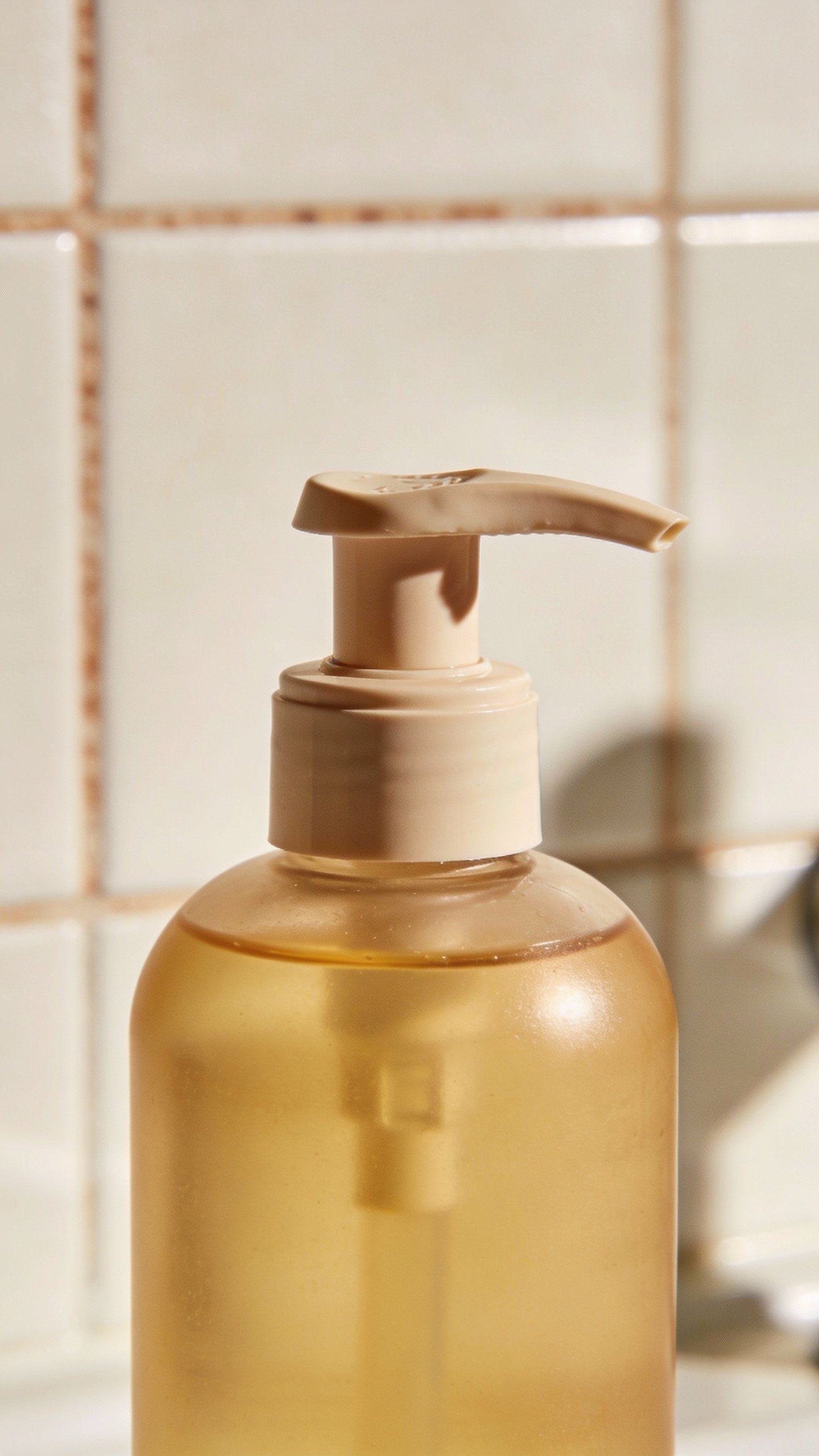
Night is when your skin repairs, so bring in the heavy hitters. You don’t need everything. Just pick the right active for your goal and rotate.
- Retinoids (retinol, retinal): Boost cell turnover, soften lines, clear congestion. Start 2-3 nights a week and buffer with moisturizer if you feel sensitive.
- AHAs/BHAs: Exfoliate and smooth. AHAs (glycolic, lactic) brighten; BHAs (salicylic) decongest pores. Use on alternate nights with retinoids.
- Niacinamide: Calms redness, shrinks the look of pores, strengthens the barrier. Plays nice with basically everyone.
- Peptides: Think “support crew” for firmness. They won’t replace retinoids, but they help.
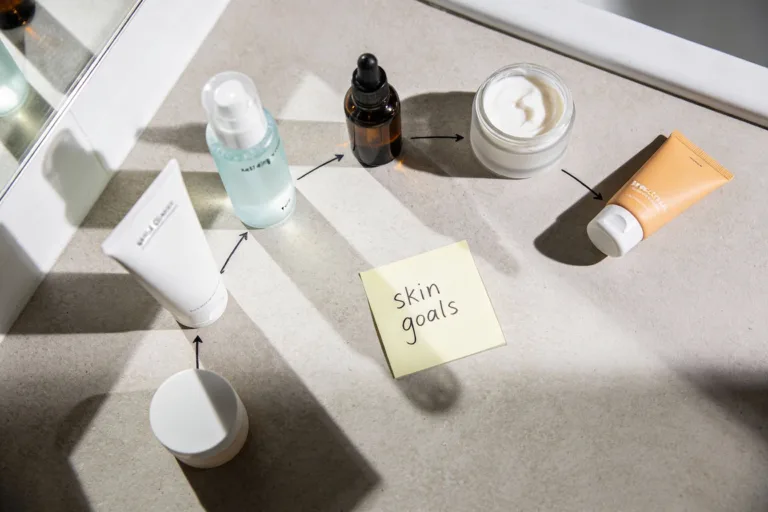
Simple night routine framework
- Cleanse
- Treat (pick one: retinoid OR exfoliant OR niacinamide/serum stack)
- Moisturize
- Optional occlusive (more on this below)
Moisturizer: Seal the Deal
Hydration makes everything else work better. Your skin loses water overnight, so give it a comfy blanket.
- Humectants (glycerin, hyaluronic acid): Pull in water and plump.
- Emollients (squalane, triglycerides): Smooth and soften.
- Occlusives (petrolatum, shea): Lock it all in.
Pick the right texture
- Oily/combination: Lightweight gel-cream with glycerin and squalane.
- Normal: Cream with ceramides and hyaluronic acid.
- Dry/sensitive: Rich cream with ceramides, cholesterol, and petrolatum.
Slugging (strategically)
You can apply a thin layer of occlusive (like petrolatum) as the last step. Great for dry areas or winter nights. Avoid if you’re acne-prone, or just spot-slug on cheeks and under eyes. FYI: shiny pillowcases are a risk.
Your Sleep Environment: Quietly Powerful

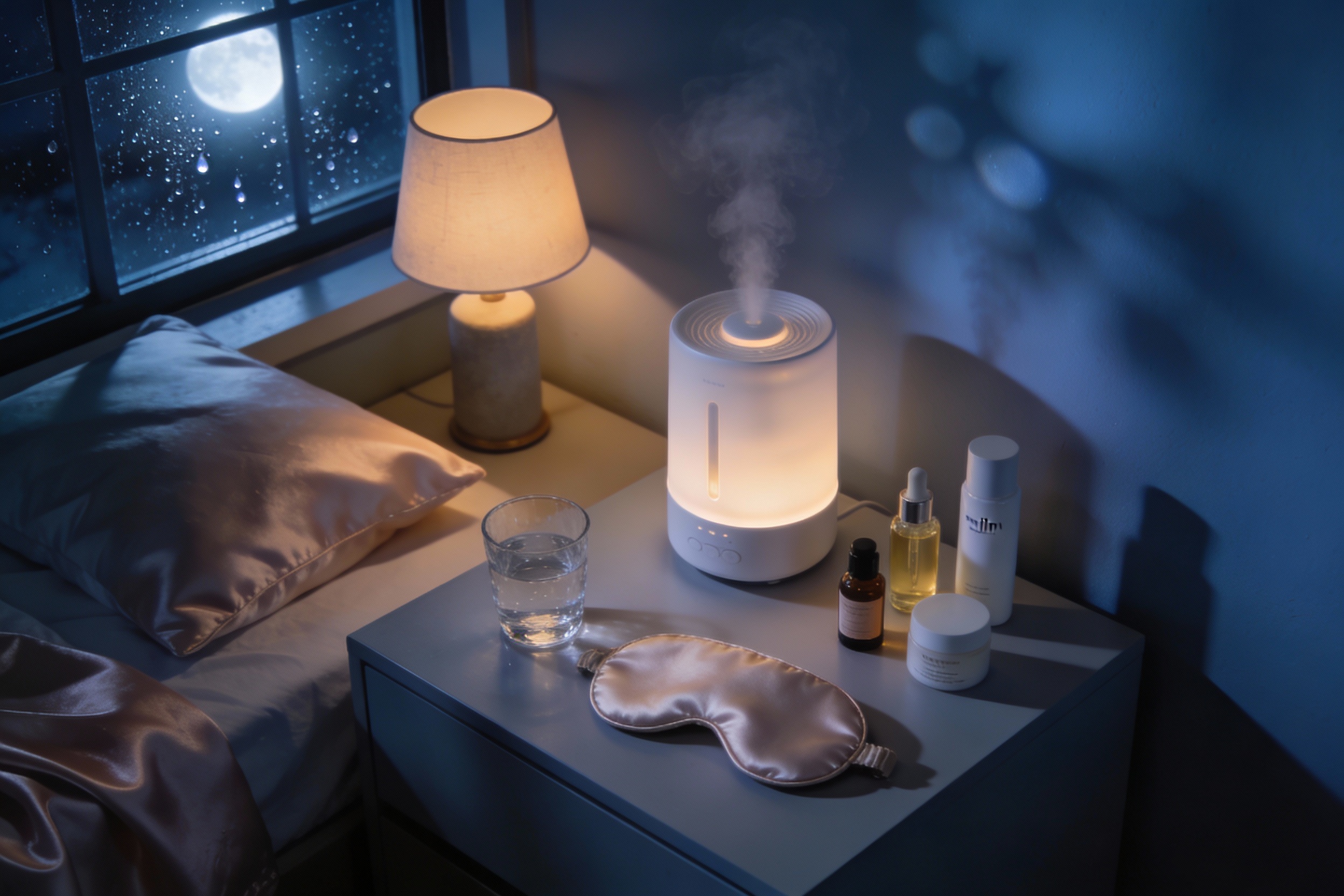
Your bedroom either helps your skin or sabotages it. Make it a mini-skin spa.
- Silk or satin pillowcase: Less friction, fewer creases, happier hair. Worth it IMO.
- Change pillowcases 2-3x/week: Oil and bacteria build up. Gross but true.
- Humidifier at 40–50%: Prevents overnight dehydration, especially in winter or air-conditioned rooms.
- Cool, dark room: You sleep deeper, and better sleep equals better skin recovery.
Back sleeping for the win
Smush-face sleeping can deepen lines over time. Try back sleeping or use a contoured pillow to reduce pressure. If you can’t, don’t stress—just upgrade your pillowcase and keep skin well moisturized.
Nutrition and Hydration: Your Quiet Allies
You don’t need a perfect diet, but your skin loves consistency.
- Evening hydration: Drink water with dinner, not right before bed (unless you love 3 a.m. bathroom sprints).
- Protein + healthy fats: Salmon, tofu, eggs, olive oil, nuts—great for skin repair overnight.
- Colorful plants: Berries, leafy greens, tomatoes = antioxidants for less dullness.
- Limit booze late: Alcohol dehydrates and inflames. One glass? Fine. Three? Your skin will snitch tomorrow.
Timing Matters: When to Apply What
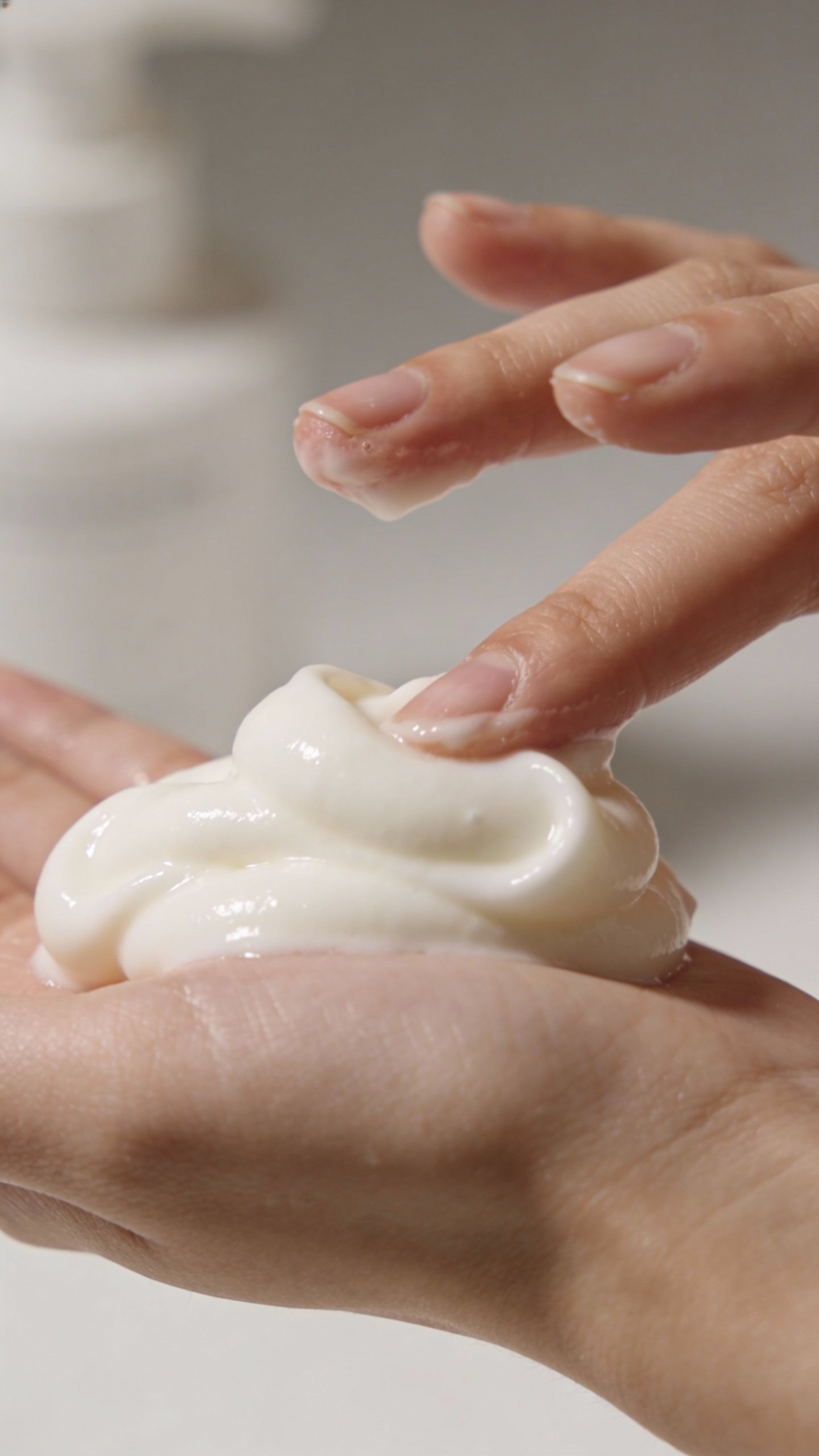
Stack your routine to match your evening flow. No need to complicate it.
- Right after cleansing: Apply treatments on slightly damp skin for better penetration (unless your retinoid stings—then wait till dry).
- Moisturizer within 1–2 minutes: Trap that moisture fast.
- Occlusive last: Thin layer where you’re driest.
- Consistency beats perfection: 5 nights of simple beats 1 night of complicated.
Weekly rhythm
- Mon/Wed/Fri: Retinoid nights.
- Tue/Sat: Exfoliant or niacinamide/peptides.
- Thu/Sun: Barrier-repair only (ceramides, gentle moisturizer).
Don’t Skip: Under-Eye and Lips
These spots complain first when neglected.
- Under-eye: Look for peptides, caffeine (AM), or gentle retinoid (PM). Apply a rice-grain amount. Tap, don’t tug.
- Lips: Use a thick balm with lanolin, petrolatum, or shea. Overnight lip masks are basically fancy balms, FYI.
Behavior Upgrades That Show on Your Face
Yes, the boring stuff works. Sorry.
- Sleep 7–9 hours: Your skin does its repair shift while you snore. Shortchange sleep and you’ll see it—fast.
- Manage stress: 5 minutes of breathwork, journaling, or a short walk after dinner calms inflammation. Cheap and effective.
- Avoid late-night sugar bombs: High sugar spikes can worsen breakouts and dullness. Not forever—just not nightly.
Build a Barrier-First Mindset
Your skin barrier acts like a bouncer. If it’s solid, you glow. If it’s frazzled, everything stings and flakes.
- Watch for over-exfoliation: Redness, tightness, sudden breakouts = scale back.
- Use ceramides, cholesterol, fatty acids: These rebuild the barrier. Think “skin glue.”
- Fragrance-free if you’re sensitive: Cute scents don’t equal happy skin.
Signs your routine works
Smoother texture, makeup sits better, fewer “angry” spots, and less tightness. Give it 4–6 weeks. Skin timelines move slower than our attention spans, IMO.
FAQ
Can I use retinol and an acid on the same night?
You can, but most people do better alternating. Using both can irritate, which slows progress. If you insist, use a super gentle lactic acid, then a low-strength retinoid, and buffer with a rich moisturizer.
Do I need an expensive night cream?
Nope. Look for ceramides, glycerin, squalane, and petrolatum on the label. Formula > price tag. If your skin feels comfy in the morning and doesn’t look shiny-greasy, you nailed it.
What about overnight masks?
They’re great as an occlusive, hydrating topper. Use them 1–3 times a week, especially in dry climates or after exfoliant nights. If they cause breakouts, switch to a lighter gel-cream and spot-occlude dry zones only.
I’m acne-prone. Will heavier creams break me out?
Not necessarily. Look for non-comedogenic labels and ingredients like niacinamide, azelaic acid, and lightweight esters. Avoid coconut oil on the face. Keep an eye on your pores—adjust if congestion increases.
How long until I see results?
Hydration boosts show overnight. Texture and tone improvements from retinoids or acids take 4–12 weeks. Take a selfie under the same lighting every two weeks. Progress loves receipts.
Should I wash my face in the morning?
Usually yes, but gently. A quick cleanse or micellar water removes night products and sweat. If you’re super dry, splash with lukewarm water and go straight to moisturizer and sunscreen.
Conclusion
Your skin loves a calm, consistent night routine and a bedroom that helps it heal. Cleanse well, pick one smart active, moisturize like you mean it, and keep your pillow situation clean and comfy. Do that most nights and you’ll wake up with skin that behaves—and maybe even brags a little.