How to Repair Skin After Years of Sun Exposure Fast
Sun worship now regrets? Same. Years of UV love leave receipts: fine lines, spots, rough patches, and that “why does my skin feel like parchment?” situation. The good news: skin forgives when you treat it right. You can absolutely rebuild glow, firmness, and smoothness—with strategy, not guesswork. Let’s fix what the sun tried to steal.
First, know what the sun actually did
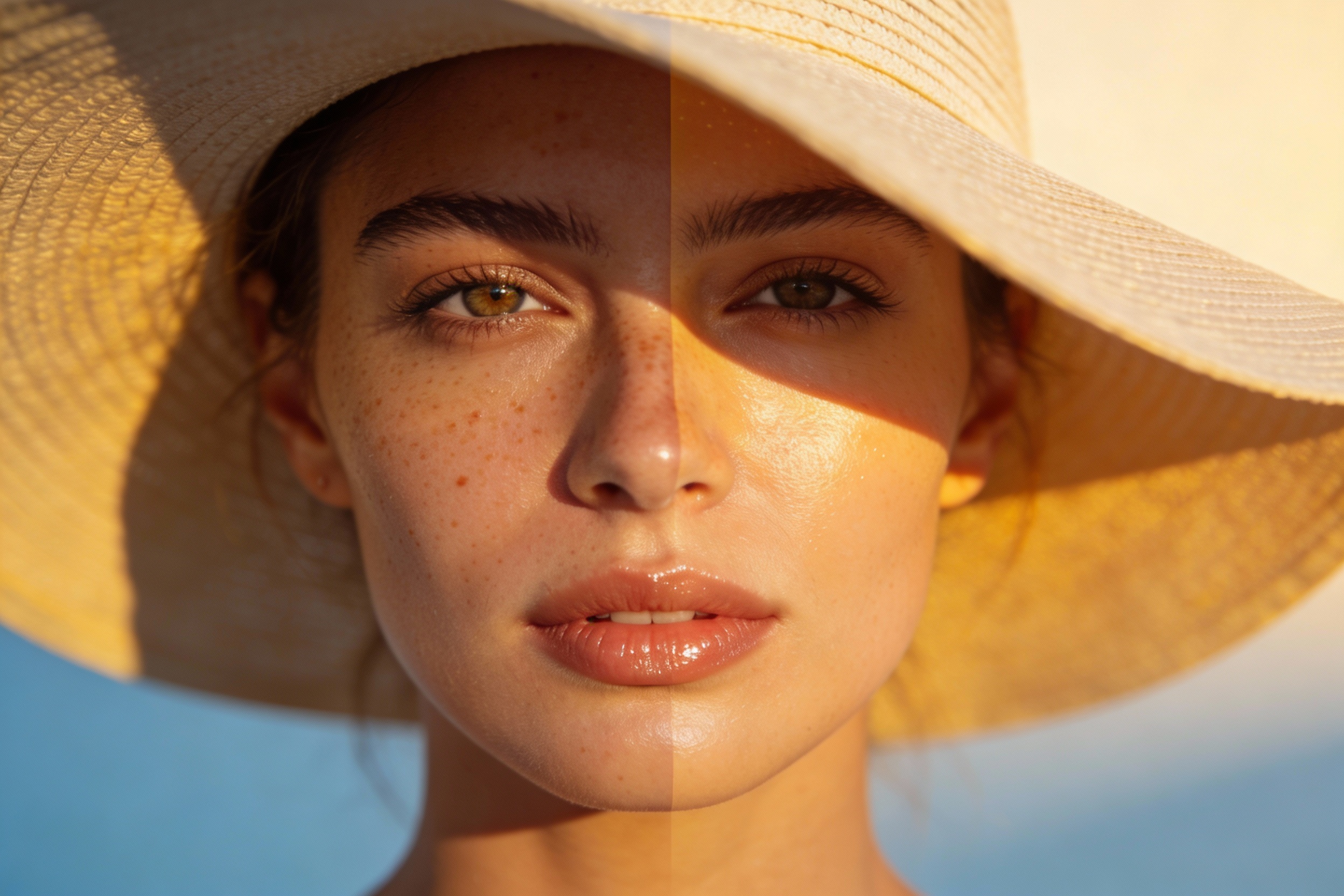
UV light didn’t just give you a tan. It broke down collagen, scrambled elastin, and fried pigment cells—aka the trifecta of aging and uneven tone. You might see fine lines, “freckles” that don’t fade, melasma patches, enlarged pores, broken capillaries, and that leathery texture.
Why care? Because different damage needs different tools. Texture needs exfoliation and collagen support. Dark spots need pigment control. Redness needs barrier repair and calm. Target like a pro, not like a shopping list.
Your non-negotiables: sunscreen and barrier repair
You can’t “reverse” sun damage if you keep getting new sun damage. That’s like mopping while the sink still floods.
- SPF every morning: Broad-spectrum SPF 30+ (50 if you burn easily). Reapply every 2 hours outdoors.
- Use enough: Two finger-lengths for face and neck. Yes, that much.
- Upgrade your protection: Look for zinc oxide or modern filters (like Tinosorb) plus antioxidants. Hats and shades help too.
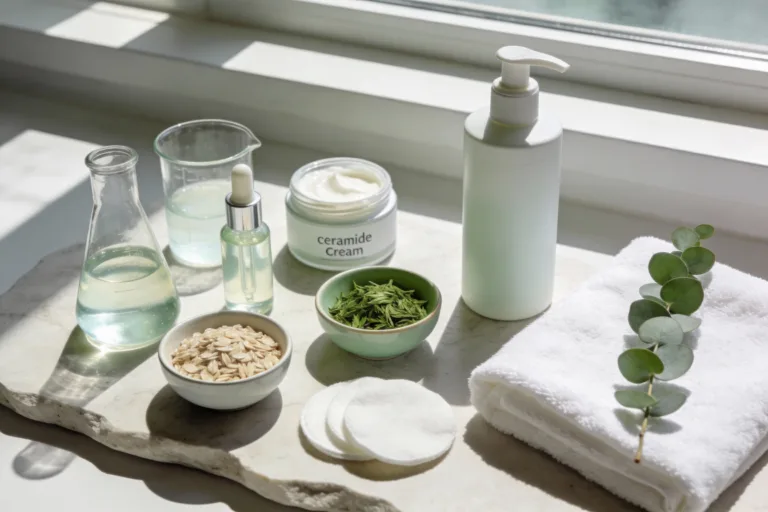
- Repair your barrier nightly: Ceramides, cholesterol, fatty acids, squalane. If your skin feels tight or stings easily, it needs barrier TLC ASAP.
What a simple AM/PM routine looks like
- AM: Gentle cleanse (or just rinse), antioxidant serum, moisturizer, sunscreen.
- PM: Cleanse, treatment (retinoid or acids, not both at once if you’re sensitive), barrier-heavy moisturizer.
Retinoids: your MVP for texture and wrinkles
Retinoids boost collagen, increase cell turnover, and smooth fine lines. They also fade spots over time. They’re the one thing I’d recommend universally, IMO.
- Start slow: 1-2 nights per week, then go up as your skin adjusts.
- Pick your player:
- Over-the-counter: Retinol or retinaldehyde (retinal works faster than retinol).
- Prescription: Tretinoin or adapalene for stronger results.
- Buffering works: Moisturizer before and after reduces irritation without killing results.
Signs it’s working vs. overdoing it
- Working: Slight dryness/peeling at first, smoother texture in 6-8 weeks, brighter tone.
- Overdoing: Burning, excessive peeling, red patches. Back off, load up on barrier creams, try every-other-night.
Even out sun spots and discoloration
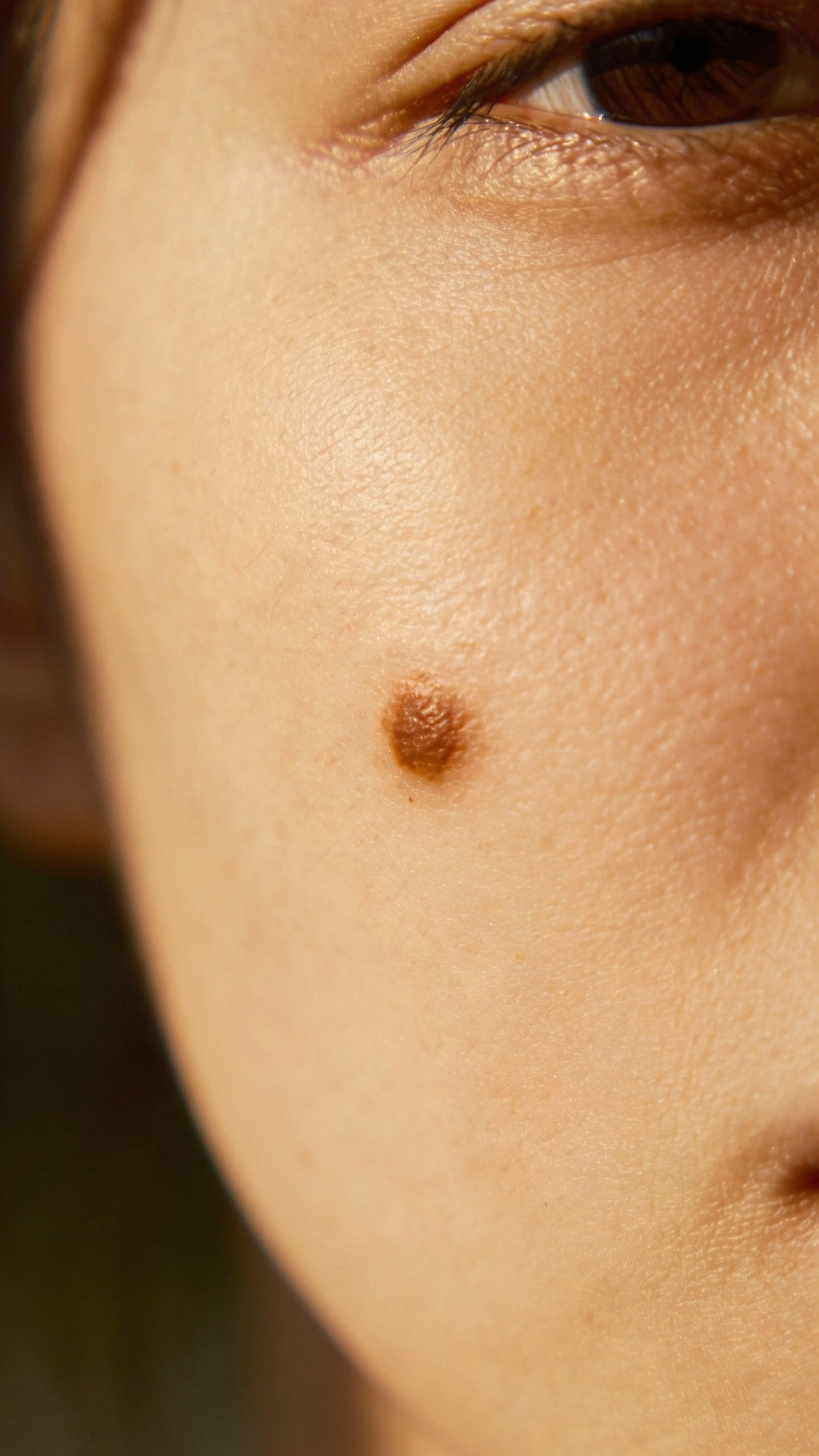
You have options beyond praying to the pigment gods. Combine a sunscreen obsession with pigment regulators.
- Vitamin C (L-ascorbic acid 10–20%): Brightens, supports collagen, boosts sunscreen. Use in the morning.
- Niacinamide (4–10%): Calms, reduces redness, helps with oil and uneven tone. Plays nice with most things.
- Azelaic acid (10–15%): Great for redness, acne, and pigment. Gentle, underrated, iconic.
- Tranexamic acid (2–5%): Targets stubborn melasma and sun spots. Slow but reliable.
- Arbutin, kojic acid, licorice root: Solid supporting cast for brightening.
When to consider hydroquinone or in-office lasers
- Hydroquinone (4%): Potent and effective for spots; use in cycles with derm guidance.
- Laser/IPL: Zaps brown spots and redness fast. Needs strict post-care and SPF zealotry afterward.
Exfoliate smarter, not harder
Sun-damaged skin already sits on the sensitive side. Over-exfoliating just breaks the barrier more. Let’s be strategic.
- AHAs (glycolic, lactic, mandelic): Smooth texture, fade spots. Start 1-2x weekly.
- BHAs (salicylic): Great for clogged pores and roughness from forehead to chest.
- PHAs: Gentle option if everything burns.
- Skip the scrubby scrubs: Sugar and walnut shells belong in muffins, not on faces.
Peels vs. at-home acids
- At-home acids: Slow and steady wins. Great for maintenance.
- Professional peels: Faster results for texture and spots. Choose glycolic, TCA, or Jessner’s with a pro who respects your barrier.
Build collagen like it’s your side hustle
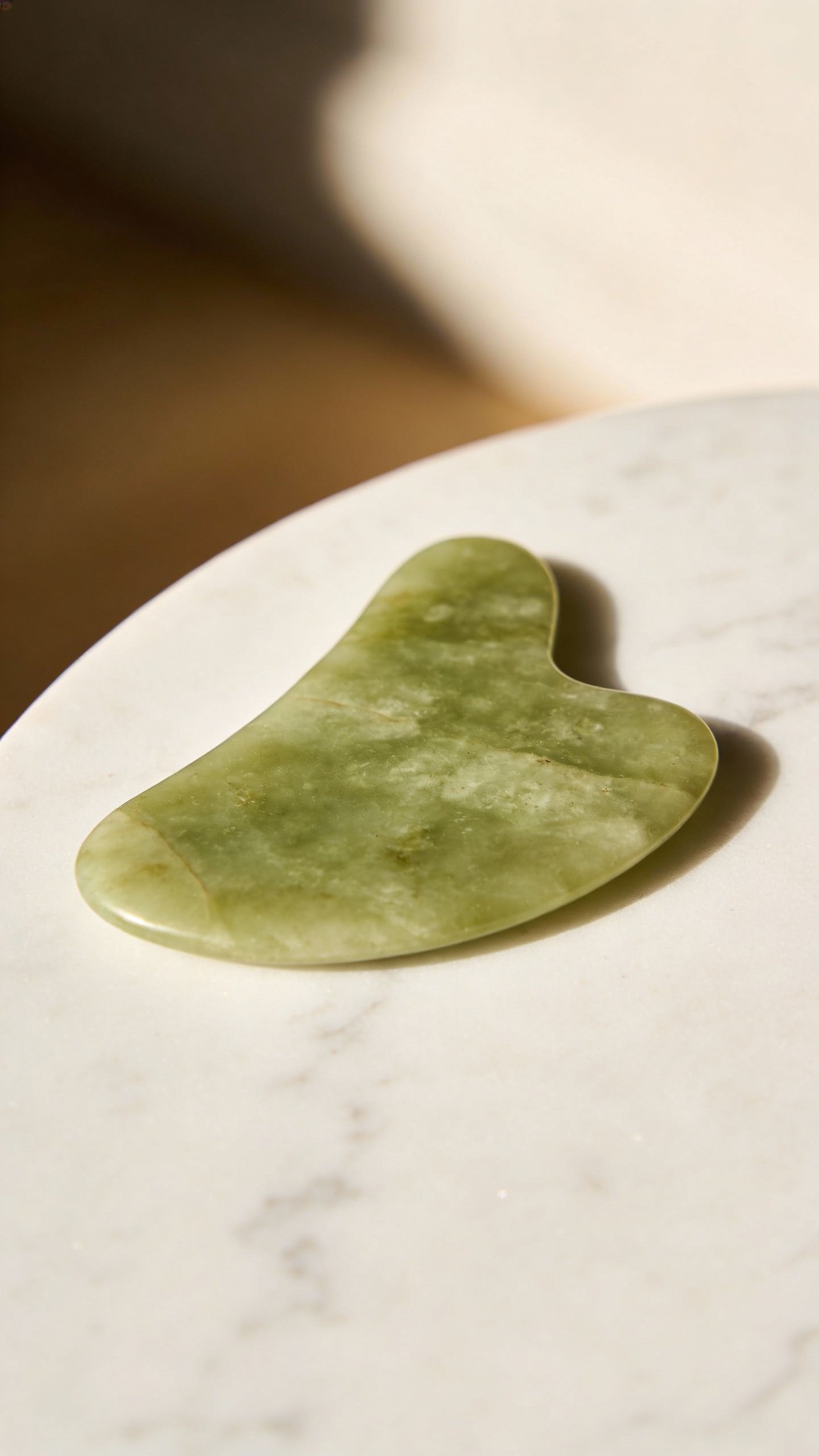
UV wrecked collagen; now we rebuild. This takes months, but the payoff is real.
- Retinoids: Already covered, still king.
- Vitamin C + sunscreen: Dynamic duo for protecting existing collagen.
- Peptides: Not magic, but helpful for signaling repair. Look for copper peptides or matrixyl blends.
- Microneedling (pro or at-home with caution): Promotes collagen. Professional depth gets real results; at-home rollers must be clean and shallow.
- In-office options: Fractional lasers, RF microneedling, and ultrasound (like Ultherapy) for lifting and smoothing. Expensive but effective.
Don’t forget the neck, chest, and hands
Apply everything—sunscreen, antioxidants, retinoids—down to the chest and onto the backs of hands. These areas age first and tattle on you at brunch.
Hydration and lifestyle upgrades that actually matter
Skincare isn’t just bottles. Your daily habits either help or sabotage your glow.
- Moisturize intelligently: Layer humectants (glycerin, hyaluronic acid) under occlusives (squalane, petrolatum) to trap water.
- Omega fats: Eat salmon, walnuts, or add an algae-based omega-3. Skin barrier claps.
- Antioxidant-rich diet: Berries, leafy greens, olive oil, green tea. UV generates free radicals; you fight back from the inside too.
- Sleep and stress: Boring advice that works. Cortisol messes with healing.
- No tanning beds: FYI, they’re basically wrinkle factories with membership plans.
Sample routine for the first 12 weeks
- Weeks 1–4:
- AM: Vitamin C + niacinamide, moisturizer, SPF 50.
- PM: Retinoid 2x/week, azelaic acid or tranexamic on off nights, barrier cream nightly.
- Exfoliate with AHA 1x/week.
- Weeks 5–8:
- Increase retinoid to 3–4x/week if happy.
- AHA 1–2x/week. Keep SPF militant.
- Weeks 9–12:
- Consider pro peel or microneedling session if you want faster progress.
- Hold steady and reassess: more brightening or more hydration needed?
What if your skin is sensitive or reactive?
You can still repair—just go gentle and avoid piling on actives.
- Start with barrier repair only for 2–3 weeks: ceramides, niacinamide 4–5%, petrolatum at night as a slugging “topper” 2–3x/week.
- Add one active at a time: Usually azelaic acid first, then retinal or a gentle AHA later.
- Patch test: Inner arm or behind ear for 3 nights before full-face.
FAQ
How long until I see results?
Texture can improve in 4–6 weeks. Pigmentation takes 8–12 weeks minimum. Collagen changes show around 3–6 months. Think marathon, not sprint. The biggest accelerator is consistent sunscreen, IMO.
Can I use vitamin C and retinoids together?
Yes, but most people prefer vitamin C in the morning and retinoids at night to reduce irritation and maximize benefits. If your skin tolerates them together, you do you. Just moisturize well.
Do I need fancy, expensive products?
Nope. You need effective formulas and consistency. Solid drugstore options can nail it: a gentle cleanser, a proven vitamin C, a retinoid, and a broad-spectrum SPF. Splurge on what you’ll actually use.
Is melasma fixable?
Manageable, yes; “cured,” not really. It loves to recur with heat and sun. Combine SPF obsession, gentle brighteners (tranexamic, azelaic), and consider derm-guided treatments. Avoid aggressive peels if you’re prone to melasma flares.
Are natural oils enough for repair?
Nice for softening, not enough on their own. Oils seal in moisture, but they don’t fade pigment or rebuild collagen. Pair them with actives and ceramide-rich moisturizers for real change.
Can I reverse wrinkles completely?
You can soften them a lot, but not erase them totally with topicals. Retinoids, peels, and lasers help. For deep lines, neuromodulators and fillers work fast—if you’re into that route.
Bottom line
You can’t undo every UV memory, but you can rewrite most of the story. Lock down sunscreen, rebuild your barrier, and add smart actives—retinoids, vitamin C, and targeted brighteners. Layer patience on top. Do that, and your skin goes from “sun veteran” to “glowy and thriving.” And yes, keep the hat. It’s chic now.