Your No-Panic Guide to How to Fix Stress-Related Breakouts
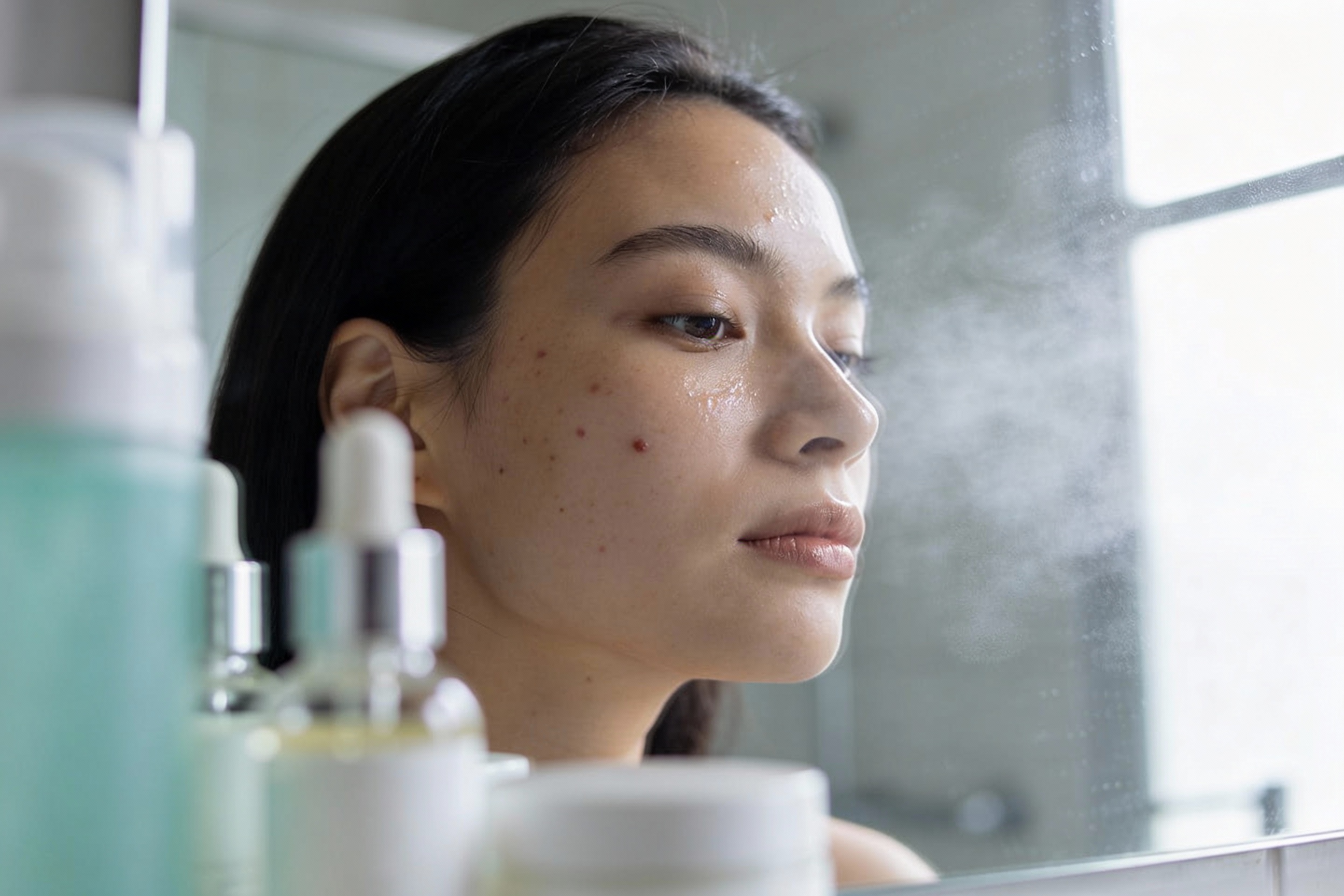
Stress hits, and boom—your face throws a tantrum. Pimples pop up before a big meeting or date like they received a calendar invite. If your skin seems to have its own anxiety spiral, you’re not imagining it. Let’s untangle why stress spawns breakouts and how to calm your skin (and your brain) so you can get back to glowing.
Why Stress Makes Your Skin Freak Out
When you stress, your body pumps out cortisol. Cortisol tells your skin to make more oil. More oil means clogged pores and new breakouts—love that for us, right?
It doesn’t stop there. Stress also messes with:
- Inflammation – Your immune system goes into drama mode, which can inflame acne.
- Barrier function – Your skin’s protective shield gets leaky, so irritants slip in.
- Healing speed – Pimples hang around longer because your skin repairs slower.
So yes, your skin mirrors your stress level. But we can outsmart it.
Fix Your Routine First (Keep It Simple)
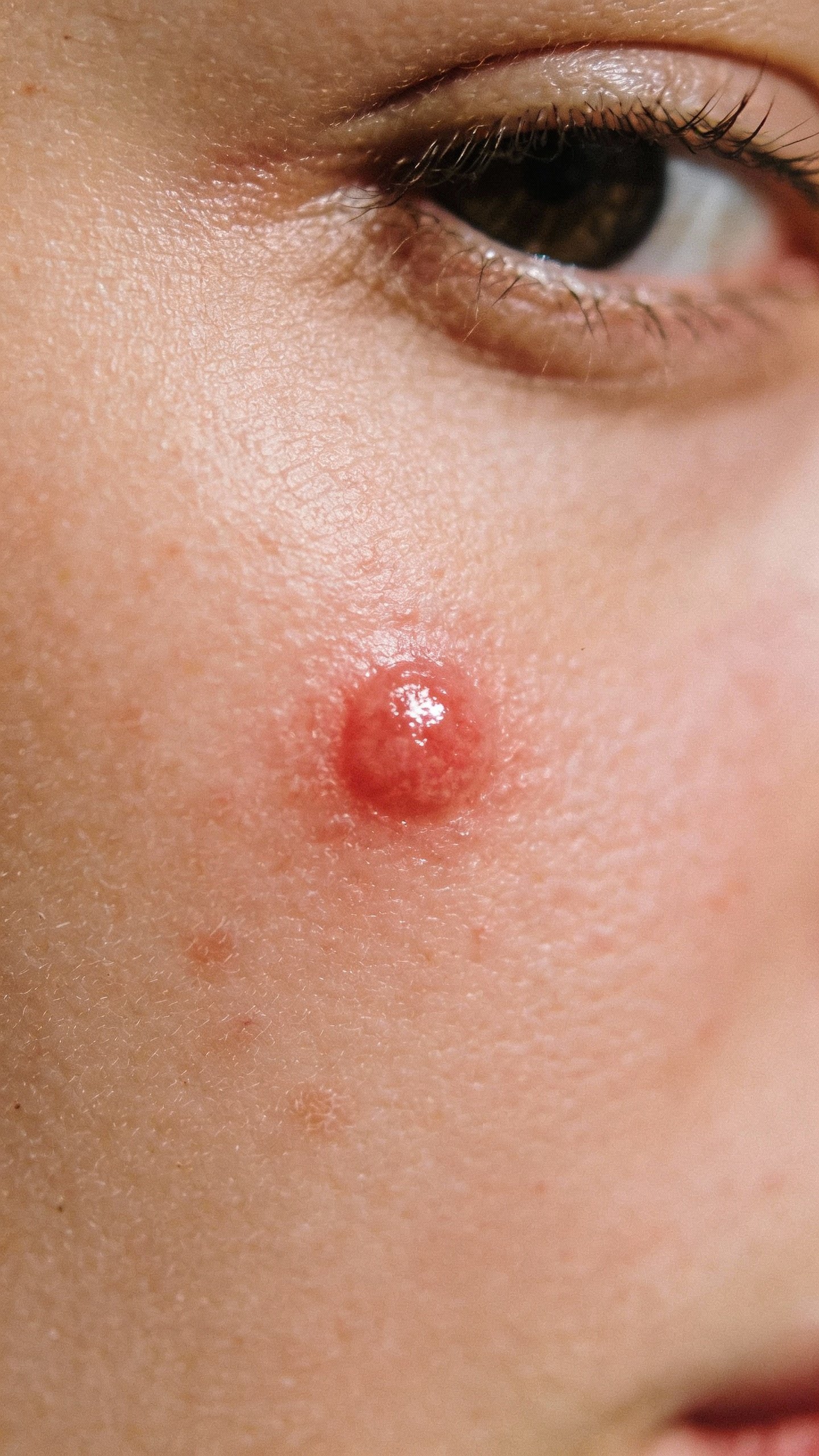
Your skincare routine should calm oil, clear pores, and reduce inflammation without wrecking your barrier. No 10-step chaos. Just these anchors:
- Cleanser (AM/PM): Use a gentle gel or cream cleanser. If you wear makeup or sunscreen, double cleanse at night.
- Treatment (PM): Pick one: salicylic acid (BHA), benzoyl peroxide, or adapalene (retinoid). Rotate if needed, but start slow.
- Moisturizer (AM/PM): Lightweight, non-comedogenic, with ceramides or glycerin to support the barrier.
- Sunscreen (AM): Broad-spectrum SPF 30+. Mineral formulas often play nicer with sensitive, stressed skin.
How to Layer Without Irritation
– Start with the gentlest base: cleanser → moisturizer → sunscreen (AM).
– Add treatment at night: cleanser → treatment → moisturizer.
– If your skin feels tight or stings, sandwich your treatment (moisturizer, then treatment, then moisturizer).
What to Avoid (Especially During Breakouts)
- Harsh scrubs – Micro-tears and more inflammation? Hard pass.
- Fragrance-heavy products – Irritation masquerading as “glow.”
- Mixing too many actives – Glycolic + retinoid + benzoyl peroxide = your face saying “why?”
Spot Treatments That Actually Work
We love a targeted attack. But do it smart.
- Benzoyl peroxide (2.5–5%) kills acne-causing bacteria. Use as a thin layer on acne-prone areas, not just single zits.
- Salicylic acid (0.5–2%) unclogs pores. Use as a spot treatment or a short-contact mask.
- Adapalene (0.1%) keeps pores clear long-term. Think prevention, not instant magic.
- Hydrocolloid patches protect and flatten whiteheads. Don’t expect miracles on deep cysts, but they help you stop picking.
When You Need a Reset
If your face feels raw or extra sensitive, take a 3–4 day “active break.” Use only cleanser, bland moisturizer, and SPF. Then reintroduce treatments every other night. IMO, this saves more skin than powering through irritation.
Manage Stress (Yes, Your Skin Notices)
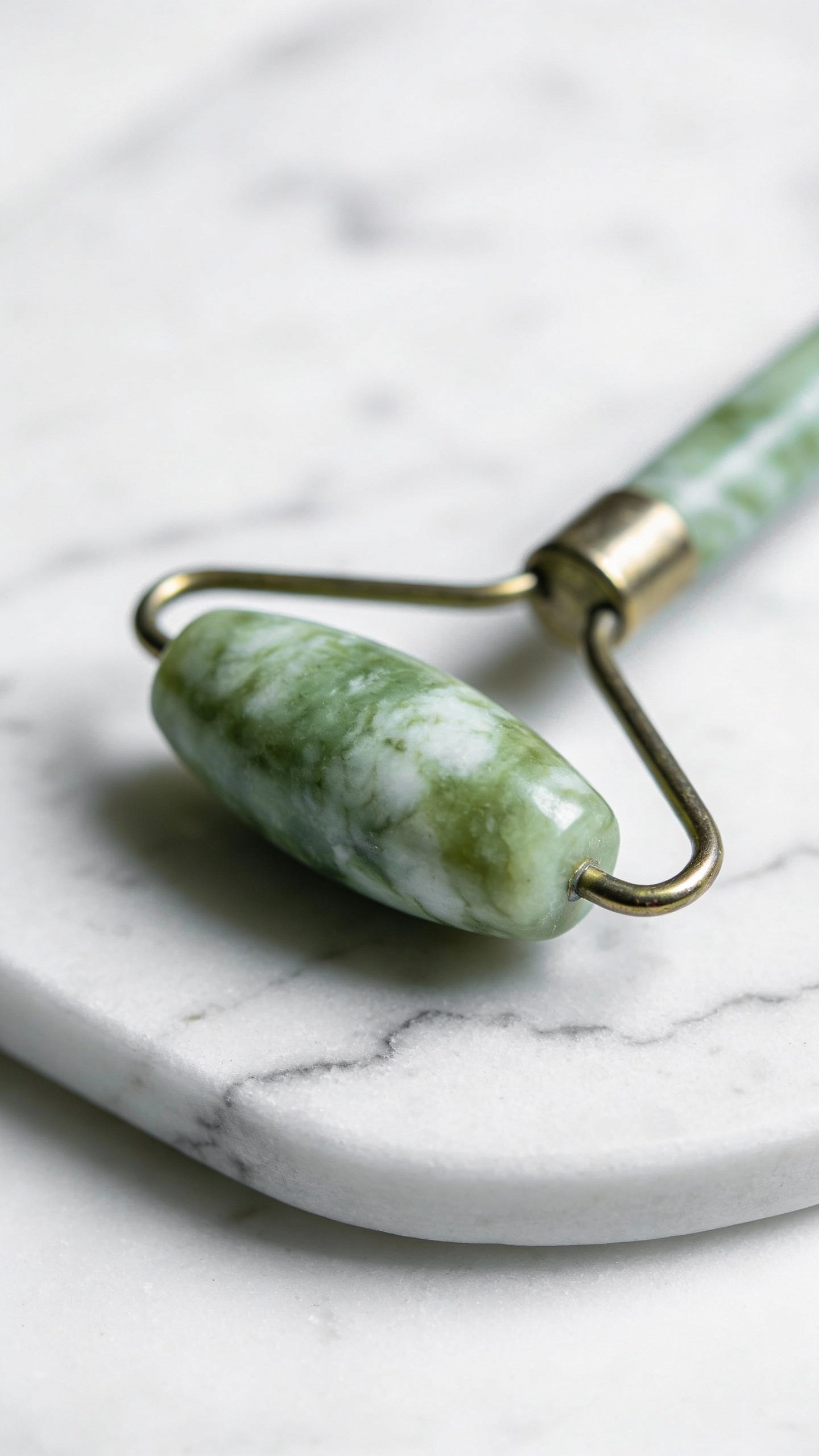
You don’t need a silent retreat. Try low-effort strategies you’ll actually keep.
- Sleep first: Aim for 7–9 hours. Skin heals at night. No sleep = stubborn zits.
- Micro-breaks: 5-minute walks, light stretching, or a few deep breaths. It lowers cortisol more than doomscrolling, FYI.
- Exercise: 20–30 minutes of movement 3–4 times a week helps regulate hormones. Sweat, then shower promptly.
- Mind-body basics: Try box breathing (4-4-4-4) or a 10-minute guided meditation. Not woo-woo—just science.
Food and Skin: Keep It Real
No need for a monk’s diet. But some tweaks help:
- Protein + fiber steady blood sugar, which stabilizes hormones.
- Omega-3s (salmon, walnuts, chia) can calm inflammation.
- Dairy and high-glycemic foods trigger breakouts for some. Try a 3–4 week test to see if your skin improves.
IMO, consistency beats perfection. Don’t spiral because you ate pizza.
Stop the Picking Spiral
You feel stressed, you pick, your skin gets worse, you stress more. We’ve all been there. Break the loop with a plan.
- Hands busy: Keep a fidget toy at your desk. Cheesy? Yes. Effective? Also yes.
- Hydrocolloid patches: They physically block picking and help healing.
- Good lighting rule: Avoid magnifying mirrors and harsh bathroom lighting. Nothing good happens there.
- Schedule “extraction amnesty” with a licensed pro instead of DIY. Your skin will thank you.
When to See a Dermatologist
If you’ve tried consistent skincare for 8–12 weeks and still break out, get help. Dermatologists have receipts and prescriptions.
- Topicals: stronger retinoids, clindamycin, azelaic acid for redness and PIH (post-inflammatory hyperpigmentation).
- Orals: antibiotics short-term, spironolactone for hormonal acne, isotretinoin for severe cases.
- Procedures: light therapy, chemical peels, steroid injections for deep cysts.
No badge of honor for struggling solo. Teamwork = clear skin faster.
Build a “Stress Breakout” Toolkit
When life gets chaotic, keep these on hand so you don’t panic-shop midnight skincare.
- Gentle cleanser
- Daily moisturizer with ceramides
- SPF 30+ (tinted if redness bugs you)
- One treatment (adapalene, benzoyl peroxide, or salicylic acid)
- Hydrocolloid patches
- Ice cubes wrapped in a clean cloth for swelling (1–2 minutes max)
- Tea tree oil diluted properly (1 drop in 10 drops carrier oil) if you tolerate it
A 2-Week Rescue Plan
– Week 1: Strip back to basics. Use a single active every other night. Add hydrocolloids on whiteheads. Sleep and hydrate like it’s your job.
– Week 2: Increase actives to nightly if your skin behaves. Add a BHA mask once. Keep stress habits going.
– After: Maintain, don’t sprint. Acne loves routine more than miracles.
Makeup That Won’t Make Things Worse
You can absolutely wear makeup while treating breakouts. Choose wisely.
- Non-comedogenic base with breathable textures (tinted SPF or lightweight foundation).
- Spot-conceal instead of heavy full-face coverage.
- Clean tools—wash brushes weekly, swap beauty sponges often.
- Double cleanse nightly to remove every trace.
FAQ
How long do stress breakouts take to clear?
With a consistent routine, expect visible improvement in 2–4 weeks, and bigger changes in 8–12 weeks. Pimples form weeks before they show up, so patience matters. Keep your routine steady rather than chasing quick fixes.
Can supplements help with stress acne?
Sometimes. Zinc and omega-3s can support skin for some people. Probiotics may help if your gut gets cranky under stress. Avoid megadoses and check with a pro if you take meds. FYI, supplements won’t beat a solid routine.
Is caffeine making my acne worse?
Caffeine itself doesn’t directly cause acne, but coffee loaded with sugar and dairy might trigger some people. If you suspect it, try switching to oat/almond milk and reducing sugar for a few weeks. Track your skin and energy, then decide.
Should I exfoliate more when I’m breaking out?
Nope. Over-exfoliating torches your barrier and prolongs breakouts. Use chemical exfoliants thoughtfully—BHA 2–3 times a week, tops. If you use a retinoid, skip extra acids most nights.
What about natural remedies—do they work?
Some do, some don’t. Diluted tea tree oil and green tea extracts can help mild acne. Honey masks soothe but won’t fix deep breakouts. If a remedy burns or stings, stop. Natural doesn’t mean gentle by default.
Does sweating cause breakouts?
Sweat itself doesn’t, but sweat left on skin can trap bacteria and oils. Rinse or shower after workouts, change out of tight gear, and use a gentle cleanser. Lightweight, non-pore-clogging sunscreen helps during outdoor workouts.
Conclusion
Stress and breakouts love each other, but you don’t have to third-wheel their relationship. Keep your routine simple, treat smart, protect your barrier, and build a few stress-busting habits you’ll actually do. Give it a few weeks, stay consistent, and—IMO—your skin will chill right along with you.