Your Ultimate Guide to How to Wash and Store Clothes Without Ruining Them
You love your clothes. You paid good money for them. So why let the washing machine chew them up like a bored teenager with gum? Let’s fix the shrinkage, the fading, the mystery holes, and the “why does this still smell?” moments. You don’t need a laundry degree—just a few smart habits and a tiny bit of patience.
Know Your Fabrics (So You Don’t Accidentally Felt Your Sweater)
You don’t need to memorize every fabric, but you should recognize a few troublemakers. Cotton shrinks if you blast it with heat. Wool felts if you go hot and aggressive. Silk hates friction and heat, and synthetics melt-ish under high heat and attract odors like magnets.
Overeating doesn’t mean something is wrong with you. It means your system needs a reset.
If cravings keep pulling you off track, this helps you regain control without restriction. You’ll learn simple, realistic steps to stop overeating and feel satisfied again.
Quick fabric guide
- Cotton: Cold or warm wash, low heat dry. Will shrink if you go hot.
- Wool/Cashmere: Hand wash or delicate cycle, cold water, air dry flat.
- Silk: Hand wash or delicate, cold water, air dry away from sun.
- Denim: Cold wash inside out, hang dry to keep color and shape.
- Activewear (synthetics): Cold wash, no fabric softener, low or air dry.
Sort Like You Mean It
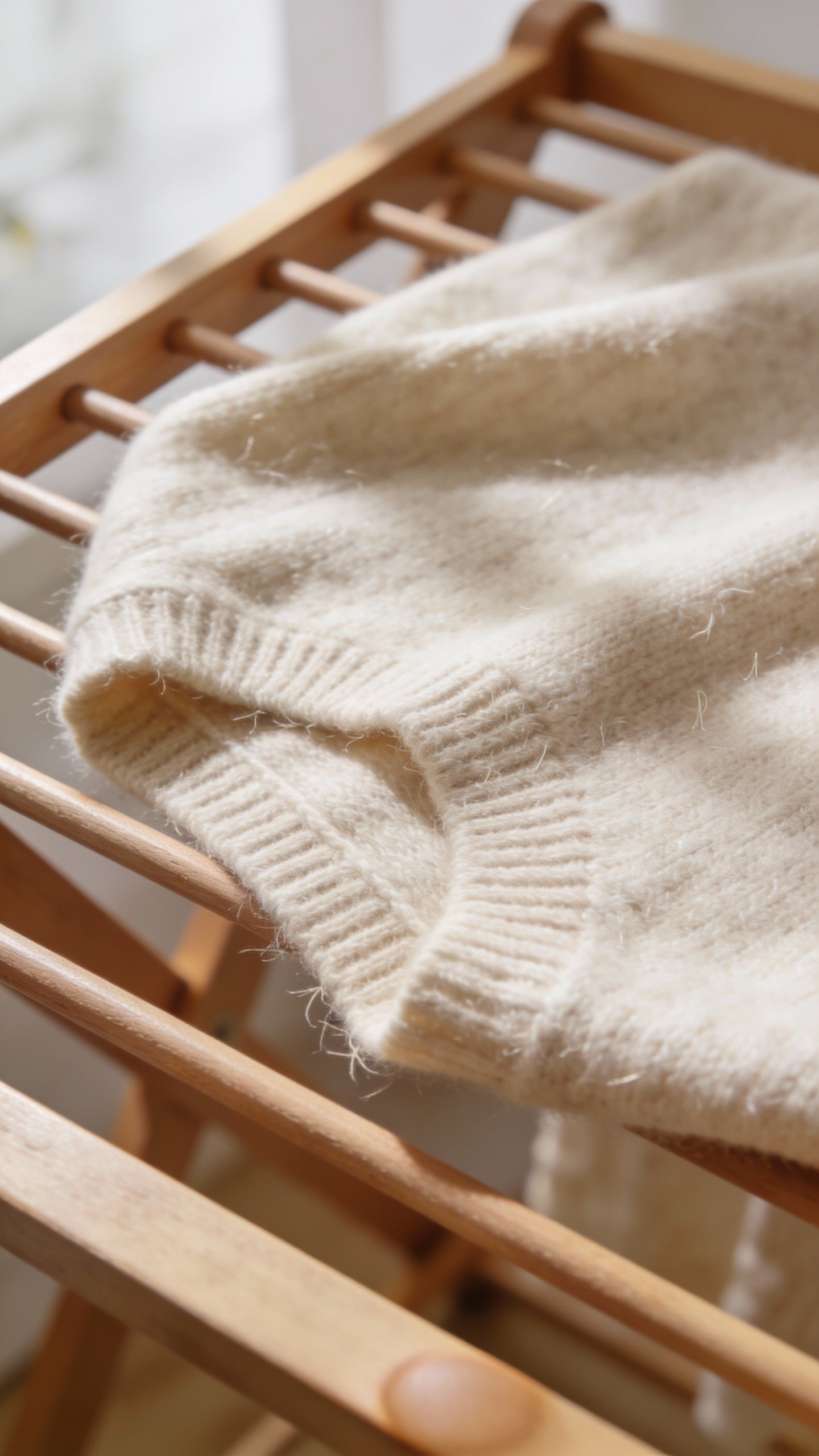
Sorting isn’t old-fashioned—it prevents heartbreak. Separate by color and fabric weight. Light tees don’t want to tango with heavy jeans.
How to sort smart
- By color: Whites, lights, darks, and reds (reds get their own kingdom, IMO).
- By soil level: Gym clothes and muddy items go together; office clothes stay separate.
- By fabric: Towels and denim in one load, delicate stuff in another.
Pre-Treat Like a Pro (AKA Don’t Bake the Stain In)
Stains become permanent if you let them set. Act fast. Blot (don’t rub), then pre-treat before washing.
Stain triage
- Grease: Dish soap on the spot, let sit 10–15 minutes, rinse cold.
- Wine/berries: Flush with cold water, use an enzyme stain remover.
- Deodorant marks: Rub gently with a dry towel or a bit of foam from a gentle detergent.
- Blood: Cold water only, enzyme cleaner. Hot water cooks it—no thanks.
The Wash Settings You Actually Need
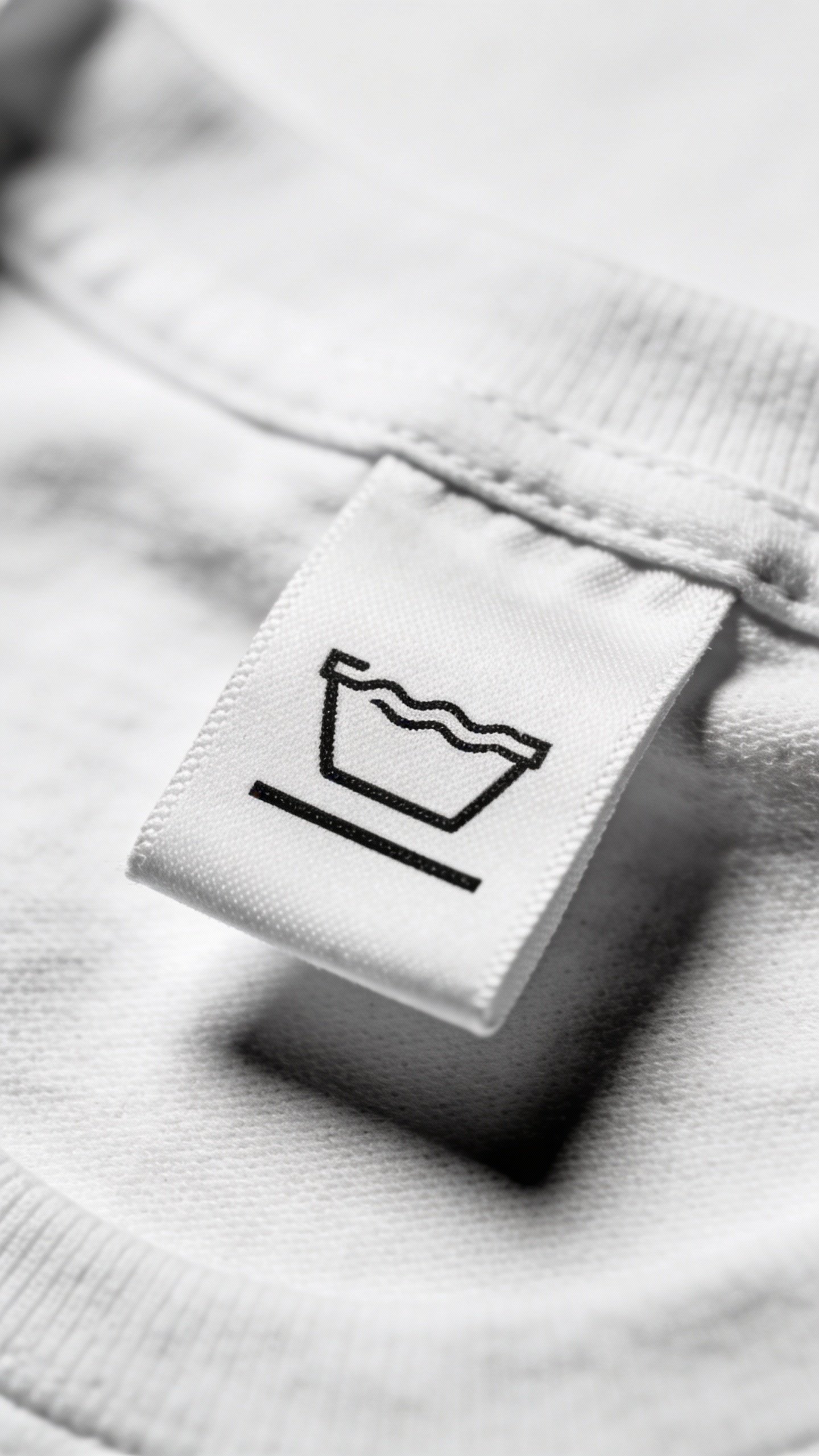
Forget the 57 mysterious cycles. You’ll use like three.
- Cold water: Your default. Saves color, fabric, and utilities. Modern detergents work better in cold than you think.
- Warm water: For towels, sheets, and heavily soiled stuff.
- Delicate cycle: For anything precious or flimsy. Less agitation, less drama.
Detergent strategy
- Use less than you think. Overdosing leaves residue, which makes clothes stiff and stinky.
- Enzyme detergents work great for sweat, food, and general grime.
- Skip fabric softener on towels and activewear—it kills absorbency and traps odors. Use white vinegar in the rinse instead if you want softness.
Drying: Where Most Clothes Go to Die
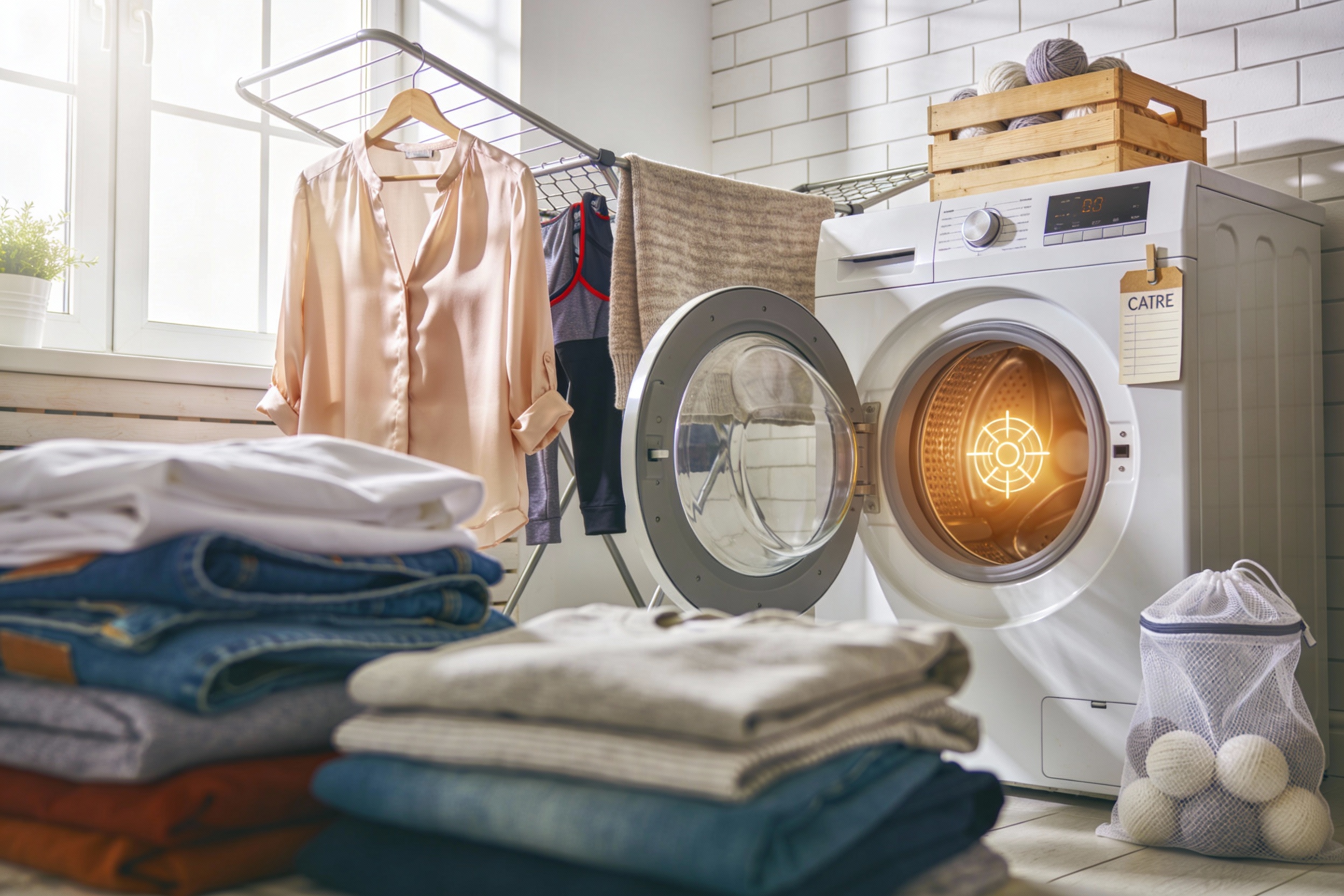
If washing is the warm-up, drying is the boss level. Heat ruins fit, texture, and elasticity. Air dry when you can. Your clothes will last longer, and your dryer will stop eating socks for attention.
When you must tumble
- Low heat only. Especially for cotton, synthetics, and blends.
- Remove while slightly damp. Then air dry the rest of the way to avoid wrinkles and shrinkage.
- Use dryer balls. They reduce drying time and clumping. Wool balls > plastic, IMO.
Air-dry tactics
- Flat-dry sweaters. Roll in a towel to remove water, then reshape flat so they don’t stretch.
- Hang shirts on wide hangers. Avoid those shoulder nubs by smoothing seams while damp.
- Keep out of direct sun. UV fades color and fries fibers—cool shade is your friend.

Make Clothes Last Longer With Simple Habits
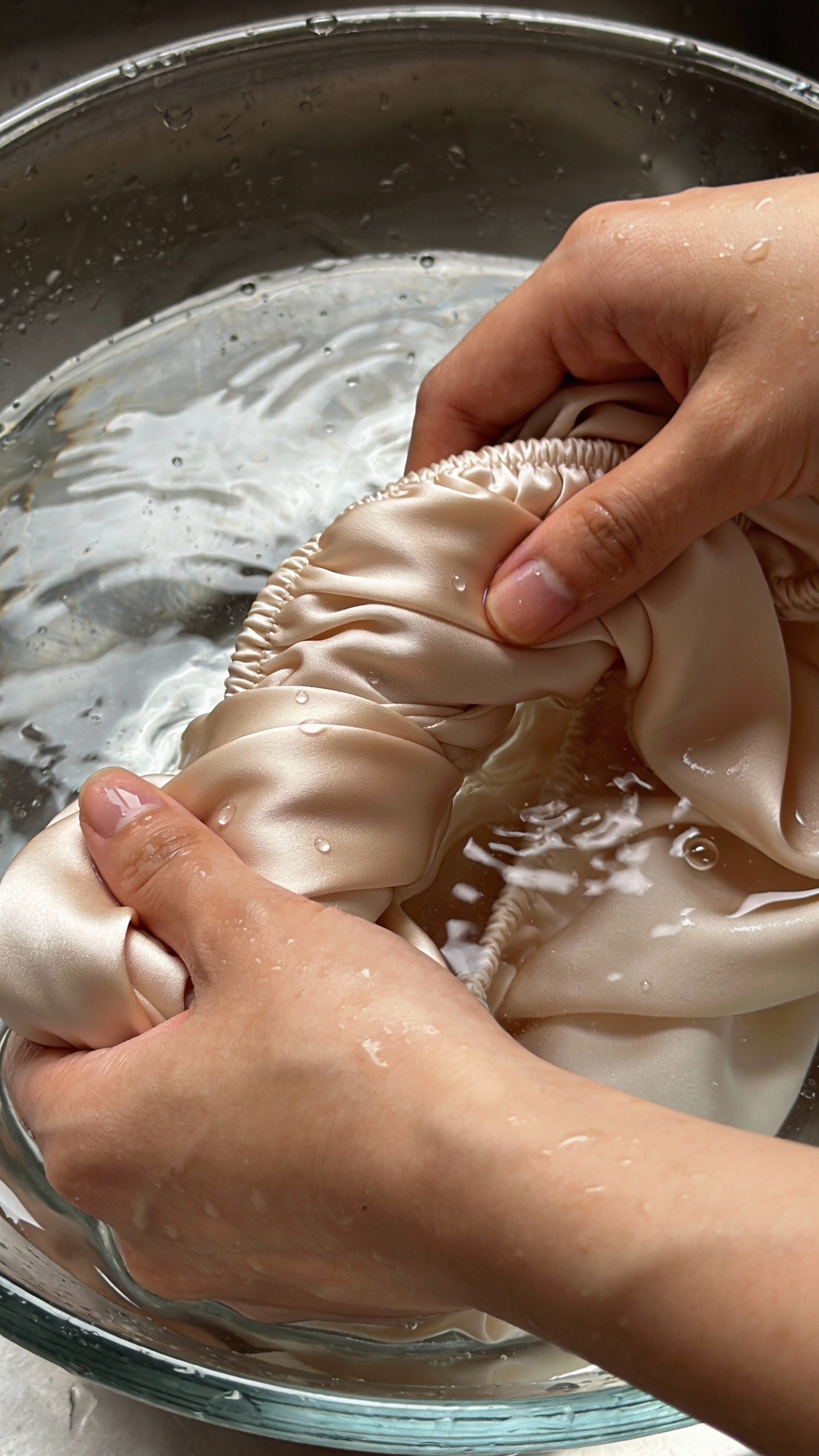
Want fewer washes and fewer “oh no” moments? Treat clothes nicer between wears.
- Don’t overwash. Jeans, sweaters, jackets, and pajamas can go multiple wears. Air them out after.
- Use mesh bags for bras, delicates, and anything with straps or hooks.
- Close zippers and fasten hooks before washing—they’re like tiny fabric chainsaws.
- Turn clothes inside out to reduce friction and fading.
- De-pill knits with a fabric shaver, not scissors. We’re saving clothes, not butchering them.
Storage That Doesn’t Sabotage You
Shockingly, a lot of damage happens in the closet, not the wash. Store properly and your clothes will look better and last longer.
Hangers vs. folding
- Hang: Coats, blazers, blouses, dresses, button-downs.
- Fold: Sweaters, tees, heavy knits, anything that can stretch.
- Use the right hangers: Wide, padded, or wood for structure. Avoid thin wire hangers unless you like shoulder peaks.
Keep it clean and dry
- Let clothes cool after drying before closet time. Trapping moisture = mildew and odor.
- Don’t cram your closet. Air flow prevents mustiness and wrinkles.
- Use cedar or lavender sachets for moth deterrence. Skip harsh mothballs unless you enjoy eau de grandma attic.
Seasonal storage
- Wash before storing long-term. Body oils attract pests.
- Use breathable bins or cotton garment bags. Plastic traps moisture and invites mildew.
- Store in a cool, dry place. Heat and damp will undo your hard work.
Wrinkles, Odors, and Other Annoyances
You don’t need to iron everything. In fact, you almost never do.
- Steam instead of iron. A handheld steamer refreshes and kills odor-causing bacteria fast.
- Shower steam hack: Hang a wrinkled shirt in the bathroom while you shower. Quick fix, minimal effort.
- Odor control: Spritz with a water-vinegar mix (lightly!), then air out. For sneakers and gym gear, baking soda overnight works.
- De-fuzz: Lint rollers and sweater combs keep clothes looking fresh between washes.
Common Mistakes That Ruin Clothes
We’ve all done them. Let’s not repeat them.
- Too much detergent. Residue traps dirt and smells. Use the line on the cap or less. FYI, high-efficiency machines need even less.
- Overstuffing the washer. Clothes need space to move. If the drum looks like a clown car, take some out.
- High heat everything. Fast, yes. Also the fastest way to shrink and fade.
- Ignoring labels. They’re not always perfect, but they’re right often enough to save your fav sweater.
- Leaving wet clothes in the machine. Mildew party. Set a timer.
FAQ
How often should I wash jeans?
Every 4–6 wears works for most people. Spot clean stains, air them out between wears, and wash cold inside out when they feel grimy or smell off. Hang dry to protect color and fit.
Can I wash wool in the machine?
Yes—if your machine has a gentle or wool cycle and you use a wool-safe detergent. Cold water only. Lay flat to dry. If you don’t trust your machine, hand wash. Your sweater will thank you with fewer weird bumps.
How do I keep black clothes from fading?
Wash cold, inside out, and only when necessary. Use a detergent for darks and skip the dryer. Dry in the shade. Also, avoid hot water like it’s a spoiler for your favorite show.
Is fabric softener worth it?
Sometimes. It can make cottons feel softer and reduce static. But it wrecks towel absorbency and clings to activewear. If you want a safer alternative, add a splash of white vinegar to the rinse cycle—no, your clothes won’t smell like salad.
What’s the best way to wash activewear?
Cold water, enzyme detergent, and absolutely no fabric softener. Turn inside out to release sweat and oil. Air dry or low heat to protect stretch. If odors linger, use a sports-specific detergent or a vinegar rinse.
Do I need to separate towels?
Yes. Towels shed lint and demand high heat. Wash them separately in warm or hot water, skip softener, and dry thoroughly. Mixing towels with lint-trapping clothes = fuzz everywhere.
Conclusion
You don’t need fancy gadgets or a laundry room that looks like a spa. You just need to sort smart, wash cold, treat stains early, and respect the dryer’s power. Store things properly, don’t overwash, and fix small issues before they become big ones. Do that, and your clothes will look better, last longer, and stop giving you side-eye from the hamper.