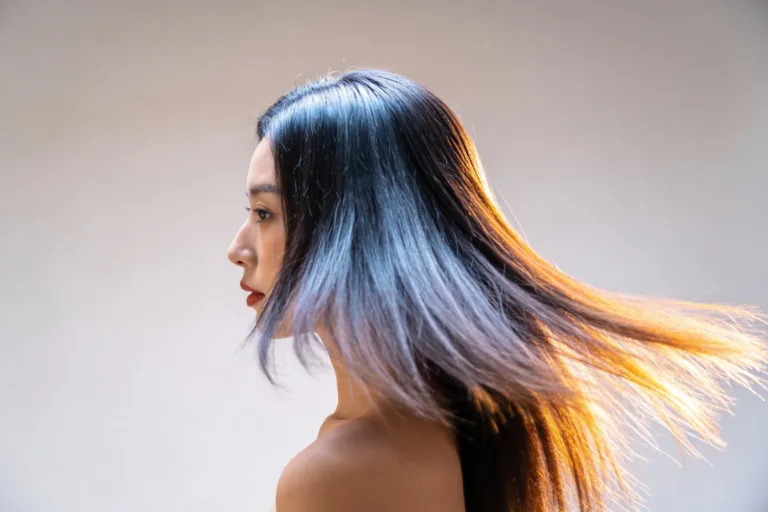
The Secret to How to Wash Your Hair Less Without Looking Greasy
Greasy roots by day two? Been there. You wash, you blow-dry, you style… and by morning, your scalp looks like it’s plotting against you. The good news: you can train your hair to chill out between washes without looking like you dipped your head in a fryer. Let’s talk strategy, products, and a little mindset shift so you can stretch wash days without the greaze-a-palooza.
Start With a Clean Slate (Literally)
You can’t stretch wash days if you start with buildup. Give your scalp a reset so your hair behaves longer between washes. Think of it like meal prepping for your strands.
Overeating doesn’t mean something is wrong with you. It means your system needs a reset.
If cravings keep pulling you off track, this helps you regain control without restriction. You’ll learn simple, realistic steps to stop overeating and feel satisfied again.
- Use a clarifying shampoo once every 1–2 weeks to remove product residue, hard water minerals, and excess oil.
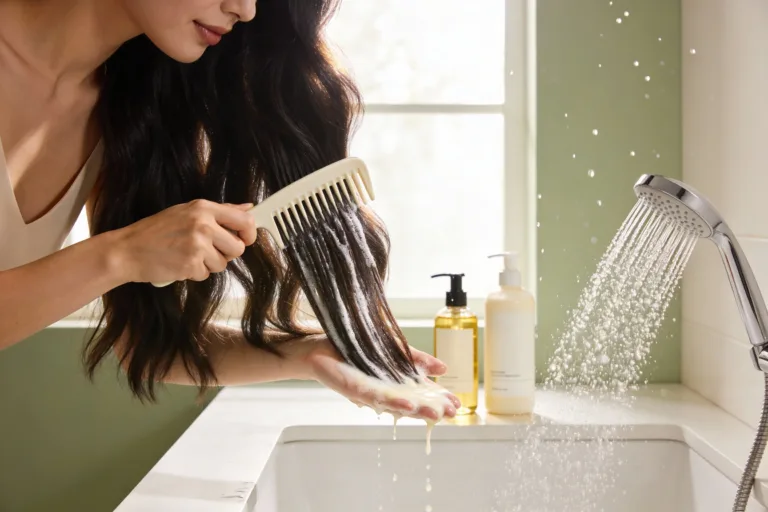
- Focus on your scalp. Massage for a full 60–90 seconds. Let the suds run through the lengths; don’t aggressively scrub ends.
- Condition from mid-length to ends only to avoid adding slickness near the roots.
When to upgrade the routine
If your hair gets greasy within hours, try a scalp-focused shampoo with gentle exfoliating acids (like salicylic acid). It helps decongest follicles and balance oil production without wrecking your moisture barrier.
Train Your Scalp (Yes, It’s a Thing)

Your scalp often overproduces oil because you wash too often. When you stop stripping it daily, it calms down—slowly. Expect a few awkward days; we call them “strategic ponytail days.”
- Go from daily to every other day for 1–2 weeks, then push to every third day. Slow and steady wins the non-greasy race.
- Use cold water for the final rinse. It helps lay the cuticle down and adds a little shine, which can make hair look “cleaner.”
- Keep your hands out of your hair. Touching transfers oil and dirt. Resist the mindless scalp massage when bored.
Signs you’re on track
Less oil at the roots by day two or three, fewer flakes, and better volume. If your scalp feels tight or itchy, you may have over-clarified—add a soothing scalp serum or space out clarifying days.
Dry Shampoo: Use It Like a Pro
Dry shampoo can save your schedule or make your hair chalky and dull. Technique matters more than brand, IMO.
- Apply at night. Let it absorb while you sleep so you wake up with fresher roots.
- Section your hair into 1–2 inch parts. Spray or shake product 6–8 inches from your scalp.
- Wait 2–3 minutes for it to absorb oil. Then massage gently with fingertips (not nails).
- Brush it through with a boar bristle or mixed bristle brush to distribute and avoid that dusty look.
What if you hate residue?
Try a clear powder or foam dry shampoo. Powders usually absorb better; foams feel cleaner. If you have dark hair, look for tinted formulas to avoid the “Victorian ghost” vibe.
Style Smart to Hide Oil

You don’t need squeaky-clean hair for every style. Some styles look better with a bit of grit. Use them strategically on later days.
- Day 1–2: Wear it down with a blowout or loose waves. Volume at the crown helps camouflage oil later.
- Day 3: Half-up style or a tousled pony. Add texture spray at the lengths for lift.
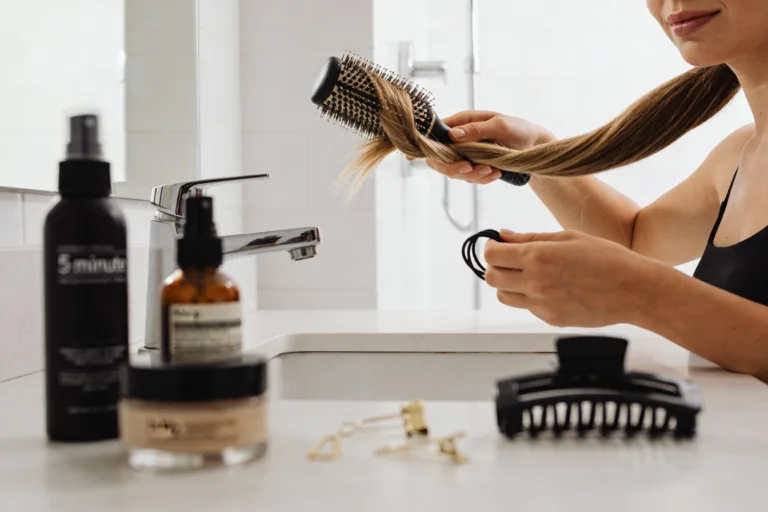
- Day 4+: Sleek bun, braid, or claw clip twist. Lean into shine—call it “glossy,” not greasy.
Tools that help
– Root-lifting powder adds grip and volume without buildup.
– Teasing brush gives lift at the crown where oil flattens hair first.
– Silk/satin scrunchies don’t crease or snag, so you can restyle easily.
Protect the Clean You’ve Got
You worked for this fresh head—keep it that way. Small habits extend your wash dramatically.
- Sleep on a silk or satin pillowcase to reduce friction and frizz, which makes hair look cleaner longer.
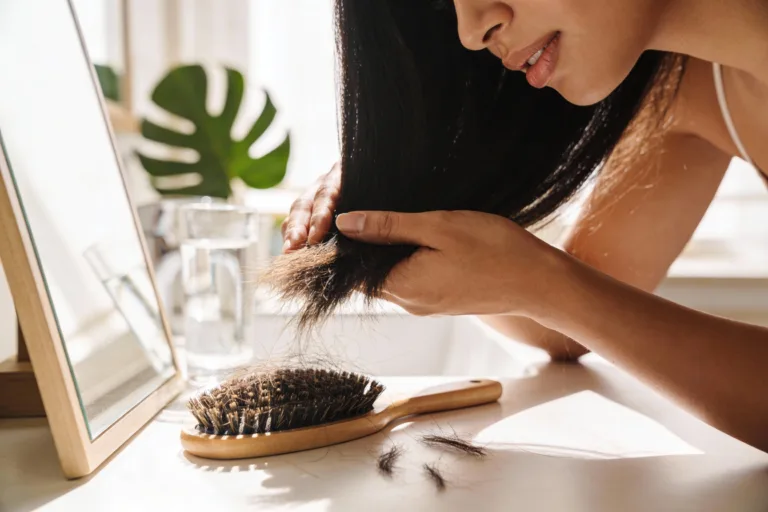
- Brush strategically. Use a boar bristle brush to move natural oils from roots to ends—just don’t overdo it.
- Wear a cap or scarf to the gym. Sweat equals oil migration. Post-workout, blow-dry your roots on cool for 30–60 seconds to reset.
- Keep leave-ins light at the roots. Creams belong on your ends; serums and oils belong on the last third of your hair only.
Scalp care = less oil
A weekly scalp scrub or gentle chemical exfoliant can remove dead skin and product film. Calmer scalp, happier wash schedule. FYI: don’t scratch with your nails—micro-tears can ramp up oil and irritation.

Pick Products That Don’t Sabotage You

You can’t out-dry-shampoo a heavy conditioner or waxy styling cream. Choose formulas that support your goals.
- Shampoo: Lightweight, balancing, or volumizing shampoos usually clean without residue.
- Conditioner: Apply from mid-length to ends. Rinse thoroughly. Try a lighter formula or a rinse-out mask once a week.
- Styling: Swap oils and heavy creams for lightweight leave-ins, mousse, or texture sprays. Mousses give lift without greasiness, IMO.
- Finishing: Use shine sprays sparingly and never at the root. One mist too many and you’re back to square one.
Consider your hair type
– Fine hair: Avoid silicones near roots; they can collapse volume.
– Thick or curly hair: You can stretch longer, but keep your scalp clean with targeted washes and co-wash only if your scalp tolerates it.
– Coily hair: You may already wash less often; focus on scalp refresh mists and oil distribution for comfort between wash days.
The Strategic Rinse: Wash Your Scalp, Not Your Lengths
On days you must reset but don’t want a full wash, do a mini-cleanse. It buys you time without drying your ends.
- Section your hair and shampoo only the scalp.
- Let suds pass through the lengths briefly.
- Skip conditioner or apply only to the last few inches.
- Finish with a quick cool blast from your dryer at the roots for volume.
Quick refresh recipe
– Mix water and a splash of apple cider vinegar (about 1:8 ratio) in a spray bottle.
– Lightly mist the roots, wait a minute, then blow-dry.
– It rebalances pH, cuts odor, and adds shine without a full wash.
FAQs
How long does it take to “train” my scalp?
Most people see improvement in 2–4 weeks. Your scalp needs time to stop overreacting to frequent washing. Increase gaps slowly and use smart styling during the awkward phase.
Can I just pile on dry shampoo every day?
You could, but your scalp will hate you. Buildup can clog follicles and cause itchiness or flakes. Use dry shampoo sparingly, cleanse your scalp well on wash days, and add a clarifying step weekly or biweekly.
Is conditioner making me greasy?
Possibly, if you apply it near your roots or use a heavy formula. Keep conditioner mid-length to ends, rinse thoroughly, and try lighter options or leave-ins. A little goes a long way.
What if I work out daily?
Blow-dry your roots on cool post-workout and use a scalp refresh spray or foam dry shampoo. Tie hair up during workouts to minimize sweat spread. You can also do a scalp-only wash midweek.
Do certain hairstyles make my hair oilier?
Tight, slick styles can concentrate oil at the scalp, especially if you use gels. Alternate with looser styles and avoid heavy products at the roots. If you want sleek, use a light gel and smooth only the surface.
Could my water be the problem?
Hard water can leave mineral residue that weighs hair down and attracts oil. Try a chelating shampoo occasionally or install a shower filter. You’ll likely notice cleaner-feeling hair and better volume.
Conclusion
Stretching wash days doesn’t require wizardry—just a cleaner start, smarter product choices, and a bit of strategy. Train your scalp, master dry shampoo, and style with intention. Expect a short adjustment phase, then enjoy more good hair days with less effort. Your future self (and your scalp) will thank you.