The Secret to How to Transition From Extensions or Braids Without Damage
You finally booked the takedown. The braids or extensions have served their purpose and your scalp is ready to breathe again. Now the goal is simple: get your real hair back without breakage, drama, or the “why is my shower drain crying?” moment. Good news—you can do this smoothly with a plan, a little patience, and the right products.
Start Before You Remove Anything
Your transition actually starts a few days before takedown. Smart prep makes the difference between “soft curls” and “tumbleweed.”
Overeating doesn’t mean something is wrong with you. It means your system needs a reset.
If cravings keep pulling you off track, this helps you regain control without restriction. You’ll learn simple, realistic steps to stop overeating and feel satisfied again.
- Oil your scalp and new growth. Use a light oil (jojoba, sweet almond, grapeseed). Focus on your roots and parts. This reduces friction and helps shed shed hair slide out.
- Detangle with slip first. Spray a water-based detangler or a DIY mix (water + a little conditioner + a few drops of oil). Dry takedowns yank hair—don’t do it.
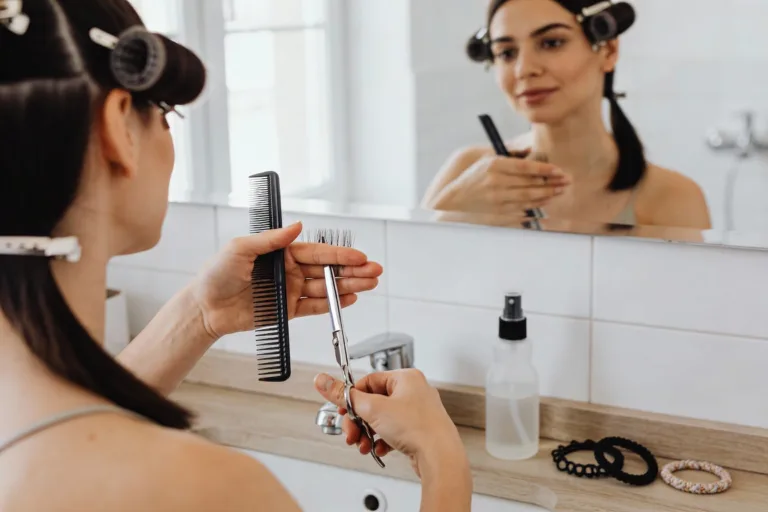
- Plan time and tools. You’ll need clips, sectioning comb, wide-tooth comb, a detangling brush, shears, and patience. Snacks help, FYI.
How Long Should You Keep Styles In?
8 weeks for braids and sew-ins, 6-8 weeks for twists, 4-6 weeks for microlinks is a safe window. Past that, shed hair builds up and creates tangles that equal breakage during removal. IMO, “longer to be economical” usually becomes “expensive repair session.”
The Right Way to Take Down Extensions or Braids

Ripping through braids looks fast on TikTok. Your ends disagree.
- Work in small sections. Clip away what you’re not touching. Start at the back.
- Cut safely. If you must cut, locate your natural hair length first. When in doubt, don’t cut—unravel.
- Unravel gently with your fingers. Comb comes later. Fingers find knots better.
- Mist with detangler as you go. Keep everything slippery and flexible.
- Remove shed hair before you wash. This matters. Otherwise the shower turns tangles into mats.
Undoing Glue or Adhesive
Use an adhesive remover designed for hair or a salon-grade oil-based remover. Saturate, wait 5-10 minutes, then slide gently. Do not scrape, and do not use nail polish remover on your scalp. Ever.
Post-Removal: Clean Without Stripping
Your scalp likely has buildup hanging out like an uninvited guest. Kick it out, but be nice to your actual hair.
- Pre-poo with oil or conditioner for 20 minutes. This shields your hair before shampoo.
- Clarify once with a gentle clarifying shampoo to remove product and sweat. If you used heavy gels, go twice but follow with a deep conditioner immediately.
- Scalp care: Massage while shampooing to lift flakes in parts and along edges.
How to Spot Over-Cleansing
If your hair feels squeaky, rigid, or tangles instantly, you went too hard. Balance with a deep condition and a light leave-in to bring softness back.
Detangle Like You Respect Your Edges

You’ll see tons of shed hair. Don’t panic—those hairs would’ve fallen out over weeks.
- Detangle soaked hair with tons of slip. Think conditioner + a little water. Start at the ends.
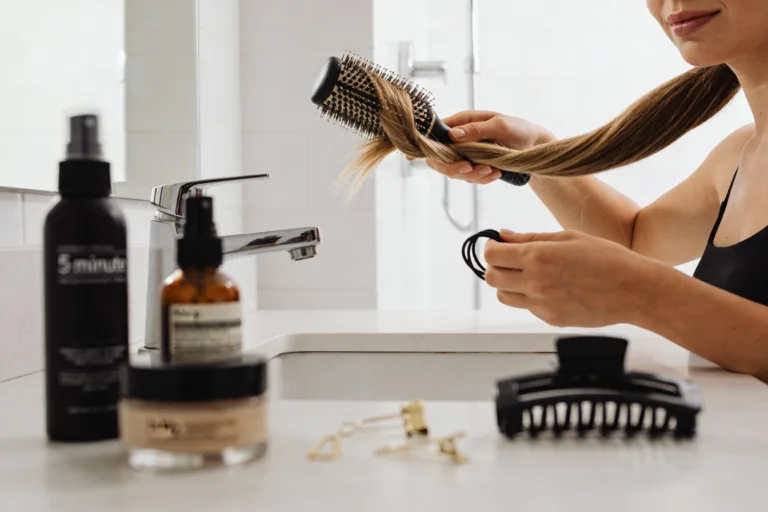
- Use tools in order: fingers → wide-tooth comb → detangling brush if you need it.
- Section everything. Four to eight sections keep things orderly and reduce re-tangling.
- Snip single-strand knots with sharp shears. Don’t rip. You’re not a lawnmower.
Elasticity Check
Gently stretch a shed hair. If it stretches a bit then springs back, your protein-moisture balance looks decent. If it snaps immediately, you need moisture. If it stretches like taffy and doesn’t bounce back, you need protein.
Protein, Moisture, and Everything In Between
Protective styles can mask issues. Now we fix them.
- If hair feels mushy, overly soft, or weak: do a light protein treatment (hydrolyzed keratin, wheat, or rice protein). Follow with a moisturizing conditioner.
- If hair feels dry, brittle, or rough: go for a deep moisturizing mask with humectants (glycerin, honey), emollients (butters), and occlusives (oils).
- Low-porosity hair: use heat or a thermal cap during conditioning to help products penetrate.
- High-porosity hair: seal after styling with a light oil or cream to lock in hydration.

Give Your Scalp Some Love

Your scalp carried those braids or extensions like a champ. Reward it.
- Gentle exfoliation once after takedown using a scalp scrub or a salicylic-acid scalp serum. Rinse well.
- Light oil massages 2-3 times a week for 3-5 minutes. This boosts circulation and relieves tightness.
- Skip tight styles for 2 weeks. Ponytails that tug your hairline do not count as “a break.”
Watch the Hairline
If edges look thin or sore, switch to loose, low-tension styles and use a peptides-or-caffeine scalp serum. If you see visible thinning patches or pain persists, consult a dermatologist. Early help matters, IMO.
Choosing Your First “Freedom” Style
You took everything out. Now what? Choose styles that keep hair stretched, soft, and low-tension while your strands recalibrate.
- Best options: chunky twists, braid-outs, flexi-rod sets, loose buns, wash-and-go with minimal manipulation.
- What to avoid at first: tight slick-backs, heavy gels on edges, heat every day, and micro ponytails that pick on the same strands.
- Night routine: satin bonnet or pillowcase, loose pineapple or chunky twists, a light leave-in refresh as needed.
Heat Styling?
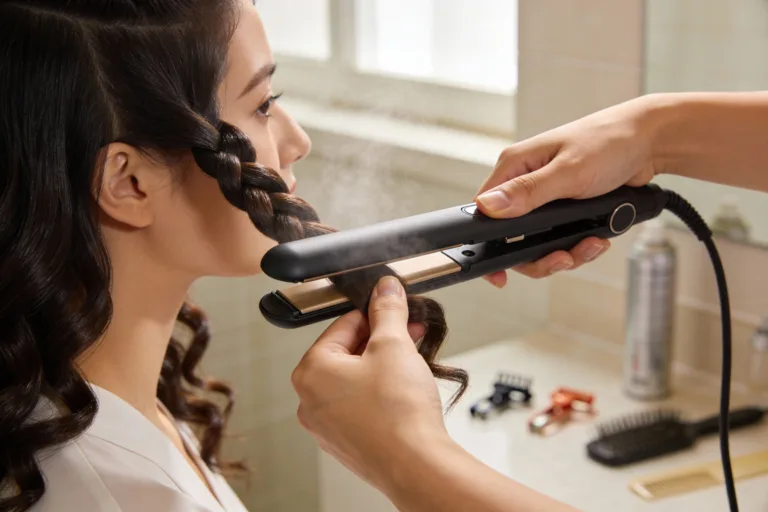
You can, but keep it low to medium heat, always use a heat protectant, and don’t double-book heat tools. If you blow-dry, skip the flat iron that day. Your cuticles will thank you.
Set a Simple Recovery Routine (2–4 Weeks)
Consistency beats product hauls every time. Here’s a framework you can tweak.
- Weekly: cleanse (clarify once at the start, then a gentle shampoo), deep condition, detangle, style.
- Midweek: refresh with water-based leave-in; seal if needed.
- Protein cadence: light protein every 2-3 weeks if hair feels weak; monthly if hair feels balanced.
- Trim: dust ends now if they look see-through or knotty. A clean hemline prevents split creep.
Product Cheat Sheet
– Slip kings: conditioners with behentrimonium methosulfate, cetrimonium chloride
– Gentle clarifiers: sulfate shampoos with added conditioning agents or chelating shampoos if you have hard water
– Light oils: jojoba, grapeseed, argan
– Leave-ins: look for glycerin or propanediol high on the list for hydration
Common Mistakes That Cause Breakage
Let’s dodge the usual traps.
- Washing before detangling: mats city. Always remove shed hair first.
- Leaving styles in too long: buildup + shed hair = velcro.
- Skipping trims: ragged ends tangle, snap, and ruin definition.
- Over-protein: crunchy hair that breaks when you look at it. Balance with moisture.
- Over-manipulation: choose a style and leave it alone for a few days. Hands out of hair club, anyone?
FAQ
How much shedding is normal after takedown?
A lot, and that’s fine. You lose 50–100 hairs a day normally. After weeks in a protective style, those hairs come out at once. If you see thinning patches, pain, or significant scalp irritation, check in with a pro.
Should I do a protein treatment right away?
Maybe. If hair feels soft but weak or overly stretchy, do a light protein treatment. If it feels dry and straw-like, prioritize moisture first. You can add protein the following week.
Can I reinstall braids or extensions immediately?
Give your scalp at least 2 weeks to recover. Use that time to moisturize, strengthen, and assess your edges. Cycling back-to-back installs can invite traction issues.
What if I accidentally matted my hair?
Soak with warm water and a slippery conditioner or detangler. Work in micro-sections using fingers and a pointed tip bottle to deliver product into knots. If a section refuses to budge, see a stylist—don’t force it.
Do I need to switch products after extensions?
Not always. But you may need more slip, a clarifier, and a light protein for the first few weeks. After that, go back to your usual faves if they still perform.
Is it normal for my curls to look different post-takedown?
Yes. Curls can look compressed or uneven for a week or two. Hydration, a gentle stretch style, and low manipulation help them rebound.
Conclusion
Transitioning out of extensions or braids without damage boils down to this: prep with slip, remove slowly, cleanse smart, balance protein and moisture, and baby your scalp. Choose low-tension styles while your hair recalibrates, and keep a simple routine for a few weeks. Do that, and your real hair comes back soft, strong, and ready for whatever style adventure you plan next. And hey—your drain will forgive you. Eventually.