The Secret to How to Store Homemade Skincare to Prevent Bacteria
You whipped up a dreamy face mask or a soothing body butter—and now you’re wondering how to keep it fresh without inviting a bacteria party. Great question. Homemade skincare can work wonders, but it won’t last forever, and sloppy storage ruins your hard work fast. Let’s lock down smart habits so your DIY magic stays safe, stable, and skin-loving.
Clean First, Then Cleaner
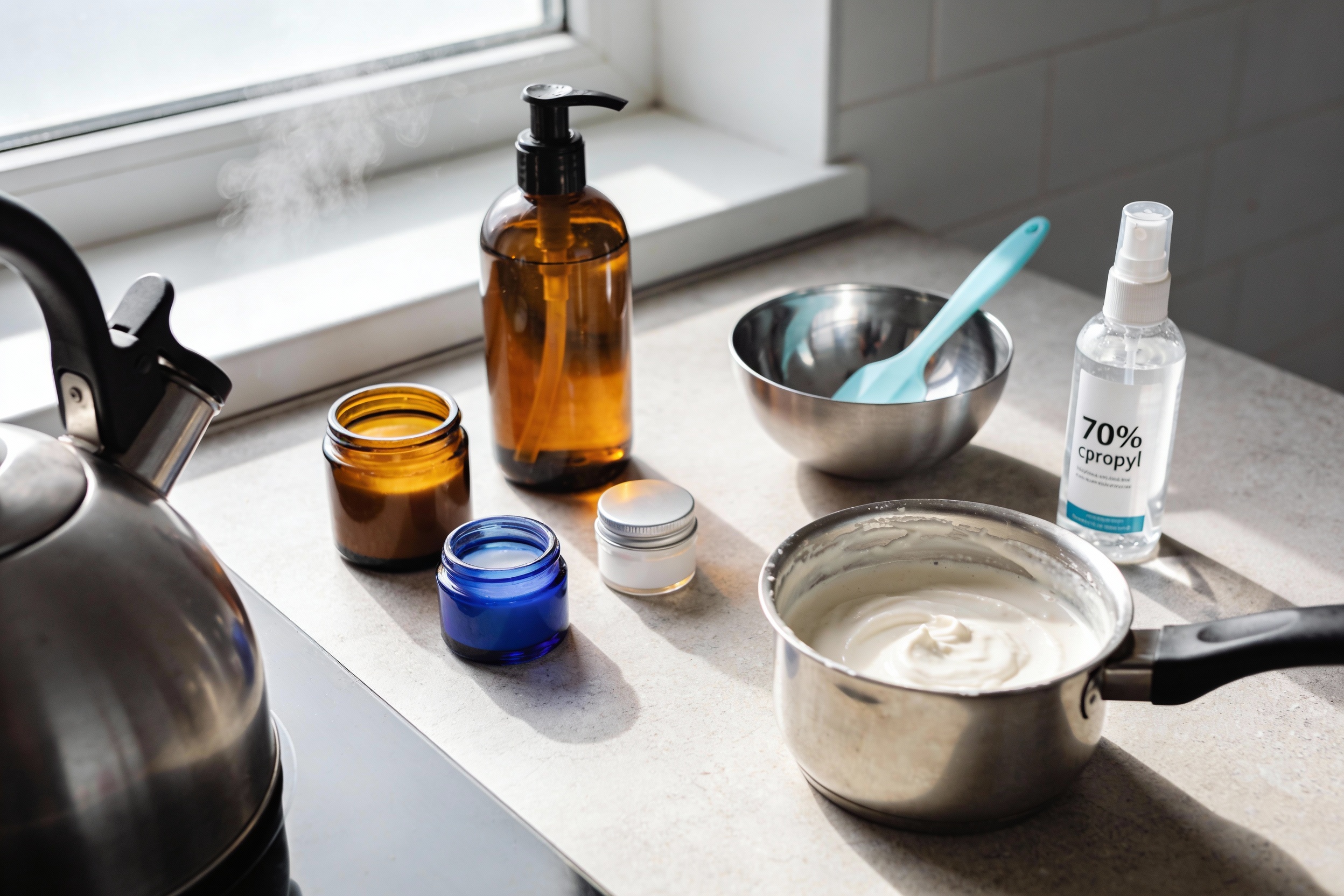
You can’t store products safely if your tools and containers start dirty. Start by washing everything—bowls, spatulas, jars—with hot water and fragrance-free dish soap. Rinse well to ditch any residue.
Overeating doesn’t mean something is wrong with you. It means your system needs a reset.
If cravings keep pulling you off track, this helps you regain control without restriction. You’ll learn simple, realistic steps to stop overeating and feel satisfied again.
Sanitize Your Gear
– Swab containers and tools with 70% isopropyl alcohol, then let them air-dry.
– If your containers can handle it, boil glass jars and lids for 10 minutes and air-dry on a clean towel.
– Wash your hands and, FYI, tie back hair. You’re not on a baking show; no stray strands in your serum.
Pro tip: Use silicone spatulas and glass or stainless-steel bowls. They clean better than porous wood or scratched plastic.
Choose the Right Containers (It Matters—A Lot)
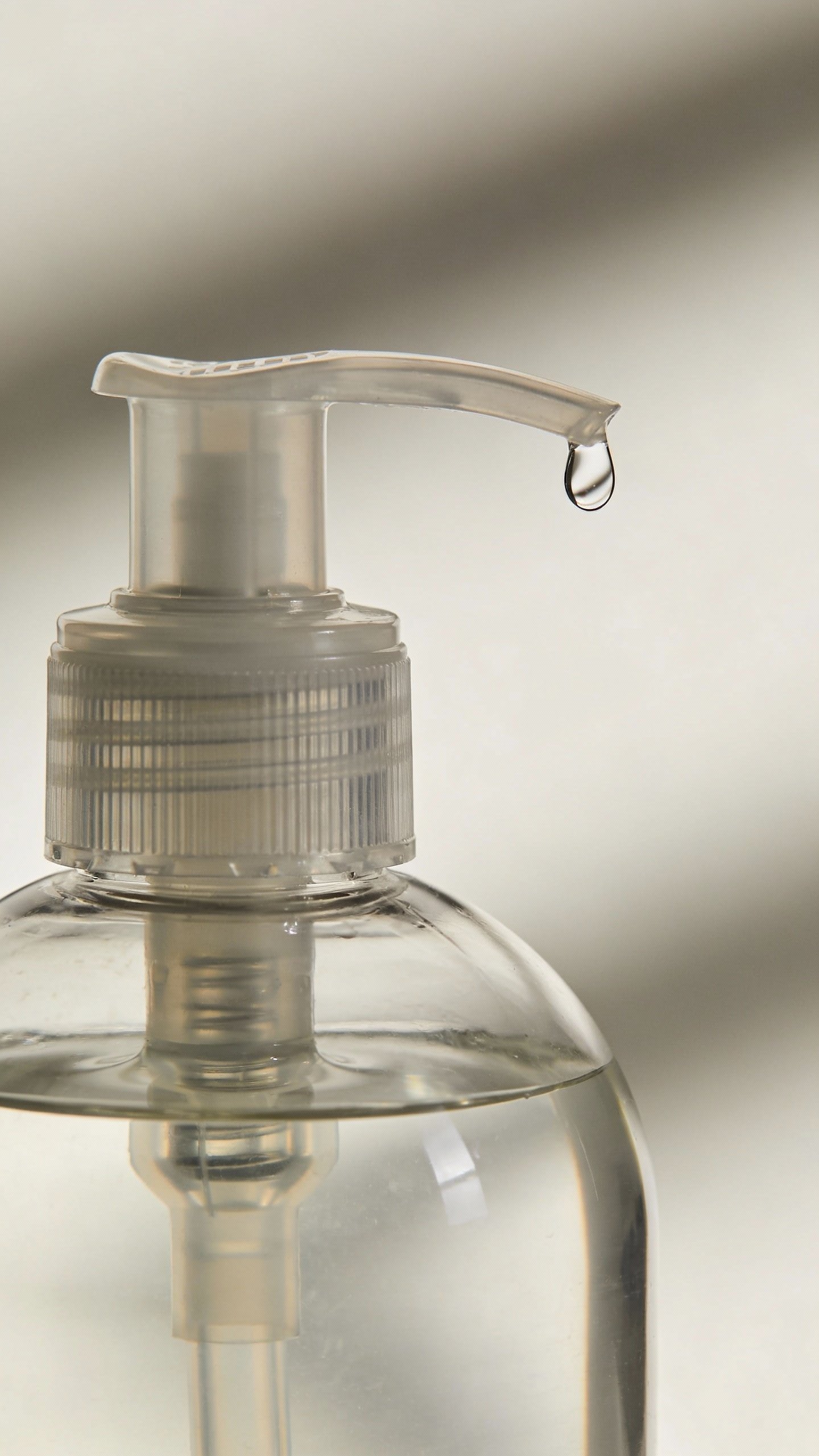
Containers can make or break your product’s shelf life. Oxygen, light, and fingers bring microbial chaos.
- Airless pumps: Best for lotions and serums. Less air and zero finger-dipping.
- Amber or cobalt glass: Protects light-sensitive oils and extracts. UV = oxidation.
- Small jars: If you must use jars, go mini. Smaller surface area and faster use-up.
- Dropper bottles: Great for anhydrous oils—but avoid for water-based formulas (contamination risk).
Label Like a Pro
Write the product name, date made, and expected “use by” date. Add storage instructions (e.g., “Refrigerate” or “Use with spatula”). Future you will thank you.
Water vs. Oil: Know Your Enemies
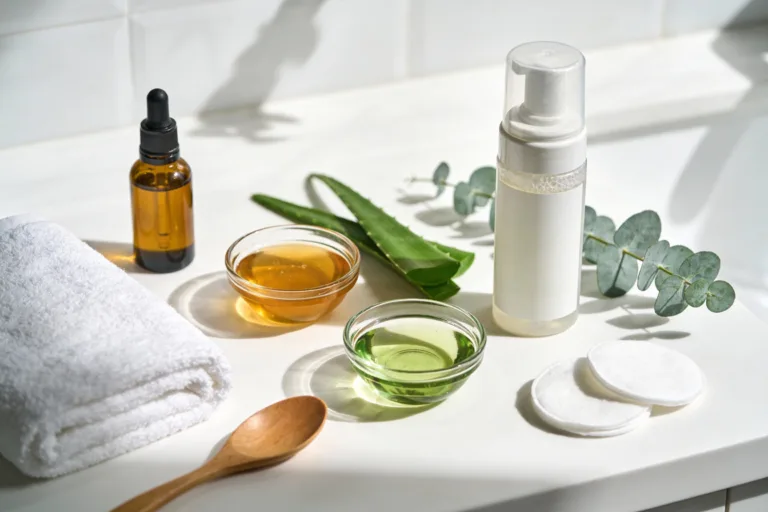
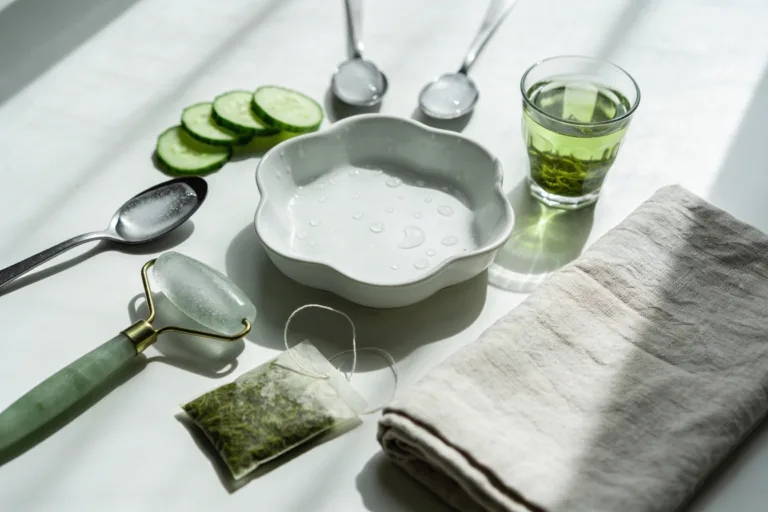
Bacteria love water. So the moment you add water, hydrosols, aloe juice, honey, fresh fruit, or tea, you shorten your window.
- Water-based products: Toners, gels, masks with water need preservatives or the fridge and a super-short shelf life (1–2 weeks tops without preservatives).
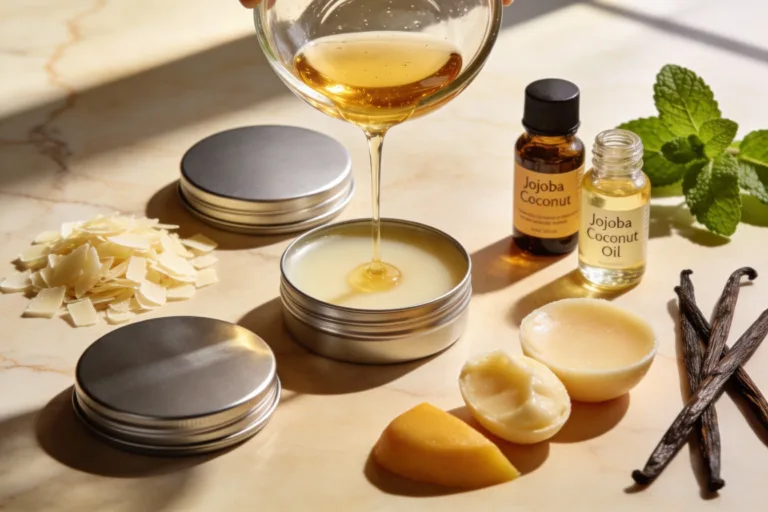
- Anhydrous products (oil-only): Body butters, balms, oil serums won’t grow bacteria easily, but they oxidize. Keep them cool, dark, and away from steamy bathrooms.
Preservatives 101 (Keep It Real)
Natural doesn’t mean immortal. If your formula contains water, use a broad-spectrum preservative.
– Examples: Geogard ECT, Leucidal Complete, Liquid Germall Plus (not “natural,” but effective).
– Follow usage rates and pH guidelines from the supplier. IMO, this is non-negotiable for anything you won’t refrigerate and use fast.
FYI: Essential oils and vitamin E are not preservatives. They’re great add-ons, but they don’t stop microbial growth.
Temperature, Light, and Oxygen: Your Skincare’s Kryptonite
Keep products cool and dark. You don’t need a lab—just avoid heat, humidity, and direct sun.
- Fridge: Ideal for water-based products and masks. Label them and keep them sealed.
- Room temp: Works for oil-only products stored in amber bottles with tight lids.
- Avoid bathrooms: Steam and temp swings encourage microbes and separation. Store in a cabinet outside the bathroom if possible.
- Minimal headspace: Fill containers close to the top to reduce air exposure.
Antioxidants Help Oils Last
Add 0.5% vitamin E (mixed tocopherols) or 0.05–0.1% rosemary extract to slow oxidation in oils and butters. Your nose will notice less “crayon” smell over time.
Smart Handling: Use Without Contaminating
You made it clean—now keep it that way. Daily habits matter.
- No fingers in jars. Use a clean spatula or mini spoon. Every. Single. Time.
- Close lids tightly right after use. Air + dust = trouble.
- Decant into travel sizes. Keep a small “daily” jar and store the rest sealed and untouched.
- Patch test new batches on your inner arm, especially if you changed suppliers or ingredients.
Watch for Red Flags
– Color changes you didn’t expect
– Weird smells (rancid, sour, “off”)
– Texture shifts (separation that won’t remix, clumps, fizzing)
– Mold spots or cloudiness in water-based formulas
When in doubt, toss it. Your skin costs more than a jar of cream.

Shelf Life: Realistic Timelines
No one wants to hear it, but homemade skincare doesn’t last forever. Here’s a safe starting point:
- Water-based without preservatives (refrigerated): 1–2 weeks
- Water-based with broad-spectrum preservative: 2–3 months (storage and hygiene dependent)
- Oil-based (with antioxidants, cool/dark): 6–12 months
- Clays mixed with water: Use immediately; store dry and mix per use instead
Pro move: Make smaller batches more often. Fresh formula, less waste, fewer bacterial shenanigans.
Formulation Tweaks That Boost Safety
Want extra mileage without turning your kitchen into a lab? A few simple upgrades help.
- Use distilled water instead of tap. Fewer microbes from the start.
- Lower the water content or keep water separate until use (e.g., dry mask powders).
- Include chelators like sodium phytate (0.1%) to support preservatives.
- Mind the pH. Many preservatives need a specific pH range. Get cheap pH strips and adjust with citric acid or sodium bicarbonate.
- Avoid fresh fruit purees unless you plan to use immediately. Great for smoothies, not stable creams.
Batch Like a Boss
– Weigh ingredients with a scale for consistency and safer preservative dosing.
– Keep a notebook with exact percentages, suppliers, and dates.
– If a batch goes wrong, you’ll know why—and fix it next time.
FAQ
Do I really need preservatives if I keep products in the fridge?
If your product contains water and you want to keep it longer than a week or two, yes. The fridge slows growth but doesn’t stop it. Preservatives make your product safer and more reliable. Consider both for best results.
Can I use essential oils to preserve my skincare?
Nope. Essential oils can smell amazing and offer benefits, but they don’t replace a proper broad-spectrum preservative. Relying on them alone sets you up for contamination and irritation.
How do I know if my product went bad?
Trust your senses. If you see mold, smell something off, or notice separation that won’t fix with mixing, toss it. Also watch for unexpected color changes or fizzing. When uncertainty hits, your skin wins—bin it.
Is glass or plastic better for storage?
Both can work. Glass (amber/cobalt) shines for oils and light-sensitive formulas. High-quality cosmetic-grade plastic is lighter and less breakable for the shower. Avoid scratched containers—they harbor bacteria.
Can I freeze homemade skincare?
You can freeze water-based products in small portions to extend life, but texture can change after thawing. Oil-based products usually don’t need freezing and can get grainy if they contain shea or cocoa butter due to temperature swings.
What’s the safest product to make as a beginner?
Start with anhydrous products like body butters or simple oil serums. They’re easier to keep stable, last longer, and don’t demand preservatives. Then graduate to water-based formulas once you’re comfy with sanitation and pH.
Conclusion
Homemade skincare can be luxe, affordable, and tailored to you—but only if you treat storage like part of the recipe. Clean tools, the right containers, smart handling, and realistic timelines keep bacteria out and your glow intact. IMO, small batches and airless packaging give you the biggest win with the least fuss. Keep it fresh, keep it safe, and let your skin enjoy the good stuff—without the microbial drama.