The Secret to How to Shop Smarter and Stop Wasting Money on Trends
You know that weird feeling when your cart looks like a Pinterest board and your bank account looks like a horror movie? Yeah, let’s fix that. Trends come fast, drain your wallet, and vanish before the tags come off. You don’t need more stuff—you need fewer, better things and a plan that doesn’t crumble when TikTok tells you to buy a butter dish.
Spot the Trend Trap (Before It Nabs You)
Trends feel exciting because everyone loves a shiny new thing. That buzz nudges you into “must have” mode, not “this actually works for my life” mode. Ask yourself: would you still want it if nobody knew you bought it?
Use this quick filter:
Overeating doesn’t mean something is wrong with you. It means your system needs a reset.
If cravings keep pulling you off track, this helps you regain control without restriction. You’ll learn simple, realistic steps to stop overeating and feel satisfied again.
- Will it fit your real routine? Not your dream routine—your Tuesday after work.
- Do you own something similar? If yes, why isn’t that one working?
- Would you pay full price tomorrow? If the answer is “only today,” walk away.
Red Flags That Scream “Trendy Only”
- It looks great in photos but feels fussy in person.
- It only pairs with other trendy pieces to make sense.
- It solves a problem you didn’t have until five seconds ago.
Build Your Personal Uniform (So You Shop Less, Better)
No, not Steve Jobs cosplay. A “uniform” just means a reliable combo that makes you feel like you, every time. When you have a core style, trends stop bossing you around.
Create your uniform with 3 steps:
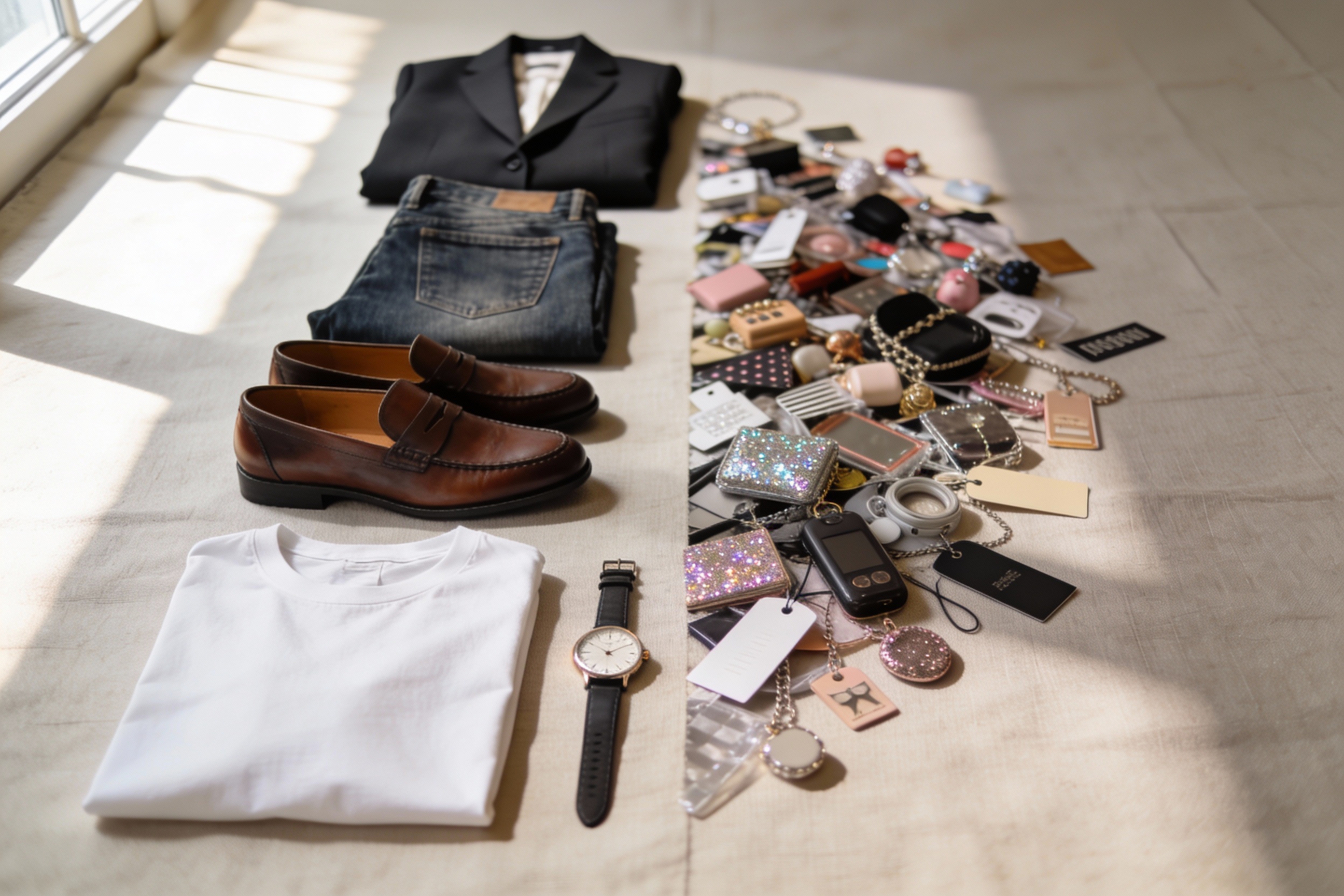
- List your top 5 most-worn items. That’s your real style, FYI.
- Note the reasons you wear them. Comfort? Fit? Color? Copy those traits.
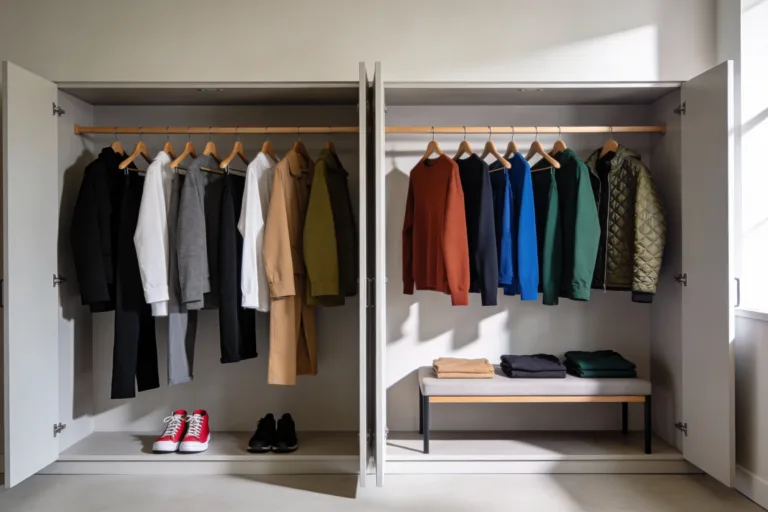
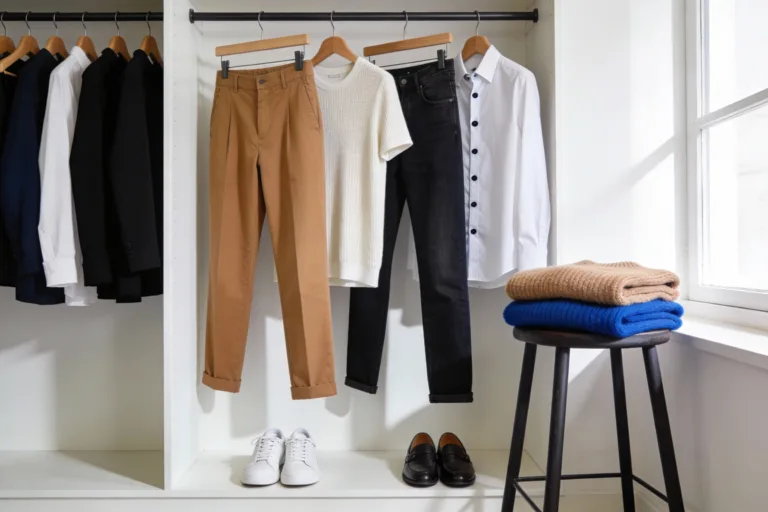
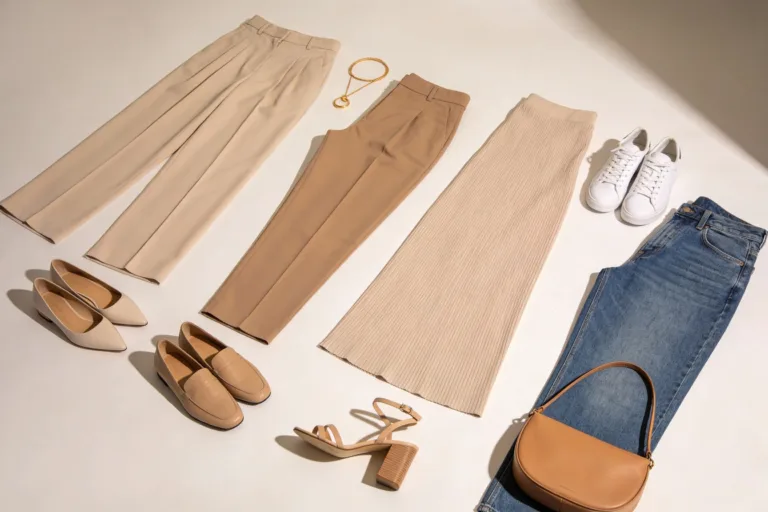
- Pick a color palette. Neutral base + 2 accent colors = effortless matching.
Try a “Buy Box”
Define what earns a spot in your closet:
- Fabric: Heavy cotton, linen, wool blends.
- Fit: Straight-leg, slightly cropped, relaxed shoulders.
- Function: Office-to-weekend, machine washable, no ironing (because life).
Price vs. Cost: Learn the Difference
Cheap can get expensive. That $25 sweater that pills in two washes? That’s a high-cost item. Think in “cost per wear,” not sticker price.
Quick math that saves money:
- Cost per wear = price ÷ number of wears.
- $180 boots worn 90 times = $2 per wear. $60 boots worn 6 times = $10 per wear.
How to Predict Cost per Wear
Ask:
- Will I wear this next season? If not, it’s a trend tax.
- Does it work with 3 items I already own? If yes, you’ll actually wear it.
- Is the care routine reasonable? If it needs hand-washing, be honest: will you?
Master a Pre-Shopping Ritual
Impulse shopping thrives on chaos. Build a mini process you follow every time. It takes five minutes and saves you from regret-buys.
My no-BS pre-check:
- Wishlist it. Add to a running list, not your cart. Let it sit 72 hours.
- Try your closet first. Can you recreate the vibe with what you own?
- Set a spending target. Not “budget” (boring), a target (intentional).
- Check returns and reviews. Look for repeat complaints about sizing or durability.
Use Tools to Slow You Down
- Price tracking: CamelCamelCamel, Honey, or built-in retailer alerts.
- Wishlist apps/notes: Keep one master list with priorities and max price.
- One-in, one-out rule: Buying new? Something old gets sold, donated, or recycled.
Buy Better Basics, Remix the Rest
Trends work best as seasoning, not the main dish. Build a base of high-quality essentials, then layer in a few trend-forward pieces.
Where to invest (IMO):
- Daily shoes that won’t destroy your feet
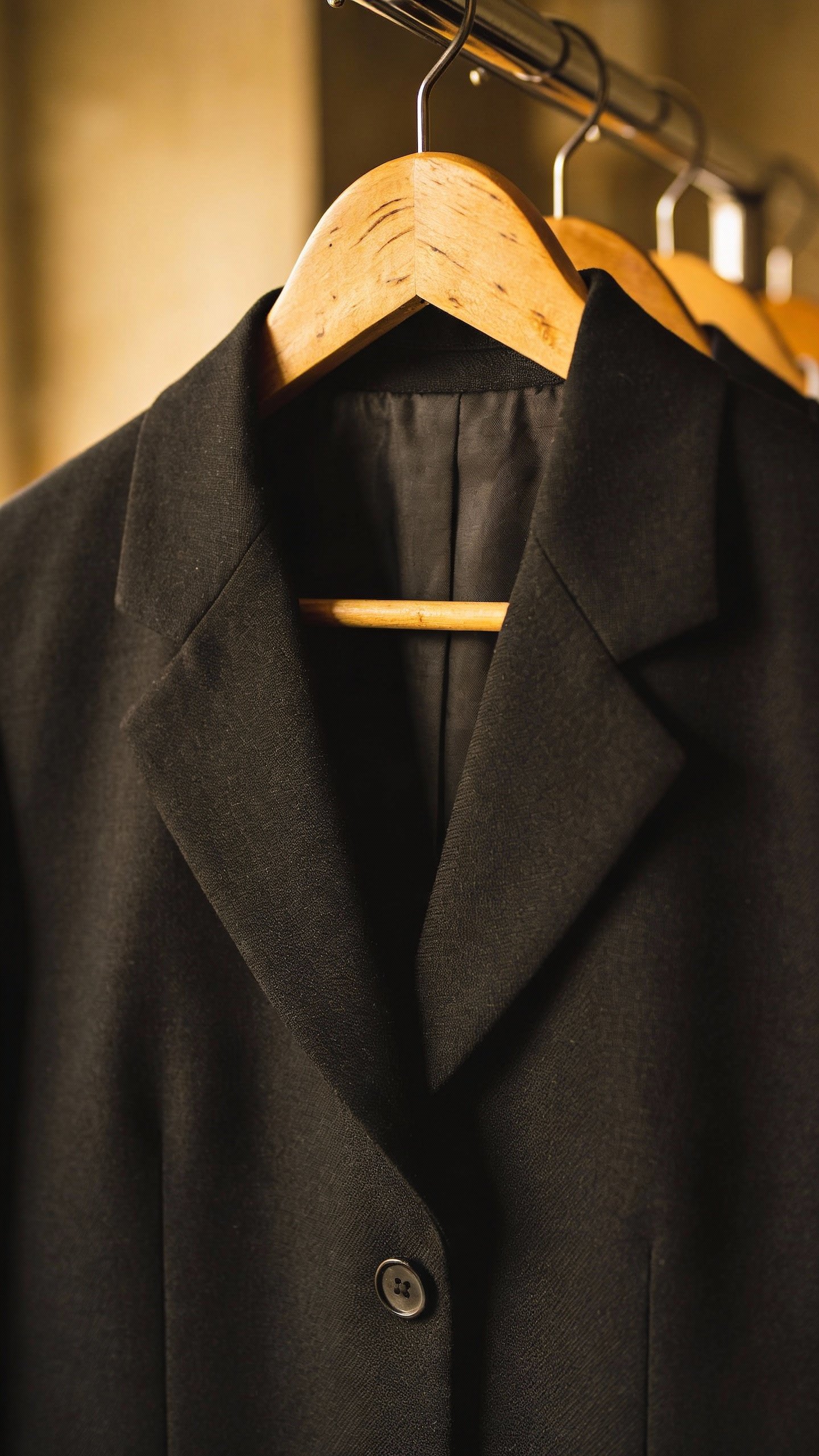
- Outerwear you’ll wear for years
- Denim or trousers that fit like a dream
- Bags that survive real life
Where to save:
- Occasion-wear (rent if possible)
- Statement accessories that trend-cycle fast
- Ultrafancy fabrics you’ll baby and rarely wear
Remix Strategy for Trend Pieces
- Pick one “loud” item per outfit.
- Use color theory: match trend tones to your base palette so nothing looks random.
- Swap trendy silhouettes with classic ones: oversized top with straight-leg bottom, and vice versa.
Shop Like a Sane Person Online
Online shopping loves a frenzy. Your job: break the spell.
Cart discipline tips:
- Compare three options. Never buy the first thing you see.
- Sort by fabric, not trend. Filter for natural fibers or proven tech blends.
- Zoom the seams and closures. Cheap zippers and flimsy stitching mean quick regret.
- Mind the return clock. Order two sizes if needed, return fast. Set a reminder.
Decode Reviews Like a Pro
- Look for reviewers with your height/weight or use fit photos.
- Ignore first-week hype. Filter for “3 months later” or “after washing.”
- Scan the 3-star reviews—they’re usually the most honest.
Play Offense with Your Budget
Budgeting doesn’t need to feel like punishment. Think strategy, not scarcity.
Build a style fund:
- Monthly cap: Set a fixed number you can spend guilt-free.
- Quarterly upgrade: Save for one bigger, better piece.
- Seasonal audit: Plan what you actually need before sales start.
Make Sales Work for You (Not the Other Way Around)
- Buy backups of items you wear out: tees, socks, favorite jeans.
- Skip “70% off” noise. Ask: would you buy it at 30% off? If not, it’s a no.
- Check return deductions—some stores keep “restocking fees.”
Care Better, Replace Less
If you take care of your stuff, you buy less. Shocking, I know.
Low-effort care that actually helps:
- Wash cool, hang dry. Heat kills elasticity and color.
- Use a fabric shaver on knits. Looks new in five minutes.
- Rotate shoes. Let them air out so they last longer.
- Tailor small fit issues. A $15 tweak can save a $150 piece.
Declutter Without Regret
- Sell or donate items you haven’t worn in a year, unless they’re formal or sentimental.
- Keep a “maybe” box for 30 days. If you don’t miss it, it can go.
- Track what you purge. Patterns reveal what not to buy again.
FAQ
How do I know if something is “me” and not just the algorithm?
Wear it at home for an hour. If you fidget, adjust, or feel like a costume, it’s not you. If you forget you’re wearing it and still look great in the mirror, that’s your lane.
Is it worth investing in pricey basics?
Usually, yes—if the fabric, fit, and versatility check out. Basics carry the most mileage, so higher quality pays off fast. Still compare options and read long-term reviews.
What if I love trends? I don’t want a boring wardrobe.
Totally fair. Pick one or two trends per season and integrate them into your existing palette. Limit yourself to pieces you can style three ways with what you already own.
How do I stop impulse buying during sales?
Go in with a list and a max spend number. If it’s not on the list, it doesn’t go in the cart. IMO, the “24-hour rule” before checkout kills most impulses without any FOMO.
Any fabric tips for buying smarter?
Look for natural fibers like cotton, linen, and wool for breathability and longevity. For performance, choose blends with a purpose (like elastane for stretch) and avoid mystery synthetics that feel plastic-y and trap heat.
What’s a realistic clothing budget?
Aim for 3–6% of take-home pay, adjusted for your lifestyle. If you commute or attend events often, push toward the higher end. If you WFH in sweats, congrats—you can save more.
Conclusion
Trends can be fun, but they shouldn’t run your closet—or your wallet. Build a uniform you love, spend where it counts, and use a simple pre-shopping ritual to avoid chaos. You’ll waste less, wear more, and actually enjoy your stuff. And hey, if a trend still passes all your filters? Buy it and rock it—guilt-free, FYI.