The Secret to How to Make Minimal-Ingredient Skincare That Works
You don’t need a 15-step routine or a medicine cabinet that looks like a chemistry lab. Your skin craves consistency, not chaos. Strip your routine down to a few smart ingredients, and you’ll see better results with less guesswork. Ready to build minimalist skincare that actually works? Let’s do it.
Why Fewer Ingredients Can Mean Better Skin
Minimal-ingredient formulas reduce the chance of irritation. Fewer things to react to equals fewer surprises on your face. Also, you can actually tell what’s working because you’re not juggling 12 variables.
Bonus: You save money and time. No more 20-minute bedtime skincare marathons. Your routine becomes quick, calm, and effective. And IMO, that’s the whole point.
Overeating doesn’t mean something is wrong with you. It means your system needs a reset.
If cravings keep pulling you off track, this helps you regain control without restriction. You’ll learn simple, realistic steps to stop overeating and feel satisfied again.
Know Your Non-Negotiables
Before you DIY or shop smarter, get clear on the essentials. You don’t need everything; you need the right things.
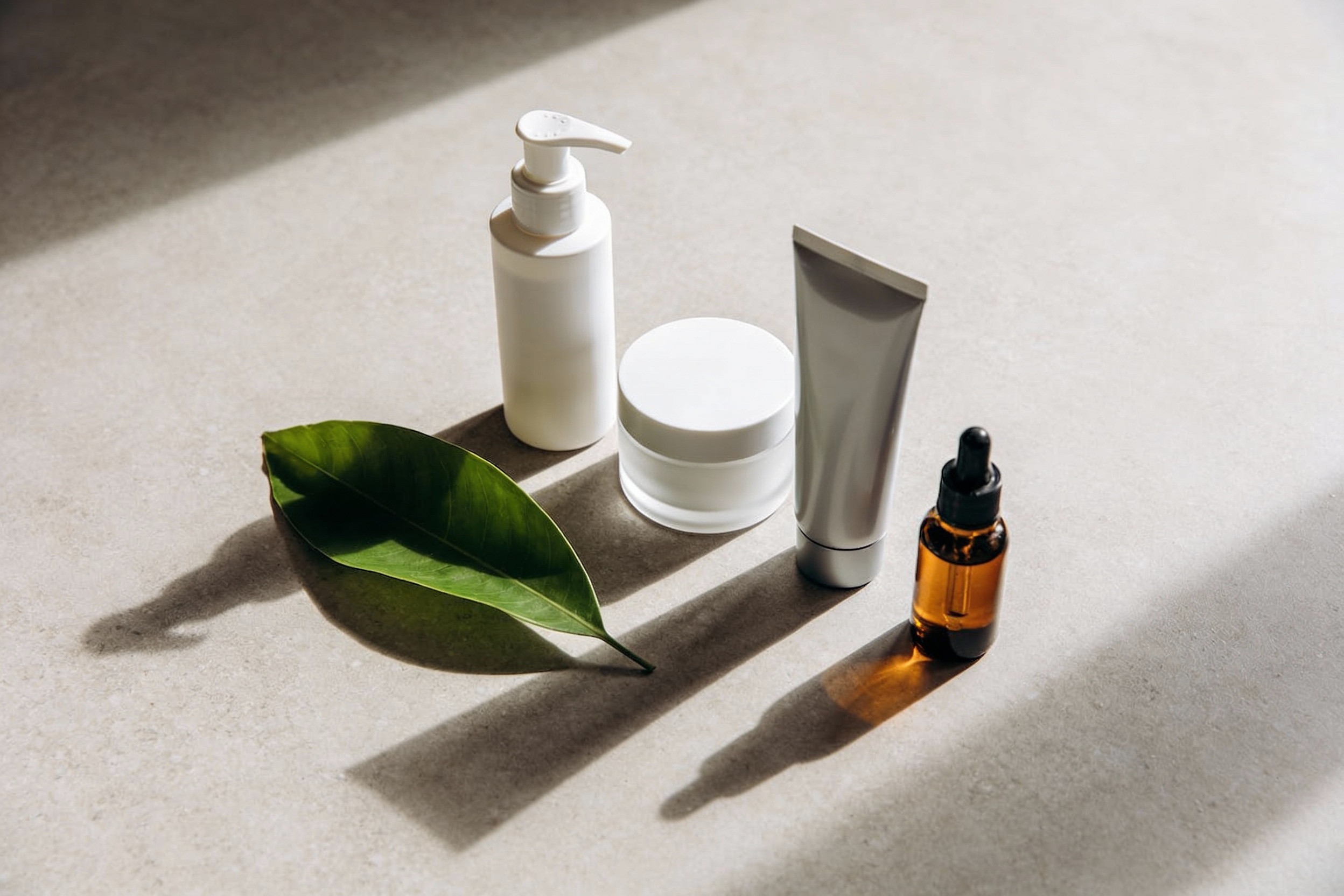
- Cleanser: Gentle, low-foam or non-foaming. Avoid strong fragrances or harsh surfactants.
- Moisturizer: Simple base with humectants, emollients, and a touch of occlusion.
- Sunscreen (daytime): Broad-spectrum SPF 30+. No exceptions.
- Targeted active (optional): Add one for your main concern: niacinamide, azelaic acid, retinoid, or vitamin C.
That’s your core. Everything else is optional. Eye cream? Nice if you like it, but your face moisturizer often works fine there too. FYI: marketing loves to complicate this.
Build a Minimal Routine That Works
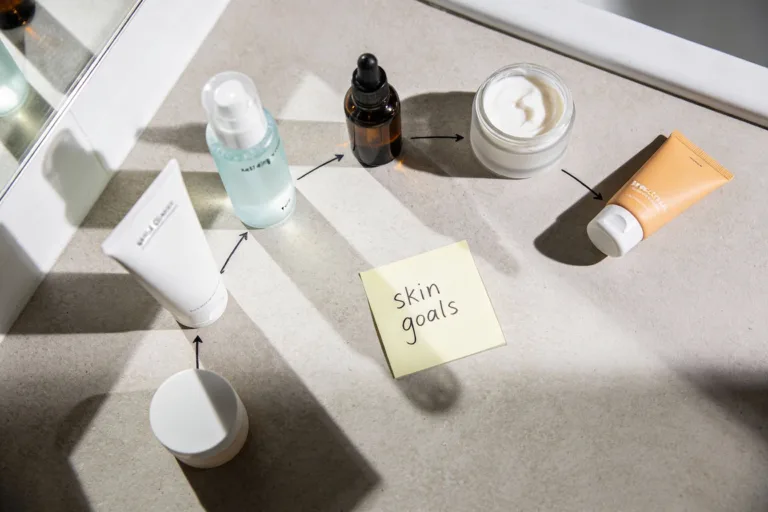
You want a routine you’ll actually follow. Keep it lean and consistent.
Morning
- Cleanser (optional): If your skin feels oily, cleanse. If not, rinse with water.
- Active (if gentle): Niacinamide or vitamin C derivative.
- Moisturizer: Lightweight, non-greasy.
- Sunscreen: Broad-spectrum SPF 30+ as your final step.
Evening
- Cleanser: Remove sunscreen and grime. If you wear makeup, use a mild oil or balm first.
- Active (1 at a time): Retinoid or azelaic acid on alternate nights if you’re new to actives.
- Moisturizer: Slightly richer than your daytime one if you’re dry or sensitive.
Key rule: Introduce actives slowly. Use 2-3 times a week, then increase as your skin tolerates. Skin likes patience more than heroics.
The Power Players: Minimal Ingredients That Do the Most
Let’s spotlight a handful of ingredients that give you maximum payoff with minimal drama.
For Cleansing
- Glycerin + mild surfactants (coco-glucoside, decyl glucoside): cleanse without stripping.
- Squalane (in a cleansing oil): dissolves sunscreen and makeup, rinses clean.
For Hydration and Barrier Support
- Glycerin: Cheap, powerful humectant. Skin loves it.
- Hyaluronic acid or sodium hyaluronate: Pulls in water; use under a moisturizer.
- Squalane: Lightweight emollient that mimics skin’s natural lipids.
- Ceramides: Replenish the barrier. Look for simple formulas with few extras.
- Petrolatum (or ointment): Excellent occlusive for slugging-style spot repair.
For Brightening and Calm
- Niacinamide (2-5%): Balances oil, brightens, strengthens the barrier.
- Azelaic acid (10-15%): Reduces redness, helps acne, evens tone. Sensitive-skin MVP.
For Aging and Texture
- Retinoid (retinol or retinal): Improves texture, fine lines, and breakouts. Go low and slow.
- Vitamin C (ascorbic acid or stable derivatives): Brightens; antioxidants help defend against environmental stressors.
DIY Minimal Skincare (That Doesn’t Wreck Your Barrier)
You can keep it insanely simple at home. Focus on easy, stable mixes. Skip kitchen-sink science experiments.
2-Ingredient Cleansing Oil
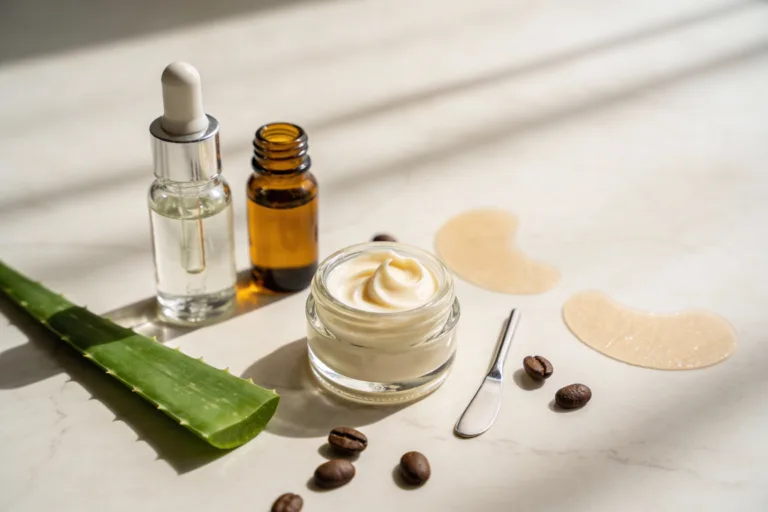
- Ingredients: 100% squalane oil + a warm washcloth.
- How: Massage 6-8 drops on dry skin. Emulsify with a damp cloth. Follow with a gentle cleanser if needed.
Simple Humectant Serum
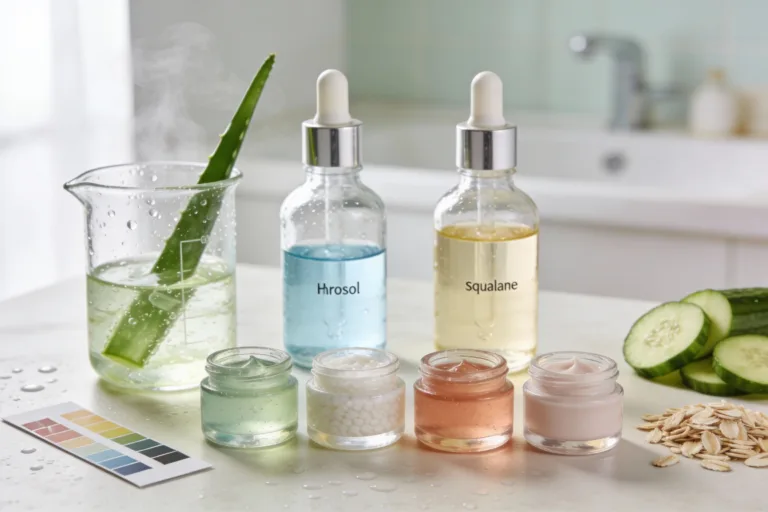
- Ingredients: Glycerin (5-10%) + distilled water or hydrosol (90-95%).
- How: Mix in a clean bottle. Apply to damp skin, then moisturize. Start at 5% if you live in a dry climate.
Barrier-First Moisturizer Hack
- Ingredients: Fragrance-free lotion + 2-3 drops squalane per application.
- How: Blend in palm and apply while skin feels slightly damp.
Pro tip: Keep it clean. Use sanitized tools, label your mixes, and toss anything that looks or smells off. If you want to store longer than a couple weeks, you need proper preservatives—otherwise, make small batches.

How to Read a Minimalist INCI List
Short ingredient lists are great, but you still need to skim like a pro. You don’t need a chemistry degree; just a few checks.
- Count items: Under 15 ingredients? Promising. Under 10? Chef’s kiss.
- Fragrance-free: Look for “fragrance,” “parfum,” or essential oils. Fragile skin often gets cranky with them.
- Alcohols: Fatty alcohols (cetyl, cetearyl) = fine. SD alcohol/denatured alcohol high on the list can feel drying.
- Actives and %: Brands rarely list exact percentages, but if an active sits near the top third, you’ll likely feel it.
- Allergens: If you’re sensitive, check for common triggers like essential oils, menthol, eucalyptus, or high-level acids.
Minimal ≠ Boring
A short list can still pack a punch. One hero + a supportive base often beats five competing actives. Less clash, more clarity.
Troubleshooting: When Simple Still Goes Sideways
Sometimes even minimal routines misbehave. Don’t panic—tweak.
- Tight, squeaky skin after washing? Your cleanser strips. Switch to a gentler one or cleanse once daily.
- Shiny but dehydrated? Add a humectant layer (glycerin serum), then seal with a light moisturizer.
- Redness or stinging? Pause actives for a week. Stick to cleanser, moisturizer, SPF. Reintroduce one active at a time.
- Breaking out after adding a product? Stop it for two weeks. Reintroduce slowly to test if it’s purging or irritation.
Remember: Change one thing at a time. Your skin can’t give feedback if you switch four products at once.
Sample Minimal Routines by Skin Type
Use these as starting points, not rigid rules. Your skin gets final say.
Oily/Acne-Prone
- AM: Water rinse, 2-5% niacinamide, lightweight moisturizer, SPF 50.
- PM: Gentle gel cleanser, azelaic acid or retinoid (alternate nights), gel-cream moisturizer.
Dry/Dehydrated
- AM: Gentle cleanser, glycerin serum, ceramide moisturizer, SPF 30+.
- PM: Cream cleanser, retinoid 2-3x/week, richer moisturizer, optional thin petrolatum layer on flaky spots.
Sensitive/Reactive
- AM: Water rinse, ceramide moisturizer, mineral SPF.
- PM: Milk/cream cleanser, azelaic acid 2-3x/week, bland moisturizer (no fragrance, no essential oils).
FAQ
Can I use just one product for everything?
You can use a simple moisturizer morning and night and add sunscreen during the day. That’s the bare minimum. It works for many people when their skin stays calm. If you want to target specific issues, add a single active.
Is natural always better than synthetic?
Nope. “Natural” can still irritate (looking at you, citrus oils). “Synthetic” can be gentle and effective. Focus on how your skin reacts and the evidence behind the ingredient, not the vibe of the marketing.
How long before I see results from a minimal routine?
Hydration and soothing can show up in a week. Texture and tone changes take 4-8 weeks. Retinoids and pigment work can take 12 weeks or more. Consistency beats intensity every time.
Can I mix actives together to save time?
You can, but simple routines usually work better when you separate them. If you combine, keep it gentle: niacinamide plays nice with most things. Avoid stacking strong acids with retinoids until your skin proves it can handle the combo.
What’s the best minimal sunscreen?
The one you’ll apply generously every day. For sensitive skin, try a mineral formula with zinc oxide, short ingredient list, and no fragrance. For oily types, a lightweight gel-cream with broad-spectrum SPF 30+ feels less heavy.
Do I need an eye cream?
Not mandatory. If your regular moisturizer doesn’t sting around your eyes, use that. Eye creams can help if you prefer a specific texture or need extra gentleness, but they’re optional.
Conclusion
Minimal-ingredient skincare cuts through the noise and puts your skin first. Start with cleanser, moisturizer, and SPF. Add one smart active for your main goal, and give it time. Keep it gentle, keep it consistent, and FYI, your face will thank you. Simpler routine, clearer results—no 10-step circus required.