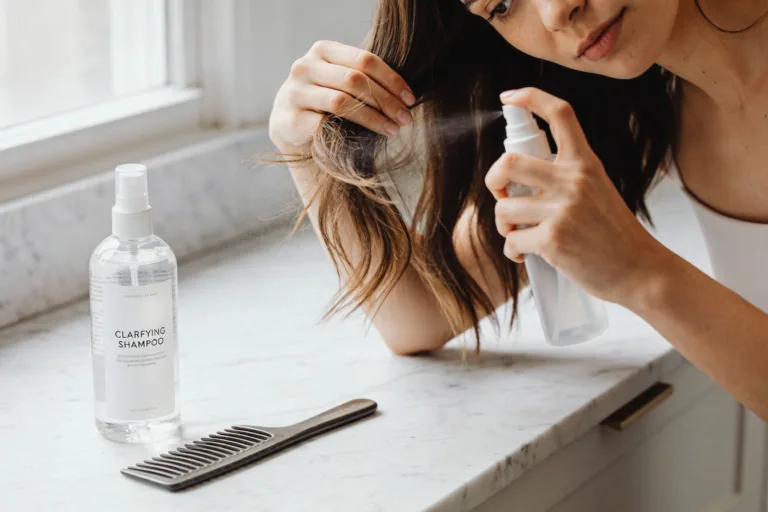
The Secret to How to Fix Split Ends Without Cutting Your Hair Short
Split ends always show up right when you want glossy hair, right? You don’t want a drastic cut, but those frayed ends keep multiplying like a bad rumor. Good news: you can manage them, disguise them, and slow them down without sacrificing length. Let’s fix the damage, protect what you’ve got, and keep your hair looking sleek while it grows.
First, Know Your Enemy: What Split Ends Actually Are
Split ends happen when the protective outer layer of your hair (the cuticle) wears down. The inner core frays, and the strand splits into two or more tiny tails. Heat, rough brushing, chemicals, and just… life can cause it.
Key truth: You can’t “heal” a split end permanently. But you can seal it temporarily, prevent more splits, and make your ends look healthy while you keep your length.
Overeating doesn’t mean something is wrong with you. It means your system needs a reset.
If cravings keep pulling you off track, this helps you regain control without restriction. You’ll learn simple, realistic steps to stop overeating and feel satisfied again.
Smart Wash Routine: Clean Without Stripping

You want clean roots and protected ends. That balance matters more than you think.
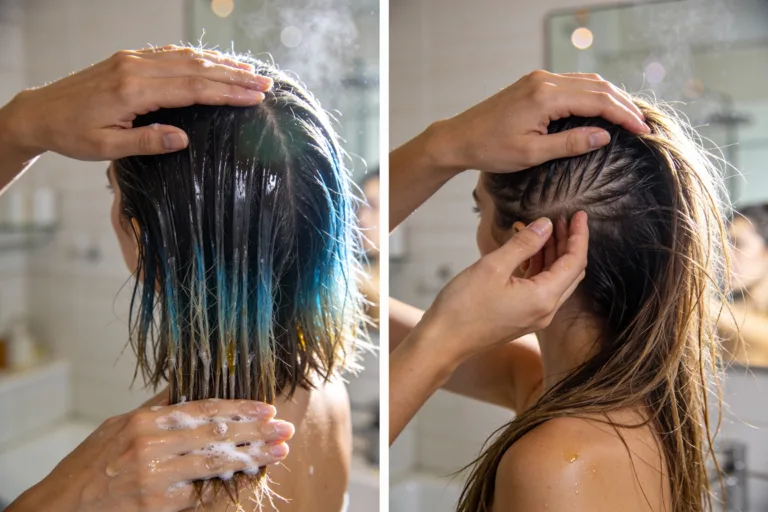
- Shampoo your scalp, not your ends. Let the suds run down—don’t scrub the lengths.
- Use a gentle, sulfate-free formula if your hair gets dry easily.
- Condition every time. Focus on mid-lengths to ends. Comb the conditioner through with your fingers or a wide-tooth comb.
- Finish with cool water. It helps the cuticle lie flatter for extra shine.
How often should you wash?
If your scalp gets oily, wash every 1–2 days. If it’s dry, try every 2–4 days. Overwashing can make ends brittle, so find the sweet spot and stick with it.
Seal the Deal: Leave-Ins, Oils, and Serums That Fake Perfection
You can’t glue hair back together permanently, but you can make it look smooth and resist more damage.
- Leave-in conditioner for softness and slip. Look for ingredients like glycerin, panthenol, or aloe.
- Serums with silicones (like dimethicone or amodimethicone) to “seal” the cuticle and reduce snagging. FYI: silicones aren’t evil; just wash regularly.
- Lightweight oils (argan, jojoba, grapeseed) to add shine and protect the ends. A drop or two—no greasy seagull vibes.
Application tips
Rub product between your palms, then “prayer hands” it over the ends. Start small. You can always add more, but you can’t un-oil your head… unfortunately.
Heat Styling Without the Fallout

Heat breaks down hair’s protein bonds. You don’t need to go full monk and give up hot tools forever, but you do need strategy.
- Always use heat protectant. Spray or cream—just use it. Look for words like “thermal protection up to 450°F.”
- Lower the temp. Most hair doesn’t need more than 300–350°F (150–177°C). Fine hair often needs even less.
- Fewer passes. One slow pass with a quality tool beats five quick ones at high heat.
- Embrace no-heat styles sometimes: braids, buns, heatless curls. Your ends will thank you.
Blow-dry smarter
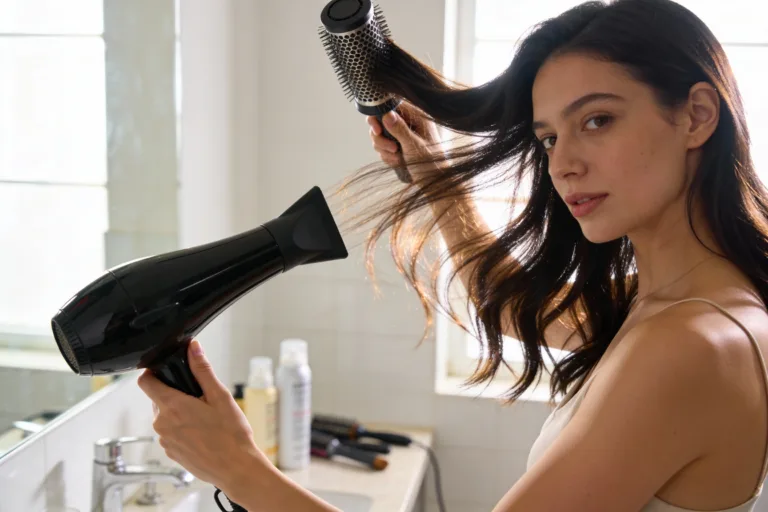
Use a nozzle, keep the dryer moving, and aim downward along the hair shaft to smooth the cuticle. Finish with a cool shot. It’s basically a quick chill therapy session for your ends.
Detangle Like You Respect Your Hair
Most split ends start with one bad brush session. Don’t let detangling turn into a fight.
- Detangle wet hair with slip. Use conditioner or a detangling spray.
- Start from the ends, work up. Patience now saves inches later.
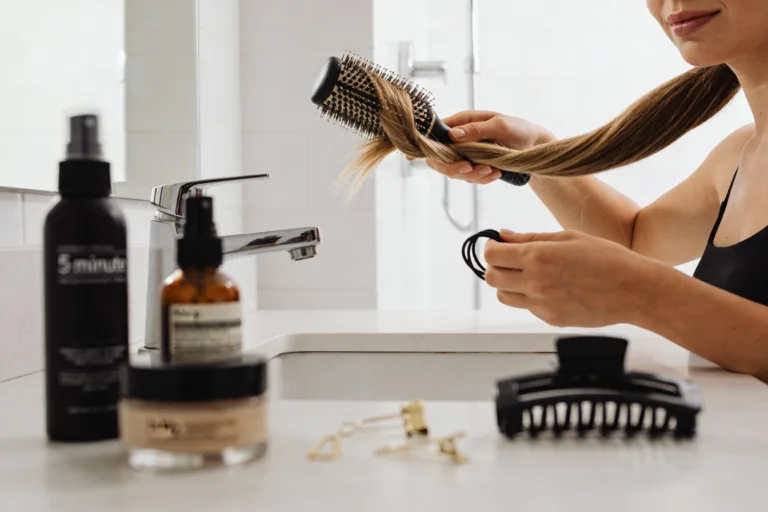
- Choose kinder tools: wide-tooth comb, flexible detangling brush, or your fingers.
- Microfiber towel or T-shirt dry. Regular towels rough up the cuticle and create frizz city.
Everyday friction adds up
Swap cotton pillowcases for silk or satin. Toss hair into a loose braid or scrunchie bun at night. Avoid rubber bands with metal bits (aka split-end confetti machines).

Conditioning Power-Ups: Masks and Treatments

Think of weekly treatments as your split-ending insurance policy.
- Hydrating masks with ingredients like shea butter, honey, or hyaluronic acid for moisture.
- Protein treatments (keratin, hydrolyzed wheat, silk) to reinforce weak spots. Use sparingly—too much protein can make hair stiff and snappy.
- Bond-building treatments that target broken disulfide bonds. These won’t glue split ends back, but they can reduce breakage and make hair feel stronger.
How often?
– Dry, coarse, or curly hair: mask weekly, protein every 2–4 weeks
– Fine or oily hair: mask every 1–2 weeks, protein monthly
– Bond builders: every 1–3 weeks depending on damage
Style Smarter: Cuts That Keep Length and Hide Damage
You don’t want a major chop. Totally fair. But a few snips in the right places can save your length and your sanity.
- Micro trims or “dusting.” Remove just the very tips (like 1/4 inch) every 8–12 weeks to stop splits from traveling up the strand.
- Face-framing layers or long layers. They disguise frayed ends and make hair move better.
- Blunt hemlines can look thicker, while point cutting softens—ask your stylist based on your hair type.
Can you DIY dust?
If you’re steady-handed, twist small sections and snip the fuzzy bits that poke out. Use sharp hair shears only. Regular scissors crush ends and make things worse, IMO.
Daily Habits That Keep Ends Intact
The little things you do every day make the biggest difference.
- Protect before workouts and errands. Braid or clip your hair to avoid tangling and friction.
- Mind the water. Hard water can dry hair. Use a shower filter or a chelating shampoo once a month if buildup happens.
- Sun and chlorine protection. Wear a hat, use UV sprays, or saturate hair with conditioner before swimming.
- Feed your hair from the inside. Protein, omega-3s, iron, and biotin-rich foods support growth. Supplements help only if you have a deficiency—just being honest.
Product cheat sheet
– For fine hair: lightweight leave-in, serum with amodimethicone, occasional protein
– For medium hair: balanced moisture + protein, light oil on ends
– For coarse/curly hair: richer masks, cream leave-ins, sealing oils like castor or olive on the very tips
Quick Fixes When You Spot a Split
Caught a rogue split end in the wild? Don’t panic.
- Snip it cleanly. One tiny cut beats letting it ladder up the strand.
- Use a split-end mender for a temporary seal. It won’t last forever, but it buys time and looks smooth.
- Switch to protective styles for a few days: low buns, braids, or clip styles that hide and protect the ends.
FAQ
Can I actually repair split ends?
You can’t fuse the hair back together permanently. You can use serums or menders to temporarily seal and smooth them, reduce frizz, and protect against more splitting. The only permanent fix is trimming, but you can delay big cuts with smart care.
Do silicones cause more split ends?
Not inherently. Silicones create slip and reduce friction, which can help prevent splits. If you use heavy silicones and never clarify, you might see buildup. Use a gentle clarifying shampoo every 2–4 weeks to reset. Balance is key, FYI.
How often should I get a trim if I want to keep length?
Aim for a micro trim every 8–12 weeks. Ask for a “dusting” so you keep most of your length while stopping splits from traveling. If you heat style often, go closer to 8 weeks.
Are heatless curl methods safe for split ends?
Mostly yes, as long as you prep properly. Use a leave-in, detangle first, and don’t wrap hair too tight. Silk or satin rods or a soft headband work better than rough fabric that snags.
Do hair vitamins stop split ends?
Vitamins help only if you’re deficient. They won’t override harsh heat, rough brushing, or bleaching. Eat balanced meals, hydrate, and focus on gentle styling. Supplements can complement good habits, not replace them.
Is air-drying better than blow-drying?
It depends. Long, soaking-wet hair swells for a long time and that can weaken it. Towel gently, add leave-in, then either air-dry partially or blow-dry on low with heat protectant. Hybrid approach wins, IMO.
Conclusion
Split ends don’t need to bully you into a short haircut. With smart washing, leave-ins and serums, kinder detangling, strategic heat, and tiny trims, you can keep your length and your sanity. Choose habits that protect your ends today, and you’ll need fewer scissors tomorrow. Shiny hair, minimal drama—that’s the goal.