The Secret to How to Build a Wardrobe That Mixes and Matches Easily
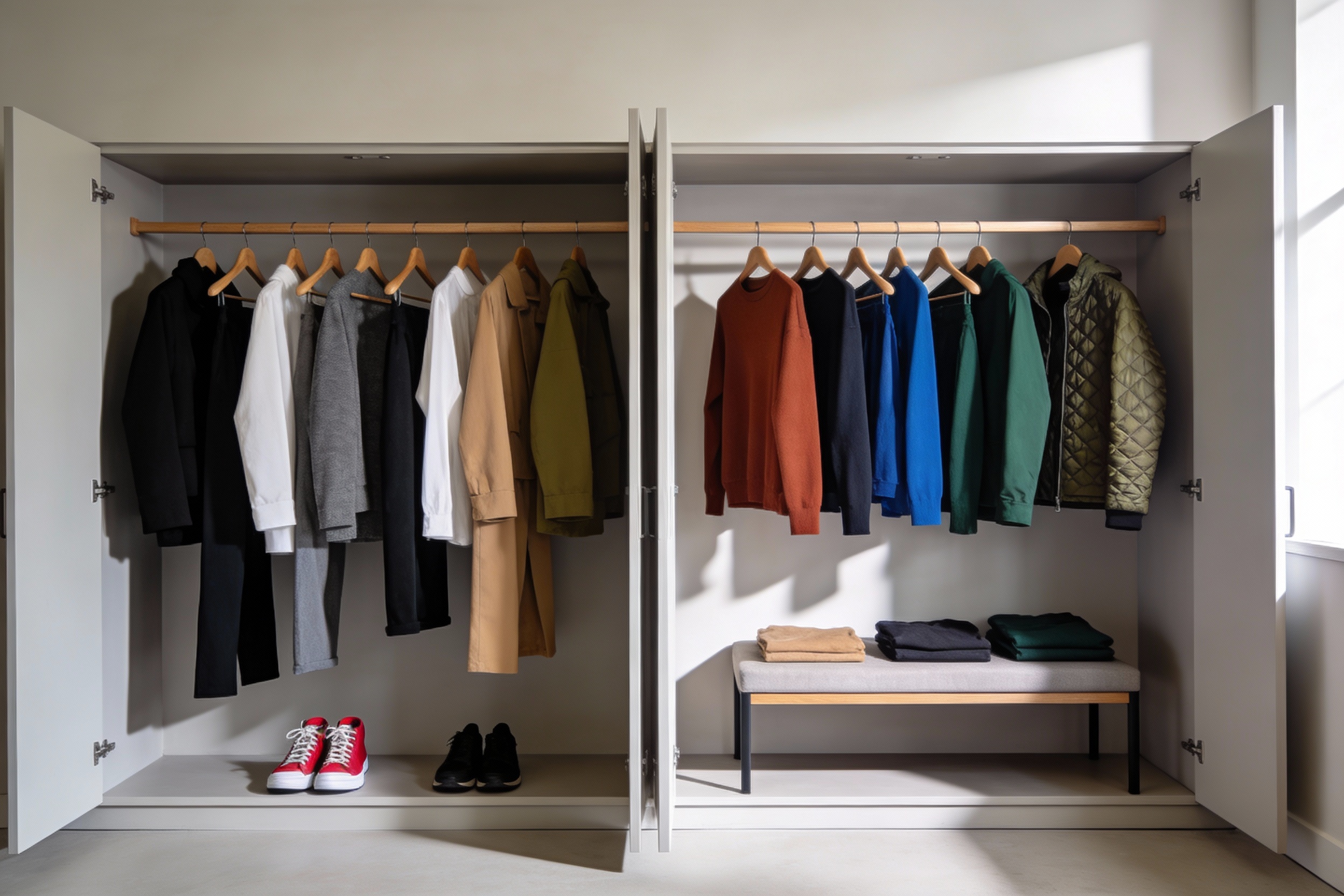
You want a wardrobe where everything plays nice together, right? No more “why does nothing match?” panic five minutes before you head out. Good news: you can build a mix-and-match setup that feels effortless, looks cohesive, and actually fits your life. No capsule-wardrobe dogma, no boring uniforms—just clothes that get along.
Start with a Clear Style Direction
You can’t mix and match if you don’t know your vibe. Pick a style lane (or two) and stick to it. Minimalist streetwear? Clean classic? Soft, tailored prep? Choose a mood board, not a costume.
Overeating doesn’t mean something is wrong with you. It means your system needs a reset.
If cravings keep pulling you off track, this helps you regain control without restriction. You’ll learn simple, realistic steps to stop overeating and feel satisfied again.
Define your three-word style
Pick three words you want your outfits to say. Examples:
- Clean, relaxed, confident
- Sporty, modern, polished
- Easy, tailored, cool
Now hold every piece against those words. If it doesn’t vibe, it doesn’t stay. Brutal, but effective.
Build a Flexible Color Palette
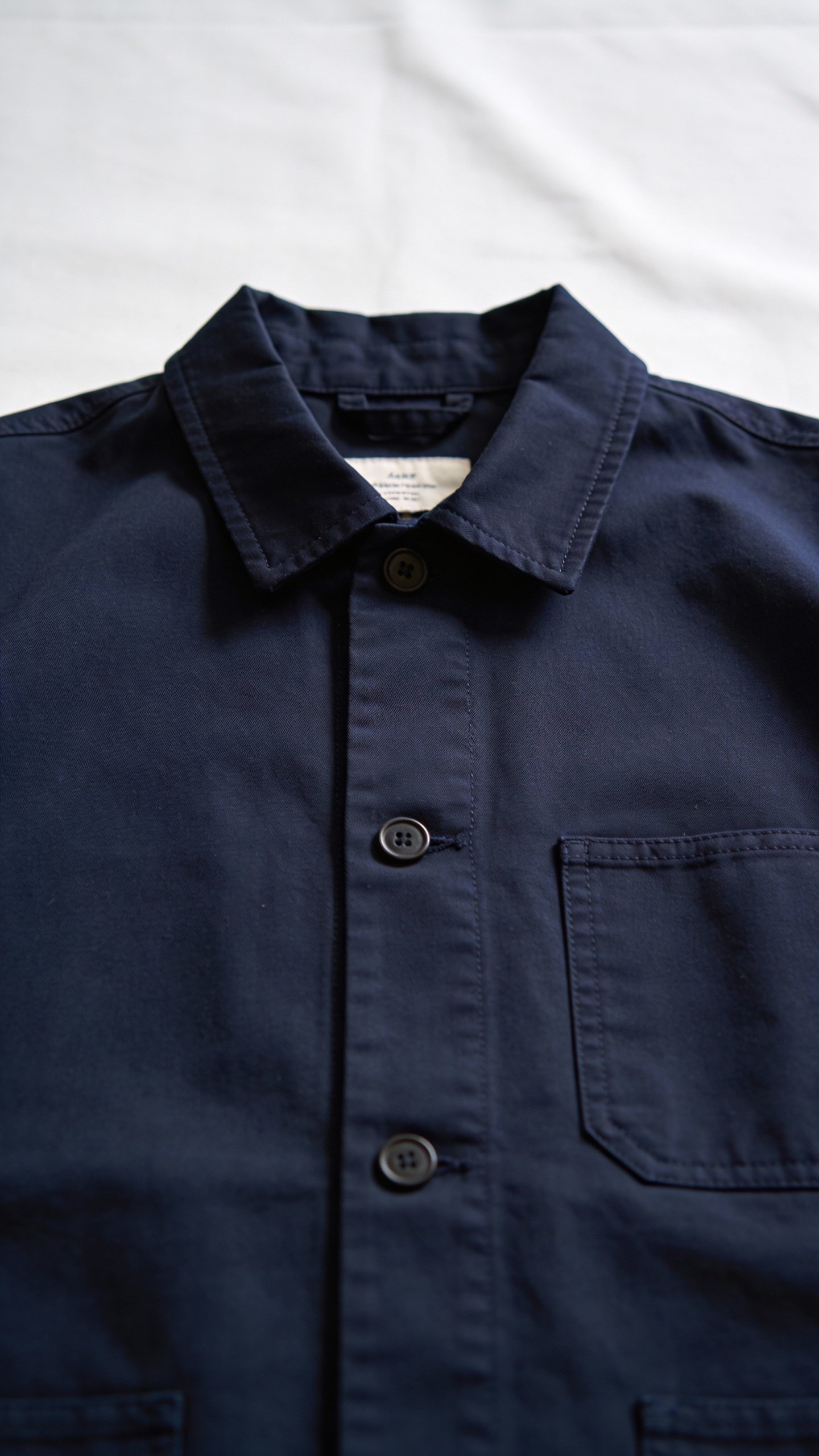
Color makes mixing easy—or chaotic. Aim for a palette that supports endless combos without looking stale.
The 70/20/10 rule
- 70% neutrals: black, white, gray, navy, tan, olive. These anchor your outfits.
- 20% accent colors: think rust, cobalt, forest, burgundy. Pick 1–3 you love.
- 10% statement: a print, a bold sneaker, a textured jacket. The fun stuff.
FYI, not all neutrals match each other exactly. Warm beiges hate cool grays. Pick either a warm base (cream, camel, brown) or a cool base (white, gray, black, navy). Mixing warm and cool can work—just do it intentionally.
Choose prints you can actually wear
Stick to timeless, low-contrast prints for maximum pairability:
- Stripes: navy/white, black/white
- Checks: small-scale gingham, windowpane
- Subtle textures: ribbed knits, herringbone, slub cotton
IMO, one or two hero prints per season is plenty. More than that, and your closet starts arguing with itself.
Nail the Core Staples (But Make Them Yours)
Yes, you need basics. No, they don’t have to be boring. Choose versions that fit your style words.
Tops that pull weight
- 2–3 tees: one white, one black or navy, one accent color. Go for a fit you love—slim, boxy, or relaxed.
- 1–2 button-downs: oxford or poplin. Blue and white cover almost everything.
- 1 knit layer: crewneck or turtleneck in a neutral. Texture adds interest without chaos.
Bottoms that mix with everything
- Jeans: one dark wash, one mid-wash. Avoid heavy distressing for easier pairings.
- Trousers: navy, charcoal, or tan. Pick a silhouette that fits your life—straight, wide, tapered.
- Casual option: chinos or structured joggers for off-duty days.
Jackets that instantly upgrade
- Smart-casual: unstructured blazer or chore jacket
- Casual: denim jacket or bomber
- Weather layer: trench, wool coat, or lightweight parka (climate and vibe dependent)
Shoes that set the tone
Shoes decide how dressed-up your outfit feels. Keep 3 types:
- Clean sneakers: white or black, low-profile
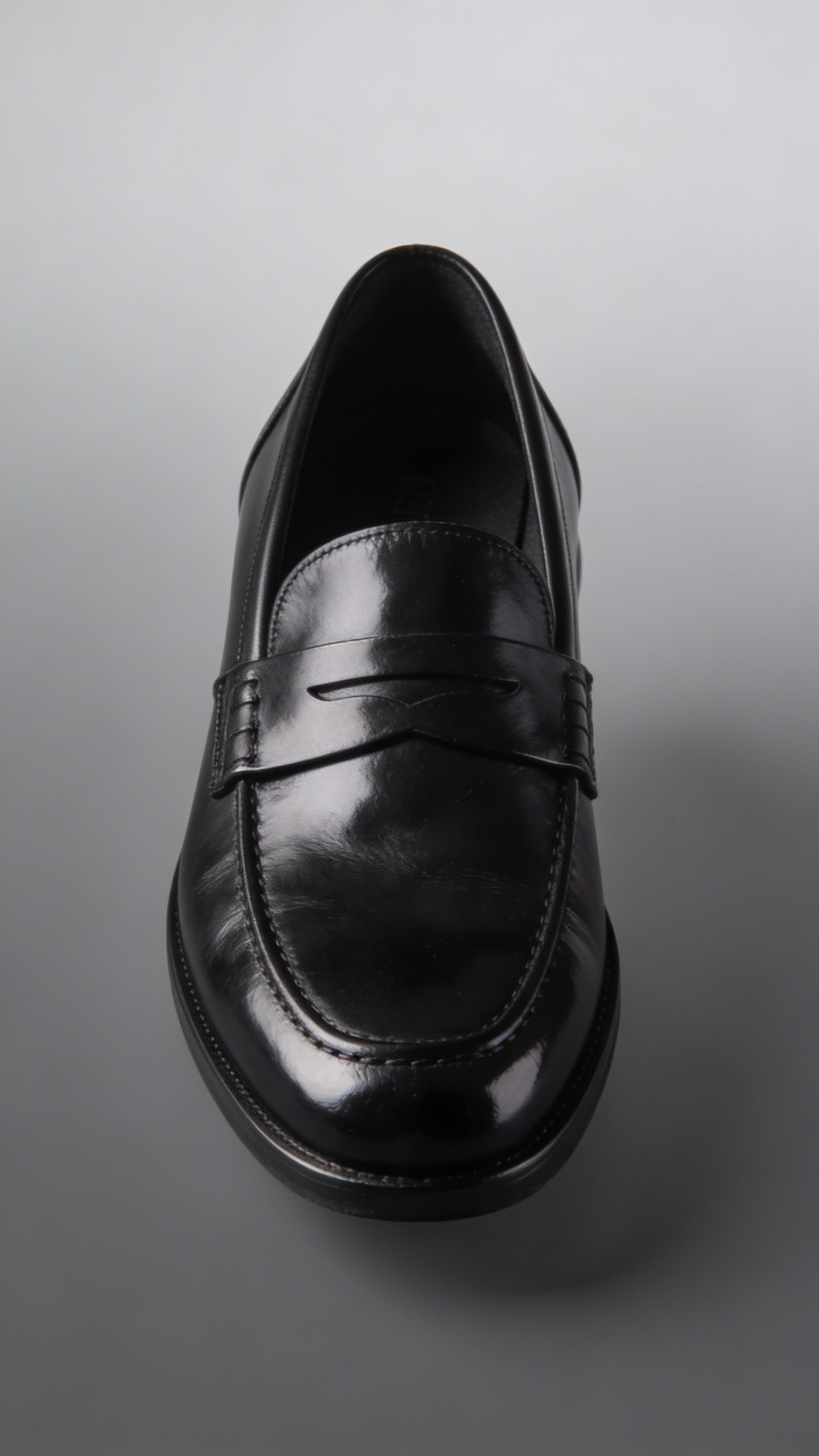
- Dress option: loafers, brogues, or sleek boots
- Casual daily: suede desert boots, retro runners, or clogs (yes, clogs—fight me)
Prioritize Fit and Silhouette
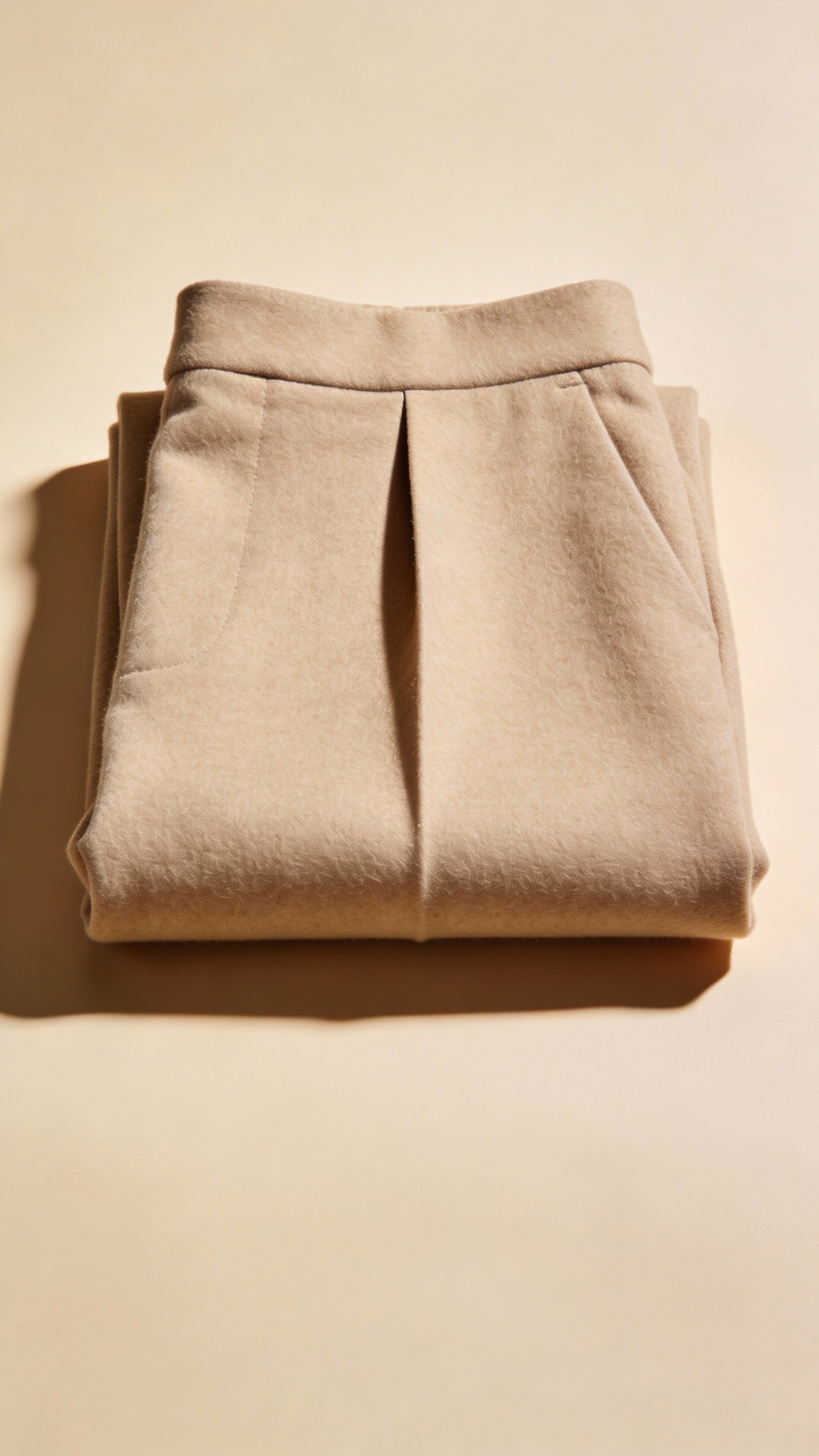
Matching colors is easy. Matching shapes is the actual game. Balance is everything.
Silhouette formulas that never fail
- Relaxed top + slim/straight bottom: boxy tee with tapered trousers
- Fitted top + relaxed bottom: slim knit with wide-leg pants
- Structured jacket + soft layers: blazer over tee and drapey trousers
Pick a uniform silhouette you love and repeat it across outfits. That consistency makes mixing painless.
Fit checklist
- Shoulders: seam sits right on the edge—no droop, no strain
- Sleeves: hit at wrist bone, not mid-hand
- Pants: hem skims your shoe without puddling (unless you want the puddle look—trend alert)
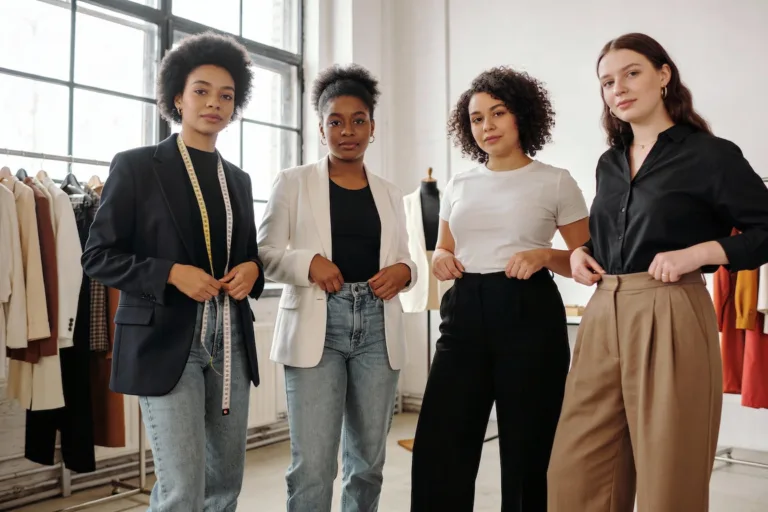
Tailors exist. Use them. A quick nip can make a $60 blazer look like money.
Create Outfit Formulas You Can Riff On
Outfits get easier when you build templates. Think of them like recipes you can remix.
Three foolproof formulas
- Smart casual: button-down + trousers + sneakers + lightweight jacket
- Weekend chill: tee + jeans + overshirt + boots
- Work-ish: knit + tailored pants + loafers + coat
Swap colors, textures, and shoes to get 10+ looks from each formula. Less thinking, more wearing.
Edit Ruthlessly and Buy Intentionally
No one builds a versatile wardrobe by accident. Make space, then fill gaps on purpose.
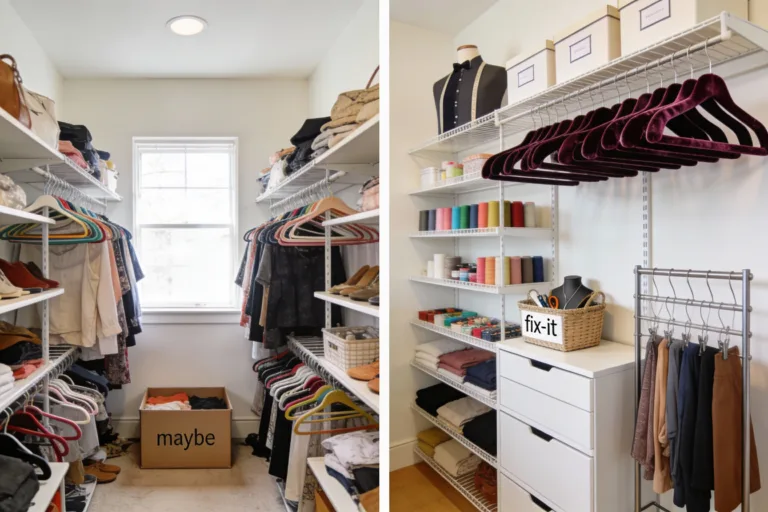
Do a closet audit
- Pull everything out. Yes, everything. Sorry.
- Group by category. Tops, bottoms, layers, shoes.
- Try it on. Anything itchy, ill-fitting, or “meh”? Out.
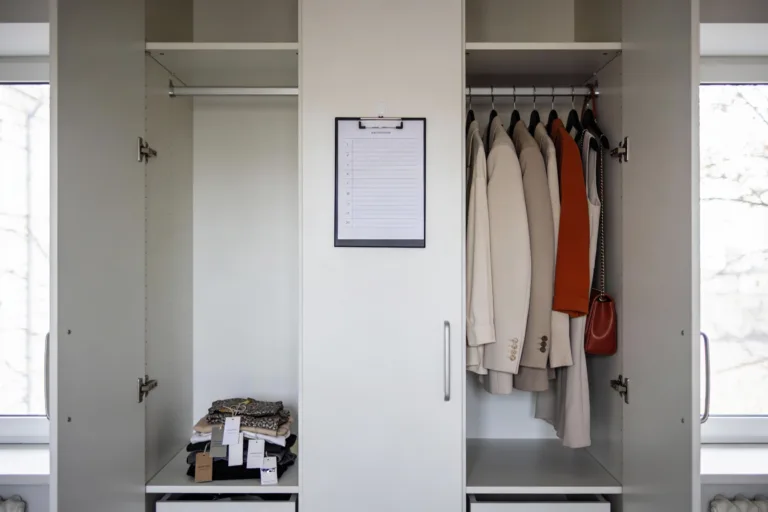
- Identify gaps. Missing a neutral cardigan? No decent sneakers? Make a list.
Adopt a one-in, one-out policy
Every new purchase replaces something. You’ll buy less, and your closet will stay coherent. It’s harsh, but it works. FYI, impulse buys rarely become staples.
Quality over quantity (strategically)
Spend more on high-rotation items:
- Outerwear: you wear it constantly
- Shoes: comfort and durability matter
- Tailored pieces: fit makes or breaks them
Save on trendier pieces or basics that wear out fast, like white tees.
Add Personality Without Breaking the System
You don’t need a loud closet to have a loud style. Small tweaks do the trick.
Texture is your best friend
Mix cotton, denim, suede, leather, knits, and wool. Texture creates interest without color-clashing chaos. A ribbed knit with smooth trousers? Chef’s kiss.
Accessorize like you mean it
- Belts: black and brown cover 90% of looks
- Watches/jewelry: pick silver or gold as your metal lane
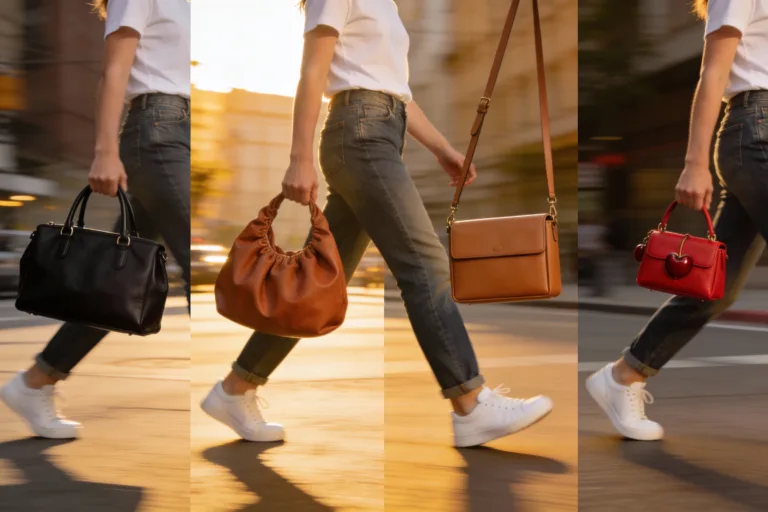
- Bags: a structured tote or clean backpack ties outfits together
- Hats/scarves: seasonal flair that doesn’t demand commitment
Signature “you” pieces
Choose one element that screams you. A specific sneaker, a leather jacket, a bold lip, a stack of rings. Repeat it often. That consistency glues your wardrobe together in people’s minds.
Care and Rotate Like a Pro
Clothes last longer when you treat them right. Shocking, I know.
- Wash less, air more: especially denim and knitwear
- Use wooden hangers: keep shoulder shapes intact
- Shoe trees: help leather shoes stay crisp
- Seasonal swap: store off-season pieces clean and folded
IMO, good maintenance is the secret sauce to a wardrobe that always looks pulled together.
FAQs
How many pieces do I need for a mix-and-match wardrobe?
You don’t need a strict number, but 25–35 pieces across tops, bottoms, layers, and shoes gives you tons of combinations. Start with what you have, fill gaps, and avoid duplicates that serve the same purpose. If two pieces compete, keep the one you reach for more.
Can I mix black and brown or navy and black?
Yes, absolutely. The trick is intentionality and texture. Pair black with rich brown leather or navy with deep black denim for contrast. Keep the rest of the outfit simple so it reads as deliberate, not accidental.
What if I love color—do I have to stick to neutrals?
Nope. Keep a neutral base and use color as the spice. Pick 2–3 accent shades that play well together (like forest green, cream, and rust) and repeat them across pieces. That repetition creates cohesion without muting your personality.
How do I handle trends without wrecking versatility?
Treat trends like toppings, not the pizza. Add one trend piece per outfit max—maybe a chunky loafer or a cropped jacket—and keep the rest classic. When the trend fades, your core still works.
What if my lifestyle needs multiple “modes” (work, gym, weekends)?
Build micro-capsules for each mode that still share a palette. For example, your work trousers and your weekend chore jacket can live in the same navy/olive/white world. Shared colors let pieces cross over more often.
How do I know when an item doesn’t belong?
Ask three questions: Does it match my style words? Does it pair with 3+ things I already own? Do I feel good when I wear it? If you get two “no” answers, it’s a pass.
Conclusion
A mix-and-match wardrobe doesn’t happen by magic. You choose a clear vibe, set a smart palette, buy versatile pieces, and keep silhouettes consistent. Then you add personality through texture, accessories, and a few signature items. Do that, and your closet becomes a team—not a group project where no one did the reading.