How to Style Thinning Hair So It Looks Fuller Fast
Hair looking a little, uh, breezy these days? You’re not alone. Thinning happens to almost everyone at some point, and the right styling can make a massive difference. We’re not summoning a miracle mane here—we’re just using smart tricks so your hair looks fuller, thicker, and more intentional. Ready to outsmart your scalp?
Start in the Shower: Foundation Matters
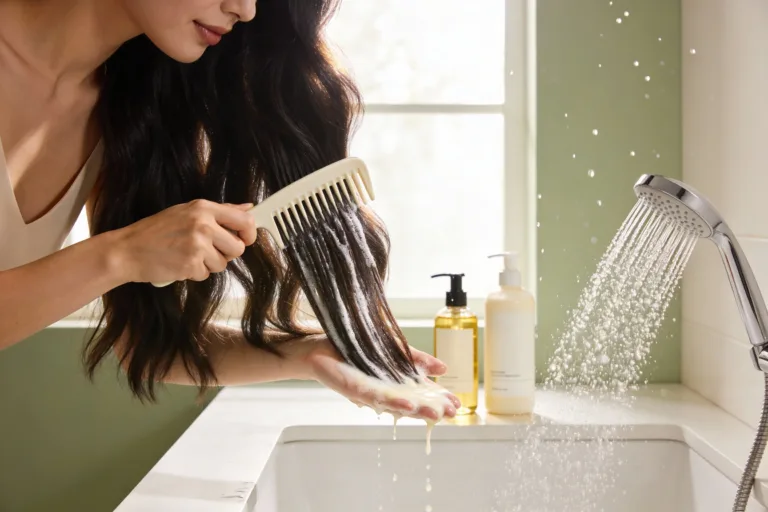
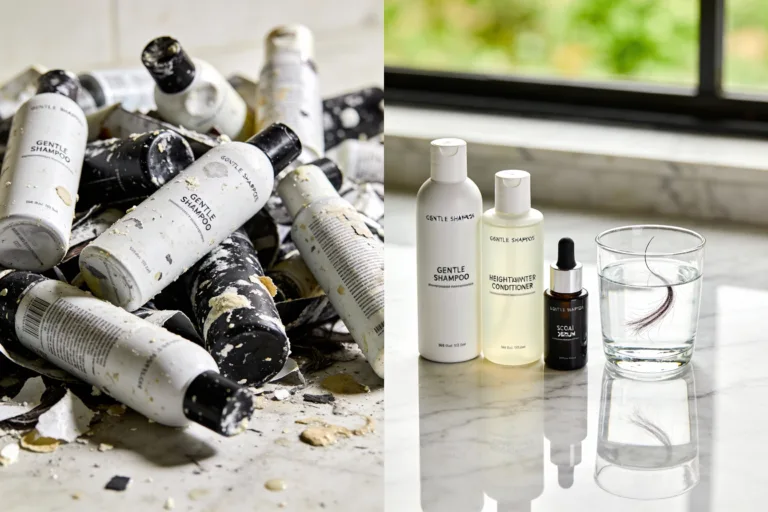
You can’t style volume into hair that’s weighed down from the jump. Choose a lightweight, volumizing shampoo and conditioner that won’t coat your strands in heavy oils or silicones. Look for labels like “weightless,” “volumizing,” or “thickening.”
Pro tip: Condition only from mid-lengths to ends. Your scalp produces natural oils, so you don’t need extra moisture up top. Want extra oomph? Use a scalp scrub once a week to remove buildup, which can flatten hair faster than a humid day.
Overeating doesn’t mean something is wrong with you. It means your system needs a reset.
If cravings keep pulling you off track, this helps you regain control without restriction. You’ll learn simple, realistic steps to stop overeating and feel satisfied again.
Ingredients to keep an eye on
- Panthenol and biotin: Coat the hair shaft for the look of thicker strands.
- Rice protein or wheat protein: Add temporary bulk without feeling sticky.
- Avoid heavy butters and oils daily: Save shea and coconut oil for deep treatments, not everyday use.
Blow-Dry Like a Pro Without Frying Your Hair

Heat styling can be your best friend if you do it smart. Apply a heat protectant and a root-lifting spray or mousse before blow-drying. Then flip your head upside down and dry the roots first—it lifts the hair away from your scalp so it doesn’t dry flat.
Easy blowout routine
- Apply mousse at the roots and a lightweight thickening cream through the lengths.
- Rough-dry upside down until hair is 70% dry.
- Use a round brush at the crown, lifting sections straight up as you dry.
- Hit the roots with a cool shot to lock in lift.
FYI: Avoid super high heat. Think warm, not toaster-oven hot. Your hair will thank you.
Cut It Right: Your Haircut Does the Heavy Lifting
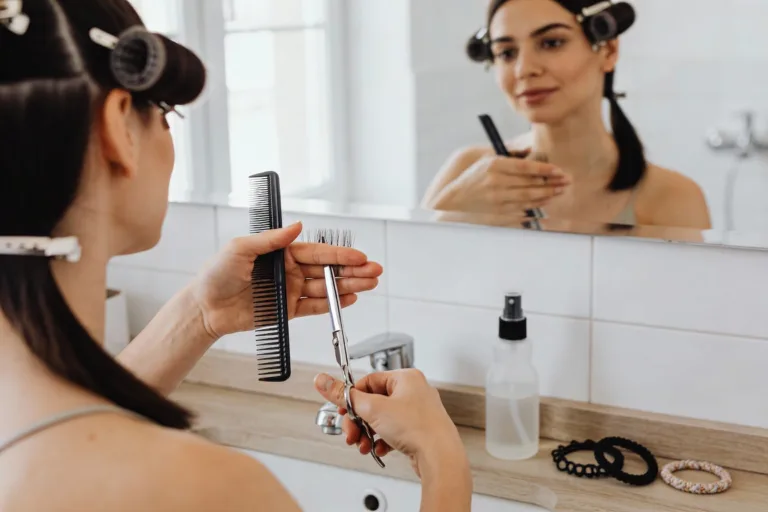
The right cut removes weight where you don’t need it and builds shape where you do. You want movement and structure, not wispy ends that scream “I tried.”
- Go for blunt or softly blunt ends: Clean edges give the illusion of density.
- Light, internal layers: Ask your stylist for internal or “invisible” layers for lift without thinning the ends.
- Shorter lengths help: Bobs, lobs, and shaggy cuts hold volume better than long, heavy hair.
- Bangs or a soft fringe: Great for disguising a thinning hairline and drawing attention to your eyes.
What to avoid
- Over-layering or thinning shears near the ends
- Super long hair with no shape
- Middle parts that show scalp lines (unless you love the look—then do you)
Master the Part and Play With Texture

Tiny tweaks make a big difference. Change your part to the opposite side or try a deep side part for instant lift. A slightly zigzag part also breaks up visible scalp lines.
Texture tricks
- Sea salt spray + diffuser: Adds grit and wave for natural volume.
- Velcro rollers at the crown: Pop them in while hair cools—hello, instant lift.
- Dry shampoo on clean hair: Use it right after styling to keep roots airy, not just on day three desperation.
Choose Products That Fake Fullness
A tiny lineup can do a lot. Think light, buildable, and root-focused.
- Mousse: Best for root lift and all-over body without stiffness.
- Root powders or texturizing sprays: Create grip and hide scalp peeking through.
- Fiber pomades or pastes: Perfect for short styles—adds thickness and separation.
- Volumizing foams with polymers: They coat strands for visible fullness that doesn’t feel crunchy.
IMO: Skip heavy oils, serums, and strong gels. They can collapse your hard-earned lift in minutes.
How to use root powders without the mess
- Apply sparingly at the crown and along the part.
- Let it sit 10–15 seconds.
- Massage gently with fingertips to blend and boost volume.

Styling Moves That Always Work

If you want consistent fullness, build these into your routine. No gatekeeping.
- Backcomb—lightly: Tease small sections at the crown, then smooth the top layer. No bird’s nests allowed.
- Half-up styles: Pull back the front pieces loosely. It hides thinner hairlines and adds crown height.
- Soft waves over pin-straight hair: Curls and bends reflect more light and look thicker.
- Clip-in toppers or extensions: Choose human hair with a lightweight base. Instant density for special days.
Accessories that help
- Headbands and scarves: Trendy, hide thin areas, and look intentional.
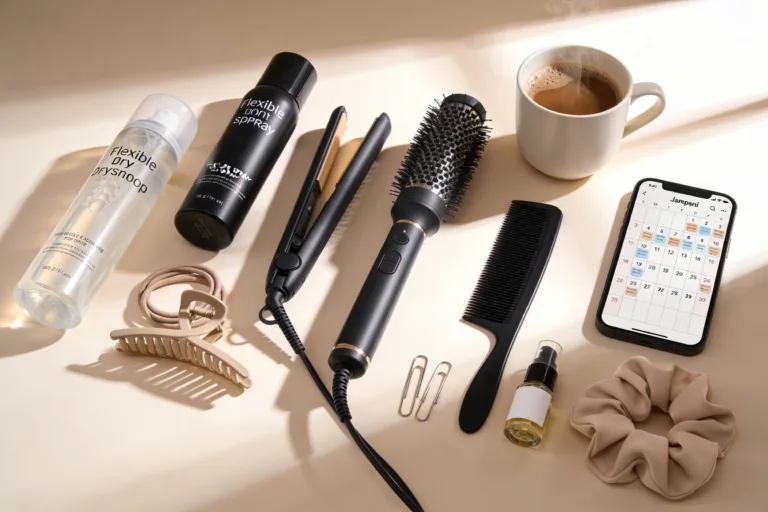
- Claw clips over tight elastics: Less breakage = more hair staying put.
- Wide-tooth combs: Detangle without ripping fragile fibers.
Color Can Create Optical Illusions
Strategic color adds dimension and reduces contrast with your scalp. Ask for soft highlights and lowlights to create depth. A slightly darker root shadow also makes hair look fuller at the base.
- Balayage or micro-highlights: Avoid chunky stripes—they emphasize thinness.
- Match the part: If your scalp is lighter, a root shadow helps.
- Avoid over-bleaching: Damage = breakage = thinner-looking hair. Moderation is your friend.
Care Habits That Protect What You’ve Got
You can’t style volume if your hair keeps breaking. Treat your scalp like skincare and your strands like silk (ish).
- Scalp massage: 2–3 minutes daily to boost circulation. Use fingertips, not nails.
- Gentle drying: Blot with a microfiber towel or T-shirt—no rough rubbing.
- Sleep smart: Silk pillowcase and a loose scrunchie to prevent friction.
- Avoid tight styles: Repeated tension can thin the hairline.
When to consider treatments
If you notice rapid shedding, widening parts, or scalp irritation, check in with a dermatologist. Options like topical minoxidil, low-level laser therapy, or prescription treatments can help the underlying cause. Styling is powerful, but sometimes a little science deserves a seat at the table, FYI.
FAQs
What’s the best haircut for thinning hair?
Shorter to mid-length cuts with blunt edges and soft internal layers usually win. Think bob, lob, or a modern shag with a light fringe. Avoid heavy layering at the ends, which makes hair look wispy.
How often should I wash thinning hair?
Every 2–3 days works for most people. If your scalp gets oily fast, wash more often with a lightweight formula. Clean roots = more lift, and you can always use a quick conditioner on the ends.
Do volumizing powders damage hair?
Not inherently, but overuse without proper cleansing can cause buildup and dryness. Use them on targeted areas and wash regularly. Be gentle when massaging them out so you don’t cause breakage.
Can I still use hair oil?
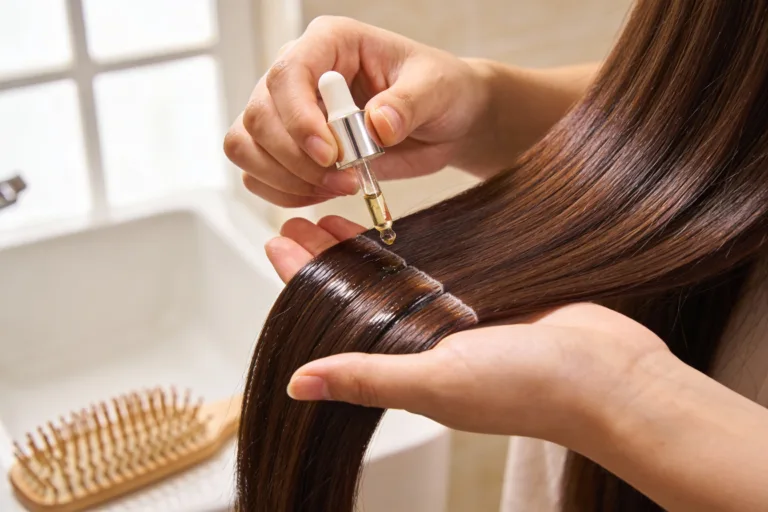
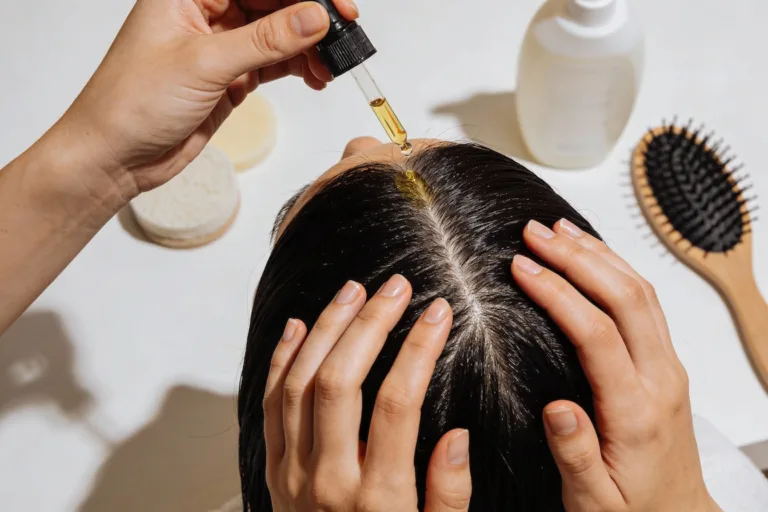
Yes—sparingly and only on the last few inches. Choose a light oil and start with a tiny drop. Keep it far away from the roots unless you enjoy instant flatness.
Will dyeing my hair make it look thicker?
Strategic color can make hair look fuller by adding dimension and reducing scalp contrast. But aggressive bleaching can cause damage and breakage. Go for subtle highlights, lowlights, or a root shadow instead of a full-on platinum moment.
Are extensions a good option for thin hair?
Clip-ins or halo extensions are great for short-term volume. For long-term wear, talk to a pro about lightweight methods designed for fine hair. Avoid anything heavy or super tight.
Conclusion
You don’t need more hair—you need smarter styling. Build lift at the roots, keep products light, and choose cuts and color that create dimension. Play with parts, texture, and a few sneaky tools, and you’ll turn “thinning” into “thriving.” IMO, hair confidence isn’t about hiding—it’s about styling like you mean it.