How to Stop Wasting Money on Hair Products That Don’T Work Fast
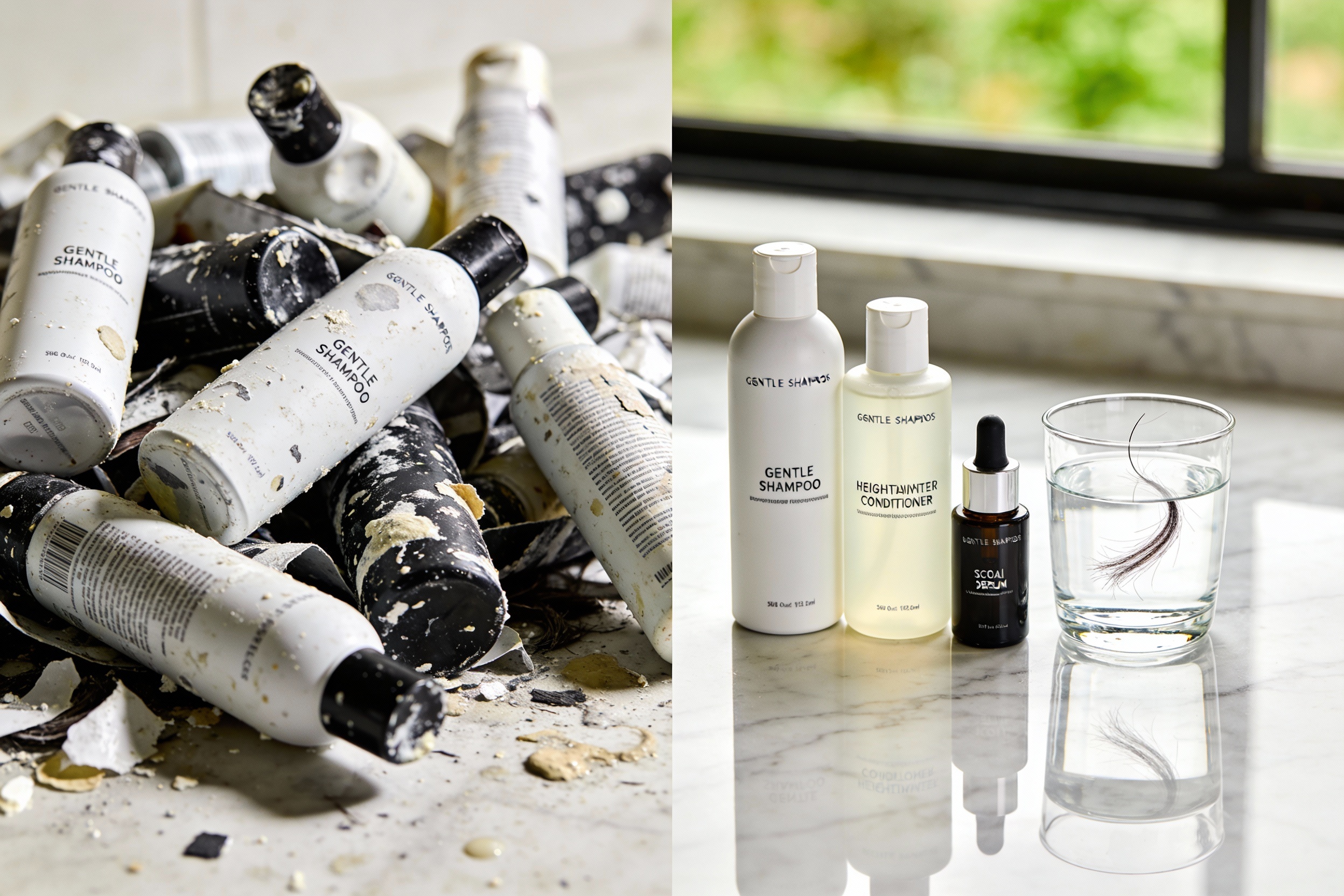
You know that shelf in your bathroom that looks like a salon’s clearance bin? Yeah, the one with half-used serums, gels, and the shampoo that promised “glass hair” but delivered frizz. Let’s fix that. You don’t need more products—you need the right ones, used the right way. Here’s how to stop lighting money on fire and start building a routine that actually works.
Start with Your Scalp and Hair Type (Not the Hype)
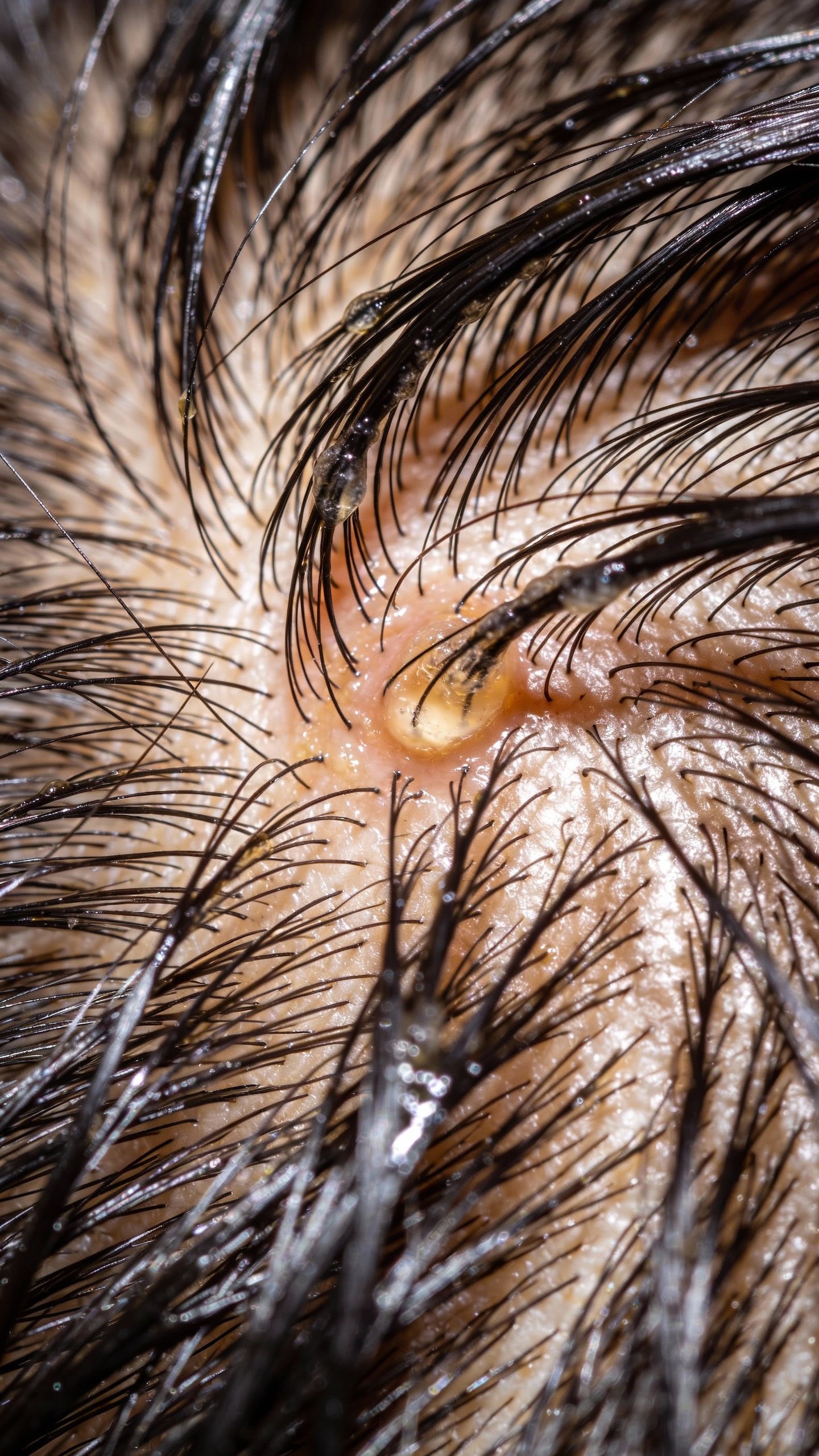
Stop buying products before you know what you’re working with. Your scalp and hair type run the show. Oily scalp? You need light, clarifying cleansers. Dry, flaky scalp? Think gentle shampoos and soothing ingredients.
Overeating doesn’t mean something is wrong with you. It means your system needs a reset.
If cravings keep pulling you off track, this helps you regain control without restriction. You’ll learn simple, realistic steps to stop overeating and feel satisfied again.
How to figure out your hair type fast
- Texture: Fine, medium, or coarse. Fine hair gets weighed down fast; coarse hair drinks product like a camel.
- Pattern: Straight, wavy, curly, coily. This affects how much moisture and hold you need.
- Porosity: Low, normal, or high—aka how well your hair absorbs water. High porosity loves rich creams and oils; low porosity prefers lightweight, water-based formulas.
Quick test: Put a clean strand in a glass of water. If it sinks fast, high porosity. If it floats, low porosity. If it hovers, you’re in the middle.
Read the Label Like a Detective
Marketers write the front. Chemists write the back. You want the back.
What to look for
- First five ingredients: They make up most of the formula. Water, gentle surfactants, and real actives should appear early.
- Moisture heroes: Glycerin, aloe, panthenol, hyaluronic acid, propanediol.
- Strengtheners: Hydrolyzed proteins (keratin, wheat, silk), amino acids, peptides.
- Scalp soothers: Niacinamide, zinc PCA, salicylic acid (for buildup), tea tree (sparingly—can be irritating).
Red flags that often waste your money
- Fragrance at the top: A strong scent doesn’t equal performance.
- Bragging rights with no dosage: “With biotin!” but it’s last on the list? Cute but useless.
- One-size-fits-all promises: “Volumizes and deep moisturizes.” Pick a lane.
Buy for the Job, Not the Vibe
Every product should have a clear mission. If it doesn’t, back away slowly.
Your minimal, high-impact lineup
- Shampoo: One gentle, one clarifying (use the clarifier weekly or as needed).
- Conditioner: Daily conditioner that matches your texture. Fine hair = lighter; thick/coarse = richer.
- Treatment: Rotate a protein mask (repair) and a hydration mask (moisture) depending on how your hair feels.
- Leave-in: Heat protectant if you style; a lightweight leave-in or curl cream based on your pattern.
- Styler (optional): Mousse for volume, gel for hold, oil for shine/finishing only.
Rule of thumb: If two products do the same job, pick one. Your wallet says thanks.
Patch-Test Your Routine and Track Results
You test skincare, right? Do the same with hair. You’ll catch irritants and duds before they eat your budget.
How to test smart
- Scalp test: Dab a small amount behind your ear for 24 hours. Itchy or red? Hard pass.
- Single-variable testing: Introduce one new product at a time for a week. No guessing games later.
- Photo receipts: Take a quick hair selfie after washing on day 1 and day 3. Compare shine, frizz, volume.
IMO: If a new product doesn’t show a noticeable benefit in two weeks, return it or repurpose it.
Stop Overusing Products (Yes, That’s a Thing)
More product doesn’t equal better hair—it equals buildup and limp strands. You don’t need a dollop the size of your ego.
Dose guidelines
- Shampoo: Nickel-size for short hair, quarter-size for long. Add water for lather—don’t add more shampoo.
- Conditioner: Marble-size for fine hair, two marbles for thick hair. Apply mid-length to ends.
- Leave-in: Start with a pea-size. You can always add. You can’t “un-grease.”
- Hair oil: One to two drops for finishing only. Oil doesn’t moisturize; it seals.

Match the Product to Your Water and Tools
Your water and styling habits can sabotage even great products. Let’s fix the ecosystem.
Hard water problems
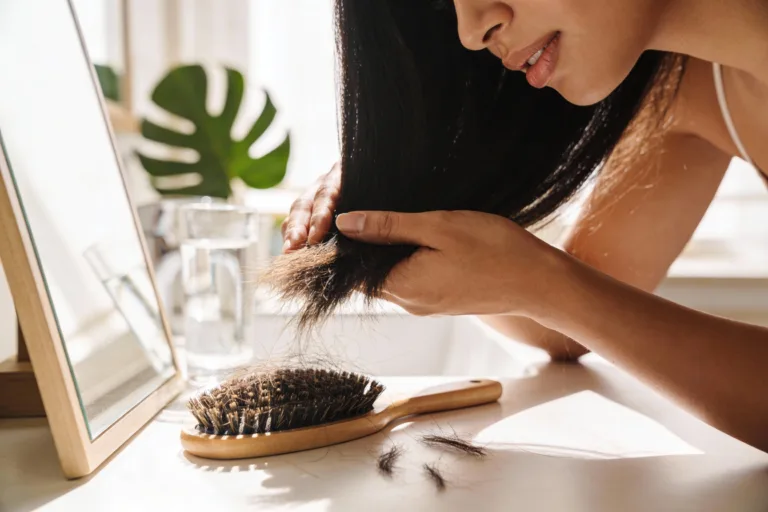
If your hair feels rough, tangly, or dull no matter what, you may have hard water. Use a chelating shampoo monthly (look for EDTA or citric acid) and consider a shower filter. FYI: Clarifying isn’t the same as chelating—chelating targets minerals.
Heat styling habits
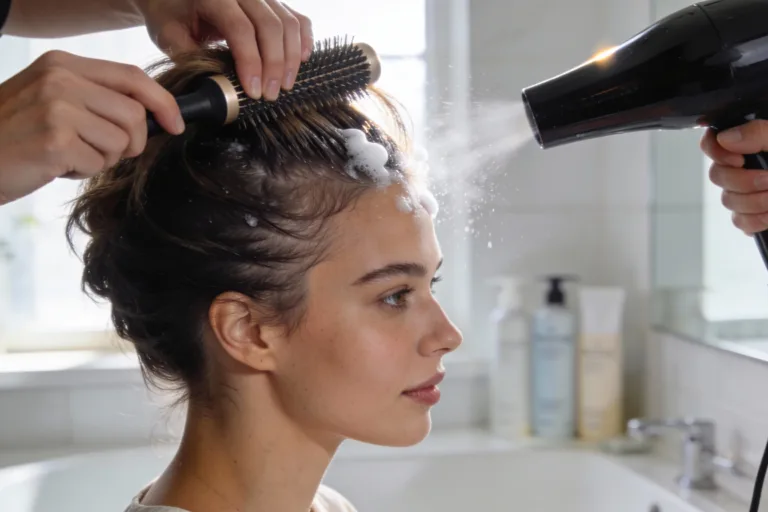
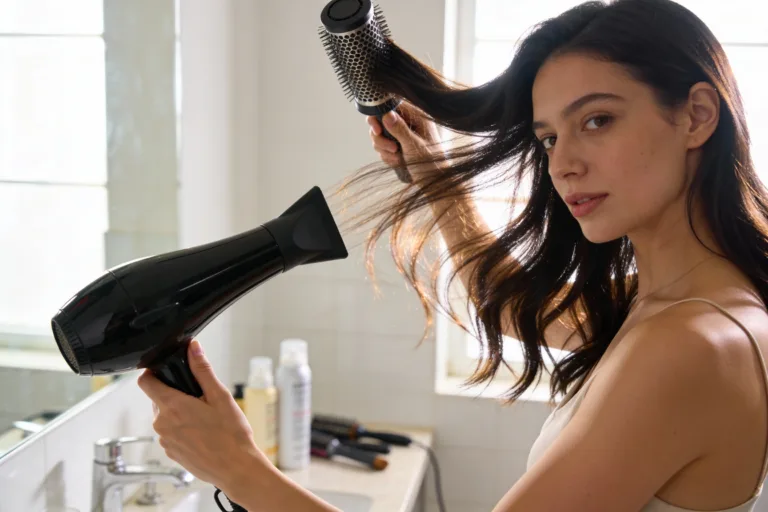
- Use heat protectant every time. Silicone-based protectants work. That’s their job.
- Lower the temperature: 300–350°F (150–175°C) for most hair. Coarse or resistant hair can go higher, but only when necessary.
- Dry fully before flat ironing: Sizzle = damage.
Buy Smarter: Samples, Returns, and Dupes
You don’t need the $48 conditioner to have good hair. You need the right formula and a plan.
Shopping strategies that save real money
- Start with travel sizes or samples. Test for two washes before committing.
- Check the return policy. Many retailers accept gently used products within 30–60 days.
- Ingredient-based dupes: Find a cheaper product with similar first 10 ingredients and actives. Performance often matches.
- Subscription traps: Skip until you know you’ll repurchase. Set a reminder to pause before renewal.
Build a Simple Routine You’ll Actually Follow
Consistency beats a chaotic pile of products every time.
Sample routine by need
- Oily scalp, fine hair: Gentle daily shampoo + lightweight conditioner on ends + volumizing mousse + weekly clarifier.
- Dry scalp, coarse curls: Moisturizing shampoo 2–3x/week + rich conditioner + curl cream + gel for hold + hydration mask weekly.
- Damaged or color-treated: Sulfate-free shampoo + protein treatment 1x/week + hydrating mask 1x/week + heat protectant always.
Keep a notes app log: Date, products, how it looked on day 1 and day 2. Patterns pop up fast.
FAQ
Do expensive hair products always work better?
Nope. You often pay for packaging and marketing. Some premium lines have great formulas, but many drugstore options use similar bases and actives. Compare ingredient lists, not price tags.
How do I know if my hair needs protein or moisture?
If hair feels mushy, stretchy, or won’t hold a style, you probably need protein. If it feels rough, tangled, or brittle, you need moisture. Alternate weekly until balance returns, then maintain as needed.
Can I use the same shampoo forever?
You can, but buildup and seasonal changes can mess with results. Keep a clarifying or chelating shampoo on hand and rotate in once a week or once a month depending on your water and styling habits.
Are silicones bad for hair?
Not inherently. Silicones reduce friction, add shine, and protect from heat. If you use them, clarify periodically to avoid buildup. If you avoid them, look for lightweight polyquats or plant esters that offer similar slip.
How long should I give a product before deciding it works?
Two weeks for most products, one month for scalp treatments. If irritation shows up, stop immediately. If nothing improves after consistent use, it’s not “waiting to bloom”—it’s just not for you.
What’s the best way to save money on styling products?
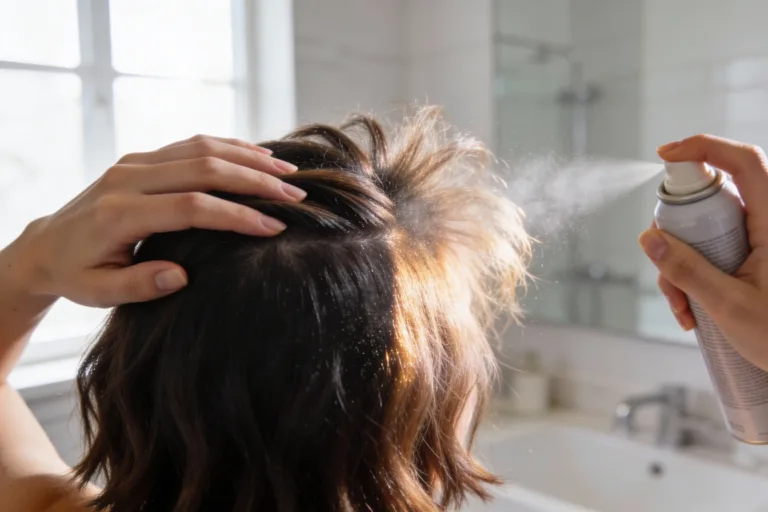
Pick one primary styler for your goal—volume, curl definition, or hold—and layer minimally. Use a pea-size leave-in, then a small amount of mousse or gel. Finish with one or two drops of oil only on the ends.
Conclusion
You don’t need a new product; you need a smarter plan. Know your hair and scalp, read labels for real actives, test methodically, and stick to a simple routine. Buy minis, return duds, and chase performance—not promises. Do this, and that sad shelf of rejects turns into a tight lineup of MVPs. IMO, that’s money well saved and great hair earned.