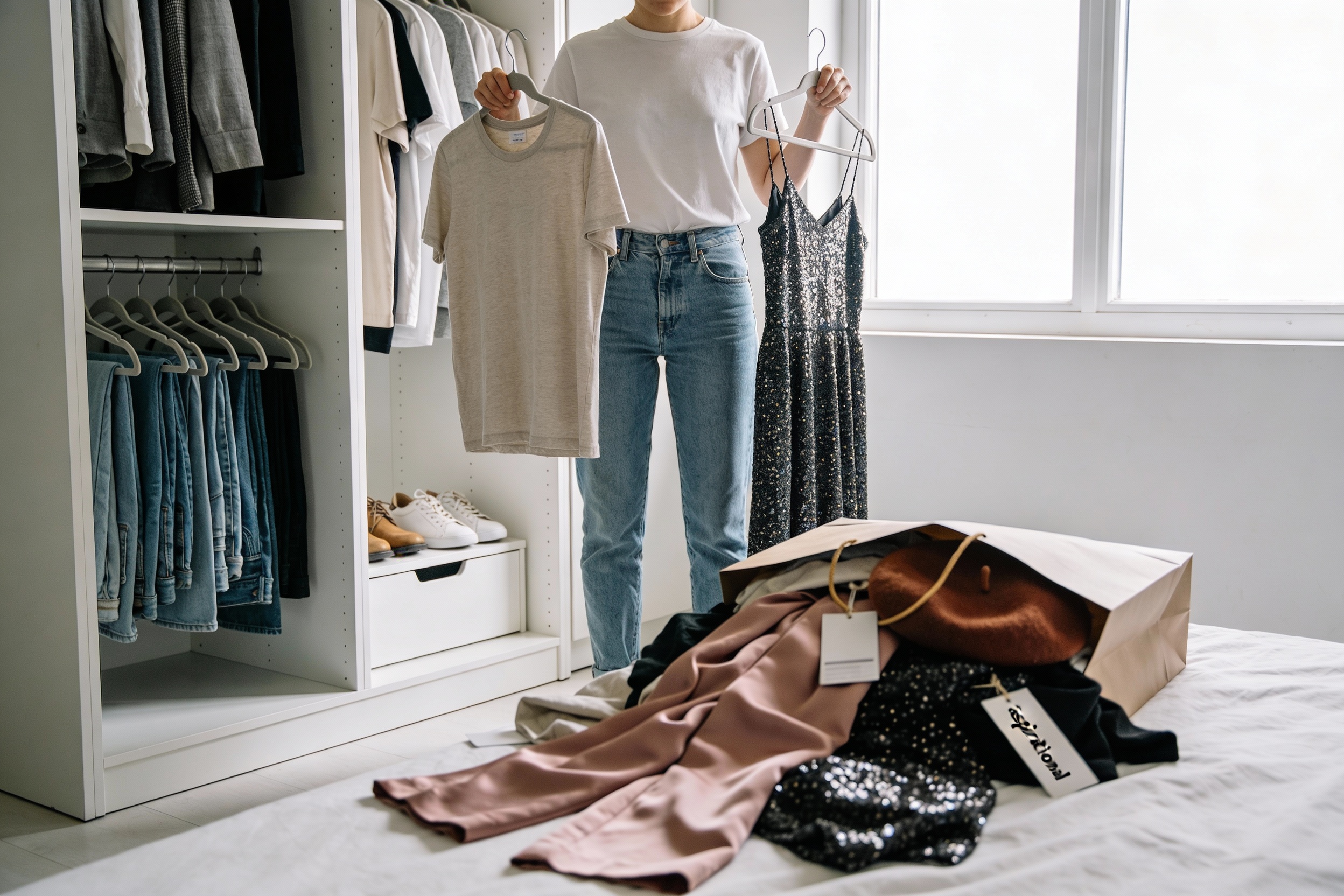
How to Stop Buying Clothes You Never Wear for Real
You know that dress you swore you’d wear to “fancy but not too fancy” dinners? The one still wearing its tag? Same. Let’s fix that. You don’t need more clothes—you need better habits, smarter filters, and a little honesty. If your closet feels like a museum of good intentions, this guide will help you stop buying clothes you never actually wear.
Get Real About Your Style (Not Your Aspirational Persona)
Start by admitting what you wear on repeat. Your closet tells on you. If you’re living in jeans, tees, and sneakers, stop buying silk trousers “for future you.” Future you also loves jeans.
Action: Pull out your last 10 outfits. Spot the patterns: colors, silhouettes, fabrics. That’s your actual style profile. Buy within those lanes and you’ll wear your stuff more.
Overeating doesn’t mean something is wrong with you. It means your system needs a reset.
If cravings keep pulling you off track, this helps you regain control without restriction. You’ll learn simple, realistic steps to stop overeating and feel satisfied again.
Identify Your “Costume” Triggers
We all have an alter ego who loves berets, corsets, or floor-length coats. Cute fantasy, terrible spend. If you wear it once for a selfie and never again, it’s a costume.
Rule of thumb: If you can’t name three real-life scenarios where you’d wear it this month, skip it.
Shop With Non-Negotiable Filters
Impulse is great for snacks, not wardrobes. Build a checklist and stick to it like a stubborn goat.
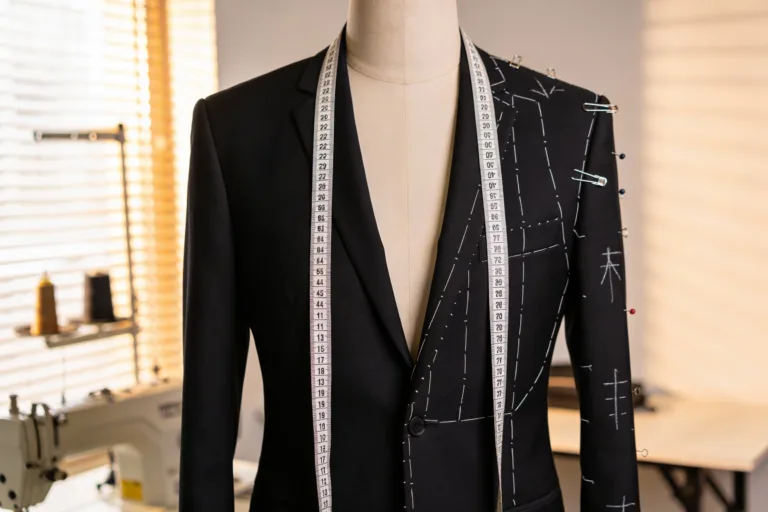
- Fit: Does it fit now? If you need “just a tiny alteration,” put it back unless you already have a tailor and an appointment.
- Comfort: Can you move, sit, breathe, and eat tacos in it?
- Color test: Does it work with your three most-worn items? If not, hard pass.
- Care level: If it needs dry cleaning after one wear, be honest—will you actually do that?
- Fabric feel: Scratchy = never-wear. You can’t out-style discomfort.
The “Rule of 3”
Before buying, name three outfits you can make with pieces you already own. If you need to buy new shoes or a specific bra to make it work, it’s a “nope.”
Create a Wishlist and Wait 30 Days
Retailers bank on urgency. You’ll win with patience. Keep a wishlist in your notes app and add everything you “love.” Then wait 30 days.
– If you forget about it, you saved money. Congrats.
– If you still want it, you’ll likely wear it.
– If it sold out, it wasn’t meant to be. The universe just did you a favor, IMO.
Pro tip: Use price trackers. If the price drops during your wait, it’s a bonus—not a green light. Recheck your criteria first.
Know Your Closet Like a Pro
Most unworn items come from not knowing what you already own. You buy duplicates or things that clash with your entire wardrobe.
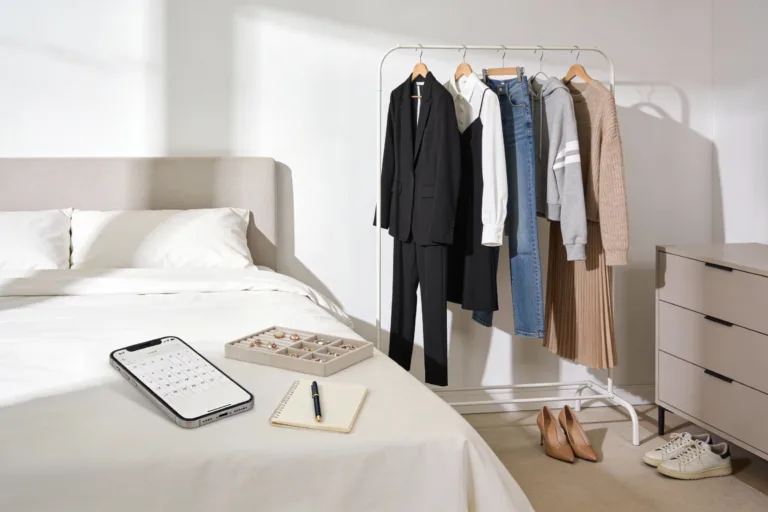
Do a 60-Minute Closet Audit
Set a timer and blitz:
- Pull: Everything you haven’t worn in a year.
- Try on: Check fit, comfort, and style. Be ruthless.
- Sort: Keep, tailor, donate/sell, or store for seasonal use.
Photograph Your Outfits
Create an album of your best outfits. Snap combos that feel easy and stylish. On those “I have nothing to wear” days, scroll and copy yourself. FYI, this reduces panic-buying for events by a lot.
Use a Budget You Can Feel
Budgets only work if you feel them. A vague monthly cap? Yawn. Instead, set category limits.
- Basics: $X per quarter (tees, jeans, underwear).
- Statement pieces: 1 per season max.
- Shoes or bags: Only after you’ve worn what you own 10+ times.
Actual hack: Put “fashion money” on a prepaid card. When it’s empty, you stop. No “oops.”
Price Per Wear > Price Tag
Do simple math: price divided by estimated wears. A $200 blazer worn 50 times costs $4 per wear. A $40 sequin top worn once costs $40 per wear. Which one deserves your cash? Exactly.
Fight the FOMO Traps
FOMO fuels unworn clothes. You don’t need a new outfit for every event. You need styling options.
Shop Your Closet First
Before an event, challenge yourself to build three outfits solely from your wardrobe. Add accessories, layers, different shoes. No luck? Borrow from a friend or try a rental. Cheaper, and you don’t end up with another “special occasion” orphan.
Unfollow the Noise
Mute influencers or brand newsletters that push constant hauls. Curate your feed with stylists who rewear pieces and teach pairing strategies. Protect your attention; it’s basically money.
Build a Mix-and-Match Uniform
Uniform doesn’t mean boring. It means reliable. Create a formula that flatters you and remix it.
Examples:
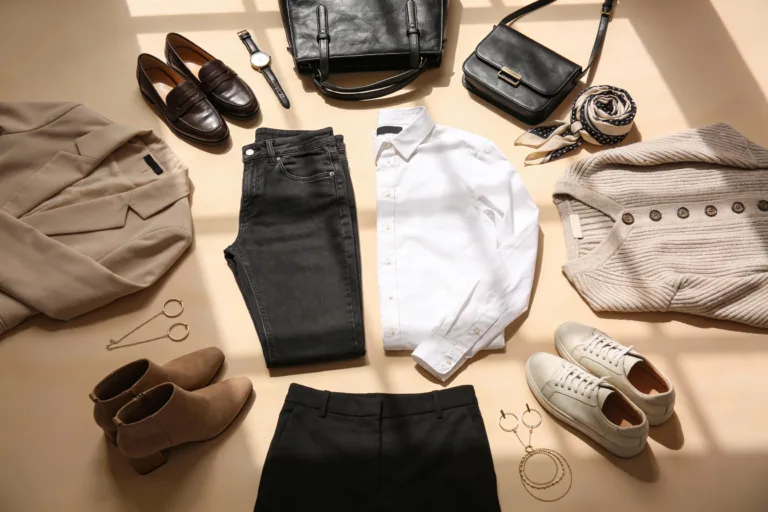
– Wide-leg trousers + fitted tee + sneakers/blazer
– Slip skirt + chunky knit + ankle boots
– Straight jeans + crisp shirt + loafers
Pick a color palette: 2-3 neutrals, 1-2 accent colors. Buy within that palette so everything plays nice. Your clothes will cooperate like well-trained puppies.
Choose Fabrics You’ll Actually Wear
– Cotton and modal: Easy care, breathable, everyday winners.
– Wool and cashmere: Warm and durable; check for itch factor first.
– Linen: Breezy and charmingly wrinkly—embrace the vibe.
– Poly blends: Can be practical, but watch for heat-trap fabrics.
If it feels weird on your skin, you won’t reach for it. Comfort equals frequency.
Practice the Two-Minute Dressing Room Test
In-store or at home, do this:
- Sit down, raise your arms, do a squat. If anything pulls, scratches, or rides up, it’s a no.
- Check lighting and angles. If it only looks good in flattering store lighting, reality will be rude.
- Ask: Would I wear this tomorrow? If not, why not? If the answer starts with “if,” pass.
Set Return Alarms
If you buy online, open the box immediately. Try everything on with your own shoes and undergarments. Set a reminder for the return deadline. Missed returns = unworn pile growth. Not cute.
FAQ
How do I stop impulse buying when I’m stressed or bored?
Replace the habit. When you feel the itch, window-shop your own closet, style an outfit, or list something for resale. Also, remove saved cards from browsers and turn off one-click payments. Friction helps. It’s like hiding the cookies on the top shelf.
What if my job or lifestyle changes and I genuinely need new clothes?
Start with a tight capsule: 5-10 versatile pieces that mix well. Stick to a color palette and add shoes/accessories later. Test the capsule for a month before expanding. You’ll avoid buying stuff your new routine doesn’t actually require.
How do I decide what to keep when I feel attached to clothes I never wear?
Try the “permission slip” approach: You can appreciate a piece and still let it go. Take a photo for memory, then sell or donate. Keep only items that fit, flatter, and match your current life. Nostalgia doesn’t belong on a hanger you need every morning.
Are trends always a bad idea?
Not at all. Trends can refresh your look—just filter them through your style. Choose trend pieces that integrate with at least three outfits and feel like you. IMO, micro-trends with awkward shapes or loud prints become unworn clutter fast.
How many clothes do I actually need?
Depends on your climate, work, and laundry rhythm. Most people do great with a streamlined core: a few bottoms, a handful of tops, layers, and 2-3 pairs of go-to shoes. If you can get dressed for any normal day in under five minutes, you own enough.
What should I do with the unworn clothes I already have?
Set aside an hour, try everything on, and create three piles: keep, tailor, out. Sell the “nice but not me” pieces on resale apps, donate the rest, and actually visit the tailor. Then use that money to buy one high-quality item you’ll wear to death. Positive reinforcement works.
Conclusion
Stopping the never-worn cycle doesn’t require willpower; it requires better systems. Know your real style, slow down purchases, and make your closet work like a team. When every piece earns its spot, getting dressed feels easy—and your wallet breathes a sigh of relief. FYI, that dress with the tag? Either style it this week or set it free. Your future outfits will thank you.