How to Save Money by Making Your Own Skincare That Works
Sticker shock from $48 serums and $32 cleansers? Same. You don’t need a luxury label to get glowing, happy skin. You can mix simple, safe ingredients at home and keep your money for, you know, rent and snacks. Let’s cut through the noise and build a DIY routine that actually works—and doesn’t wreck your face or your budget.
Why DIY Skincare Saves Serious Cash
You pay for marketing, packaging, and hype. Your skin? It only cares about functional ingredients at the right concentrations. When you DIY, you skip the fluff and buy versatile basics that multitask across products.
Plus, a small stash goes far. One bottle of glycerin lasts months and slides into toners, masks, and creams. You’ll spend a bit upfront, then cruise for ages without hitting “add to cart” again. FYI, it feels wildly satisfying to use something you made yourself.
Overeating doesn’t mean something is wrong with you. It means your system needs a reset.
If cravings keep pulling you off track, this helps you regain control without restriction. You’ll learn simple, realistic steps to stop overeating and feel satisfied again.
The Starter Pantry: Affordable Ingredients That Pull Weight
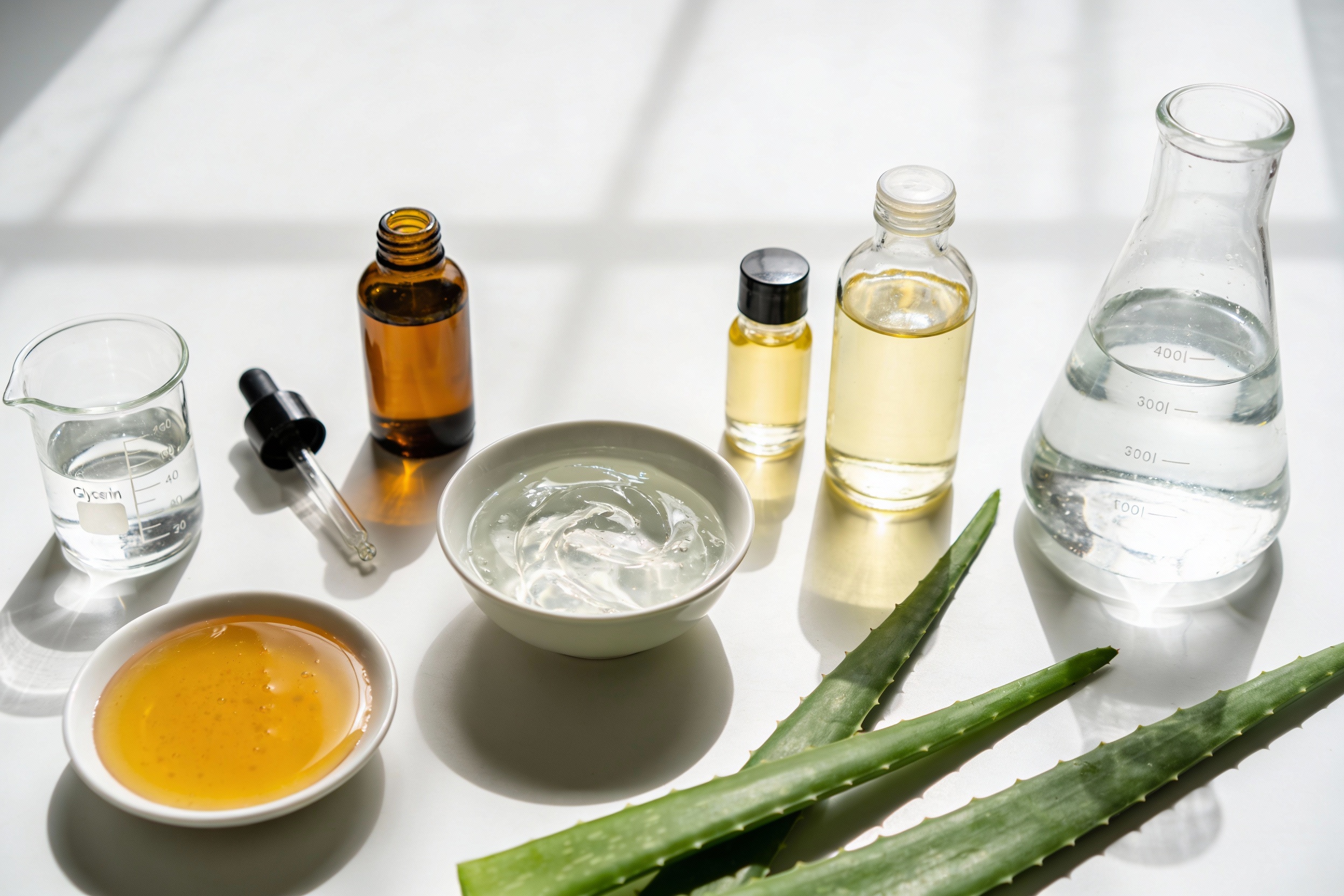
Build your kit with low-cost, high-impact essentials. You don’t need a lab—just a measuring spoon and common sense.
- Distilled water: The base for toners and mists. Clean and predictable.
- Glycerin: Humectant that hydrates. Use sparingly for a bouncy finish.
- Aloe vera gel (pure, no dyes): Soothes and adds light hydration.
- Carrier oils (jojoba, squalane, sweet almond): Lock in moisture without drama.
- Honey (raw if possible): Gentle humectant and masking MVP.
- Colloidal oatmeal: Calms irritation like a sweet little blanket.
- Green tea (brewed, cooled): Antioxidant boost for toners and masks.
- Vitamin E oil: Antioxidant and stabilizer in oil-based blends.
Optional, but Worth It
- Niacinamide powder (cosmetic grade): Brightens and strengthens barrier.
- Panthenol (vitamin B5): Hydrates and soothes—great in toners.
- Preservative (broad-spectrum, e.g., leucidal or optiphen): For any recipe with water you plan to store.
Three Budget Workhorses You Can Make Today
Let’s get practical. These are simple, low-risk, and kind to most skin types.
1) Simple Hydrating Toner
- 3/4 cup distilled water
- 1/4 cup brewed green tea (cooled)
- 1/2–1 tsp glycerin
- Optional: 1/4 tsp panthenol, preservative per instructions
Mix, bottle, refrigerate if you skip preservative, and use within 5–7 days. With preservative, room temp works for 2–3 months. Why it works: Lightweight hydration layers under everything and reduces tightness without greasiness.
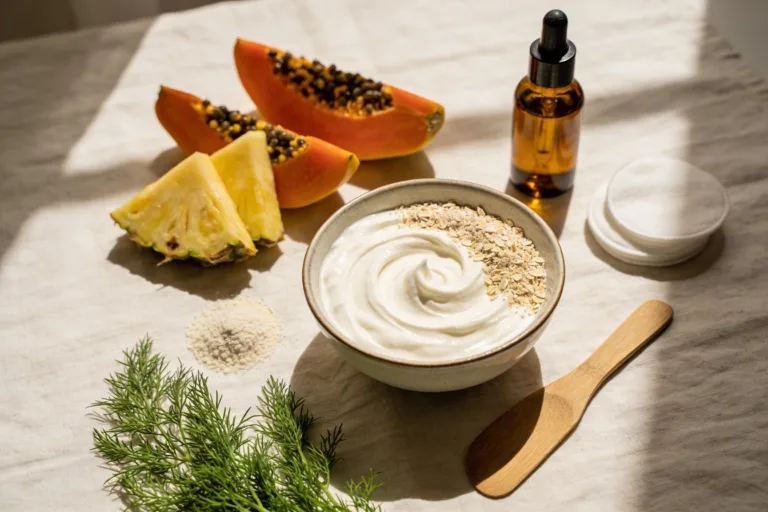
2) Honey-Oat Soothing Mask
- 1 tbsp honey
- 1 tsp finely ground colloidal oatmeal
- 1 tsp aloe vera gel
Stir into a paste, apply for 10–15 minutes, rinse with lukewarm water. Skin feels soft, calm, and less “why am I like this.” Use 1–2 times weekly.
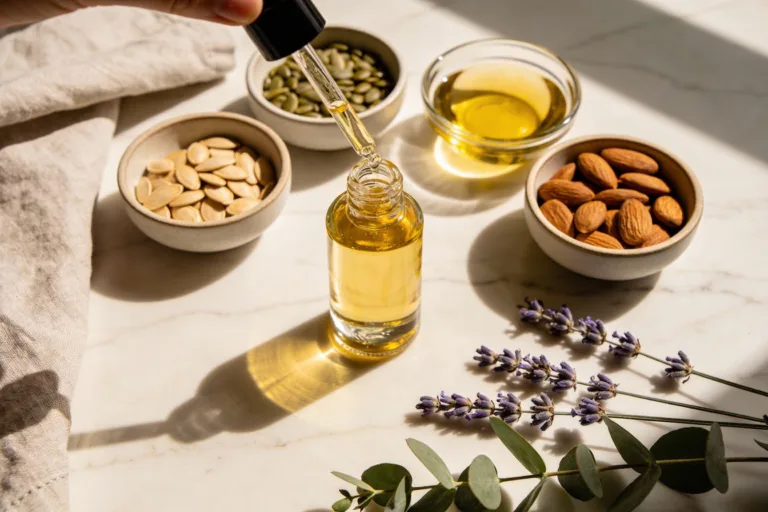
3) Lightweight Oil Serum
- 2 tsp squalane or jojoba oil
- 4–6 drops vitamin E
- Optional: 2–3 drops essential oil like lavender (only if your skin tolerates fragrance; IMO, skip for face)
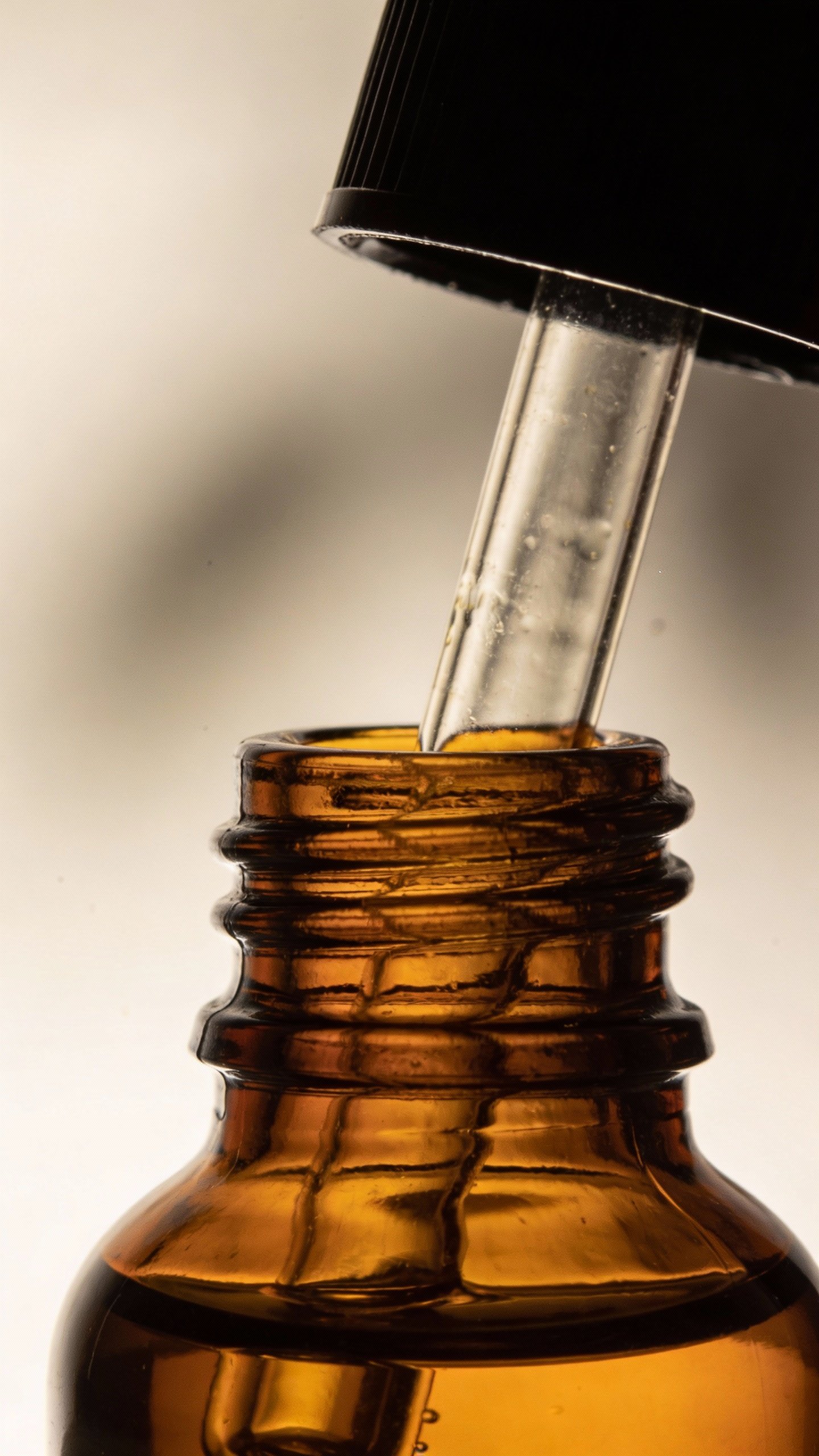
Blend and store in a dropper bottle. Use 2–3 drops on damp skin to seal hydration. Pro tip: Oils don’t “hydrate”—they prevent water loss. Always pair with a watery layer first.
Rules That Keep Your Skin (and Wallet) Safe
Let’s avoid the classic DIY traps, yeah?
- Preserve anything with water if you’ll keep it more than a week. Microbes love moist, lukewarm, bathroom-shelf conditions. Refrigeration helps but doesn’t replace preservative.
- Watch pH for actives. If you venture into acids or vitamin C, use pH strips and follow tested formulas.
- Avoid lemon juice and baking soda on your face. They wreck your barrier and throw your pH off. Your skin is not a kitchen counter.
- Patch test new mixtures on your inner arm or jawline for 24–48 hours.
- Label and date everything. Future-you will forget what that cloudy bottle holds.
Hygiene Cheats That Matter
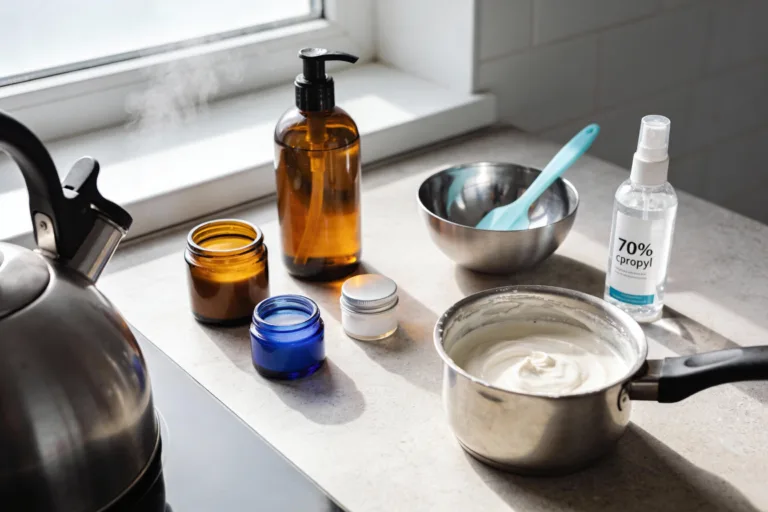
- Use clean tools and containers. Wash with hot soapy water, then wipe with rubbing alcohol to sanitize.
- Don’t dip fingers in jars. Use a spatula or pump packaging.
- Make smaller batches. Fresh beats funky.
How DIY Stacks Up Against Store-Bought
You’re not making a 17-peptide, micro-encapsulated miracle. But you can cover 80% of daily needs: gentle cleanse, hydrate, seal, protect (with sunscreen—store-bought, please). You’ll save by buying multi-use ingredients and skipping “microdust platinum” marketing.
Where store-bought wins: highly stabilized actives (retinoids, vitamin C serums), sophisticated textures, rigorous preservation. Where DIY wins: personalization, cost, simplicity, and fewer irritants. IMO, do a hybrid routine: DIY your basics, purchase a few proven actives.

Sample Budget Routine (AM/PM)
AM
- Rinse or gentle cleanse (store-bought or DIY micellar-style water if you know preservation).
- Hydrating toner (DIY).
- Lightweight moisturizer or your oil serum on damp skin (DIY).
- Sunscreen (store-bought, always).
PM
- Cleanse.
- Hydrating toner (DIY) + optional niacinamide solution if you’re comfortable with powders.
- Honey-oat mask 1–2x weekly if skin feels irritated.
- Oil serum to seal.
Cost Breakdown: Where You Save
Let’s say you buy:
- Glycerin: $6 for 8 oz
- Aloe gel: $8 for 12 oz
- Squalane: $12 for 2 oz
- Vitamin E oil: $7 for 1 oz
- Colloidal oatmeal: $5 for a small bag
- Preservative: $8 (tiny bottle lasts forever)
You’ll crank out months of toner, masks, and oil serum for what two mid-range products cost. The only regular buy you can’t DIY well or safely: sunscreen. Keep that in the cart.
Common Pitfalls (And How to Dodge Them)
- Overusing oils: Too much can feel greasy and clog-prone. Use drops, not droppers-full.
- Chasing instant results: Gentle formulas work gradually. Give it 2–4 weeks.
- Mixing ten actives: More isn’t better. Start simple, add slowly.
- Ignoring your skin type: Oily skin loves squalane or jojoba; dry skin might enjoy sweet almond or a richer cream base.
FAQ
Can I make my own vitamin C serum?
You can, but it gets tricky fast. Pure L-ascorbic acid needs the right pH (around 3), fresh batches, and airtight, dark storage. It oxidizes quickly and can irritate. For beginners, buy a proven formula or use gentler derivatives in a store-bought product.
Do I need a preservative if I refrigerate my toner?
Refrigeration slows growth but doesn’t stop it. If you’ll use it within 5–7 days, the fridge is fine. If you want a longer shelf life, use a broad-spectrum preservative at the recommended percentage and keep your tools clean.
Which oils won’t clog pores?
No oil comes with a 100% guarantee, but squalane and jojoba tend to play nicest across skin types. Patch test and use tiny amounts. Heavy butters and coconut oil often feel too occlusive for faces, especially acne-prone skin.
Is essential oil safe in face products?
In low amounts, some people tolerate them. Many don’t. They can irritate and sensitize over time. For leave-on facial products, I usually skip fragrance entirely. If you must, keep it under 0.5% and patch test like your future face depends on it—because it does.
Can I DIY sunscreen?
Nope. Sunscreen requires precise testing to verify protection. Use a reputable, tested formula from the store. Save your DIY energy for everything else.
What’s the easiest DIY for beginners?
The hydrating toner wins. It’s cheap, fast, and immediately useful under any moisturizer. The honey-oat mask comes second—hard to mess up and universally soothing.
Conclusion
You don’t need a 15-step routine or a platinum card to have great skin. With a handful of smart ingredients and a dash of kitchen chemistry, you can hydrate, soothe, and protect—without paying brand-tax. Start simple, keep it clean, and tweak as you go. Your skin (and your bank account) will thank you, IMO.