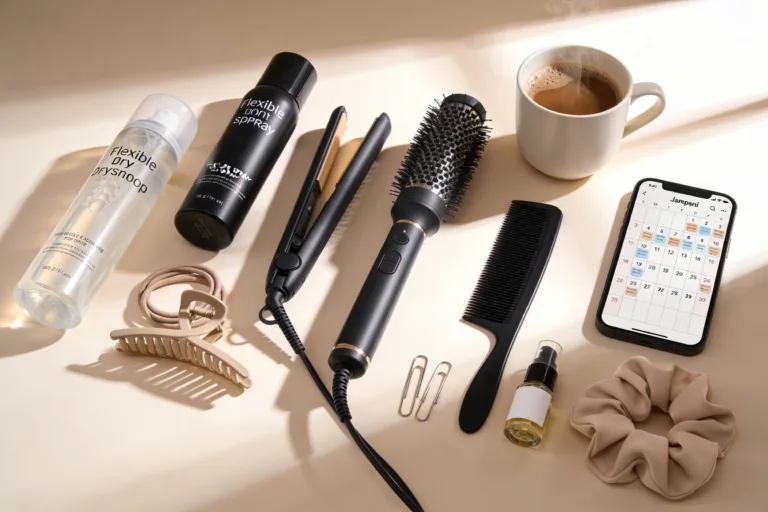
How to Repair Heat-Damaged Hair in 30 Days Fast Results
Heat styling got a little too enthusiastic and now your hair feels like straw? We’ve all been there. The good news: you can revive heat-damaged hair in 30 days with a focused, realistic routine. No magic potions. Just smart habits, the right products, and a steady plan. Ready to give your hair its bounce back?
Know Your Damage (So You Can Fix It)
You need to figure out what you’re dealing with first. Is your hair dry and dull, or snapping at the ends like tiny twigs? Look for these signs:
Overeating doesn’t mean something is wrong with you. It means your system needs a reset.
If cravings keep pulling you off track, this helps you regain control without restriction. You’ll learn simple, realistic steps to stop overeating and feel satisfied again.
- Dryness and rough texture: Your hair feels squeaky or crunchy after washing.
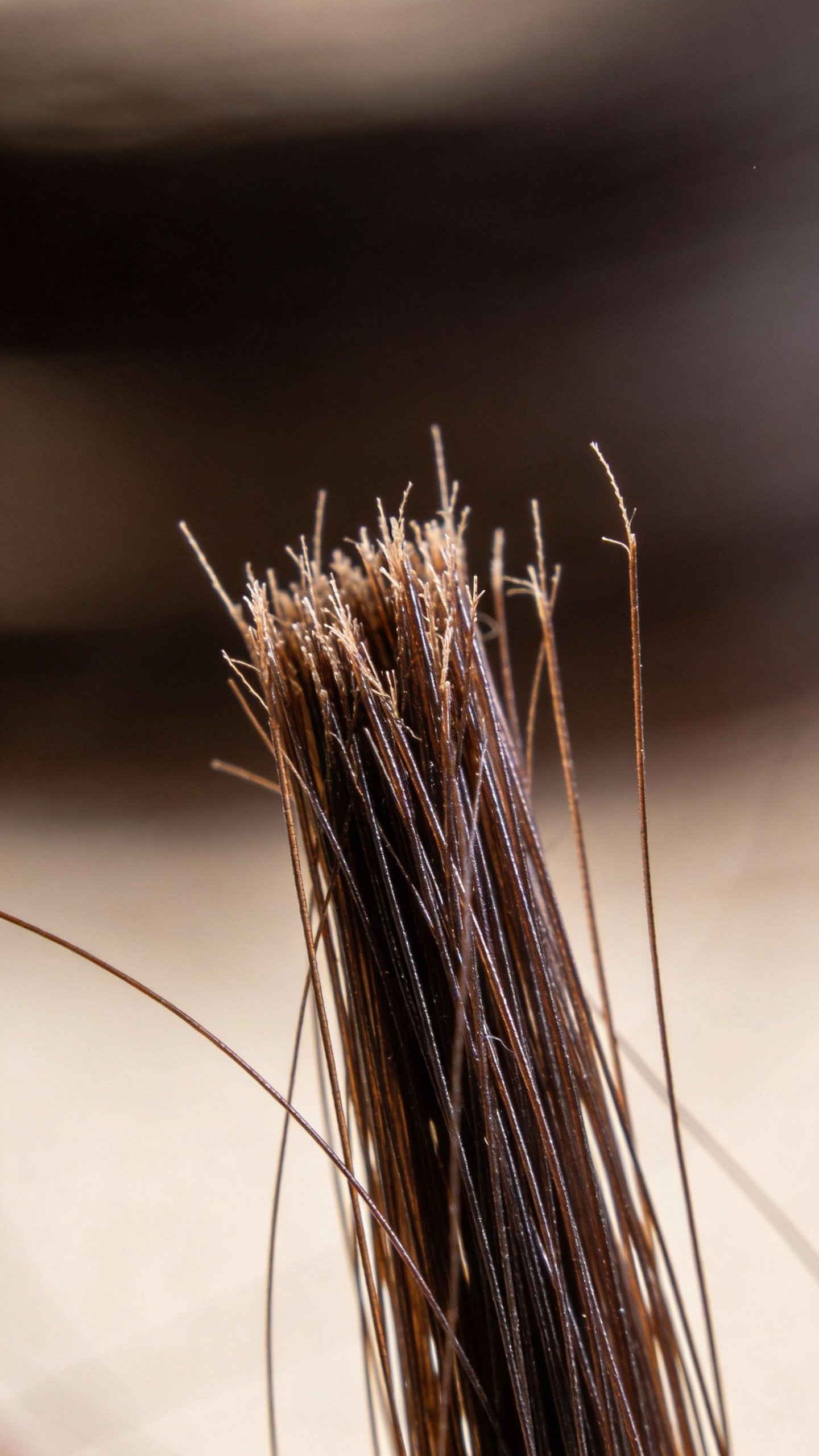
- Split ends and breakage: Ends look feathery or white-tipped, strands snap easily.
- Loss of curl pattern: Curls or waves look stretched out or frizzy, not defined.
- Hard-to-style hair: Styles don’t hold, even with product.
If you’ve got multiple symptoms, no worries. You’ll target moisture, strength, and protection over the next month.
The 30-Day Game Plan (Short Version)
Let’s map it out so you don’t overthink it. Stick this on your bathroom mirror if you want:
- Weeks 1–2: Moisture first. Gentle cleansing, deep condition twice a week, air-dry when possible, zero heat.
- Week 2: Add a light protein treatment once (keratin or amino acids) if hair feels mushy or overly stretchy.
- Weeks 3–4: Alternate moisture and protein. Maintain trims and protective hairstyles. Still avoid heat (or keep it extremely low with heat protectant).
- Day 30: Mini trim if needed, then reassess. Most people see smoother texture, fewer tangles, and more shine.
FYI: Consistency beats complicated routines every time.
Cleanse Smarter, Not Harsher
You can’t repair anything if your hair’s coated in old product and heat protectant residue. But you also can’t strip it raw.
- Week 1 reset: Use a gentle clarifying shampoo once to remove buildup. Look for “sulfate-free” clarifiers to keep things kinder.
- Weekly cleansing: Wash 2–3 times per week with a hydrating shampoo. Massage your scalp, not your ends.
- Co-wash option: If your hair is very dry or curly, swap one shampoo for a cleansing conditioner.
Ingredients to Look For
- Humectants: Glycerin, aloe, hyaluronic acid (draw moisture in)
- Mild surfactants: Cocamidopropyl betaine, sodium cocoyl isethionate (gentler cleansers)
Moisture Therapy: Your New Bestie
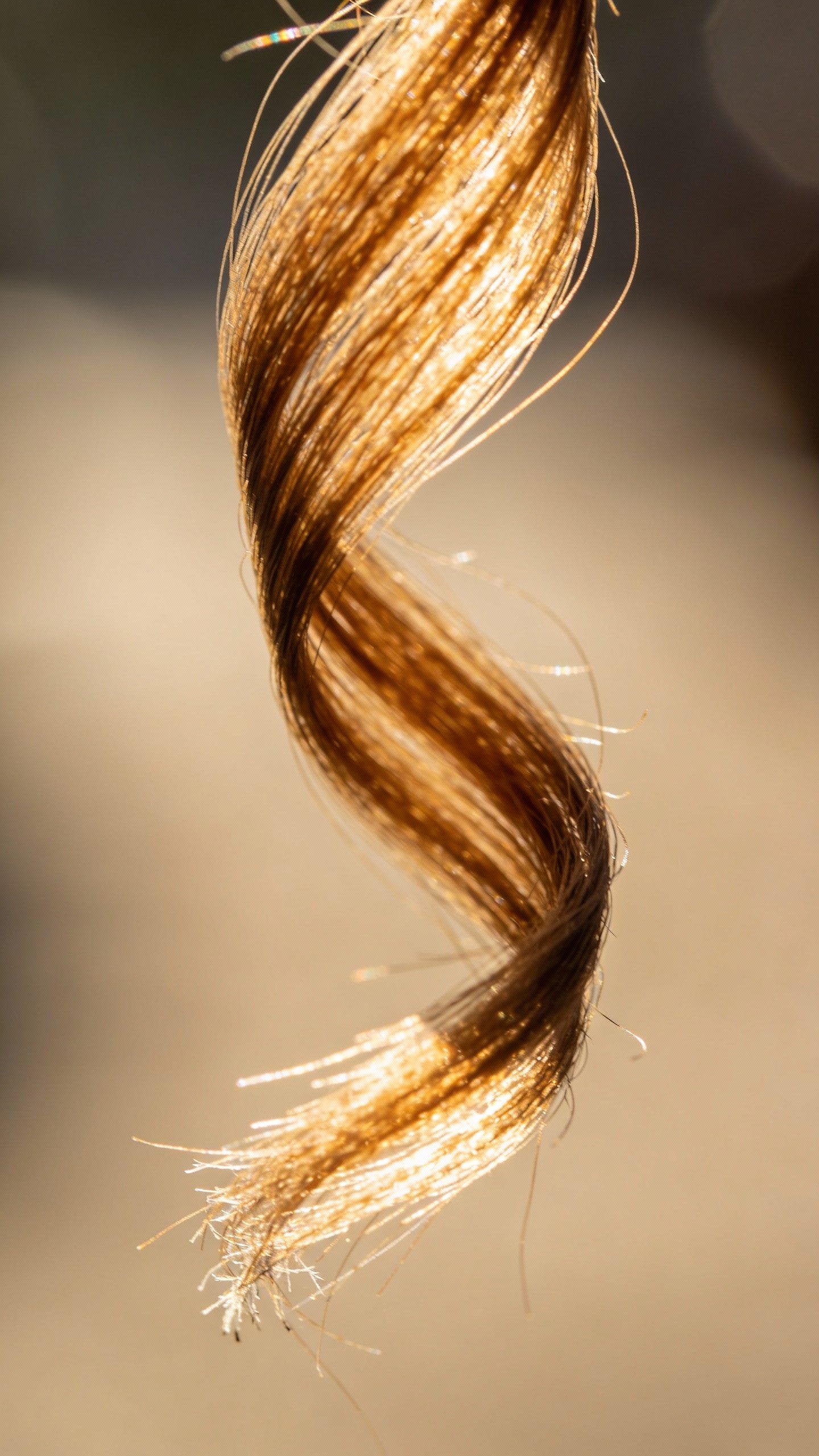
Heat damage usually means moisture loss. So, we drench.
- Deep condition 1–2x weekly for 15–30 minutes. Use heat from a cap or warm towel to help absorption. No heat tools, we’re not monsters.
- Rinse cool to smooth the cuticle for extra shine.
- Leave-in conditioner after every wash. Focus mid-lengths to ends.
Moisturizing MVPs
- Butters and oils: Shea, avocado, argan (seal in moisture)
- Ceramides: Help patch up damaged cuticles
- Fatty alcohols: Cetyl, cetearyl (they’re actually hydrating, not scary)
Protein: The Strength Rebuilder
Your hair’s made of keratin. Heat damage messes with that structure. Protein treatments help reinforce it—just don’t overdo it.
- Light protein (amino acids, hydrolyzed keratin, silk protein) once in Week 2 if hair feels limp, stretchy, or “mushy.”
- Alternate moisture and protein in Weeks 3–4. One protein treatment per week is plenty for most.
- Test strand first. If hair gets stiff after protein, follow with a moisturizing mask.
Signs You Need Protein
- Hair stretches a lot then breaks
- No volume or body, looks flat
- Feels overly soft but still frizzy (weird, I know)

Cut, Seal, and Shield
You cannot glue split ends back together. You can minimize them and stop new ones from forming.
- Get a dusting trim in Week 1 or 2. Just the crispy ends. Your hair will instantly look healthier.
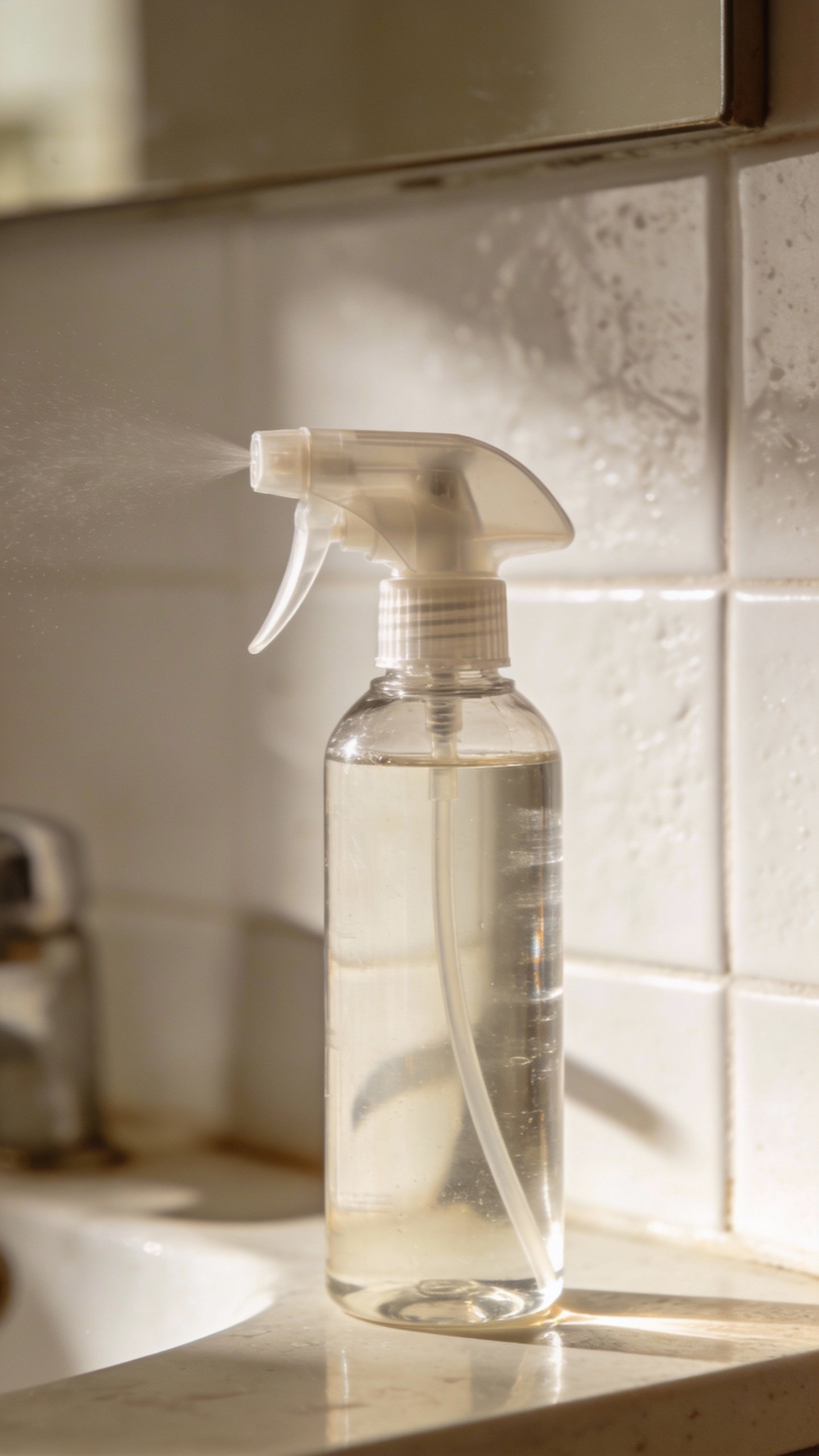
- Use a lightweight oil or serum after styling to seal the cuticle and add shine. Think argan, camellia, or silicone serums.
- Protect from heat and the elements: UV sprays if you’re outdoors a lot; silk pillowcase to reduce friction; loose braids at night.
Heat Styling Rules (If You Must)
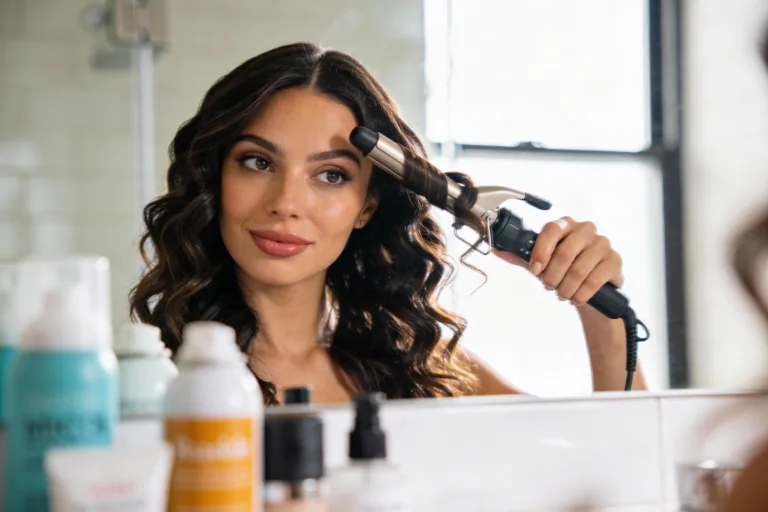
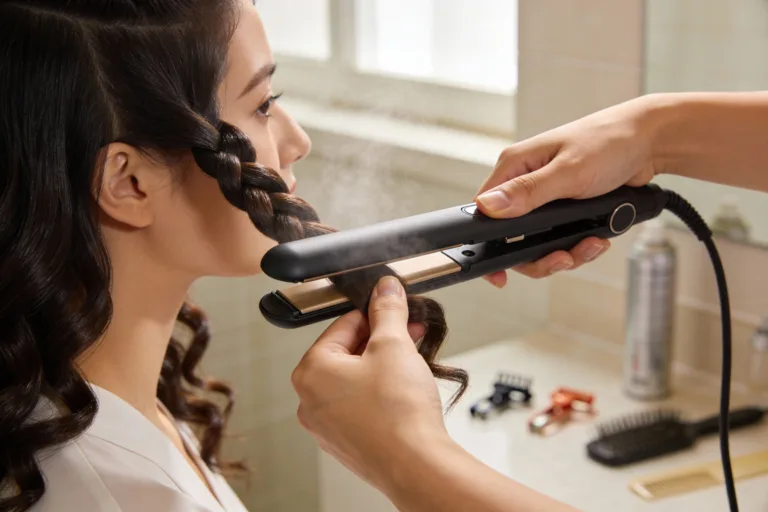
- Hard cap at 350°F/177°C for irons; lower for fine hair.
- Always use a heat protectant with silicones or polymers that form a thermal barrier.
- One pass only. Slow, steady glide. No sizzling. If it sizzles, abort mission.
Daily Styling That Doesn’t Wreck Your Progress
Let’s keep your hair cute while it heals.
- Air-dry or diffuse on cool. Use a microfiber towel or cotton T-shirt to blot, not rub.
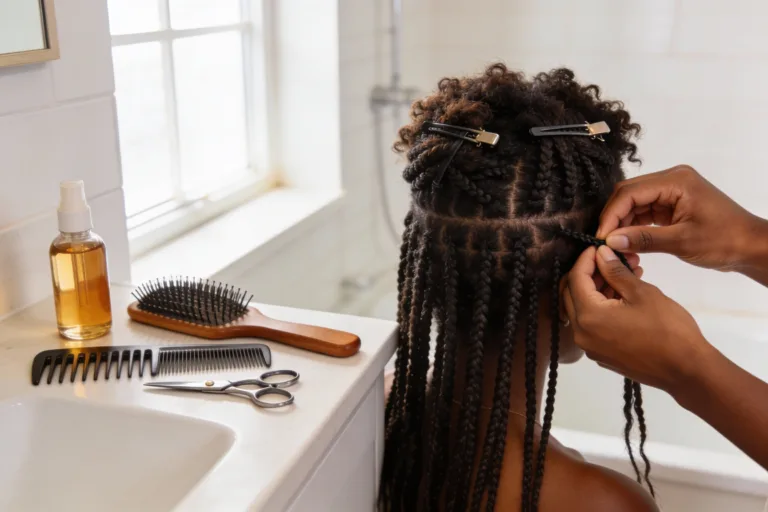
- Protective styles: Low buns, claw clips, loose braids. Avoid tight elastics and heavy extensions for now.
- Refresh between washes: Light leave-in spray + a tiny bit of oil on ends. Scrunch for waves/curls.
Product Layering Cheat Sheet
- After washing: Leave-in conditioner
- Then: Cream for definition or a light mousse for volume
- Finish: Oil/serum on ends to seal
Nutrition and Habits That Actually Matter
You don’t need to live on supplements, but what you do daily shows up in your hair.
- Protein intake: Your hair likes it. Aim for balanced meals with eggs, fish, beans, or tofu.
- Hydration: Drink water. Your scalp will thank you, and IMO, your hair frizzes less when you’re not dehydrated.
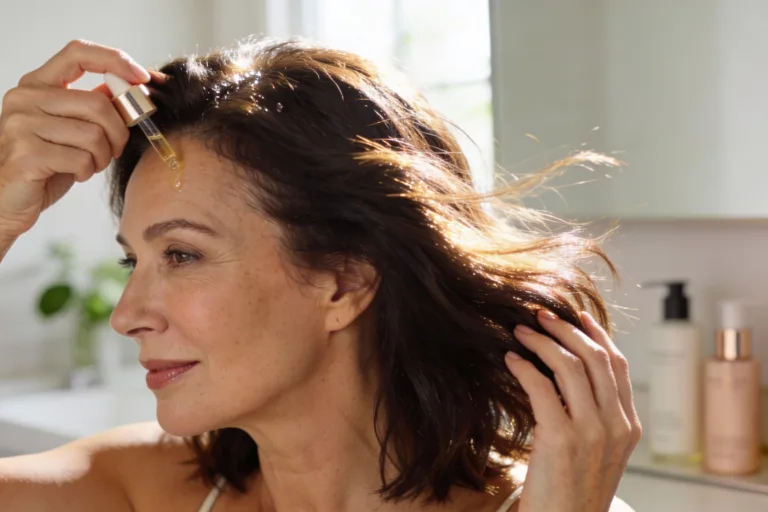
- Scalp care: Gentle massages 2–3 times a week (oils optional) to support circulation.
- Stress: Sleep, move your body, breathe. Hair loves calm people. Coincidence? Maybe. Helpful? Yes.
Checkpoint: What You Should See by Day 30
Let’s set realistic expectations. You won’t regrow new hair in a month, but you can transform how it behaves.
- Softer feel and more shine
- Fewer tangles and less breakage in your brush
- Better curl pattern or smoother blowouts (with less frizz)
- Healthier-looking ends after a trim and consistent sealing
If you don’t see any improvement, check product buildup, over-protein use, or heat sneaking back in. And, FYI, extreme damage sometimes needs a bigger cut—unfun but freeing.
FAQs
Can I fully repair heat-damaged hair without cutting it?
You can improve the look and feel a lot, but you can’t reverse splits or holes in the cuticle. Products smooth, fill, and protect, which makes hair behave beautifully. For severe damage, trimming remains the most honest fix, IMO.
How often should I use a protein treatment?
Start with once a week for light protein. If your hair gets stiff or straw-like, switch to moisture-only for a week. Coarse, resistant hair may tolerate more; fine hair usually needs less.
Do oils moisturize my hair?
Oils seal moisture in; they don’t hydrate on their own. Always apply oil or serum after water-based products like leave-ins or creams. Think of oil as the topcoat, not the paint.
Is air-drying always better than heat styling?
Usually yes for damaged hair, but not always. A controlled, low-heat blow-dry with protectant can beat six hours of wet friction on a rough towel. Be gentle either way and avoid high heat.
What’s the best heat protectant?
Look for protectants with silicones or heat-reactive polymers: dimethicone, amodimethicone, polyquaterniums, or acrylates. Spray evenly on damp hair, comb through, and let it coat every strand. No, using cooking oil doesn’t count.
Will scalp oils make my hair grow faster?
They can support a healthy scalp and reduce breakage at the roots, but they won’t turbocharge growth. Consistency, nutrition, and low stress matter more. Use oils if you like the ritual and results.
Bottom Line: Your 30-Day Comeback
Commit to gentle cleansing, heavy moisture, smart protein, and zero-to-low heat. Trim the worst ends, seal your lengths, and protect them daily. Keep it simple, stay consistent, and your hair will repay you with softness, shine, and way fewer mini meltdowns. You got this—your blow-dryer doesn’t run the show anymore.