How to Make Thick Hair Easier to Manage Without Thinning It Fast
Thick hair looks amazing… until you’re wrestling with it in the mirror wondering if you need a second pair of arms. You don’t need to thin it to make it manageable. You just need smarter habits, some strategic products, and the right tools. Ready to make those glorious strands behave without losing volume? Let’s go.
Start at the Sink: Wash Less, Condition Smarter
Your wash routine sets the tone. Over-washing fluffs your hair up like a soufflé and dries it out, which makes it bigger and frizzier. Space out washes to every 2–4 days, then focus on moisturizing where you need it.
Overeating doesn’t mean something is wrong with you. It means your system needs a reset.
If cravings keep pulling you off track, this helps you regain control without restriction. You’ll learn simple, realistic steps to stop overeating and feel satisfied again.
- Double-cleanse the scalp if you get oily roots, but keep shampoo off your ends. Your scalp needs the clean; your lengths need mercy.
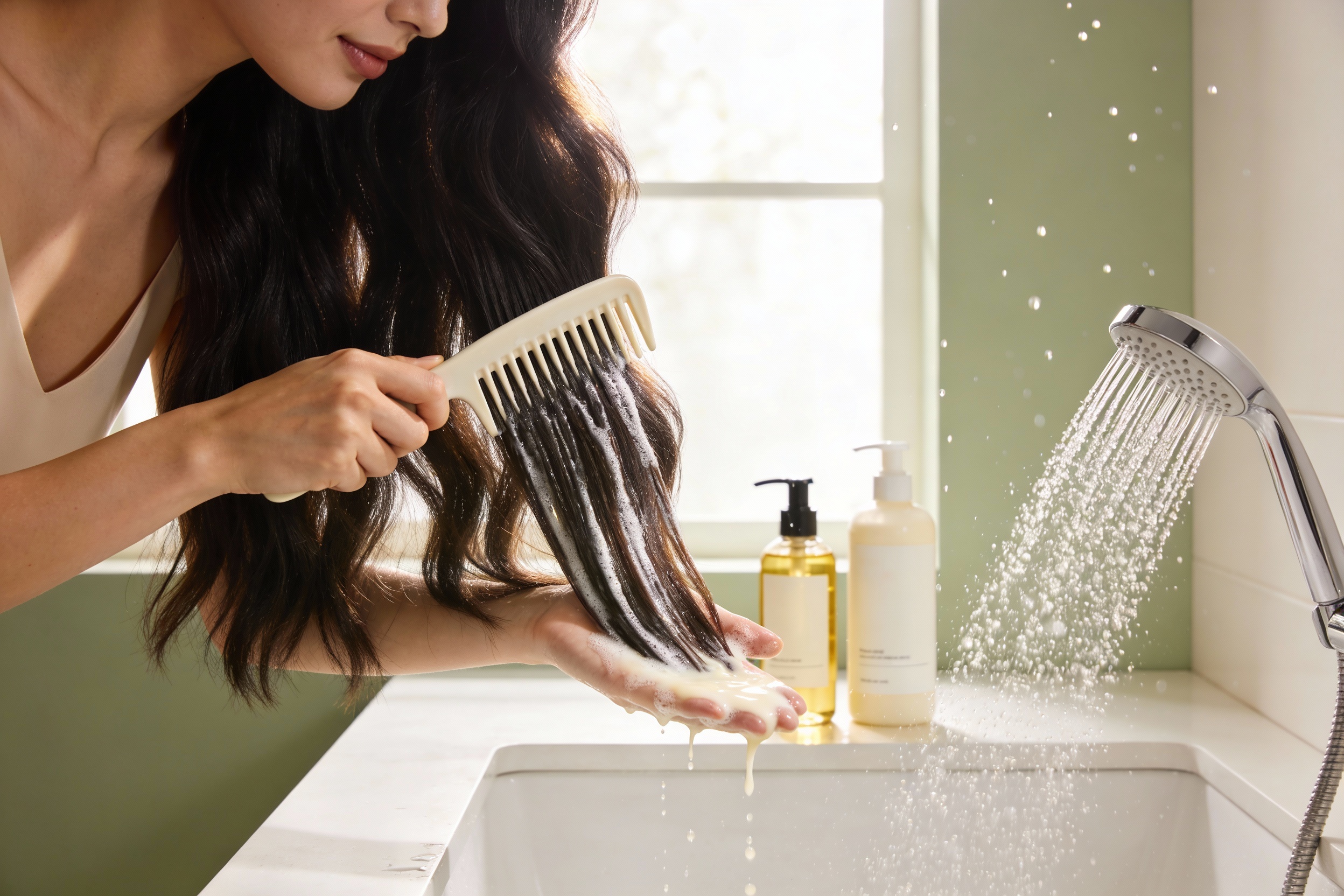
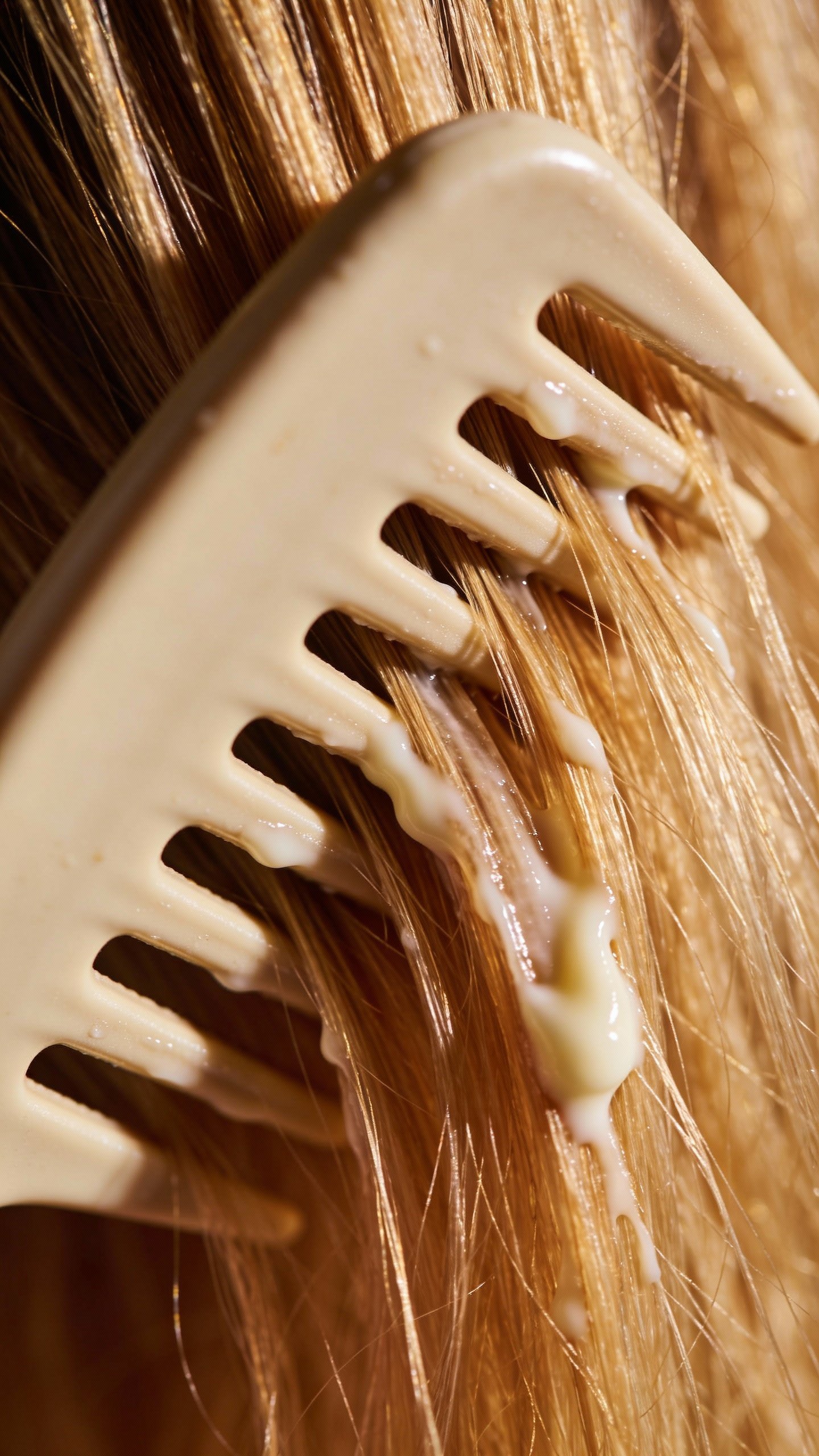
- Condition mid-lengths to ends. Let it sit for 2–5 minutes. Comb it through with a wide-tooth comb while it’s in—instant slip, fewer tangles.
- Finish with a cool rinse to help smooth the cuticle. It’s not magic, but it helps.
Pick a formula that does the heavy lifting
Look for conditioners with:
- Fatty alcohols (cetyl, cetearyl) for slip and softness
- Butters and oils (shea, avocado, argan) to weight without greasing
- Hydrolyzed proteins for strength if hair feels mushy or stretchy
FYI: Rotate moisture and light protein if your hair swings between fluffy and floppy.
Master the Towel and Drying Game
Your towel can make or break your day. Terrycloth roughs up thick hair and makes it balloon. Swap it for a microfiber towel or a cotton T-shirt.
- Don’t rub—squeeze and blot. Press out water in sections.
- Apply your leave-ins on soaking-wet hair. Water helps distribute product evenly.
- Let hair air-dry 70% before heat styling. You’ll save time and minimize frizz.
Diffuser or blow-dry brush?
– Curly/wavy hair: Use a diffuser on low heat, low airflow. Cup sections. Don’t touch it until it’s 80–90% dry.
– Straight/looser waves: A blow-dry brush gives smoothness and bend without a full flatiron session. Work in large sections to keep volume controlled, not flat.
Layer Your Products Like a Pro
You don’t need 12 products; you need the right few in the right order. Thick hair loves layering because it spreads control from root to tip.
- Leave-in conditioner: Detangles and gives slip. Focus mid-lengths to ends.
- Cream or milk: Adds weight and definition. Choose a curl cream for texture or a smoothing cream for straight styles.
- Gel or mousse: Locks it down. Gels give hold and shine; mousses add airy control for volume-lovers.
- Finishing oil/serum: Seal the deal and smooth surface frizz. A little, please. You’re not marinating a steak.
Root management without thinning
– Use a lightweight root spray with polymers to keep lift tamed without grease.
– Blow-dry the roots in the direction you want using tension and a paddle brush. A few minutes here saves a whole hour later.
Cut With Shape, Not Scissors of Doom
You can control bulk with a smart cut—not thinning shears. Ask for shape and strategic layering.
- Long layers remove pyramid poof while keeping density.
- Internal “invisible” layers (also called internal debulking) reduce mass within the haircut without fraying the ends.
- Blunt or lightly textured ends keep hair looking healthy. Over-texturizing makes frizz louder.
Bring receipts
Show photos of the finish you want—sleek, bouncy, defined—so your stylist applies the right technique. Words like “thin it out” can get lost in translation. Say: “I want to keep fullness, but reduce bulk through the midsection; no thinning near the ends.”
Style in Sections, Not in Chaos
Rushing through thick hair always backfires. Work in sections the width of two fingers—clean, consistent, and way faster in the long run.
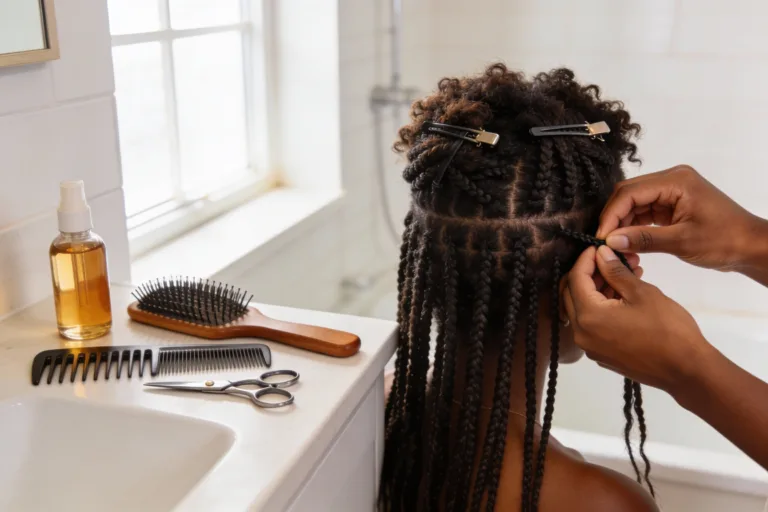
- Clip hair into 4–6 sections. Finish one before you touch the next.
- Use tension with a paddle or round brush as you blow-dry. Smooth cuticles = easier days ahead.
- Set the shape. Hit each section with a cool shot to lock it.
Heat settings that don’t fry
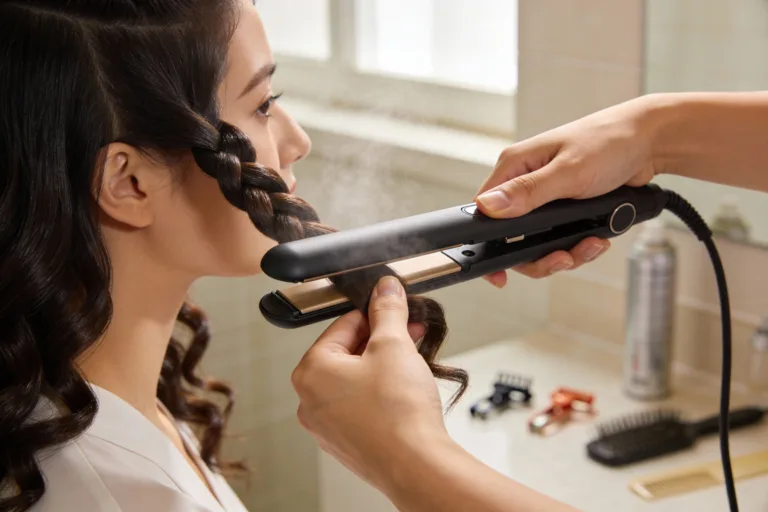
– Fine-but-thick hair: 300–325°F (150–165°C)
– Medium: 325–375°F (165–190°C)
– Coarse: 375–410°F (190–210°C), sparingly
Strong heat briefly with tension beats low heat forever. IMO, quick and correct always wins.

Choose Tools That Actually Work
The right brush and ties change everything. Stop fighting; start delegating to your gear.
- Wide-tooth comb for detangling in the shower. Less breakage, fewer knots.
- Paddle brush for smoothing bulk and fast blowouts.
- Mixed bristle brush (boar + nylon) to polish and distribute oils.
- Silk scrunchies that don’t dent or snag. Because ponytails shouldn’t equal headaches.
- Large claw clips to section and set shape while it cools.
Parting for power
– Deep side parts amplify one side and calm the other—great for distributing mass.
– Middle parts can look heavy; try a soft off-center for balance.
– Flip your part while drying to control volume exactly where you want it.
Night Moves: Prep Before Bed
Your pillow can wreck a good hair day. Protect all that effort while you sleep, and wake up 80% styled.
- Silk or satin pillowcase to cut friction and frizz.
- Loose pineapple or two-strand twist if you’ve got waves/curls.
- Low loose braid for straighter textures to keep ends smooth and stretched.
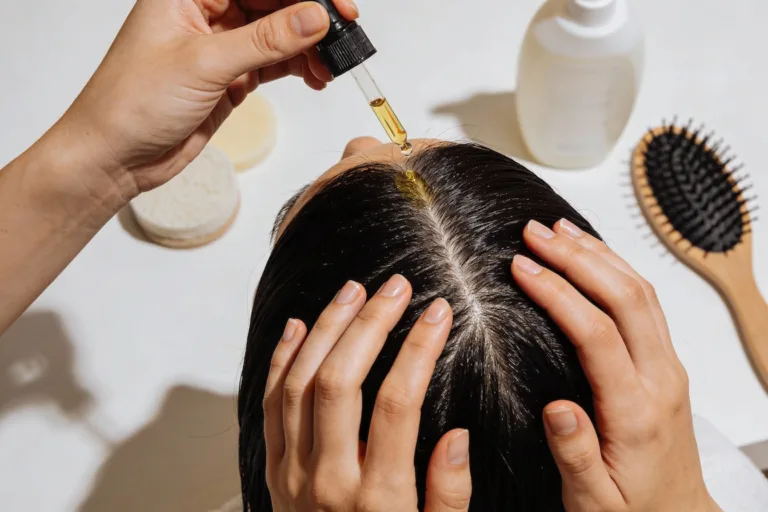
- Light oil/silk serum on the ends only, pea-sized amount. Don’t oil the roots before bed unless you love morning chaos.
What to Do Between Washes
Day 2–4 can look better than Day 1 with a few quick moves.
- Refresh with water + leave-in in a spray bottle. Scrunch for curls, smooth for straight.
- Dry shampoo at the roots before bed to soak oil overnight.
- Touch-up the face frame with a brush and dryer or a few bends with a large-barrel iron. Only what people actually see.
Humidity hacks
– Use an anti-humidity spray or serum with silicones for a protective shield.
– Avoid glycerin-heavy formulas in high humidity—they can puff you up.
– In dry climates, add humectants like aloe or glycerin back in for bounce.
FAQ
How do I reduce bulk without losing length?
Ask your stylist for long layers and internal debulking rather than thinning shears at the ends. At home, use smoothing creams and controlled tension while blow-drying to compress the cuticle. The combo calms volume but keeps your length and fullness intact.
What’s the best brush for thick hair?
Use a wide-tooth comb in the shower, then a paddle brush for drying and detangling. For finishing, a mixed bristle brush distributes oils and adds shine. Each tool has a job—don’t make one poor brush do everything.
Can I air-dry thick hair without frizz?
Yes, but set it up right. Apply leave-in, then a cream, then a gel or mousse on soaking-wet hair, and avoid touching while it dries. If you’ve got curls, diffuse on low at the end for 5–10 minutes to lock in definition.
Do oils really help, or do they just make hair greasy?
They help when you use a tiny amount and apply only mid-lengths to ends. Choose lighter oils (argan, squalane) if your hair gets greasy easily, and richer ones (castor, shea blends) if your hair is coarse and dry. Start with a pea-sized drop—add more only if needed.
Why does my hair poof up after I style it?
Usually: not enough product, not enough tension, or humidity winning the fight. Layer a cream under your gel, use a paddle brush with firm tension, and finish with an anti-humidity spray. Also, let hair fully cool before you touch it—that “set” matters.
How often should I trim thick hair?
Every 8–12 weeks works for most. If your ends tangle or your shape collapses sooner, book earlier. Trims keep your cut’s structure so your styling routine stays easy, not heroic.
Conclusion
You don’t need to thin your hair to tame it—you need strategy. Clean the scalp, feed the lengths, layer products on wet hair, and style in sections with the right tools. Add a smart cut and low-friction sleep routine, and your thick hair turns from stubborn to stunning. IMO, it’s not about fighting your hair—it’s about outsmarting it.