How to Make Diy Products for Sensitive Skin Without Tears
Sensitive skin throws a tantrum faster than a toddler in a toy aisle. One wrong ingredient and boom—redness, stinging, itch city. The good news? You can make gentle, effective products at home without mystery chemicals or fragrances that ambush your face. Let’s build a calm, cozy routine your skin actually likes, using simple ingredients and zero drama.
Know Your Triggers (So You Don’t Sabotage Yourself)
You can’t DIY for sensitive skin if you don’t know what flips the switch. Fragrances, essential oils, harsh surfactants, and even certain plant extracts can irritate. I know they sound “natural,” but nature also made poison ivy, FYI.
Common triggers to skip or limit:
Overeating doesn’t mean something is wrong with you. It means your system needs a reset.
If cravings keep pulling you off track, this helps you regain control without restriction. You’ll learn simple, realistic steps to stop overeating and feel satisfied again.
- Fragrance and essential oils (yes, even lavender and tea tree)
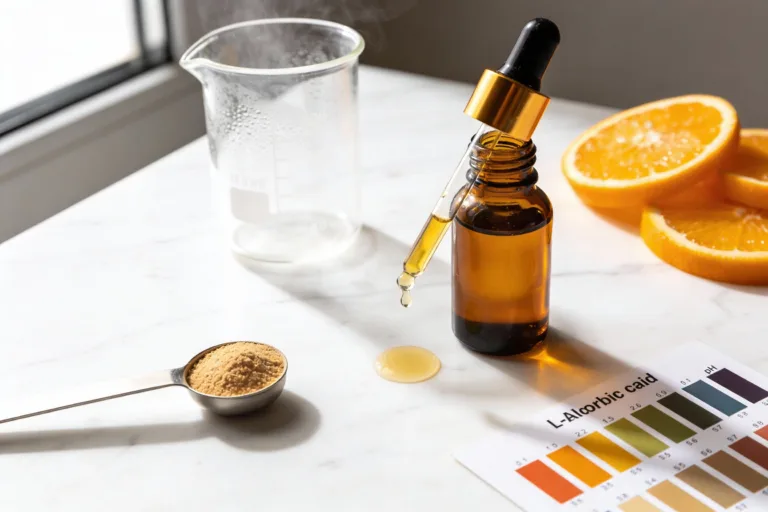
- Strong acids (glycolic, high % lactic) and high-dose vitamin C (L-ascorbic acid)
- Over-exfoliation (physical scrubs, daily acids)
- Drying alcohols (SD alcohol, denatured alcohol)
Gentle heroes to embrace:
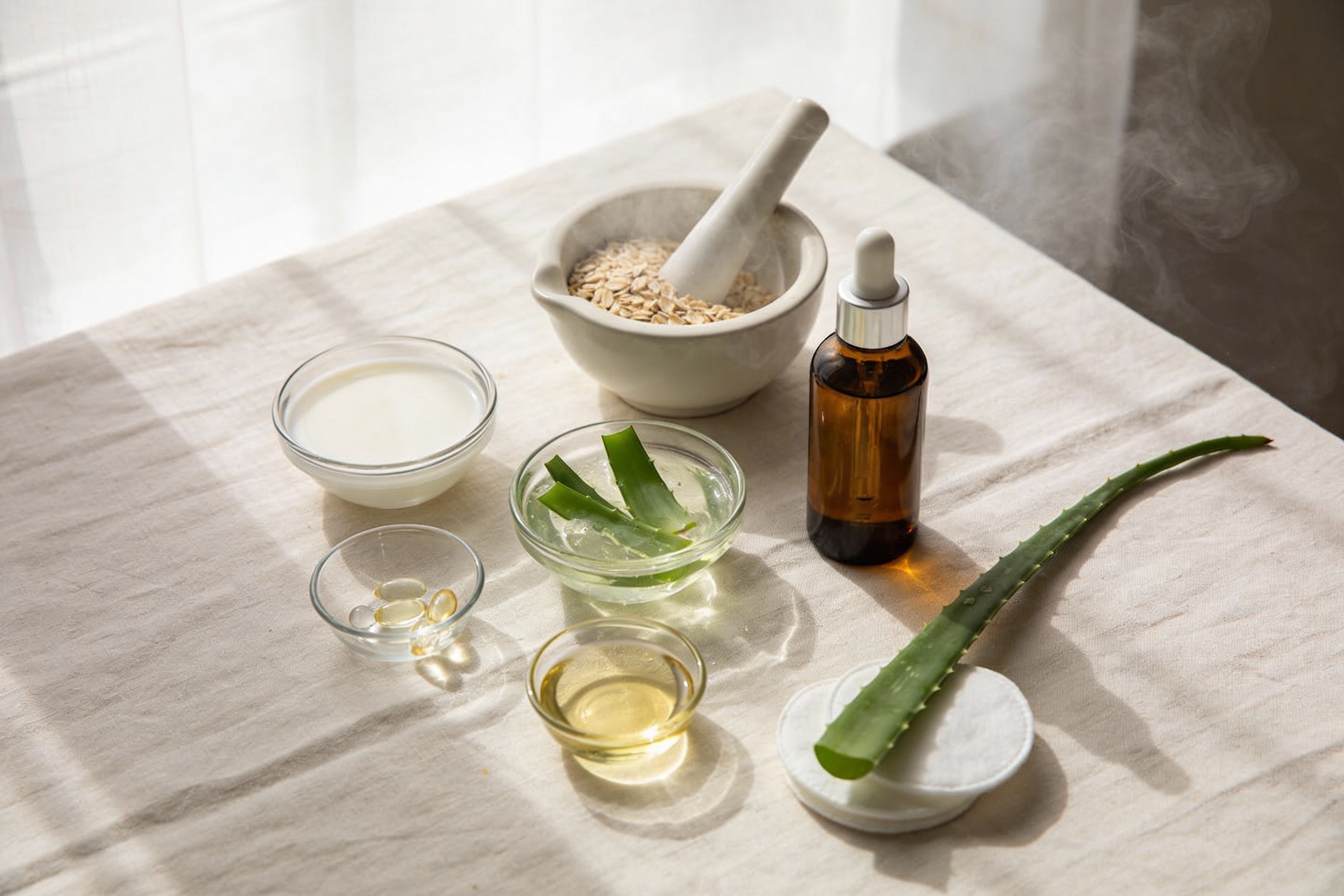
- Oats, aloe vera gel (pure, no dyes), glycerin, panthenol (vitamin B5)
- Niacinamide at low concentrations (2-5%)
- Non-fragrant plant oils like squalane, jojoba, meadowfoam
- Ceramides and cholesterol (if you can source them)
Build a Simple, Friendly Routine
You don’t need a 12-step routine. Your skin wants three things: cleanse without stripping, hydrate like a champ, and seal with a barrier.
Basic order:
- Gentle cleanser
- Hydrating toner or essence
- Moisturizer
- Mineral sunscreen (daytime)
Add one new product at a time. Patch test inside your elbow or along your jawline for 24-48 hours. Not glamorous, but neither is a face that feels like it met a chili pepper.
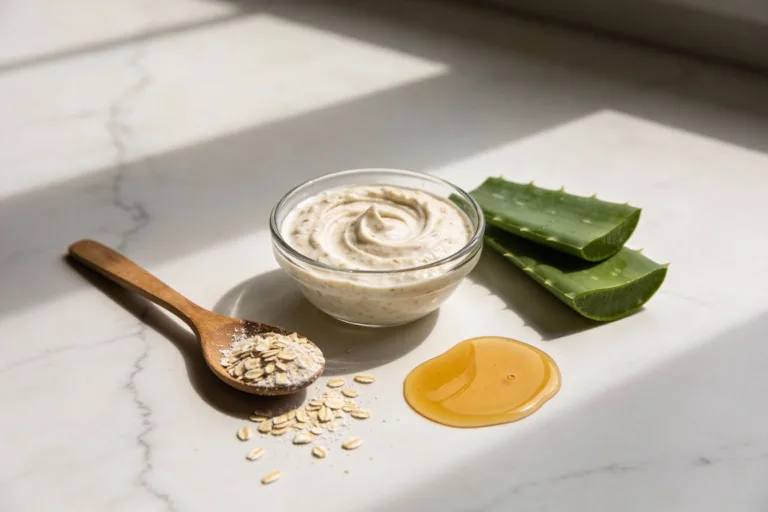
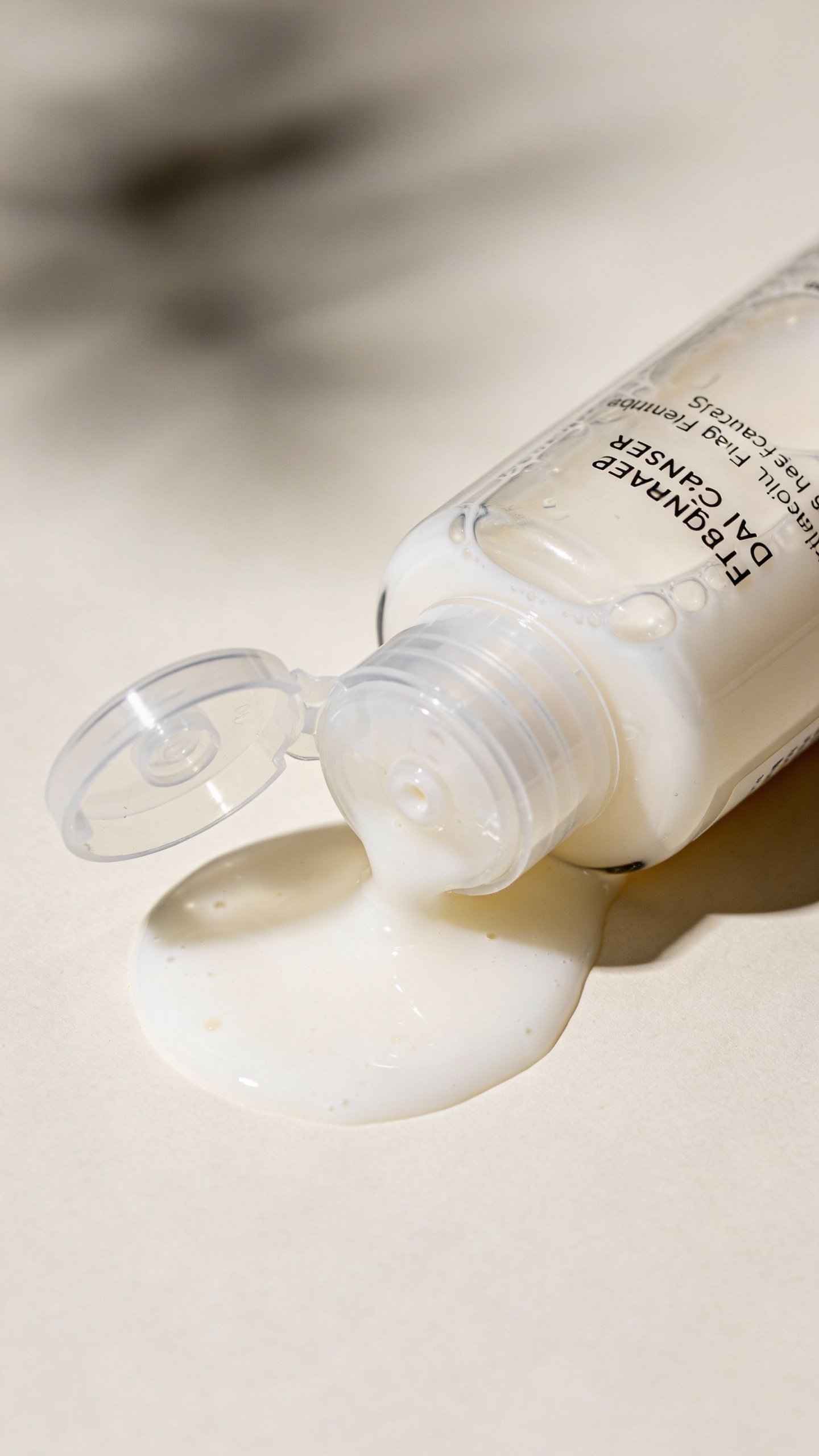
DIY Gentle Cleanser (Milk-Oat Jelly)
You’ll make a soft, non-foaming cleanser that lifts grime without torching your barrier. No squeaky-clean nonsense—just comfy clean.
What you need:
- 1 cup distilled water
- 2 tbsp colloidal oatmeal (finely ground oats)
- 1 tbsp vegetable glycerin
- 1-2 tsp mild, fragrance-free, pH-balanced surfactant (optional, like coco glucoside)
- 1 tsp aloe vera powder or 2 tbsp pure aloe gel (no fragrance, minimal additives)
- Preservative (e.g., broad-spectrum like Geogard/Leucidal, as directed by supplier) if you’ll store more than 5 days
How to make it:
- Whisk water and colloidal oatmeal until the liquid turns slightly milky.
- Add glycerin and aloe. Stir until smooth.
- If using a gentle surfactant, add 1 tsp first, test, then add the second tsp only if you want more slip.
- Check pH with strips; aim for ~5.5. Adjust with a tiny bit of citric acid (to lower) or baking soda (to raise)—go slow.
- Use immediately or add preservative per instructions. Store in a pump bottle in the fridge for up to 5 days without preservative, 2-3 months with.
To use: Massage onto damp skin for 30 seconds, then rinse. If makeup is involved, try a first cleanse with squalane, then follow with this.
Why it’s great
Colloidal oats soothe and reduce redness. Glycerin hydrates. Minimal surfactant keeps your barrier intact. IMO, this beats most “gentle” cleansers that still strip.
Hydrating Essence Mist (Aloe + Panthenol Cloud)
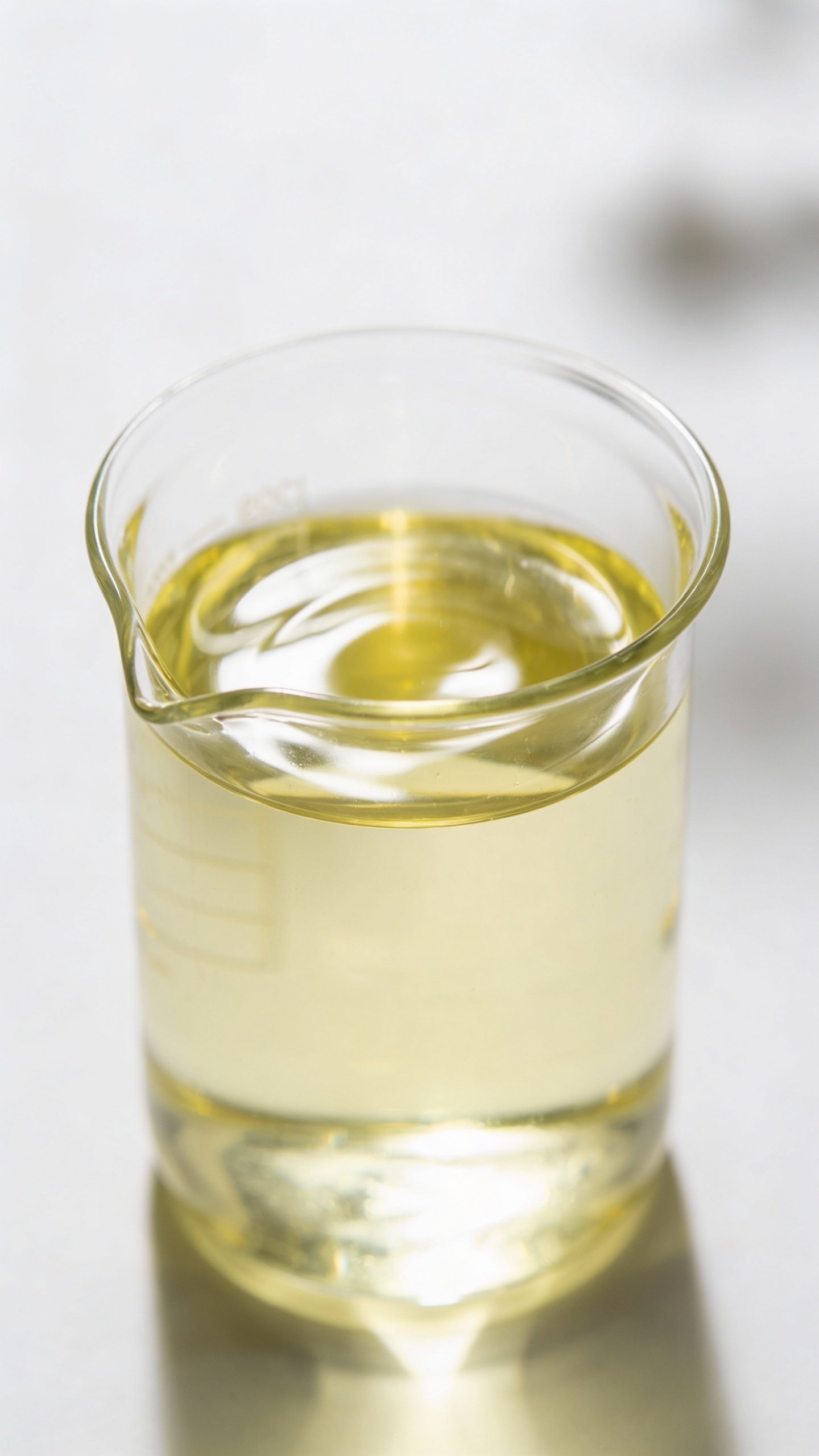
This is your all-day hydration buddy. Think “skin drink,” not “sticky syrup.”
What you need:
- 1 cup distilled water
- 2 tbsp pure aloe vera gel or 1 tsp aloe powder
- 1 tsp glycerin
- 0.5% panthenol (about 1/2 tsp powder per cup, follow supplier directions)
- Optional: 2% niacinamide (about 1/2 tsp powder), if your skin tolerates it
- Preservative as directed
How to make it:
- Whisk water, aloe, glycerin, panthenol, and niacinamide until dissolved.
- Check pH; keep around 5-6 for comfort and niacinamide stability.
- Add preservative and decant into a fine mist bottle.
To use: Mist after cleansing and before moisturizer, or whenever your skin yells “I’m thirsty.” Avoid open wounds; it’ll sting.
Pro tip
If niacinamide annoys you, drop it. Your mist will still rock. Sensitive skin gets the final vote, always.
Barrier-Loving Moisturizer (Oat Cream Dream)
We’ll make a silky, fragrance-free cream that calms and supports your barrier. A hand mixer or mini whisk helps.
What you need:
- 60% distilled water
- 15% aloe water (or just more distilled)
- 5% glycerin
- 10% squalane or jojoba oil
- 5% emulsifying wax (for oil-water blending)
- 3% shea butter (skip if you clog easily; swap for more squalane)
- 1% colloidal oatmeal
- 1% panthenol
- 0.5-1% preservative
How to make it:
- Heat the water phase (water, aloe, glycerin) in a double boiler until warm.
- Heat the oil phase (squalane/jojoba, emulsifying wax, shea) until melted.
- Slowly pour the oil phase into the water phase while mixing. Blend for 2-3 minutes until creamy.
- Let cool below 40°C (warm but not hot), then add colloidal oat, panthenol, and preservative. Stir well.
- Check pH ~5-6. Jar it. It thickens as it cools.
To use: Apply to damp skin after your essence. At night, layer a few drops of squalane on top for extra cozy.
Customization ideas
- Ultra-sensitive: Skip shea and panthenol; some react. Keep it ultra-simple.
- Oily-prone: Use 5% oils, bump water up. Add 1% allantoin for soothing.
- Desert-dry: Add 2% ceramide complex if available. Your barrier will applaud.

Emergency Soothing Mask (Oat + Yogurt Chill)
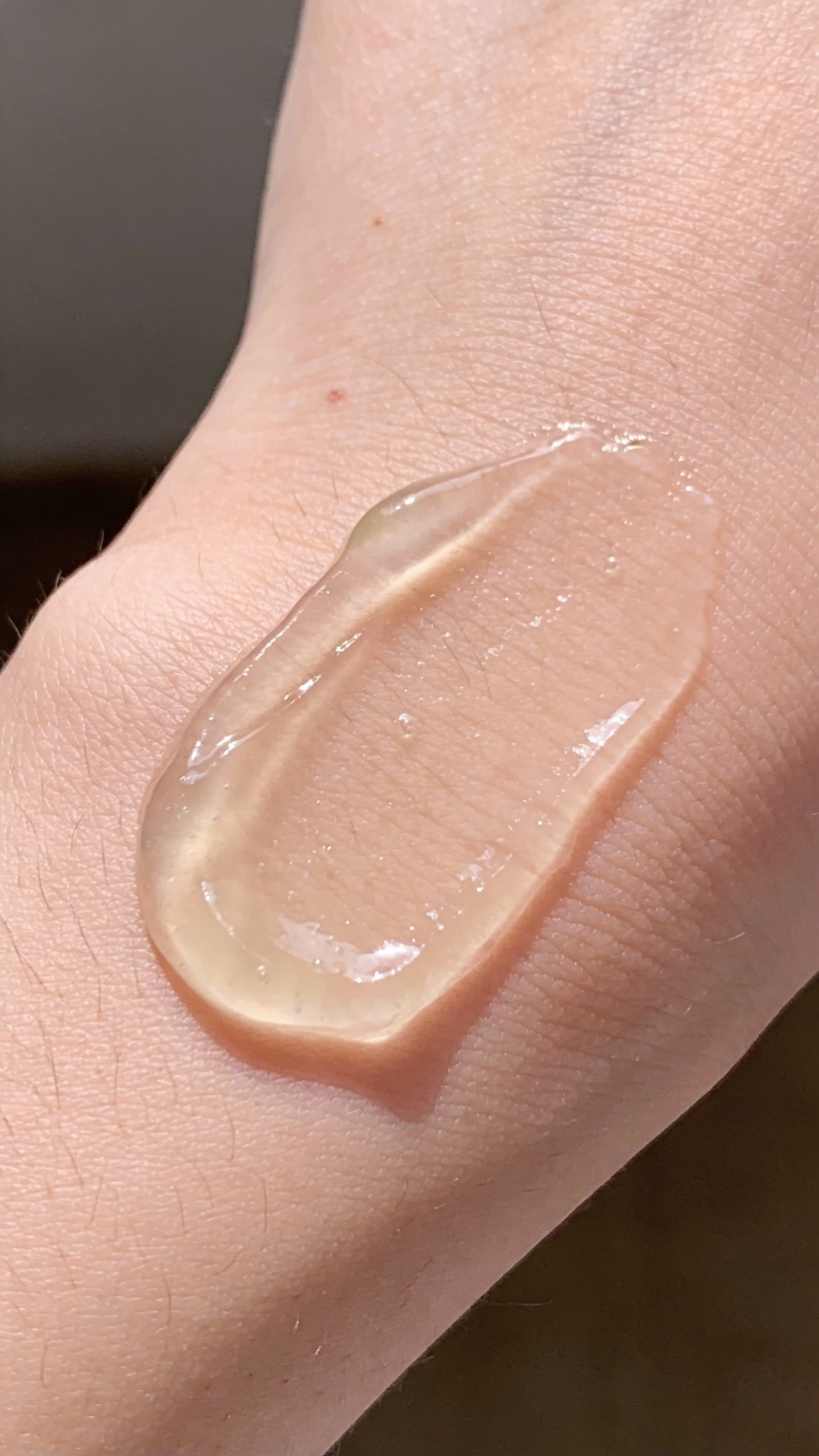
Red, angry, over-exfoliated? This calms it down fast.
What you need:
- 2 tbsp plain, unsweetened yogurt (full-fat preferred)
- 1 tbsp colloidal oatmeal
- Optional: 1 tsp honey if you tolerate it
How to make it:
- Mix into a smooth paste.
- Apply a thin layer for 10 minutes. Do not let it dry completely.
- Rinse with cool water and pat dry. Follow with moisturizer.
Why it works: Lactic acid in yogurt is super gentle in this format, and the fats soothe. Oats bring anti-inflammatory vibes. Honey adds humectant power—unless it irritates you, in which case, hard pass.
Sun Protection, But Make It Sensitive
You can craft a lot at home, but sunscreen isn’t one of them. Formulating SPF safely requires lab testing. Please don’t DIY sunscreen—your future self will thank you.
What to use instead:
- Mineral sunscreens with zinc oxide, fragrance-free
- Short ingredient lists; avoid citrus extracts and essential oils
- Reef-safe is a nice bonus, but priority = your skin tolerates it
Application hacks
- Layer over a hydrating essence so it glides and doesn’t pill.
- Use 1/4 tsp for face and neck. Yes, measure once—you’ll be shocked.
- Reapply every 2 hours outdoors. Indoors, reapply if you sit by windows all day.
Smart Hygiene and Shelf Life (Don’t Grow a Science Project)
DIY means you control quality, but also contamination risk. Let’s not culture petri dishes on your vanity.
Keep it clean:
- Use distilled water only.
- Sanitize tools and jars with 70% isopropyl alcohol.
- Label batches with dates.
- When in doubt, toss it. Your skin costs more than ingredients.
Shelf life basics:
- Products with water need a preservative for storage beyond 5-7 days.
- Oil-only items last longer but can oxidize—store cool and dark.
- If smell, color, or texture changes, bye.
FAQs
Can I use essential oils if I have sensitive skin?
You can, but I wouldn’t. Even “gentle” oils can spark irritation, and the risk-reward ratio just isn’t worth it for sensitive types. If you insist, keep total EO under 0.2%, patch test, and avoid citrus oils entirely. IMO, fragrance-free wins.
What if niacinamide stings?
Either the concentration runs too high or your barrier sits compromised. Drop to 2% or remove it for now. Focus on barrier repair—oats, squalane, ceramides—then try again in a few weeks.
Is honey safe for sensitive skin?
Usually, yes, and it’s a nice humectant with mild antimicrobial benefits. But it can irritate some people, so patch test first. Also, avoid if you have a bee-related allergy or super reactive skin.
Can I exfoliate at all?
Yes, but keep it gentle and infrequent. Try a lactic acid toner at 2-5% once a week or use a soft washcloth with your cleanser. Skip walnut scrubs and daily acids—your barrier will throw hands.
Do I need a preservative?
If your product contains water and you plan to keep it for more than a few days, absolutely yes. Preservatives protect you from bacteria, yeast, and mold. They’re not the enemy; contaminated skincare is.
What if everything burns?
Stop everything except lukewarm water and a bland moisturizer for a week. Think petrolatum or a simple ceramide cream. If burning continues or you see rashes, see a dermatologist—no DIY can solve a full-blown dermatitis flare.
Conclusion
Sensitive skin doesn’t need a complicated routine—it needs respect. Keep formulas simple, ditch fragrance, and patch test like a pro. Build a soothing cleanser, a hydrating mist, and a barrier-loving cream, then protect with a mineral sunscreen. Do that consistently, and your skin will chill out—no drama, just glow. FYI, your face will thank you every morning.