How to Make Aging Hair Look Healthy and Youthful Fast
You want your hair to look healthy and youthful without spending your whole life in front of a mirror? Totally doable. Aging hair can feel drier, thinner, and a bit stubborn, but you don’t need a magic potion. You just need smarter habits, a few strategic products, and a little attitude. Let’s get your hair looking shiny, bouncy, and full of life—no unicorn serum required.
Understand What’s Actually Changing (So You Can Outsmart It)
Hair changes with age—no shocker. But the “why” matters because it guides your routine. Hormonal shifts slow growth, follicles shrink, and oil production drops. Translation: thinner strands, more dryness, and less natural gloss.
Overeating doesn’t mean something is wrong with you. It means your system needs a reset.
If cravings keep pulling you off track, this helps you regain control without restriction. You’ll learn simple, realistic steps to stop overeating and feel satisfied again.
Think: Protect the cuticle, feed the scalp
– Your cuticle (the outer layer) gets rougher with time. Smooth it and you get instant shine.
– Your scalp is skin. Treat it like skincare for your roots—because stronger roots = better hair.
Build a Smarter Wash Routine

You don’t need to shampoo every day. In fact, too much washing strips the little oil your scalp still produces. Aim for 2–4 times a week depending on your scalp.
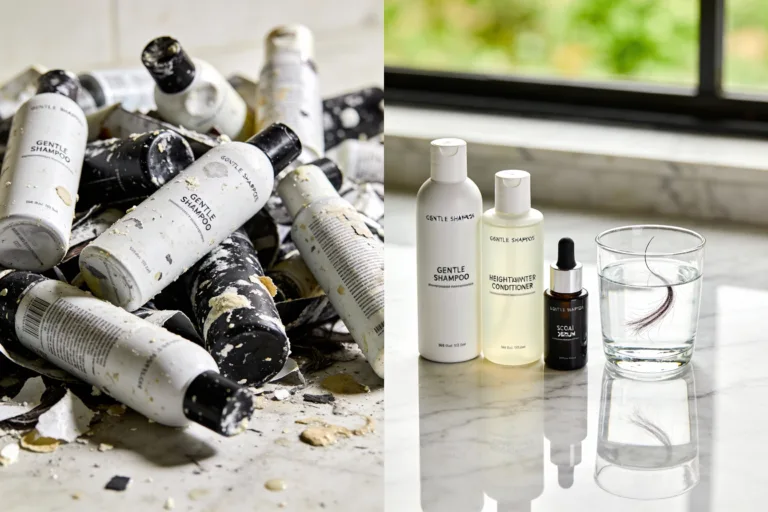
- Choose gentle, sulfate-free shampoos. Look for words like “moisturizing,” “bond-building,” or “color-safe.”
- Condition every time. Mid-lengths to ends. Leave on for at least 2–3 minutes. Rinse cool for extra shine.
- Use a weekly hair mask. Ingredients like amino acids, ceramides, and shea butter help fill in rough spots and boost smoothness.
- Clarify once a month if you use lots of styling products. Buildup makes hair look dull.
The scalp step everyone skips
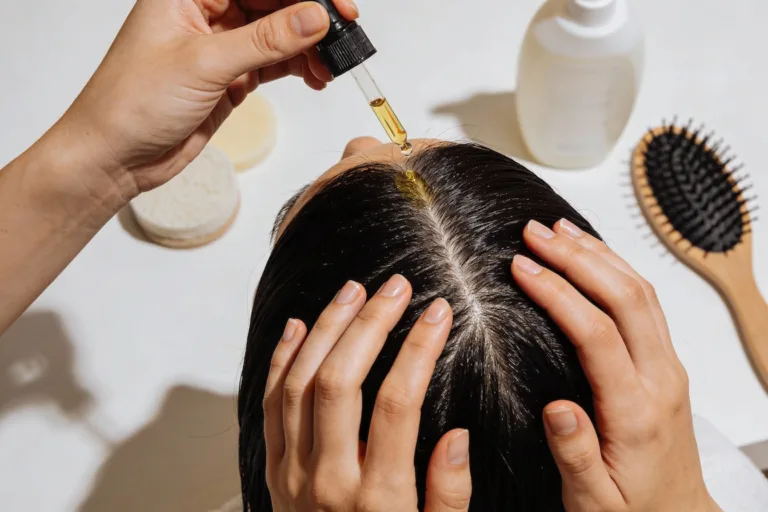
Add a scalp scrub or exfoliating serum once a week. Think salicylic acid or gentle enzymes. You’ll remove dead skin and product gunk so hair can grow in a cleaner environment. FYI, a happy scalp usually equals better volume.
Moisture, Protein, and Bond Care—Find Your Balance
Your hair needs three things in rotation: moisture, protein, and bond support. Get the balance right and your hair looks bouncy instead of brittle.
- Moisture: humectants like glycerin or hyaluronic acid; emollients like argan, jojoba, or squalane. Use on wash days and as a leave-in on dry ends.
- Protein: hydrolyzed keratin, silk, or wheat protein once every 1–2 weeks if your hair feels stretchy or limp.
- Bond builders: look for “bis-aminopropyl diglycol dimaleate,” “maleic acid,” or “bonding technology.” Great for color-treated or heat-styled hair.
Quick test: Do you need protein or moisture?
– Hair feels rough, straw-like, and snaps when you stretch it? More moisture.
– Hair stretches and doesn’t bounce back, feels mushy when wet? More protein.
– Hair feels weak from bleach or heat? Bond care helps knit things back together (ish).
Style for Volume and Shine (Without Frying It)

Heat styling isn’t the enemy—reckless heat is. You can still have smooth ends and lifted roots without sizzling your cuticles.
- Always use heat protectant. Spray or cream, applied evenly, roots to ends.
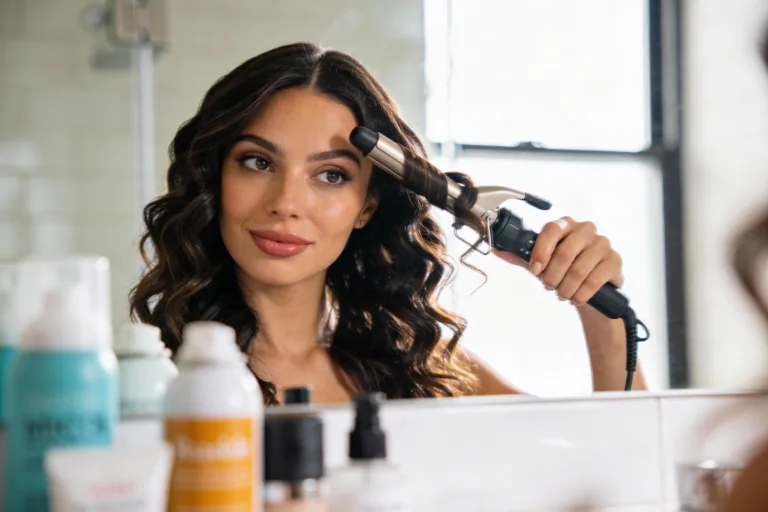
- Turn down the heat. 300–350°F (150–175°C) is usually enough for fine or aging hair. Thicker textures can nudge higher, but don’t go full dragon.
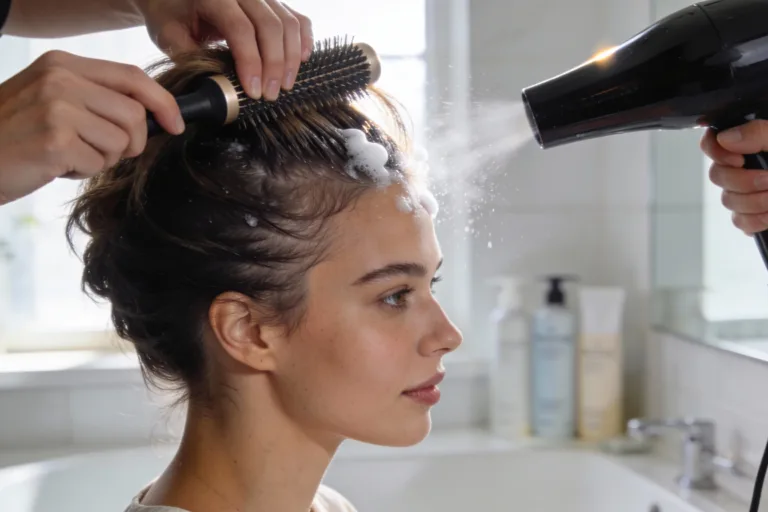
- Blow-dry for lift: Flip your head upside down for the first 50% dry, then use a round brush at the crown.
- Skip daily hot tools. Use rollers, heatless waves, or a quick root refresh with a round brush and cool setting.
- Finish with a shine serum on the ends only. One pump. Maybe two if your hair drinks oil like iced coffee in July.
The power of a good haircut
– Blunt ends make fine hair look thicker.
– Strategic layers add movement without thinning the ends.
– Regular dusting every 8–10 weeks prevents frayed ends that scream “tired.”
Color Tricks That Instantly Rejuvenate
Color can make or break the youthful vibe. You don’t need to hide every gray; you want dimension and softness.
- Glosses and glazes add shine and tone down brass without heavy damage.
- Face-framing highlights brighten your complexion and make hair look fuller.
- Lowlights create depth so hair doesn’t look flat or “helmet-y.”
- Go slightly warmer as you age—golden, beige, or soft caramel reads healthier than ashy on most skin tones, IMO.
Embracing gray with style
If you’re going silver, go all in with purple shampoo once a week to nix yellow tones. Pair with a clear gloss for glassy shine. And remember: silver looks amazing with a sharp cut and glossy finish.
Thicker-Looking Hair Starts at the Root

You can’t change your follicle size overnight, but you can make hair look fuller and support long-term growth habits.
- Use lightweight volumizers like root-lift sprays, mousses, or thickening lotions. Avoid heavy oils at the roots.
- Try a zigzag part. Instant volume, zero effort.
- Scalp serums with peptides or caffeine can support a healthier environment for growth. Consistency matters.
- Minoxidil can help with thinning for many people. Talk to a dermatologist if shedding feels excessive. FYI, it takes months, not days.
Brush smarter, not harder
– Use a paddle brush or boar-bristle mix to distribute oils for shine.
– Detangle from ends up with a wide-tooth comb.
– Hair is most fragile when wet, so be gentle. Microfiber towels or soft tees beat rough terry cloth.
Lifestyle Upgrades Your Hair Will Notice
Hair is basically a status update for your health habits. You can’t out-condition a sleep deficit.
- Protein and healthy fats support stronger hair. Think eggs, salmon, nuts, and legumes.
- Iron, vitamin D, and B12 matter for hair density. If you’re shedding more than usual, consider bloodwork.
- Stress management isn’t fluff. Chronic stress can push more hairs into shedding mode.
- Sun and chlorine protection keeps color fresh and cuticles intact. Wear a hat, rinse before and after swimming, and use UV sprays.
Sleep on it (literally)
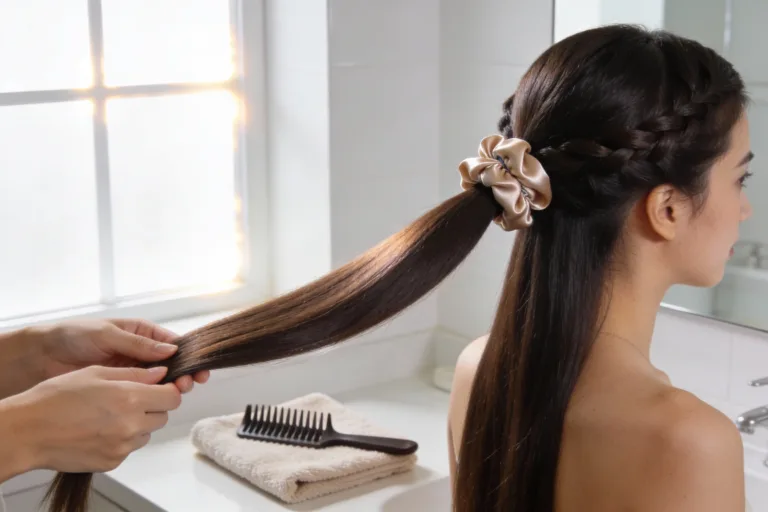
Swap rough pillowcases for silk or satin. Less friction, fewer tangles, more shine. Loose braids or a scrunchie bun keep ends from fraying overnight.
Products That Punch Above Their Weight
If you want the “what to actually buy” cheat sheet, here you go. Not brand-specific—just ingredients and formats that work.
- Gentle shampoo + rich conditioner with ceramides, glycerin, or aloe.
- Weekly mask with amino acids or butters for softness.
- Bond-building treatment every 1–2 weeks if you color or heat style.
- Leave-in conditioner for frizz control and heat protection.
- Root lift spray or mousse for body without weight.
- Lightweight oil or serum to seal ends and add shine.
- Purple shampoo if you have gray, blonde, or highlighted hair.
Application hacks that matter
– Apply conditioner and masks on towel-dried hair so they don’t slide off diluted.
– Use half the amount of oil you think you need. You can always add more.
– Layer products from lightest to heaviest: leave-in, then volumizer, then heat protectant, then oil/serum on ends.
FAQ
How often should I wash aging hair?
Aim for 2–4 times per week. Adjust based on scalp oiliness and your styling habits. Always condition and use a weekly mask for moisture. If you work out daily, rinse with water and use conditioner on ends between shampoos.
What haircut makes thinning hair look fuller?
Blunt or softly blunt ends add visual density. Light, strategic layers around the face create movement without removing bulk. Shoulder-length or slightly shorter often gives the best bounce and lift.
Can I still use heat tools without damage?
Yes, with guardrails. Use a heat protectant, keep temps moderate, and don’t go over the same section repeatedly. Finish with a cool shot to set shape and add shine.
Do supplements actually help with hair?
Sometimes. If you’re deficient in iron, vitamin D, or B12, correcting that can help. Otherwise, a balanced diet with protein and healthy fats does a lot. If you want to try a hair supplement, look for transparent dosing and third-party testing, and manage expectations (results take months).
How do I make gray hair look shiny instead of dull?
Use a purple shampoo once a week to cancel yellow tones, follow with a hydrating mask, and add a clear gloss every 6–8 weeks. A light, silicone-based serum on the ends adds instant gleam without heaviness.
What’s the best way to handle frizz and flyaways?
Layer hydration: leave-in conditioner on damp hair, then a pea-sized styling cream. Seal the ends with a drop of oil. For mid-day frizz, smooth with a tiny amount of serum or even a clean, barely-spritzed toothbrush.
Wrap-Up: Youthful Hair Is a Habit, Not a Filter
You don’t need a 47-step routine. Focus on gentle cleansing, consistent moisture, balanced protein, smart heat, and a flattering cut. Add scalp care and strategic color for bonus points. Keep it consistent for a few weeks and your hair will start behaving like it got the memo. And hey, confidence is the best shine spray—IMO.