How to Make a Hydrating Face Mask with Kitchen Ingredients That Work
Your skin feels tight, your moisturizer isn’t cutting it, and you’re two clicks away from panic-buying a $48 “miracle” mask. Pause. You probably have everything you need sitting in your kitchen. Let’s raid the pantry, mix a few things, and make a hydrating face mask that actually works—no fancy labels or micro-influencer discount codes required.
Why Kitchen Masks Work (And When They Don’t)
Your skin wants water and a little oil to lock that water in. That’s it. Many pantry staples deliver both, plus soothing extras. Think honey for humectant magic, yogurt for gentle exfoliation, avocado for fatty acids, and oats for calm vibes.
But let’s stay smart about it:
Overeating doesn’t mean something is wrong with you. It means your system needs a reset.
If cravings keep pulling you off track, this helps you regain control without restriction. You’ll learn simple, realistic steps to stop overeating and feel satisfied again.
- Patch test everything. Kitchen ingredients still cause reactions.
- Skip lemon juice and undiluted essential oils on your face. They can irritate and sensitize skin.
- Use once or twice a week. More doesn’t mean better.
FYI: Hydration = water. Moisture = oil. We want both.
Core Hydration Heroes You Already Own
Let’s keep this simple. Use one from each category to build a balanced mask.
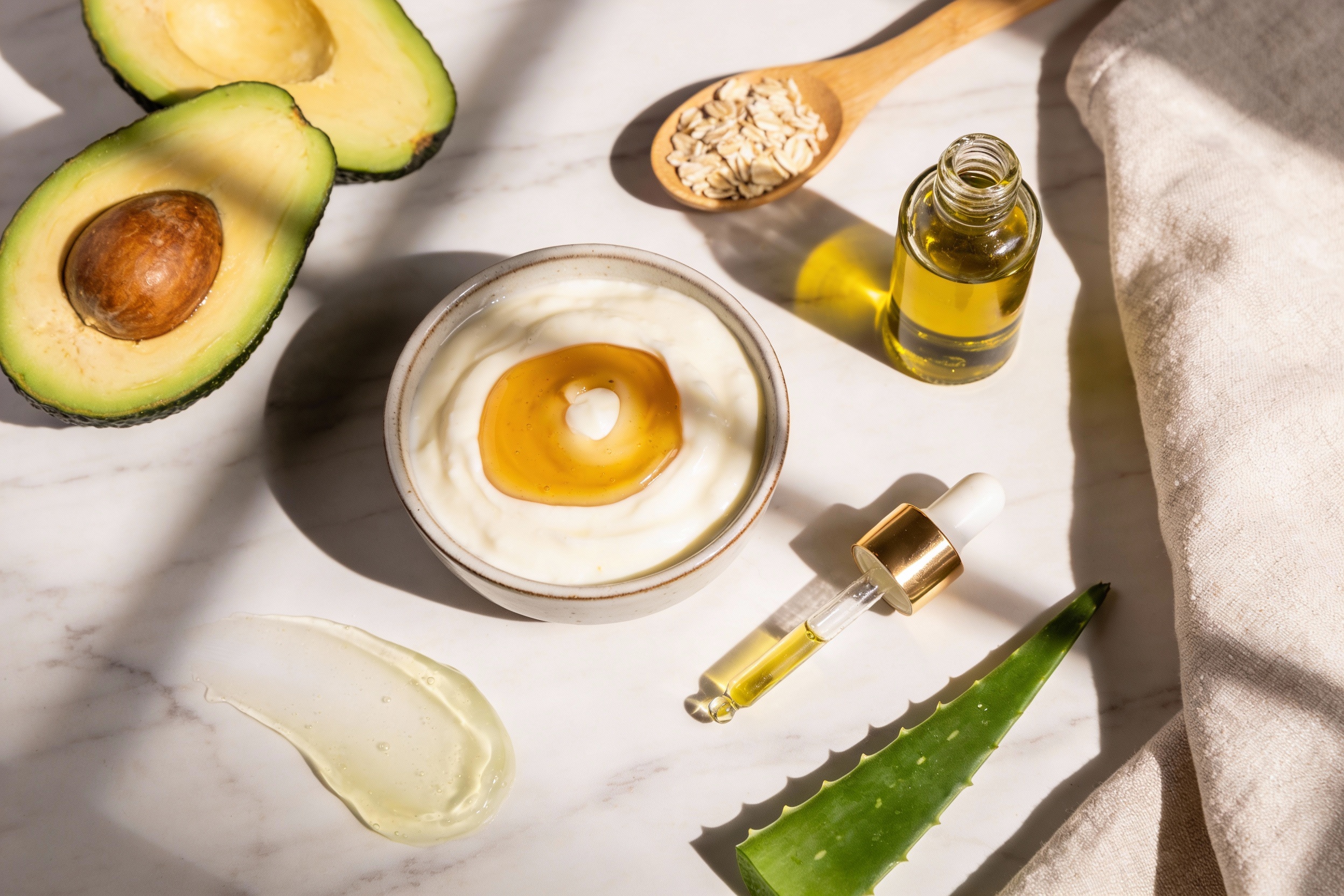
- Humectants (pull water in): honey, aloe gel (pure), glycerin (if you have it), cooked/cooled oatmeal water
- Emollients (soften and smooth): yogurt, mashed banana, avocado, whole milk
- Occlusives (seal it in): olive oil, sweet almond oil, a drop of squalane, a dab of shea butter (melted)
- Soothers: colloidal oatmeal or finely ground oats, cucumber juice/purée, green tea
Quick Skin-Type Guide
- Dry skin: avocado, honey, and a few drops of olive oil
- Dehydrated (tight, but oily): aloe, honey, and yogurt
- Sensitive: oats, honey, and cucumber
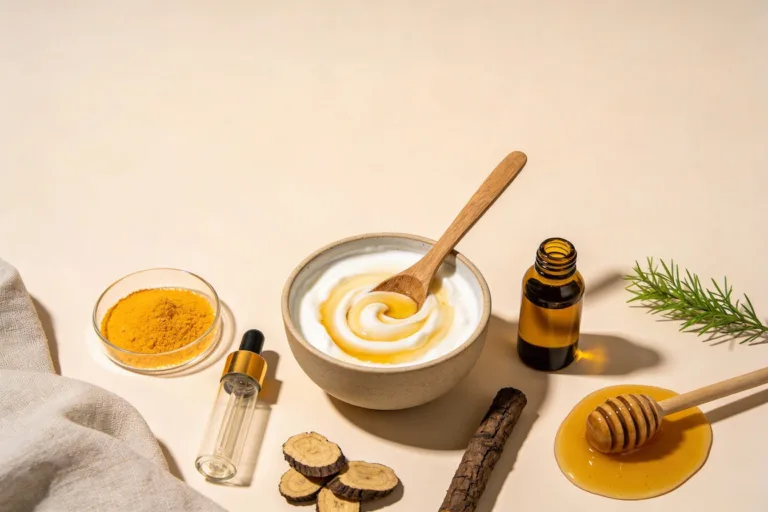
- Dull: yogurt and honey with a pinch of turmeric (tiny pinch!)
IMO: If in doubt, start with honey + yogurt. It’s ridiculously reliable.
3 Foolproof Hydrating Mask Recipes
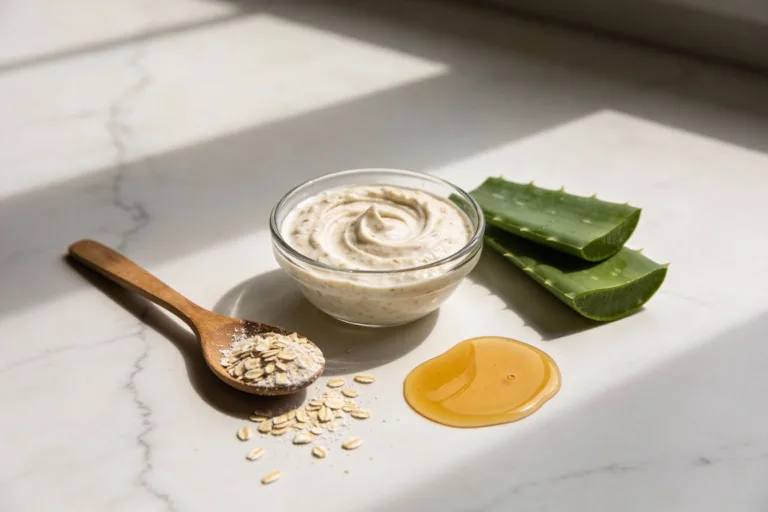
1) The Pantry Classic: Honey + Yogurt Cloud
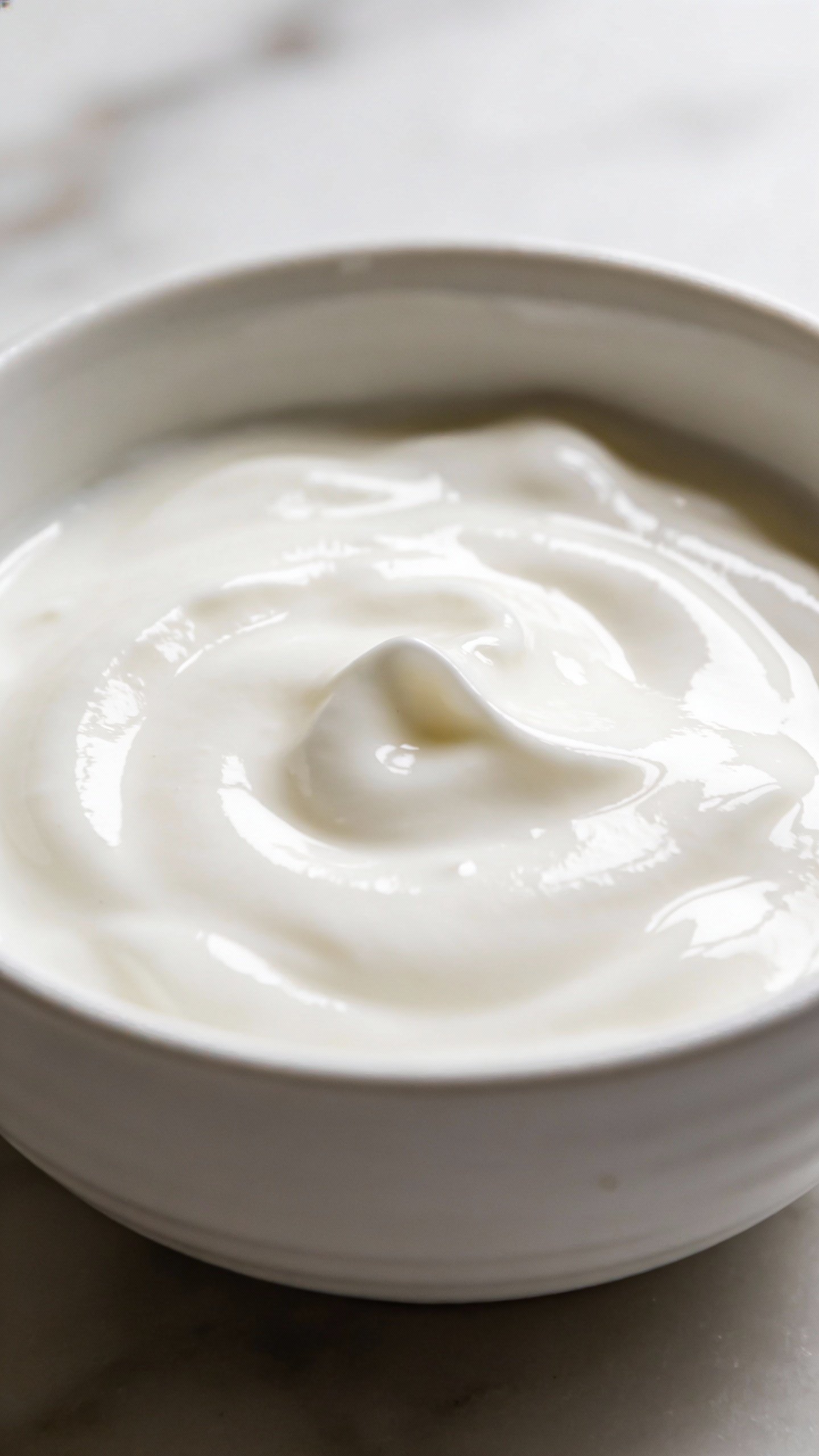
- 1 tablespoon plain full-fat yogurt
- 1 teaspoon raw honey
- Optional: 1/2 teaspoon aloe gel
How to use:
- Mix until smooth. Apply to clean, damp skin.
- Leave on 10–15 minutes. Don’t let it fully dry—mist with water if needed.
- Rinse with lukewarm water. Pat dry and moisturize.
Why it works: Yogurt delivers lactic acid for gentle smoothing, and honey draws in moisture. Aloe adds a calming, juicy layer.
2) Dry Skin SOS: Avocado Silk Mask
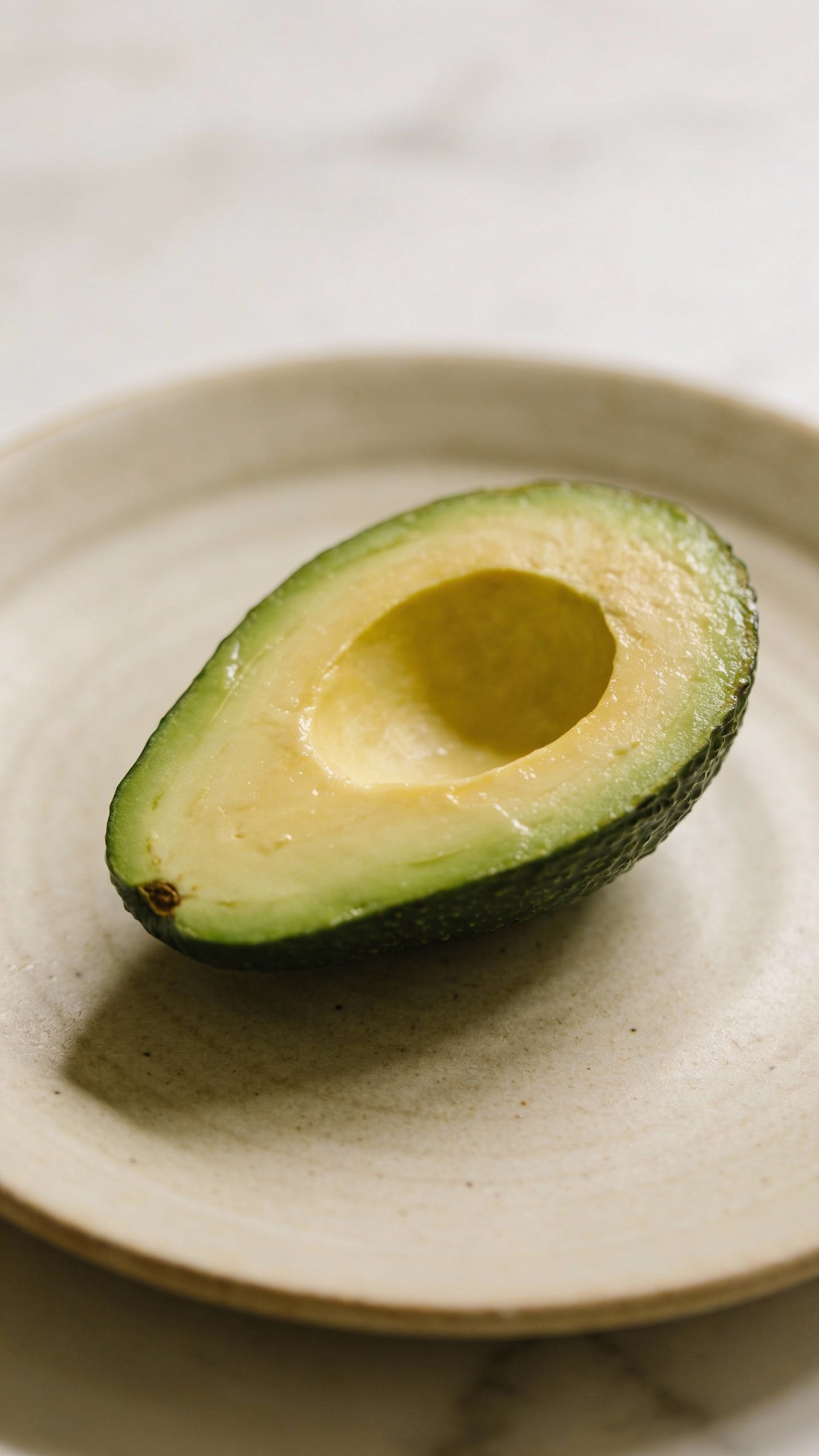
- 2 tablespoons mashed ripe avocado
- 1 teaspoon honey
- 1 teaspoon olive oil
How to use:
- Blend into a creamy paste. Apply generously.
- Sit for 10–15 minutes. Resist the urge to make guac jokes.
- Rinse thoroughly and follow with a light moisturizer.
Why it works: Avocado brings fatty acids, honey hydrates, and olive oil seals. You’ll feel bouncy, not greasy.
3) Sensitive Skin Soother: Oatmilk Gel
- 2 tablespoons finely ground oats (or colloidal oatmeal)
- Enough warm water or cooled chamomile tea to make a paste
- 1 teaspoon honey
How to use:
- Stir into a soft, gel-like mix.
- Apply to damp skin for 10 minutes.
- Rinse gently—no aggressive scrubbing. Pat dry.
Why it works: Oats calm redness and support the skin barrier, honey hydrates, and chamomile adds extra chill.
Pro Tips for Maximum Glow
Want that “I drink eight glasses of water and mind my business” skin? Do this.
- Apply to damp skin. Humectants need water to grab onto.
- Don’t let masks fully dry. Hydrating masks should stay slightly dewy. Mist with water if needed.
- Time it right. 10–15 minutes does the job. More time can irritate or dehydrate.
- Seal the deal. After rinsing, use a hydrating serum or plain glycerin-water spritz, then moisturizer.
- Consistency beats complexity. Do a mask 1–2 times a week. Your skin will respond.
What to Avoid Mixing
- Acids + acids: Skip vinegar, lemon, or strong DIY acid combos. Irritation city.
- Spices in excess: Turmeric is fine in tiny amounts; cinnamon and nutmeg can burn.
- Essential oils undiluted: Even “natural” can be harsh. If you insist, 1 drop in a whole bowl—max.
Customize Your Mask Like a Pro
Let’s tweak based on your skin mood this week.
For Extra-Dehydrated Skin
- Add 1/4 teaspoon glycerin to any recipe.
- Or stir in aloe gel for a water boost.
For Dull, Rough Texture
- Use yogurt as the base for subtle lactic acid smoothing.
- Add a few drops of green tea for antioxidants (and a bit of smugness).
For Oilier Skin That Still Feels Tight
- Stick to aloe, honey, and a touch of yogurt.
- Skip heavy oils. Use 1–2 drops of squalane instead if you have it.

How to Prep and Finish (The Underrated Steps)
You’ll get better results if you set the stage and close it right.
Prep
- Cleanse gently. No stripping foams before a hydrating mask.
- Warm, damp skin helps ingredients spread and sink in.
Aftercare
- Rinse with cool or lukewarm water. Hot water messes with your barrier.
- Hydrate and seal. Layer a serum or toner, then moisturizer. Add a few drops of oil if you’re dry.
- Sunscreen in the daytime. Glowy skin deserves protection.
FYI: Masks aren’t magic if you skip moisturizer. They’re a team.
Storage, Safety, and Common Sense
Homemade masks don’t contain preservatives. Bacteria love moisture and food. You see the problem, right?
- Mix fresh each time. Or refrigerate for 24 hours max if you must.
- Use clean bowls and spoons. Your face deserves better than a crusty spatula.
- Patch test on your jawline for 10 minutes if you’re sensitive.
- Stop if it stings or burns. Tingling isn’t “proof it’s working.” It’s proof to rinse.
IMO: Simple beats fancy. Two or three ingredients always win.
FAQ
Can I use these masks every day?
You could, but you shouldn’t. Aim for 1–2 times a week so you support your barrier without overdoing it. If your skin feels tight or flaky between, use a hydrating toner or serum and a good moisturizer daily.
Is honey safe for acne-prone skin?
Yes, in many cases. Honey has mild antibacterial properties and hydrates without clogging. Keep the mask light, rinse well, and avoid heavy oils if you’re breakout-prone.
What kind of yogurt works best?
Plain, unsweetened yogurt—Greek or regular. Full-fat feels creamier and more soothing, but low-fat still helps. Avoid flavored or sugary yogurts unless you want a sticky dessert on your face.
Can I store a batch for the week?
Not a great idea. These masks lack preservatives, so they spoil fast. If you must, refrigerate a sealed portion for 24 hours and check for changes in smell or texture before use.
Will turmeric stain my skin?
If you use more than a pinch, yes. Keep it tiny and mix with yogurt or oats to reduce staining. A gentle oil cleanse removes any yellow tint, just in case.
What if I only have one ingredient?
You’re still in business. A thin layer of honey on damp skin works beautifully. Aloe gel alone hydrates too. Rinse after 10–15 minutes and moisturize.
Wrap-Up: Your Glow, Your Kitchen
You don’t need a complicated routine or a shelf of serums to get soft, hydrated skin. Pick a humectant, add something creamy, finish with a tiny bit of oil, and you’ve got a mask that rivals the fancy stuff. Keep it simple, keep it fresh, and listen to your skin. Your pantry just became your glow-up partner.