How to Heal Over-Exfoliated Skin Fast Without Tears
So your face feels like a tomato and your moisturizer suddenly stings? Congrats—you’ve joined the “I over-exfoliated” club. It happens to the best of us: one too many acids, a rogue scrub, or that “glow” toner used twice a day. The good news? You can calm things down fast and get your barrier back online. Let’s fix the burn, stop the peeling, and get you back to smooth, happy skin—ASAP.
Step One: Hit the Brakes (Yes, On Everything Spicy)
You can’t heal while you keep irritating your face. So pause the fancy stuff:
Overeating doesn’t mean something is wrong with you. It means your system needs a reset.
If cravings keep pulling you off track, this helps you regain control without restriction. You’ll learn simple, realistic steps to stop overeating and feel satisfied again.
- Stop all exfoliants immediately—AHAs, BHAs, PHAs, retinoids, vitamin C, scrubs, cleansing brushes.
- Skip actives in general—no benzoyl peroxide, no strong essential oils, no fragrance-heavy products.
- Keep it boring for 7–14 days. Boring = healing.
Does this feel like skincare jail? Maybe. But it’s temporary—and it works.
Rebuild the Barrier With the “SOS Sandwich”
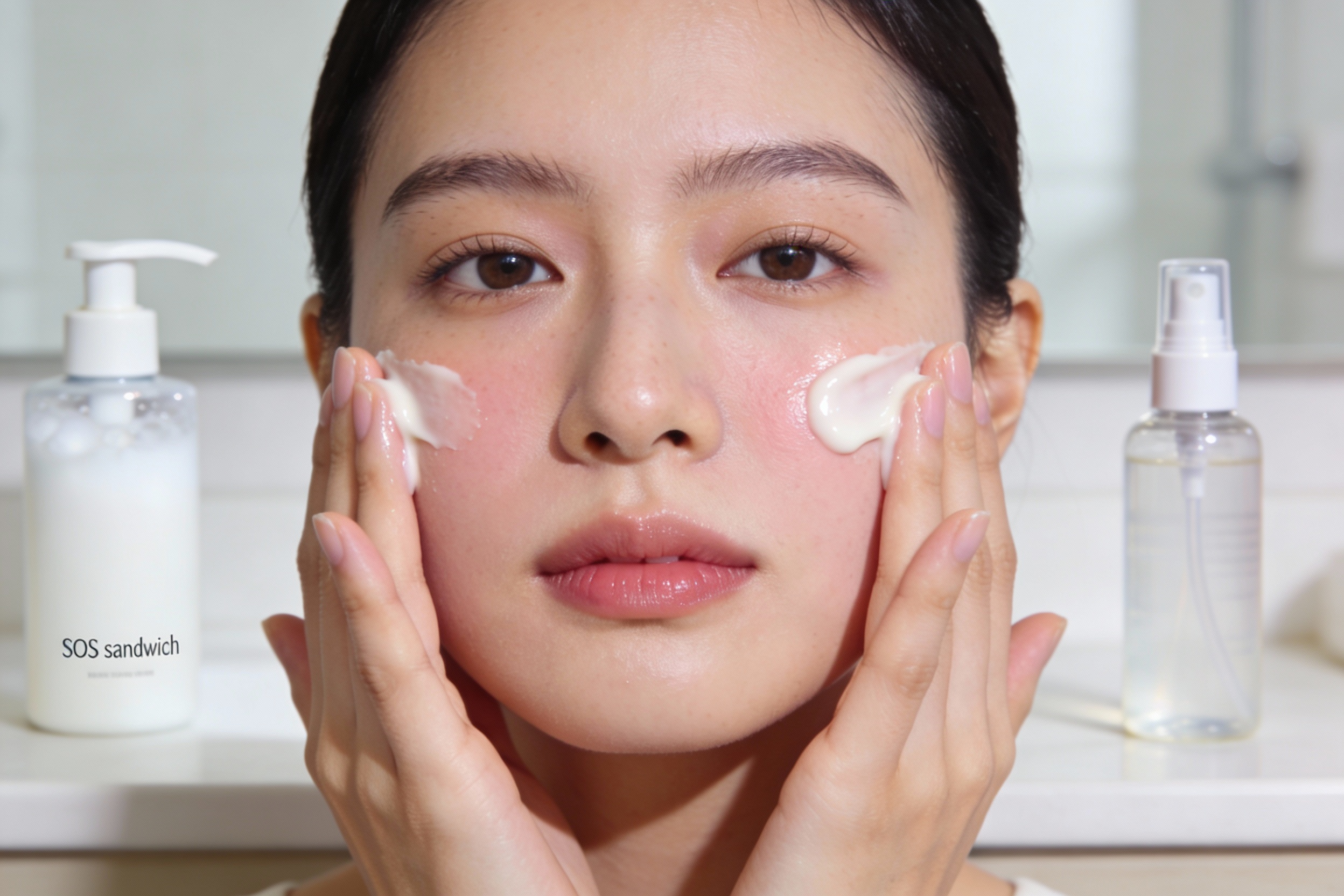
Think of your skin barrier like a brick wall. Over-exfoliation knocks out mortar. Your job now: replace the mortar with soothing, fatty, ceramide-rich goodness.
- Cleanser: Use a very gentle, non-foaming cleanser 1–2x daily. If your skin burns even with water, rinse with lukewarm water only at night and skip mornings.
- Mist or essence: Optional, but a hydrating mist or simple essence can help dampen skin before cream. Avoid perfume-heavy ones.
- Moisturizer: Look for ceramides, cholesterol, fatty acids, squalane, glycerin. Thick textures help seal micro-cracks.
- Occlusive topcoat at night: A thin layer of petrolatum (aka slugging lite) can reduce water loss and speed comfort.
Ingredients That Actually Help
- Centella asiatica, allantoin, panthenol: Calm redness and itchiness fast.
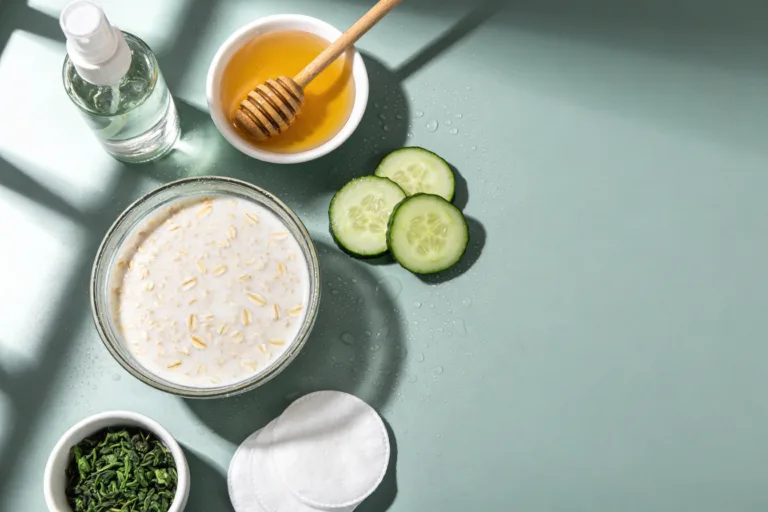
- Colloidal oatmeal: Great for stinging, sensitized skin.
- Madecassoside, beta-glucan: Extra soothing power, IMO.
- Niacinamide (low %): 2–3% can support barrier—but if it stings, park it for later.
Hydrate Like Your Skin’s Job Depends On It (Because It Does)
Over-exfoliation wrecks your skin’s ability to hold water. Hydration makes everything heal faster and look better while it does.
- Layer humectants (glycerin, hyaluronic acid, aloe) on damp skin, then seal with moisturizer.
- Use a humidifier if your air runs dry—especially at night.
- Don’t overdo hyaluronic acid if you’re in a dry climate. Use a richer cream after it or skip entirely.
The “Wet Skin” Trick
Apply moisturizer within 60 seconds after cleansing or misting. Traps water in the stratum corneum and cuts down tightness. It’s simple and weirdly effective.
Sun Protection: Non-Negotiable (I’m Begging)
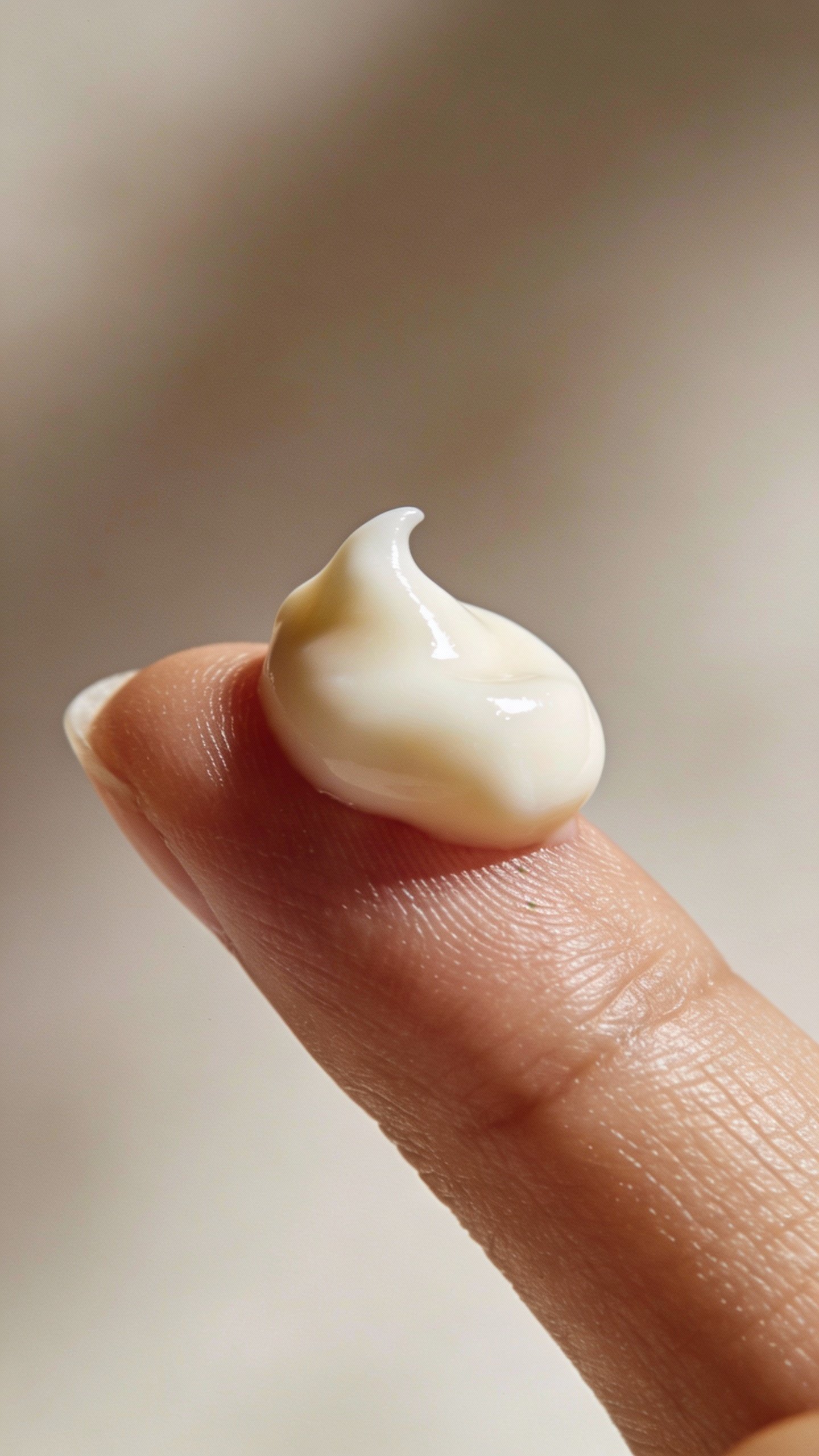
Over-exfoliated skin = extra sun sensitive. UV will undo all your progress and add hyperpigmentation to the party.
- Use sunscreen daily—SPF 30+ with broad spectrum. Reapply if you’re outside.
- Pick gentle formulas: mineral/physical filters (zinc oxide, titanium dioxide) usually sting less.
- Wear hats and seek shade. Sunscreen can’t fix everything.
Patch, Protect, and Chill the Inflammation
Inflammation drags out healing. Your goal: reduce it without triggering more sensitivity.
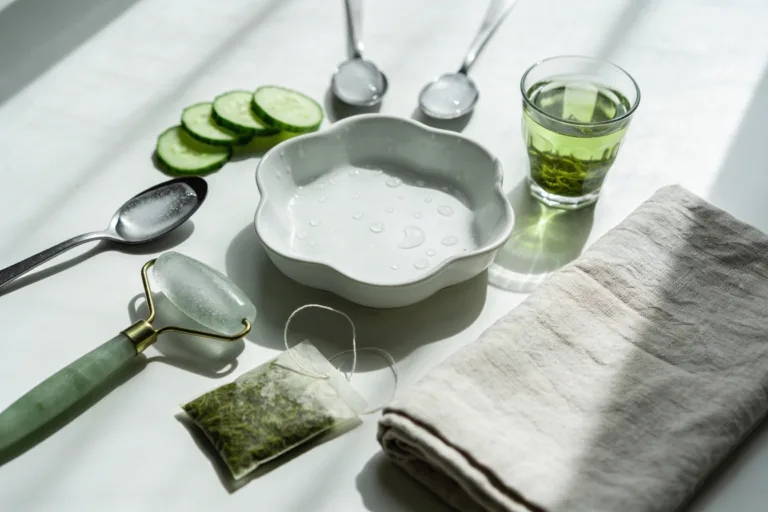
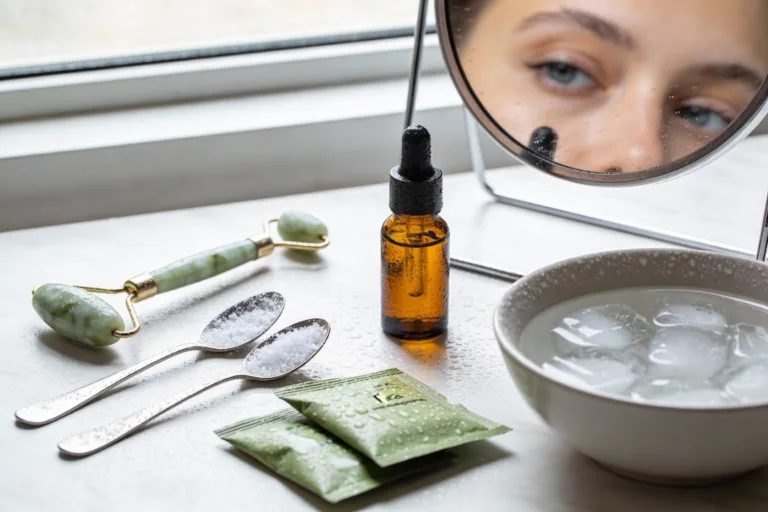
- Cool compress: 5–10 minutes with a clean, cool (not icy) cloth for instant relief.
- Hydrocolloid patches on open spots or picked areas—keeps bacteria out and speeds repair.
- Avoid exfoliating masks, peels, or steam (tempting, but no).
- Use a barrier-repair cream 2–3x daily on hot zones if needed.
When to See a Pro
If you see weeping, crusting, cracking, intense swelling, or severe burning that doesn’t calm down within 48–72 hours, check with a dermatologist. Also if you suspect a contact allergy—red, itchy patches that worsen after each application of a specific product.

Your 7–14 Day Recovery Routine (Simple and Effective)
Here’s a realistic, calming routine. Adjust based on how your skin feels. If something stings, cut it.
- Morning:
- Rinse with lukewarm water or use a gentle cleanser.
- Hydrating serum or essence (optional).
- Ceramide-rich moisturizer.
- Mineral sunscreen SPF 30+.
- Evening:
- Gentle cleanse.
- Soothing serum (panthenol or centella) if tolerated.
- Rich moisturizer.
- Thin occlusive layer on dry spots.
FYI: Keep this routine super steady. Your skin loves predictability while it heals.
When Can You Add Actives Back?
Wait until your skin feels normal: no stinging with water, no tightness, minimal redness. Then:
- Reintroduce slowly: 1–2x per week at first.
- Choose one active at a time. Either a gentle exfoliant or a low-strength retinoid—never both at once.
- Buffer actives with moisturizer (apply moisturizer before and after) to reduce irritation.
If irritation returns, back off for another week. No heroics.
Common Mistakes That Prolong the Pain
Let’s save you from the “why am I still red?” spiral:
- Layering too many new products at once. You can’t debug chaos.
- Using a harsh cleanser. Foamy, scented, and “squeaky clean” = barrier sabotage.
- Trying to exfoliate the flakes off. They’re part of healing. Moisturize instead.
- Skipping sunscreen. Redness + UV = lingering dark marks.
- Chasing tingles. Tingle rarely equals “it’s working.” It often equals “I’m inflamed.”
Product Cheat Sheet (Use What You Have, But Aim for These)
No need to buy a whole new shelf, but look for these categories:
- Cleanser: Creamy, non-foaming, fragrance-free.
- Moisturizer: Ceramides + cholesterol + fatty acids, or petrolatum-based ointment for spot occlusion.
- Soothers: Centella, panthenol, colloidal oatmeal, beta-glucan, allantoin.
- Sunscreen: Zinc oxide or zinc/titanium blends, minimal fragrance.
IMO, fewer steps done consistently beat a 10-step routine while you’re repairing.
FAQ
How long does over-exfoliated skin take to heal?
Most people feel noticeably better in 3–7 days with a gentle routine. Full barrier recovery can take 2–4 weeks. Deeper irritation or a compromised barrier from months of overdoing it can take longer. Stay consistent and resist the “just one swipe of acid” urge.
Can I still use retinol while healing?
Not yet. Retinoids increase cell turnover and often sting on compromised skin. Pause them until your skin feels calm for at least a week, then restart 1–2x weekly with a buffer. If it tingles or flakes aggressively, cut back again.
My skin looks dull without exfoliation. What can I do meanwhile?
Lean on hydration and light-reflecting moisturizers. A dewy, well-moisturized face looks glowy without acids. Try a damp-skin application, a richer cream, and sunscreen with a soft-focus finish. Once healed, reintroduce a very gentle exfoliant sparingly.
What if everything burns—even water?
Scale way back. Rinse with cool-to-lukewarm water at night only, pat dry, then apply a simple, bland barrier cream. Skip all serums. Consider colloidal oatmeal creams. If stinging stays severe for 48–72 hours, talk to a dermatologist.
Is niacinamide safe right now?
Low-dose (2–3%) niacinamide can help barrier repair, but it can also tingle on irritated skin. Patch test on a small area first. If it feels spicy, park it for later and stick to ceramides, panthenol, and oat.
Should I exfoliate the peeling skin off?
Nope. Those flakes protect healing layers underneath. Exfoliating them off re-injures the area and prolongs redness. Use more moisturizer, consider a thin petrolatum layer at night, and let the flakes shed naturally.
Wrap-Up: You’ve Got This
Over-exfoliation feels dramatic, but you can turn it around fast with gentle, consistent care. Strip your routine back, drench your skin in hydration, protect it from the sun, and give it a minute. In a couple weeks, you’ll be back to glowy—minus the burn. And next time? One active at a time, slow and steady. FYI: your future face will thank you.