How to Fix Hair That Looks Dry but Feels Oily Fast
Your hair looks parched but somehow feels slick at the roots? Fun combo. It’s like your scalp and your ends decided to live separate lives. The good news: this is fixable. You can balance that greasy-meets-dry mess without shaving your head or hoarding 17 products. Here’s how to bring everything back to normal.
What’s Actually Going On With Your Hair
Your scalp produces oil (sebum). It’s your hair’s natural conditioner. But when your scalp pumps out too much while your ends stay thirsty, you get the weird paradox: oily roots, dry lengths.
Why does it happen? A few usual suspects:
Overeating doesn’t mean something is wrong with you. It means your system needs a reset.
If cravings keep pulling you off track, this helps you regain control without restriction. You’ll learn simple, realistic steps to stop overeating and feel satisfied again.
- Over-washing makes your scalp overcompensate with more oil.
- Heat styling fries your ends and opens the cuticle.
- Heavy products (butters, oils) sit on the scalp and suffocate it.
- Hard water leaves mineral buildup so hair looks dull and feels coated.
- Weather and hormones can spike oil while dehydrating the rest.
FYI: Curly and long hair often gets this split personality, because oil struggles to travel down the hair shaft.
Step 1: Reset Your Wash Routine (Without Going Full “No-Poo”)
You don’t need to ban shampoo. You need the right one, used the right way.
- Use a gentle, scalp-focused shampoo 2–4 times a week, depending on oiliness. Look for words like “balancing,” “micellar,” or “clarifying-lite.”
- Shampoo your scalp only. Let the suds run through your ends. Don’t scrub the lengths like you’re polishing a floor.
- Condition from mid-lengths to ends. Keep conditioner off the scalp if it gets greasy fast.
- Rinse thoroughly for a full minute. Product residue = fake oiliness.
How often should you clarify?
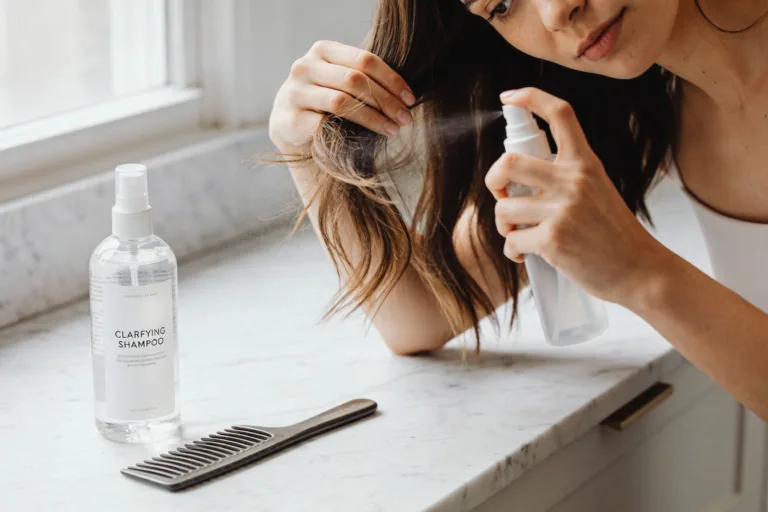
Use a clarifying shampoo every 1–2 weeks if you use lots of styling products or live with hard water. If your hair feels squeaky and tangly after, you overdid it. Follow with a hydrating mask on the lengths only.
Step 2: Fix Your Conditioner Game
Your ends are dry, but your scalp isn’t. So be picky.
- Choose lightweight hydrators (think glycerin, aloe, panthenol) instead of heavy butters or pure oils.
- Apply strategically: mid-length to ends, nowhere near the roots.
- Try a leave-in on damp ends if they still feel rough. Start with a pea-sized amount. Add more only if needed.
Masking without the grease
Use a deep conditioning mask on your ends every 1–2 weeks. Clip your hair up and avoid the scalp. Rinse well. IMO, masks beat slathering on oils that can just sit there and attract dust.
Step 3: Scalp Care = Oil Control (Without Stripping)
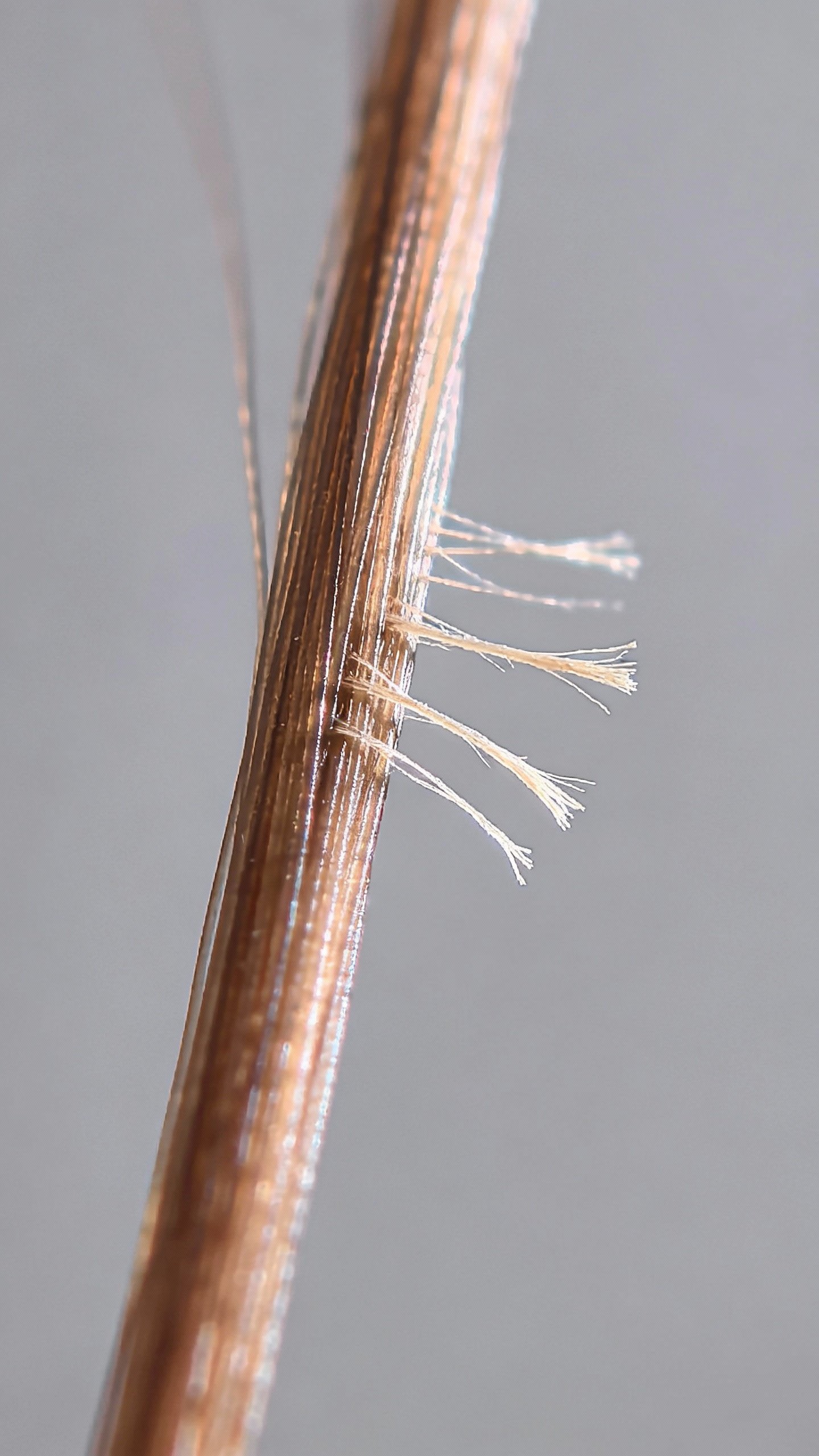
A happy scalp makes better hair. Let’s calm the overproduction.
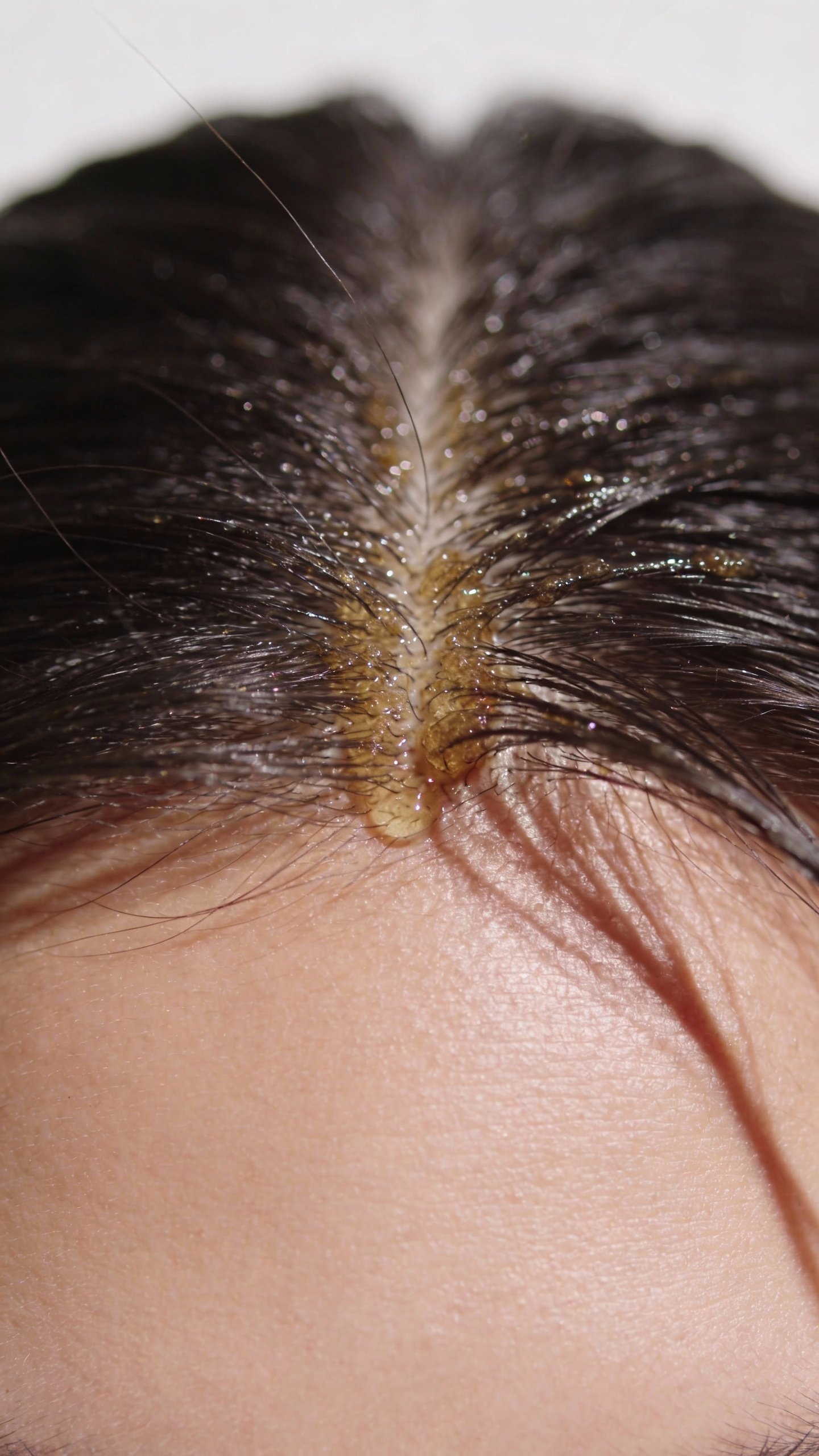
- Exfoliate the scalp once a week with a gentle scalp scrub or a liquid exfoliant containing salicylic acid. It removes buildup without shredding your skin barrier.
- Consider a pre-shampoo oil for the scalp—sparingly. A few drops of lightweight oil (squalane, jojoba) massaged before washing can signal “we have enough oil,” which sometimes reduces rebound greasiness. Counterintuitive, but it works for some.
- Avoid heavy styling creams at the roots. They mix with sebum and create instant limpness.
When flakes and oil tag-team
If you see flakes and feel oil, try a zinc pyrithione or ketoconazole shampoo once a week. It tackles yeast overgrowth that can drive oiliness and irritation.
Step 4: Style Smart (aka Stop Cooking Your Ends)
Heat and friction dry out lengths fast. Protect them like your Wi-Fi password.
- Use a heat protectant every single time you blow-dry, curl, or straighten. No exceptions.
- Lower the heat. You don’t need 450°F unless you’re laminating a license.
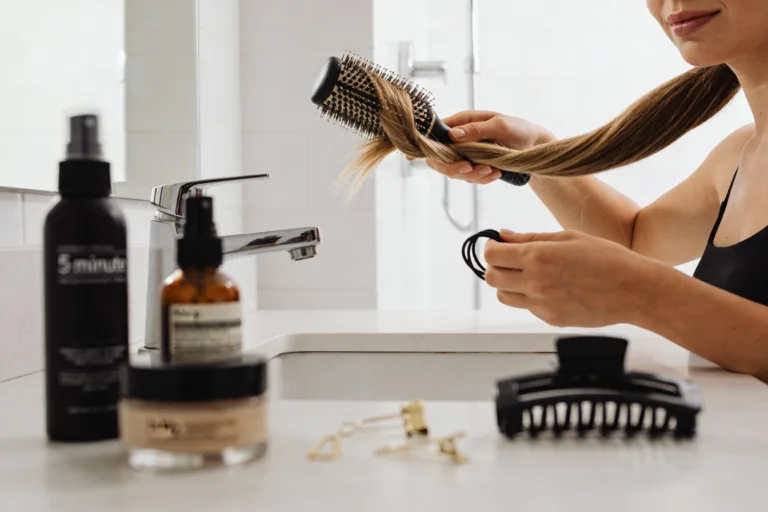
- Switch to a boar-bristle or mixed-bristle brush to help distribute natural oils from roots to ends.
- Blow-dry the roots “up” for lift, so oil doesn’t pool on your scalp.
Dry shampoo hacks
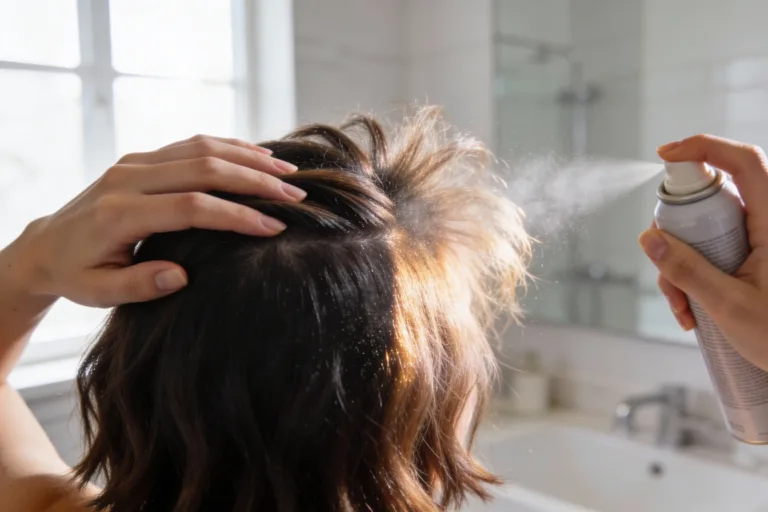
Apply dry shampoo at night, not in the morning. It absorbs oil as it forms so you wake up fresher. Dust lightly at the roots, wait a minute, then brush through. No gray cloud, no crunch.

Step 5: Water, Towels, and Other Sneaky Saboteurs
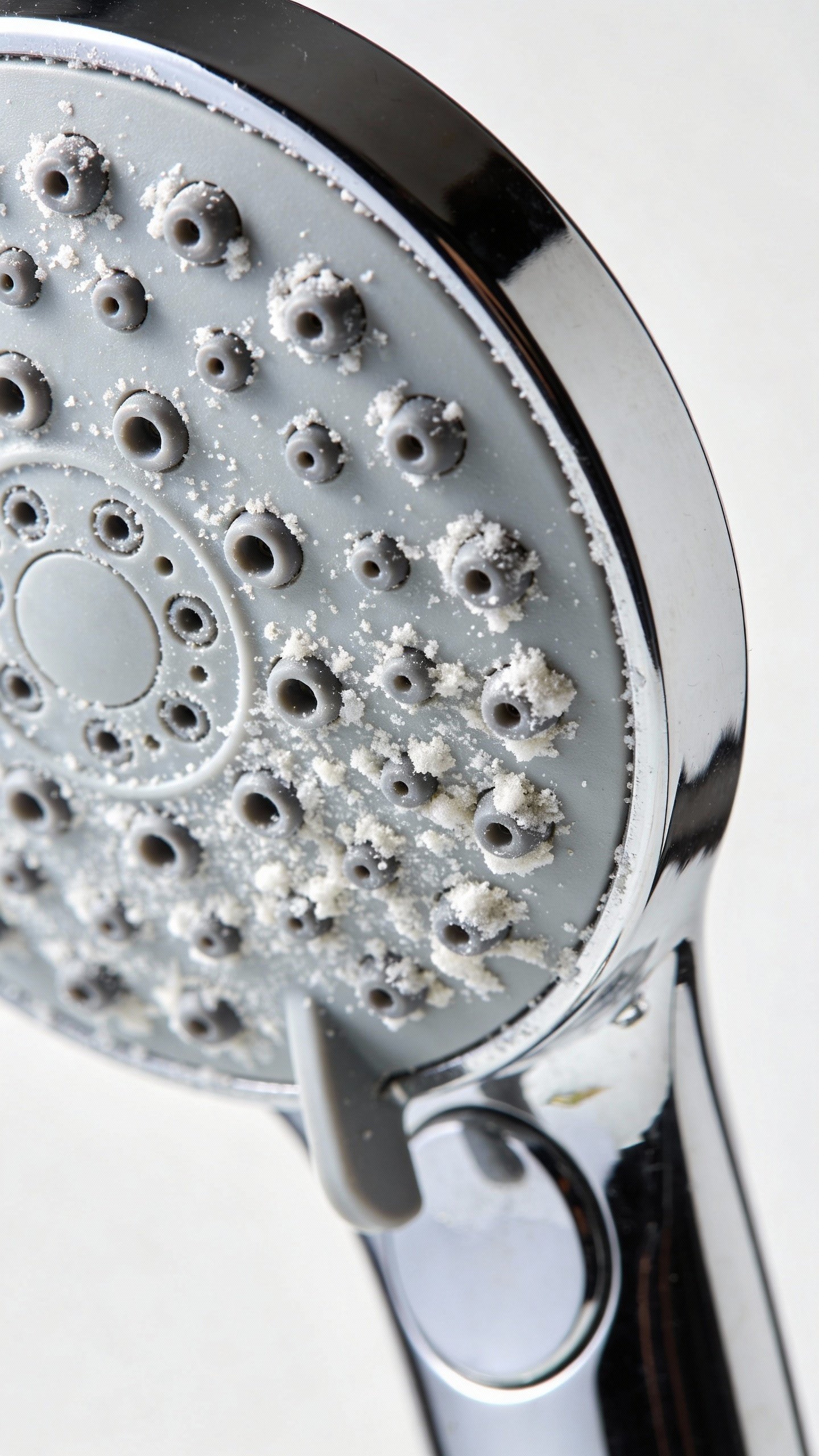
Sometimes it’s the tiny habits.
- Hard water filter: If your water’s mineral-heavy, install a shower filter. Hair looks less dull and feels less coated.
- Cooler rinse: Finish with lukewarm to cool water to help close the cuticle so ends retain moisture.
- Microfiber towel or cotton T-shirt: Regular towels rough up the cuticle. Dab, don’t rub.
- Hands off: Touching your hair transfers face oil to your roots. Sorry, fidgeters.
Product Blueprint: What to Use (and What to Skip)
Here’s the quick shopping guide, because aisle paralysis is real.
Look for:
- Shampoo: “balancing,” “volumizing,” “micellar,” or “gentle clarifying.”
- Conditioner: lightweight, silicone-optional, with humectants (glycerin, aloe, panthenol).
- Leave-in: thin creams or sprays with heat protection.
- Scalp care: salicylic acid toner or scrub; zinc/ketoconazole if flaky.
- Finisher: a few drops of lightweight oil on ends only (squalane, argan), as needed.
Skip or limit:
- Thick butters (shea, cocoa) near the scalp.
- Heavy silicones that build up if you don’t clarify occasionally.
- Co-washing daily if your scalp runs oily.
- Over-brushing, which can drag oil down too fast.
Routine you can actually follow
- Daily: If needed, night-before dry shampoo at roots; leave-in on ends when damp.
- Wash days (2–4x/week): Gentle shampoo on scalp, conditioner on lengths, heat protectant, quick blow-dry.
- Weekly: Scalp exfoliation or clarifying wash; hydrating mask on ends.
- As needed: A few drops of oil on the last inch of hair only.
When Lifestyle Plays a Role
You don’t need a personality overhaul, just tweaks.
- Diet: Hydrate, and eat balanced fats (omega-3s) for healthier sebum and shinier ends.
- Hormones: If oil production spiked suddenly (hello, PMS, birth control shifts, or stress), be patient and stick to the routine.
- Pillowcases: Swap to silk or satin. Less friction = less frizz and dryness.
- Gym hair: Sweat can spread oil. Rinse scalp with water post-workout or refresh with dry shampoo after you cool down.
FAQs
Can I oil my scalp if my roots get greasy?
You can, but do it before shampoo as a light pre-wash treatment and only use a few drops. Massage, wait 10–20 minutes, then wash thoroughly. If your scalp gets itchier or oilier, skip it.
Do silicones make hair look oily?
Not inherently. Some silicones smooth and protect ends nicely. The issue comes from buildup. If you use silicones often, clarify every week or two. If you hate clarifying, pick water-soluble silicones or go silicone-light.
My hair looks greasy by noon. Am I washing too little?
Maybe. But also check your routine: heavy conditioner near the roots, not rinsing well, or skipping scalp care can cause midday slickness. Try night-before dry shampoo and switch to a balancing shampoo for a week to test.
How do I hydrate ends without weighing them down?
Use a spray leave-in or a lightweight cream and apply on damp hair only from mid-lengths down. Start with less than you think you need. Add a drop of oil just on the tips if they still feel scratchy.
Will air-drying help?
Sometimes. Air-drying avoids heat damage, but if your roots dry flat, they can look oilier. Try a quick root-only blow-dry with a round brush for lift, then air-dry the rest. Best of both worlds.
Is hard water really that big of a deal?
If your hair feels coated, dull, or never fully “clean,” hard water might be the villain. A shower filter or a monthly chelating treatment can make a dramatic difference, IMO.
Bottom Line
Oily roots and dry ends aren’t a personality trait—they’re a routine mismatch. Clean the scalp gently, hydrate the lengths strategically, and protect from heat and buildup. Tweak your wash schedule, use lighter products, and let clarifying and scalp care do the heavy lifting. Give it two to four weeks, and your hair will chill out. And if it doesn’t? We escalate—filters, targeted shampoos, maybe a trim. You’ve got options, and none involve hiding under a hat (unless it’s cute, in which case, carry on).