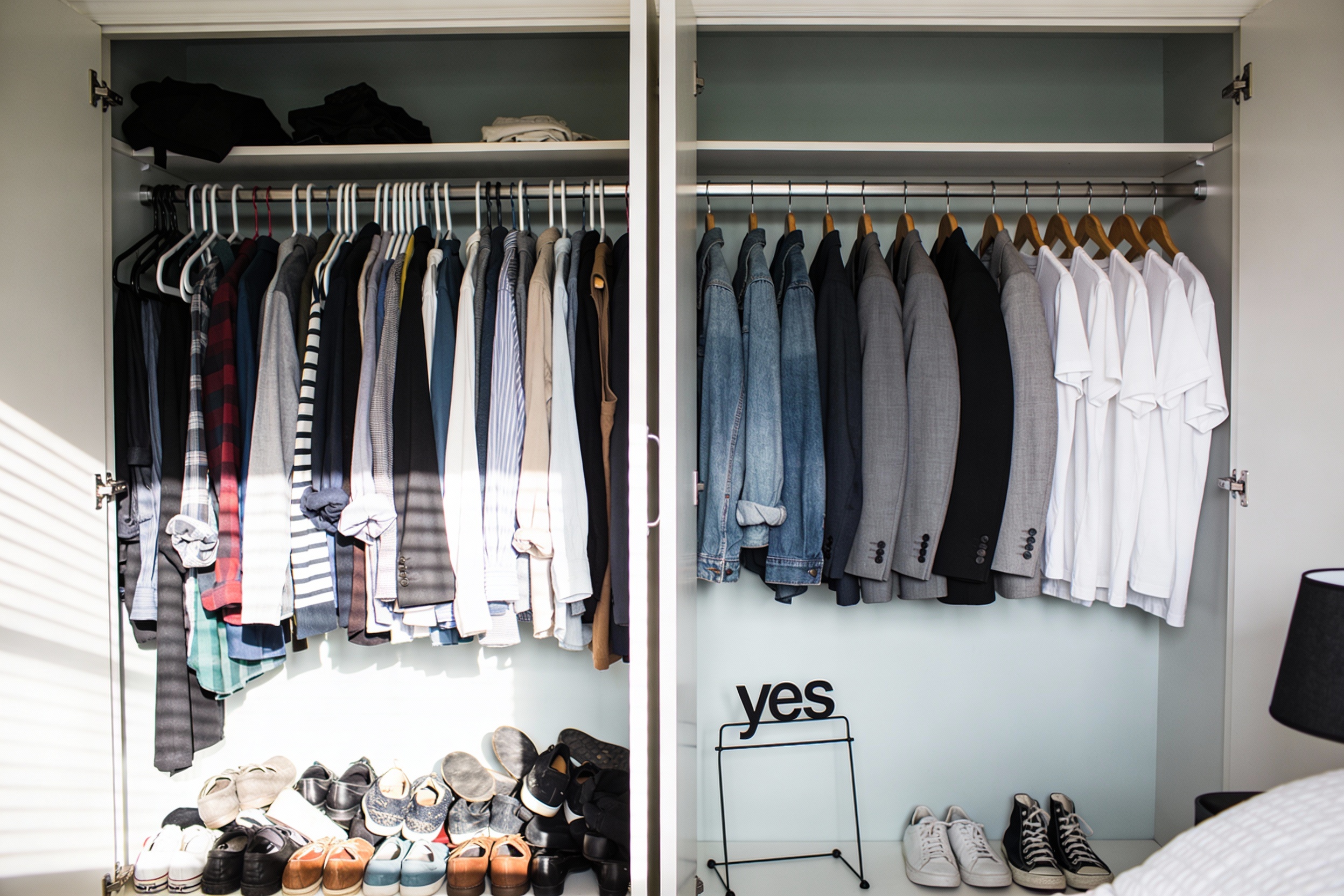
How to Fix a Closet Full of Clothes You Hate Fast
You fling open your closet and it’s a wall of “meh.” Nothing fits right, everything clashes, and somehow you have six nearly identical shirts you never wear. You’re not broken. Your closet is. Let’s fix that without needing a stylist, a trust fund, or a personality transplant. We’ll edit, rebuild, and make your wardrobe feel like you again—fast.
Step One: Get Real About Your Life (Not Your Fantasy)
Your clothes should match your actual calendar, not your imaginary one. If you work from home and hit the gym twice a week, you don’t need ten blazers and zero comfy pants. Do a quick audit of your week and list the “uniforms” you actually wear.
Try this:
Overeating doesn’t mean something is wrong with you. It means your system needs a reset.
If cravings keep pulling you off track, this helps you regain control without restriction. You’ll learn simple, realistic steps to stop overeating and feel satisfied again.
- Write down your top 5 weekly activities.
- Note what you usually wear for each (be honest).
- Spot the gaps (e.g., you need decent jeans or a better sneaker).
If your closet doesn’t match your real life, no wonder it feels wrong. You don’t need to throw everything out. You just need to pivot.
Step Two: Define Your Vibe in 10 Minutes
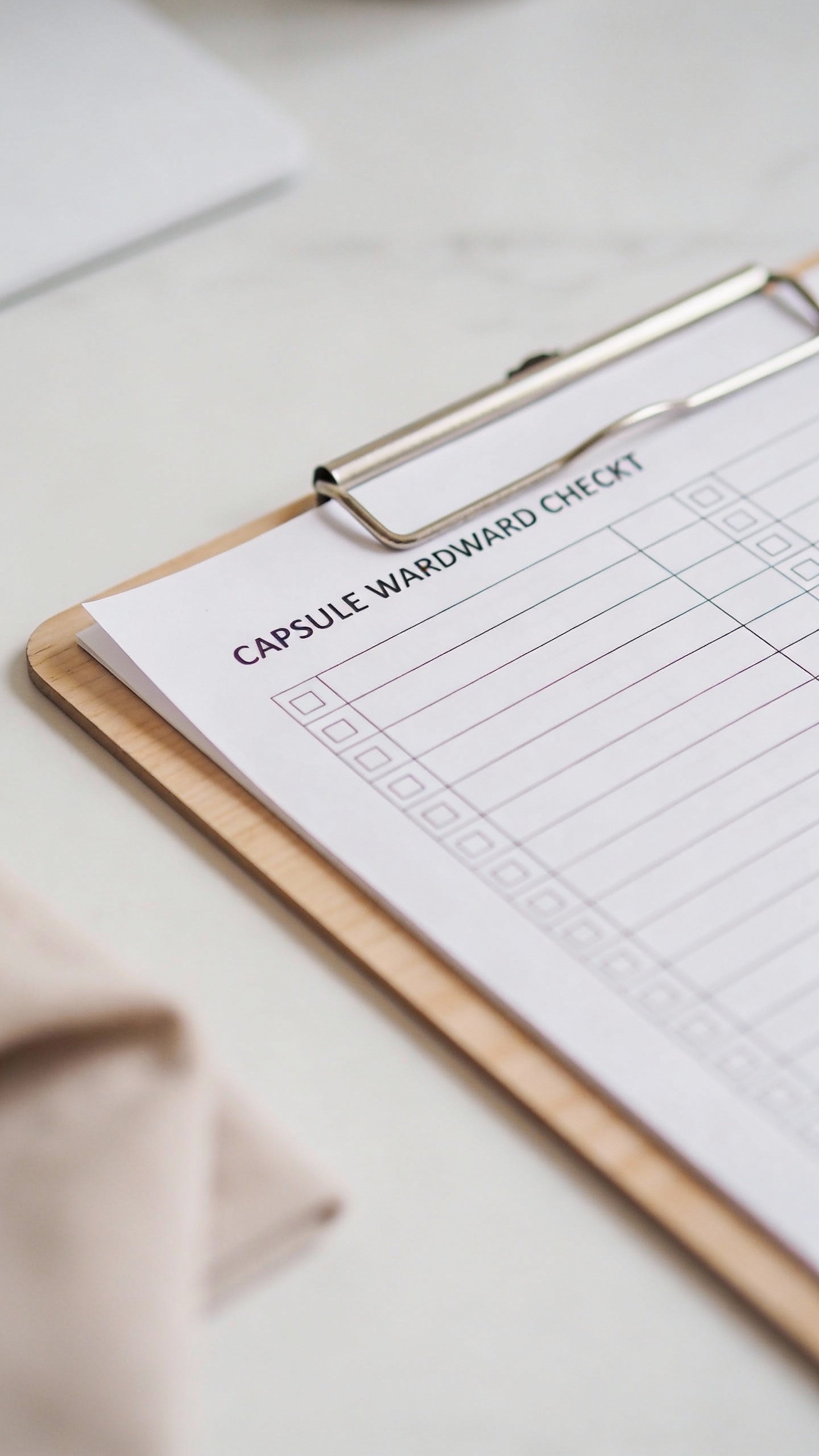
You don’t need a Pinterest vision board that looks like a magazine spread. You just need a vibe—something simple you can use as a filter.
Pick three words for your ideal style. Example: “clean, relaxed, playful” or “tailored, minimal, sharp.” These words will guide your choices so you stop drifting toward random sales rack chaos.
Quick Exercise: The Yes Pile Test
Grab five outfits you loved wearing in the last year. What do they have in common?
- Colors you repeat?
- Silhouettes you feel good in?
- Fabric textures that don’t make you itchy or sweaty?
Circle the pattern. That’s your vibe preview. IMO, this beats any quiz.
Step Three: The Brutal Closet Edit (A Fun One, Promise)
Yes, we’re editing. No, you don’t have to “spark joy.” You’ll use a quick decision tree and keep it moving.
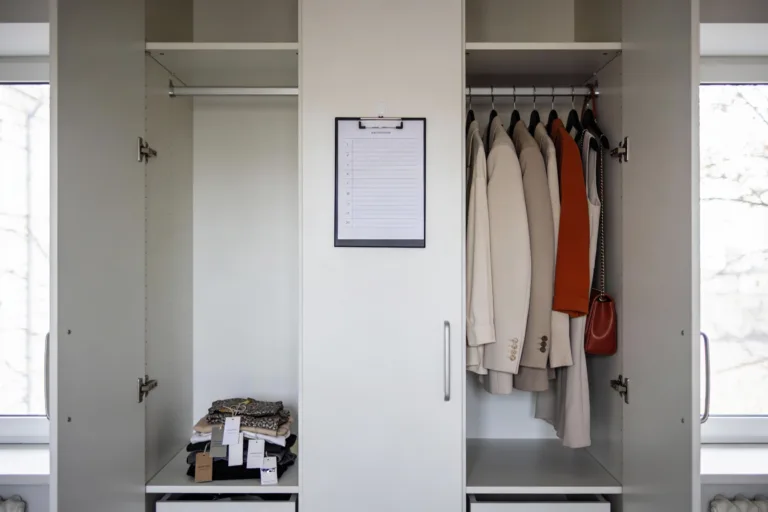
Set three bins: Keep, Maybe, Out.
- Keep: Fits now, you wear it, you feel good in it.
- Maybe: Needs styling ideas, a small tailor fix, or you’re unsure.
- Out: Doesn’t fit, bad fabric, wrong color, or you avoid it like a toxic ex.
The 30-Second Rule
For each item, ask:
- Would I wear this tomorrow?
- Does it fit my three style words?
- Do I own something similar that I actually prefer?
If you hesitate—bin it in Maybe or Out. FYI, you don’t need to justify anything. If it bugs you, it’s gone.
Tailor or Toss?
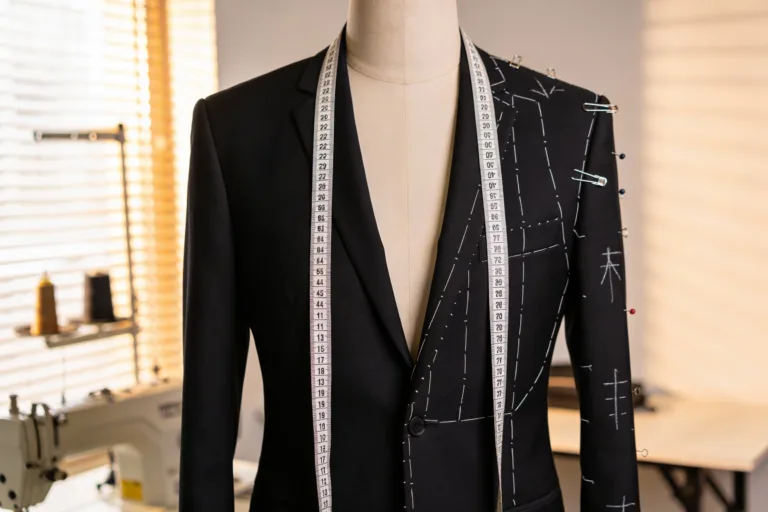
Keep only tailor projects that will actually get done and cost less than replacing the item. If the fix requires major surgery, say goodbye.
Step Four: Build a Small, Mighty Core
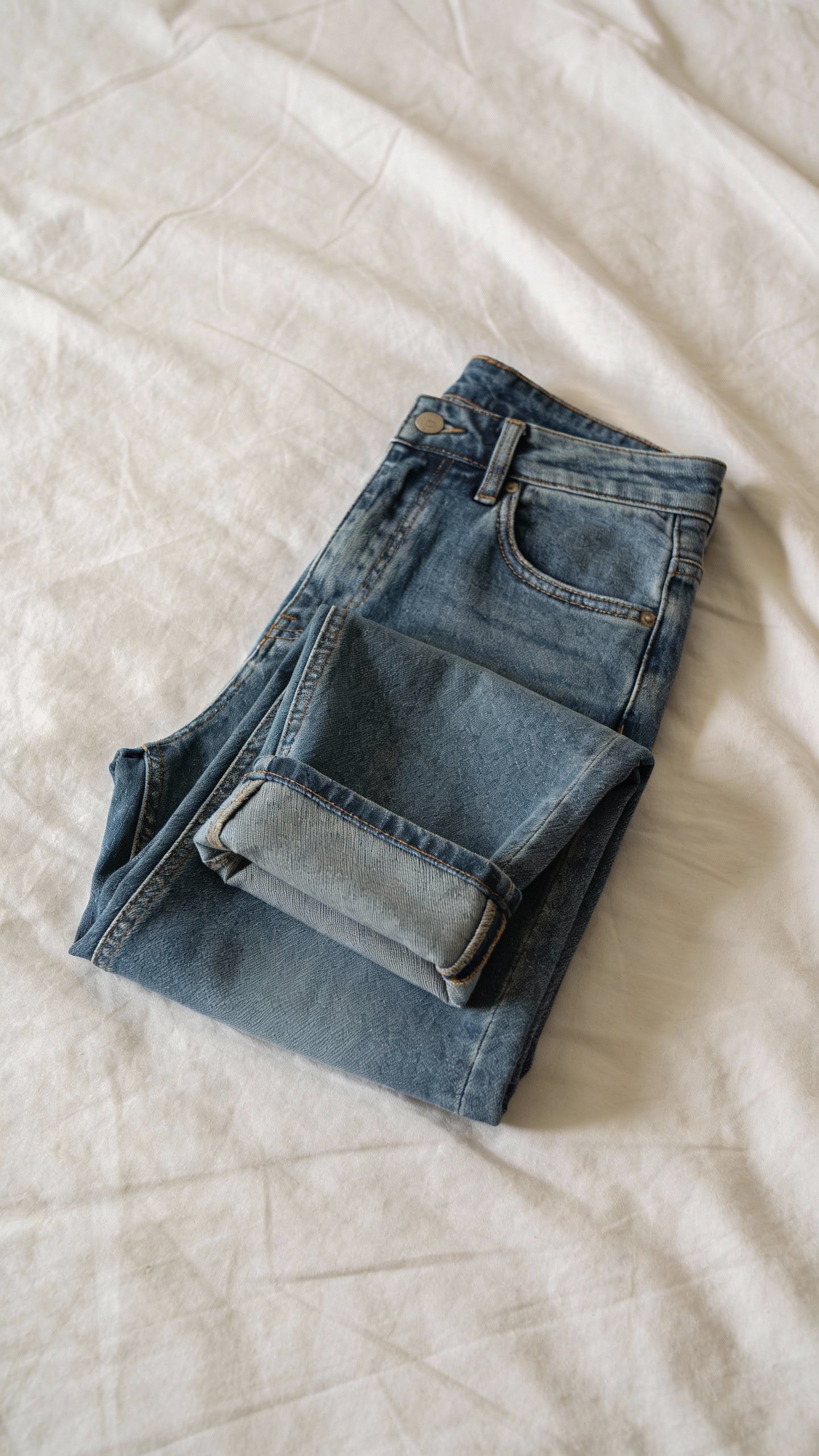
You don’t need a full capsule wardrobe, but anchor pieces help everything else make sense. Think of these as the reliable friends who never flake.
Start with:
- Two bottoms you love (jeans, trousers, skirts—your call)
- Three tops in colors you wear a lot
- One layering piece (cardigan, blazer, chore jacket)
- Two pairs of shoes that work with most outfits
Pick items that mix and match easily. If an item only works with one weirdly specific top you never wear, it’s not core—it’s a diva.
Color Cheat Sheet
Choose a base palette of 2-3 neutrals and 2 accent colors.
- Neutrals: black, navy, gray, beige, olive, cream
- Accents: whatever makes you feel alive (cobalt, rust, lilac, lime)
Stick to your palette 80% of the time. The other 20% can be wildcards because we’re not robots.
Step Five: Re-Style What You Already Own
Before you buy anything, shop your closet. You probably own good stuff; it just needs better pairings or tweaks.
Try these quick wins:
- French tuck your tees to define your shape.
- Roll sleeves on button-downs to soften the look.
- Swap default sneakers for loafers or boots to dress things up.
- Layer a thin turtleneck under a dress or shirt for cooler months.
- Belt oversized pieces to create structure (or purposely go slouchy—your call).
Create Outfit Formulas
Write 3-5 formulas you love. Examples:
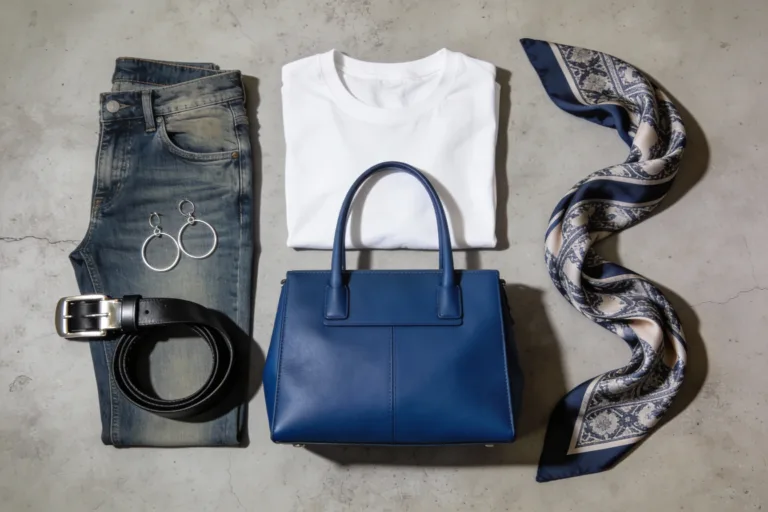
- Relaxed jeans + white tee + structured jacket + simple sneakers
- Slip skirt + chunky knit + ankle boots
- Tailored trousers + tank + oversized shirt + loafers
Save photos of outfits you like on your phone. Copy yourself. You’re your own inspo.
Step Six: Fill the Gaps Thoughtfully
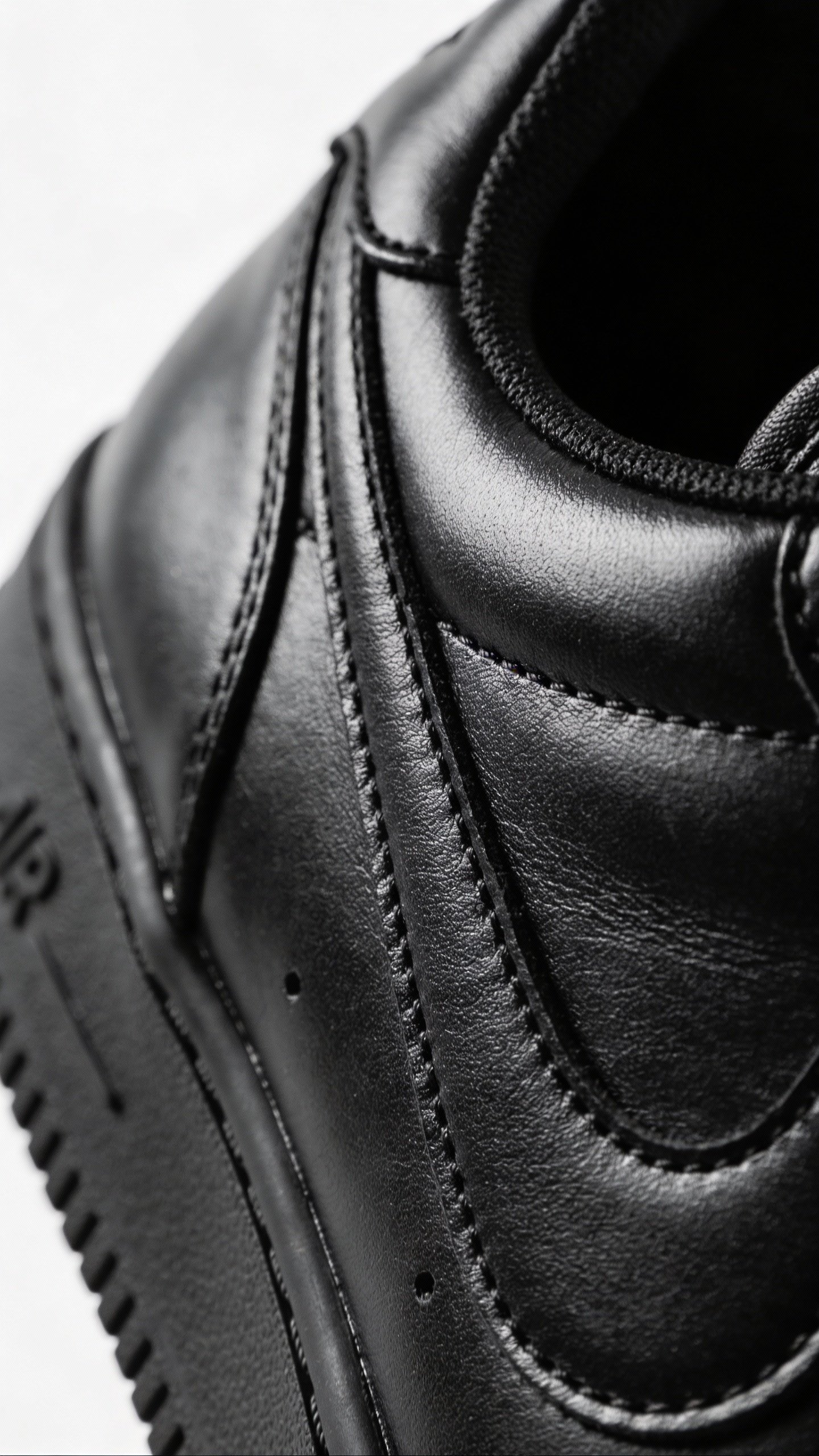
Now you can shop, but with a plan. Make a list of 5-8 specific items that complete your core and formulas.
Use a shopping filter:
- Does it fit my three words?
- Can I style it three ways with what I own?
- Does the fabric feel good and wash well?
- Will Future Me still like this in a year?
IMO, you should prioritize better fabrics over trends:
- Cotton, linen, wool, silk, Tencel/lyocell blends
- Avoid plastic-feeling synthetics unless they serve (e.g., gym gear)
Set a Mini-Budget and a Rule
Give yourself a monthly budget or a “one in, one out” rule. It stops impulsive buys and keeps the closet from puffing back up like a marshmallow.
Step Seven: Accessorize Like a Strategist
Accessories rescue “almost” outfits. They also let you flex your personality without redoing your whole wardrobe.
Focus on:
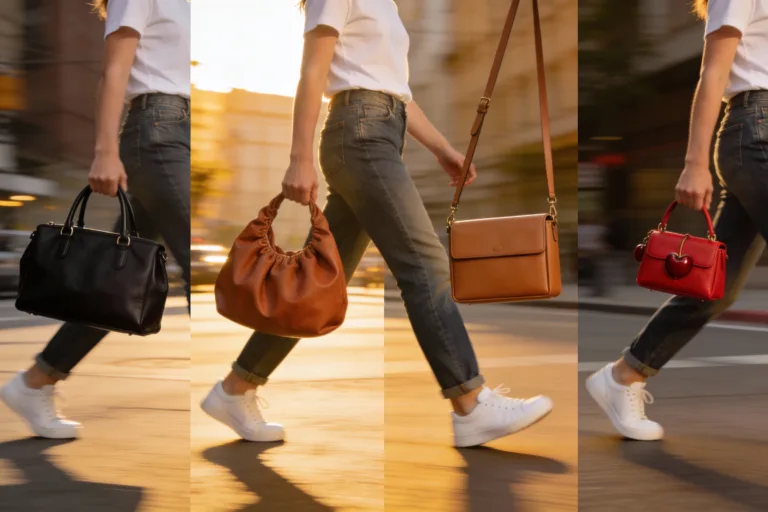
- One everyday bag that works with your palette
- A couple of necklaces or earrings that elevate basics
- Belts that actually fit your belt loops (wild concept)
- Hats or scarves if you wear them realistically
A simple tee and jeans can look intentional with a great belt and shoes. Small changes, big impact.
Maintenance: Keep the Closet Happy
You fixed it; now keep it from sliding back into chaos.
Monthly 10-minute tune-up:
- Return stray items to their hangers or drawers.
- Put dry-clean-only stuff in a bag immediately.
- Note any worn-out basics you need to replace.
Seasonal mini-edit:
- Rotate off-season clothes to a labeled bin.
- Reassess your three style words—do they still fit?
- Donate anything you didn’t touch all season.
FYI: your style can evolve and your closet should keep up. No guilt required.
FAQ
What do I do with clothes that don’t fit right now?
Give yourself a clear boundary. Keep a small “size fluctuation” box if you realistically expect to wear those pieces within a year. Store it out of sight. Anything beyond that turns into emotional clutter. Your current self deserves clothes that fit today.
How do I stop impulse shopping?
Use a 72-hour rule and a list. If it’s not on your list, it’s a no. If you still want it after three days and it fits your style words and outfit formulas, go ahead. Also, unsubscribe from brand emails that shout “50% OFF!!!” at 2 a.m. They’re not your friend.
Can I keep sentimental pieces?
Absolutely—just don’t let them live on your main rack. Create a memory box for sentimental items. If you truly want to wear something sentimental, tailor or restyle it so it works now. Otherwise, honor it as a keepsake, not a wardrobe staple.
What if my style words feel too limiting?
They’re a guide, not a prison. Update them seasonally or add a “wildcard” word like “unexpected” to allow for play. The goal is focus, not boredom. If your closet feels dull, adjust the palette or add one statement piece.
How many clothes do I actually need?
There’s no perfect number. Most people thrive with a tight core (10-15 go-to pieces) plus seasonal or statement add-ons. The real metric: can you put together 10 outfits you love without stress? If yes, you’re good.
Should I try a capsule wardrobe?
Try a mini-capsule for a month. Pick 20-30 pieces and challenge yourself to mix and match. You’ll learn what you reach for and what you don’t. If you love the simplicity, keep it. If not, use the insights and expand.
Conclusion
You don’t hate clothes—you hate decision fatigue and mismatched pieces. When you align your wardrobe with your real life, define your vibe, and build a solid core, everything gets easier. Shop slower, style smarter, and keep the closet lean enough to breathe. Do that, and getting dressed will go from “ugh” to “okayyyy” to “nailed it” pretty fast. IMO, that’s the glow-up you actually feel.