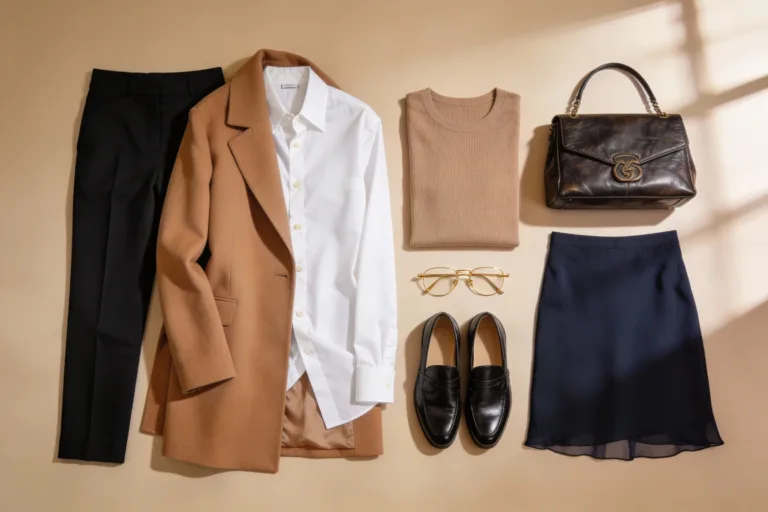
How to Dress Well with a Small Closet and Zero Stress
You can dress well with a tiny closet. You just need sharper rules, cleaner staples, and zero guilt about repeating outfits. The goal isn’t more clothes; it’s fewer decisions. Ready to turn that cramped wardrobe into a style cheat code?
Define Your Style in a Sentence
If you can’t describe your style, you’ll buy random stuff. Write a one-sentence vibe statement: “Clean, sporty minimal with muted colors” or “Soft, tailored classics with a little drama.” That sentence becomes your filter.
Use it to say no. If a piece doesn’t fit the sentence, it doesn’t fit your closet. You’ll stop “almost” buys and random trends that don’t vibe with your life.
Overeating doesn’t mean something is wrong with you. It means your system needs a reset.
If cravings keep pulling you off track, this helps you regain control without restriction. You’ll learn simple, realistic steps to stop overeating and feel satisfied again.
Build a personal uniform
A uniform doesn’t mean boring. It means a repeatable formula:
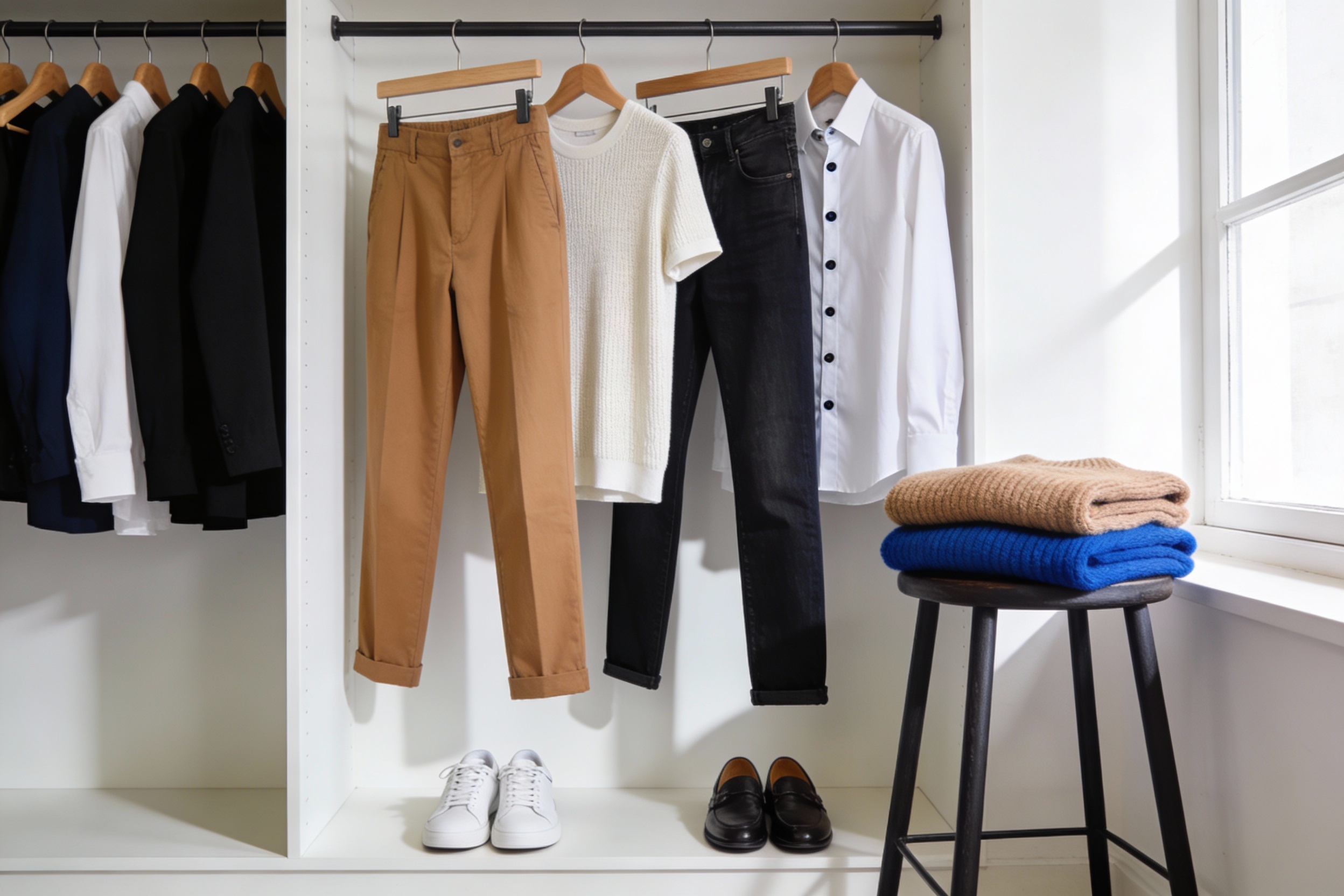
- Smart-casual: relaxed trousers + knit tee + clean sneakers
- Polished: dark jeans + crisp button-up + loafers
- Cozy: straight-leg pants + oversized sweater + boots
Lock in two or three formulas. Rotate colors and textures and you’re golden.
Choose a Tight Color Palette
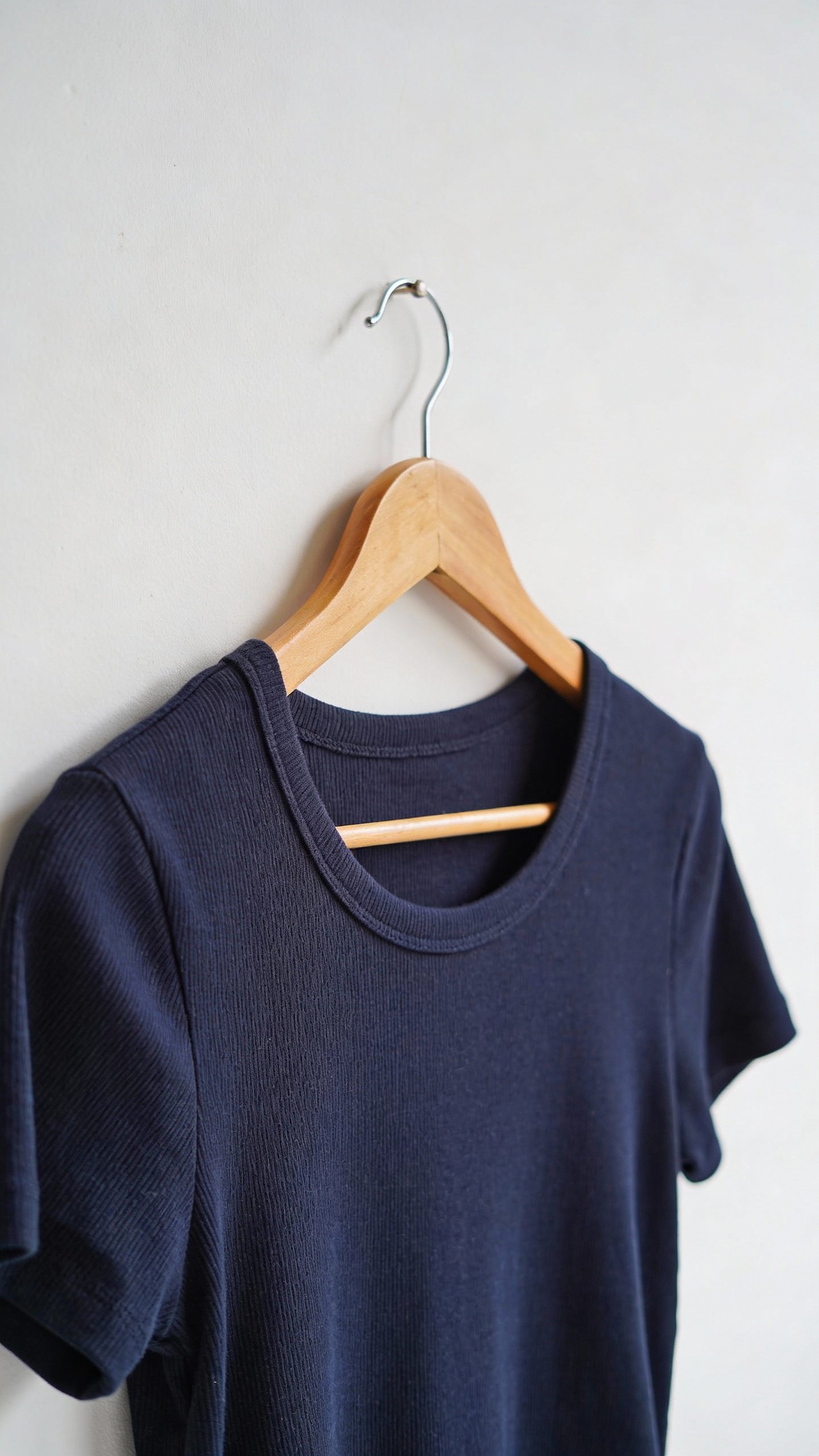
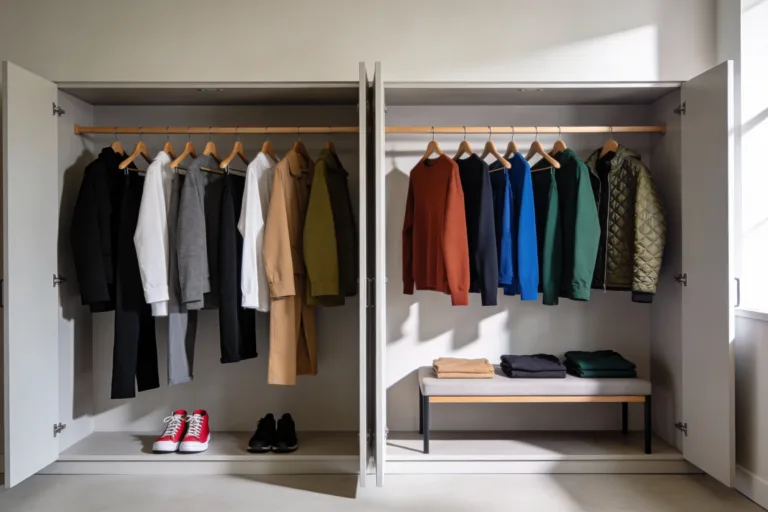
A small closet thrives on coordination. Pick 2-3 neutrals and 1-2 accent colors. Keep it tight and everything mixes—like a capsule, but less rigid and more you.
Example palette ideas
- Cool minimal: black, gray, white, cobalt
- Warm earthy: camel, cream, olive, rust
- Soft classic: navy, oatmeal, white, blush
FYI, neutrals do the heavy lifting. Accents add personality without chaos.
Prioritize Silhouette and Fit
You can’t out-style a bad fit. Small closet or not, fit decides everything. Decide your signature silhouettes—wide-leg vs. slim, cropped vs. full-length, structured vs. drapey—and stick to them.
Quick fit rules that never fail
- Tops: Shoulder seams land on your shoulder. Hem hits where you like to tuck or not tuck.
- Pants: Crease lines only where intended. Waist sits comfortably without belts doing overtime.
- Jackets: You can hug someone without feeling trapped. Sleeves hit at the wrist bone.
IMO, tailoring turns “fine” into “effortless.” Hem your pants. Taper a shirt. You’ll wear it twice as much.
Invest in High-Impact Basics
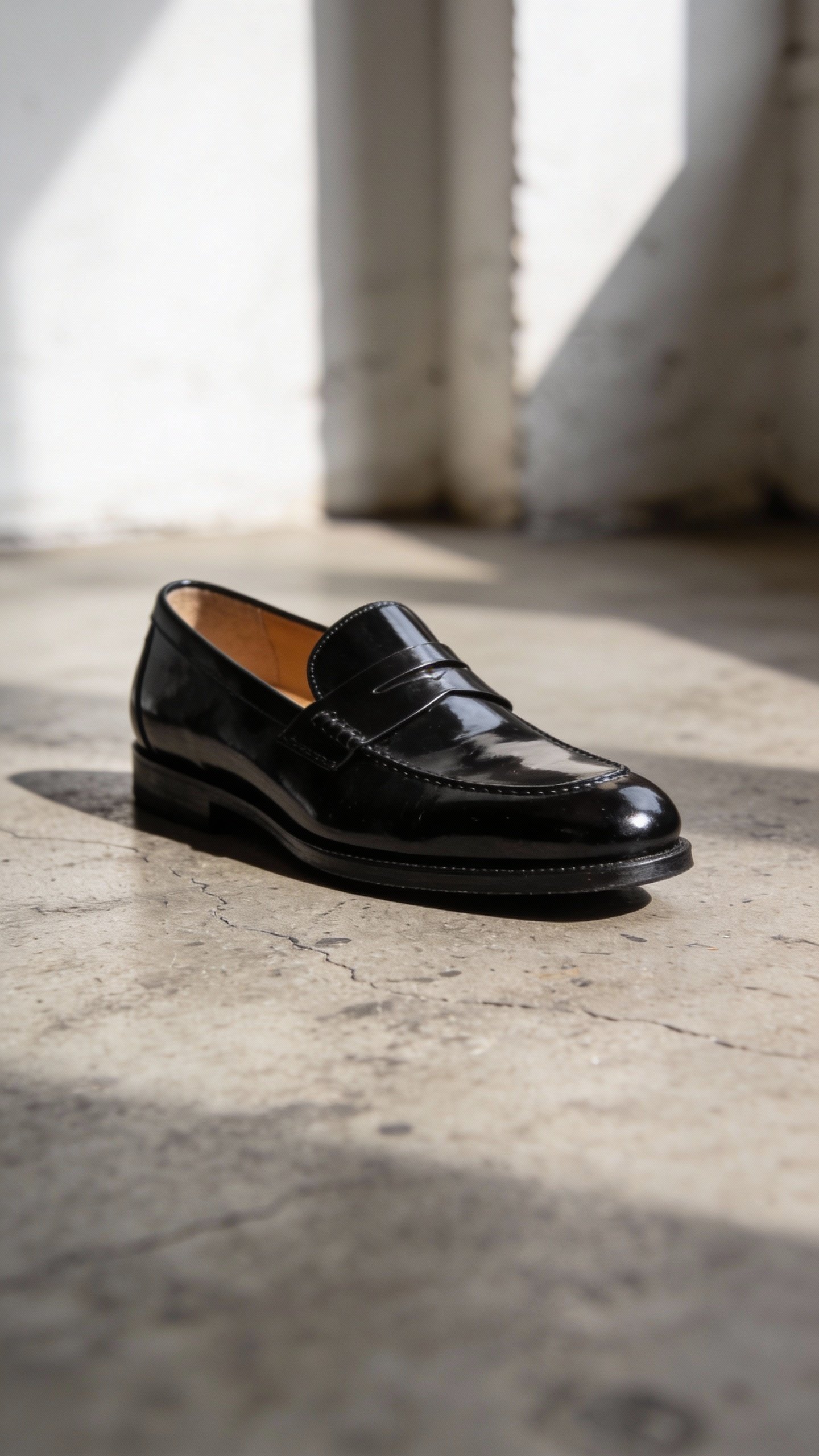
Basics aren’t boring when they’re the best versions. Think fewer pieces, higher quality, maximum versatility. This is where you put your budget.
The small-closet essentials
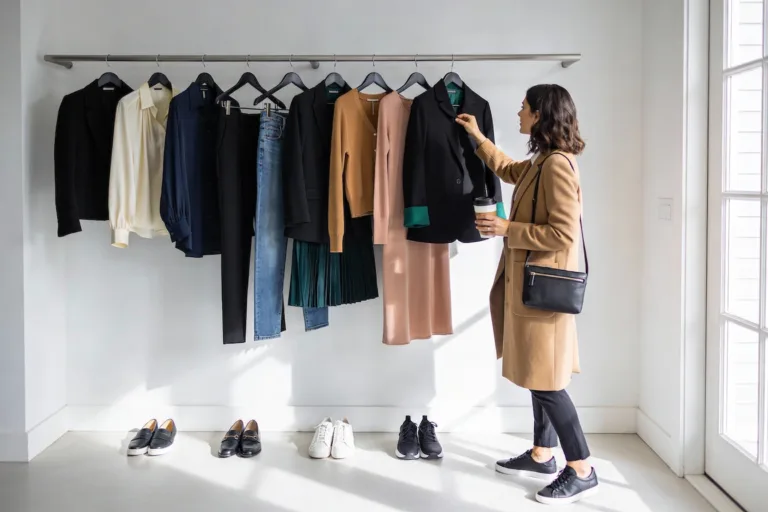
- One perfect outer layer: a blazer, utility jacket, or trench that ties every outfit together.
- Two great pants: one dressier (trouser or dark jean), one casual (straight-leg or relaxed).
- Three go-to tops: a crisp button-up, a solid knit tee, and a fine-gauge sweater or cardigan.
- One statement shoe + one everyday shoe: boots/loafers and clean sneakers.
- One versatile dress or jumpsuit (optional): something that works day-to-night with a change of shoes.
Quality over quantity, always. Better fabric = fewer pieces = less clutter. That math never fails.
Play With Texture and Small Statements
When your closet is lean, the little things matter. Swap prints for texture or strategic accents. Way more wearable.
Easy texture upgrades
- Knits: ribbed, waffle, or cashmere blends add depth without noise.
- Leather or faux leather: belt, bag, or shoe elevates instantly.
- Denim variety: raw, washed black, or ecru keeps outfits interesting.
Statement pieces = micro, not macro. A bold belt, a silver cuff, colored socks, or a patterned scarf beats a loud jacket you never wear.
Accessorize Like a Stylist
Accessories keep repeats fresh. They also take zero closet space compared to bulky layers.
The rotation that does the most
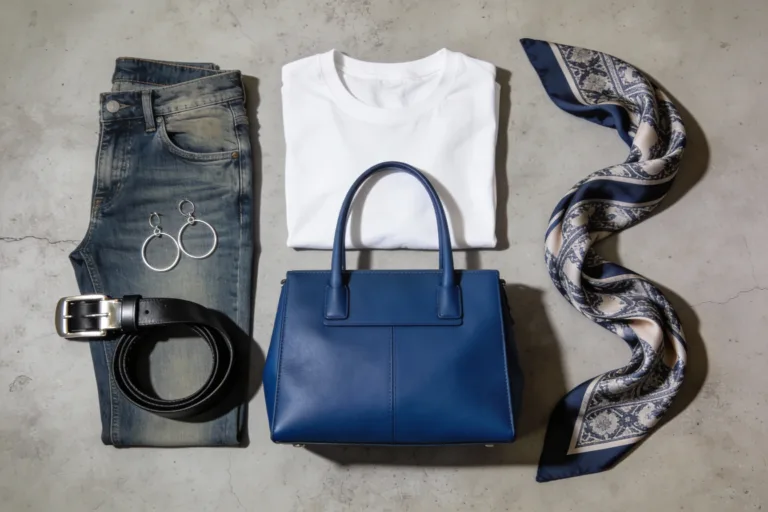
- Belts: brown and black, one slim, one chunky.
- Jewelry: a daily set (studs/hoops + chain) and one standout piece.
- Bags: compact crossbody + structured tote/backpack.
- Hats or scarves: choose one lane you actually wear.
Pro tip: keep accessories visible. Out of sight = out of outfit.
Repeat Outfits (On Purpose)
Outfit repeating isn’t a sin; it’s a strategy. People remember your vibe, not your fifth tee. Build 8–12 outfits you love and repeat them shamelessly.
Make a lookbook
- Try on combos, snap mirror photos, and save them in an album.
- Label outfits by vibe: “Client meeting,” “Casual Friday,” “Dinner out.”
- Refresh with a new accessory or shoe swap when needed.
FYI, stylists do this constantly. A plan saves time and headaches.
Shop Smarter, Buy Slower
Impulse buys explode small closets. Set rules and stick to them.
Rules that work in real life
- One-in, one-out: add something, release something.
- 30-wear test: if you can’t picture 30 wears, skip it.
- List shopping: keep a running “gaps” list in your phone and only buy from it.
- Fabric checks: choose materials that drape well, resist pilling, and wash easily.
IMO, your best buys solve a problem you feel weekly.
Maintain a Lean, Happy Closet
Your closet needs maintenance like a good haircut. Keep it edited so getting dressed stays easy.
Monthly five-minute tidy
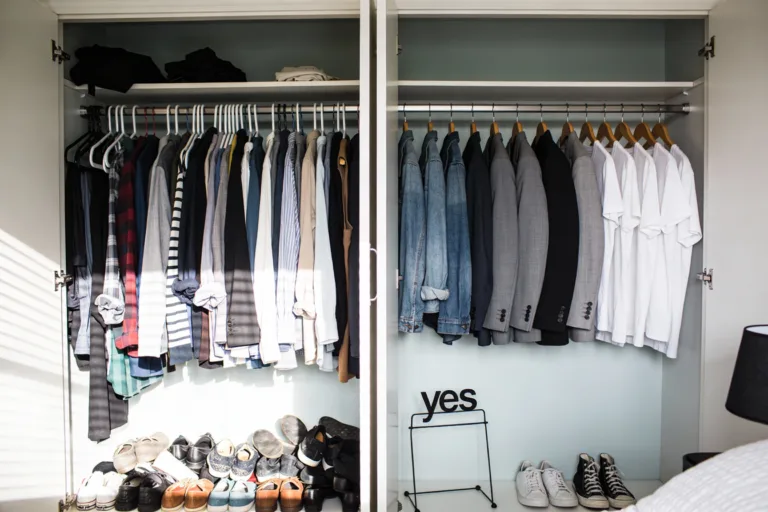
- Rehang by category and color so outfits pop.
- Fix small issues: loose buttons, lint, wrinkles.
- Spot clean shoes; swap insoles if needed.
Seasonal mini-audits work too: store off-season pieces and bring forward your current MVPs.
FAQ
How many pieces do I actually need?
Enough to cover your week without laundry panic. For many people: 20–35 pieces per season, shoes included. Your lifestyle decides the final number—office vs. casual, climate, and how often you do laundry.
Can I still follow trends with a small closet?
Yes, but treat trends like seasoning, not the whole dish. Add a trendy accessory or one on-theme piece that matches your palette and silhouette. If it fights your core wardrobe, it’s a no.
What do I do with sentimental clothes?
Keep a small “sentimental box” separate from your daily closet. Preserve the memory without clogging your hangers. If you’ll wear it again, it belongs in rotation; if not, store it with intention.
How do I handle special events without buying new every time?
Borrow, rent, or accessorize smart. A simple black dress or tailored suit morphs with different shoes, jewelry, and a bold lip or pocket square. Photos change, your bank account stays happy.
Is a capsule wardrobe the only answer?
Nope. Capsules help, but they can feel rigid. Aim for a “flex capsule”: strong core pieces, a tight palette, and freedom to sprinkle in personality.
What fabrics are best for a small closet?
Prioritize fabrics that hold shape and survive real life: cotton blends, merino, Tencel/lyocell, quality denim, and wool for outer layers. Avoid flimsy knits that pill or anything that requires constant dry cleaning, unless it’s a true MVP.
Conclusion
A small closet can deliver big style when you focus on clarity, fit, and repeatable formulas. Pick a tight palette, invest in the best basics you can, and accessorize like you mean it. Shop with a plan, repeat outfits proudly, and keep your wardrobe lean and intentional. Do that, and you’ll open your closet every morning and think: easy win.