How to Dress Stylishly When You Hate Office Clothes Fast
You loathe button-downs and stiff slacks, but your job expects “office appropriate.” Cool. Let’s thread the needle. You can look polished without sacrificing your personality or comfort. The secret is sneaking your style into every “rule” and bending the rest without getting HR-slacked.
Start With the Vibe: What Does “Polished” Mean for You?
Polished doesn’t mean boring. It means intentional. You can wear relaxed pants and sneakers if the rest of your outfit feels deliberate.
Ask yourself: Do you want minimal and monochrome? Or color and texture? Pick a lane for now, since a strong theme makes your outfits look cohesive, not chaotic.
Overeating doesn’t mean something is wrong with you. It means your system needs a reset.
If cravings keep pulling you off track, this helps you regain control without restriction. You’ll learn simple, realistic steps to stop overeating and feel satisfied again.
Build a Micro-Uniform
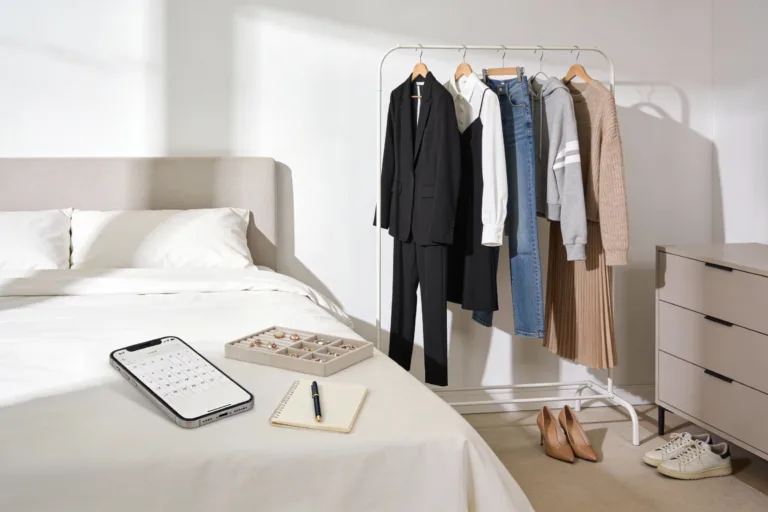
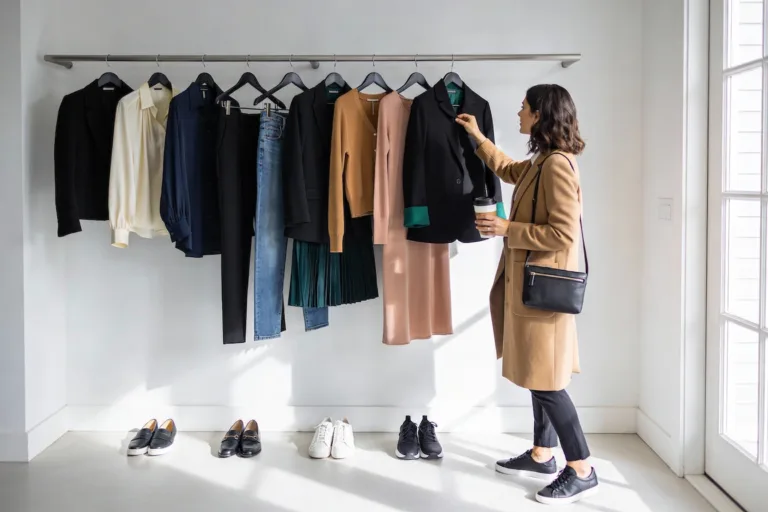
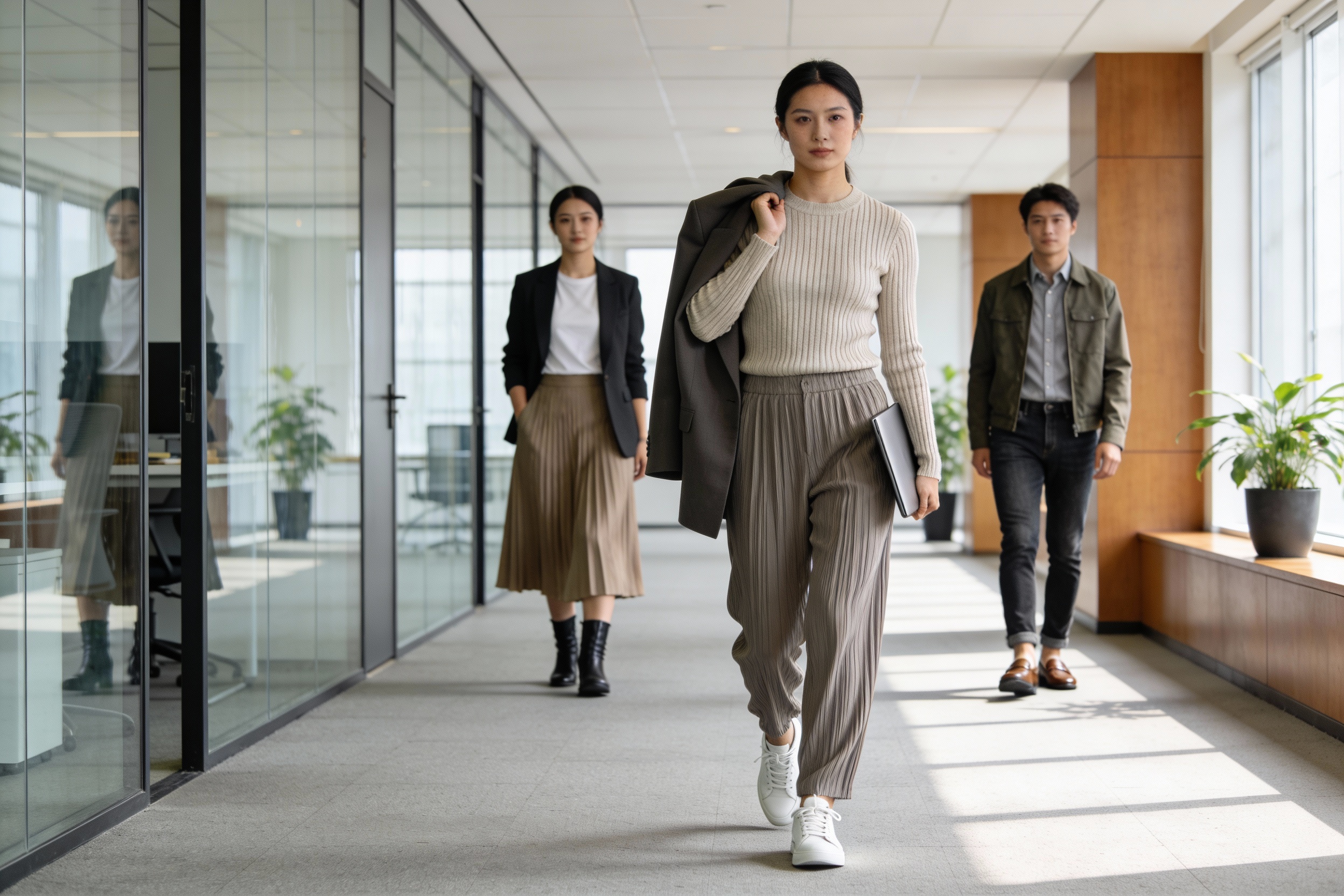
Micro-uniforms save you from morning chaos. Create 2-3 reliable combos and rotate them.
- Relaxed trousers + structured knit + clean sneakers
- Midi skirt + t-shirt + oversized blazer + boots
- Dark jeans (if allowed) + shirt-jacket + loafers
If your company has a dress code, make your micro-uniform sit just under the “too casual” line. That’s the sweet spot.
Buy “Office” Pieces That Don’t Feel Office
If you hate office clothes, don’t buy office clothes. Buy cool pieces that happen to look professional.
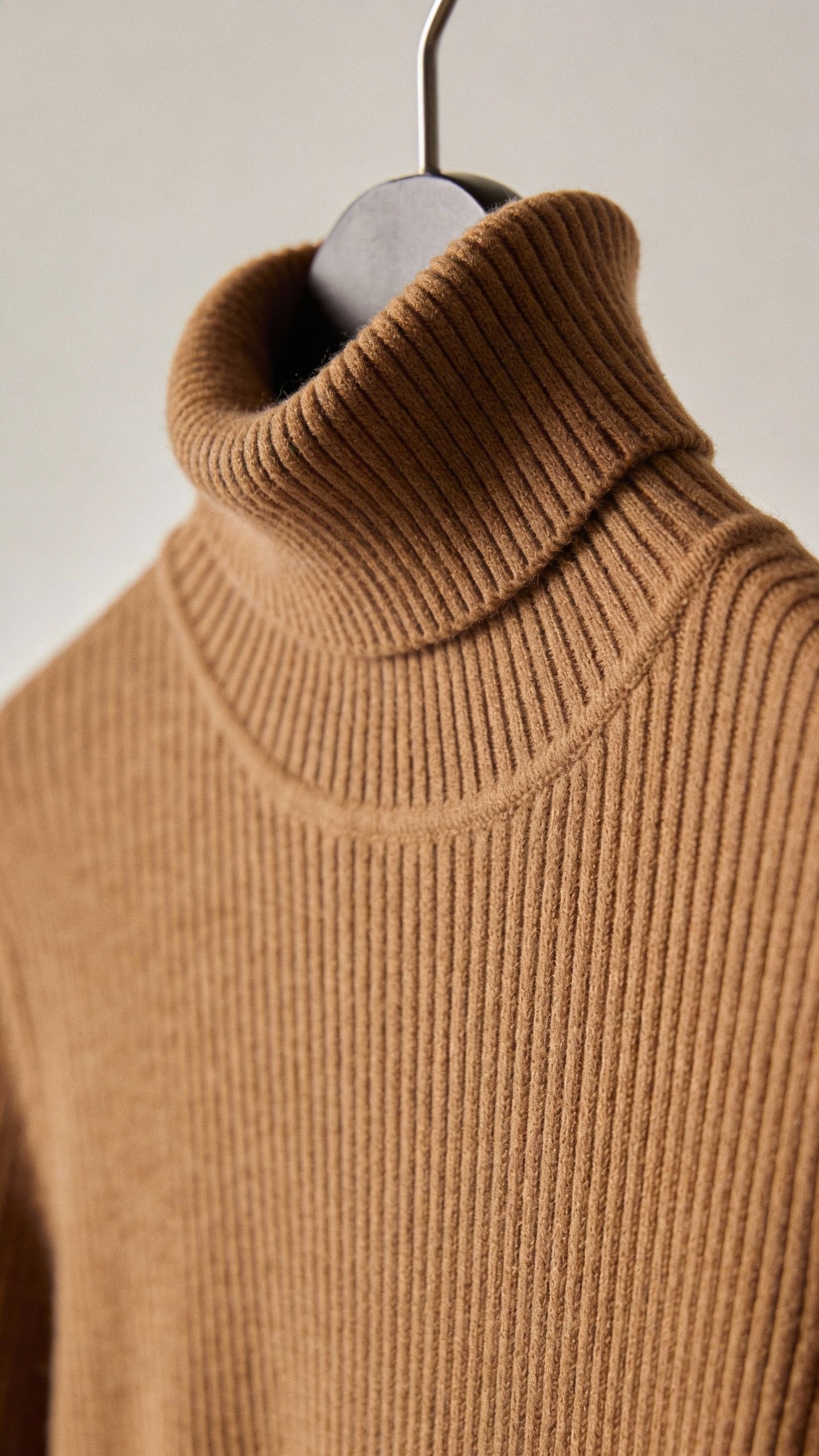
- Knits with structure: Polo sweaters, ribbed tees, fine merino crews. They read smart without feeling corporate.
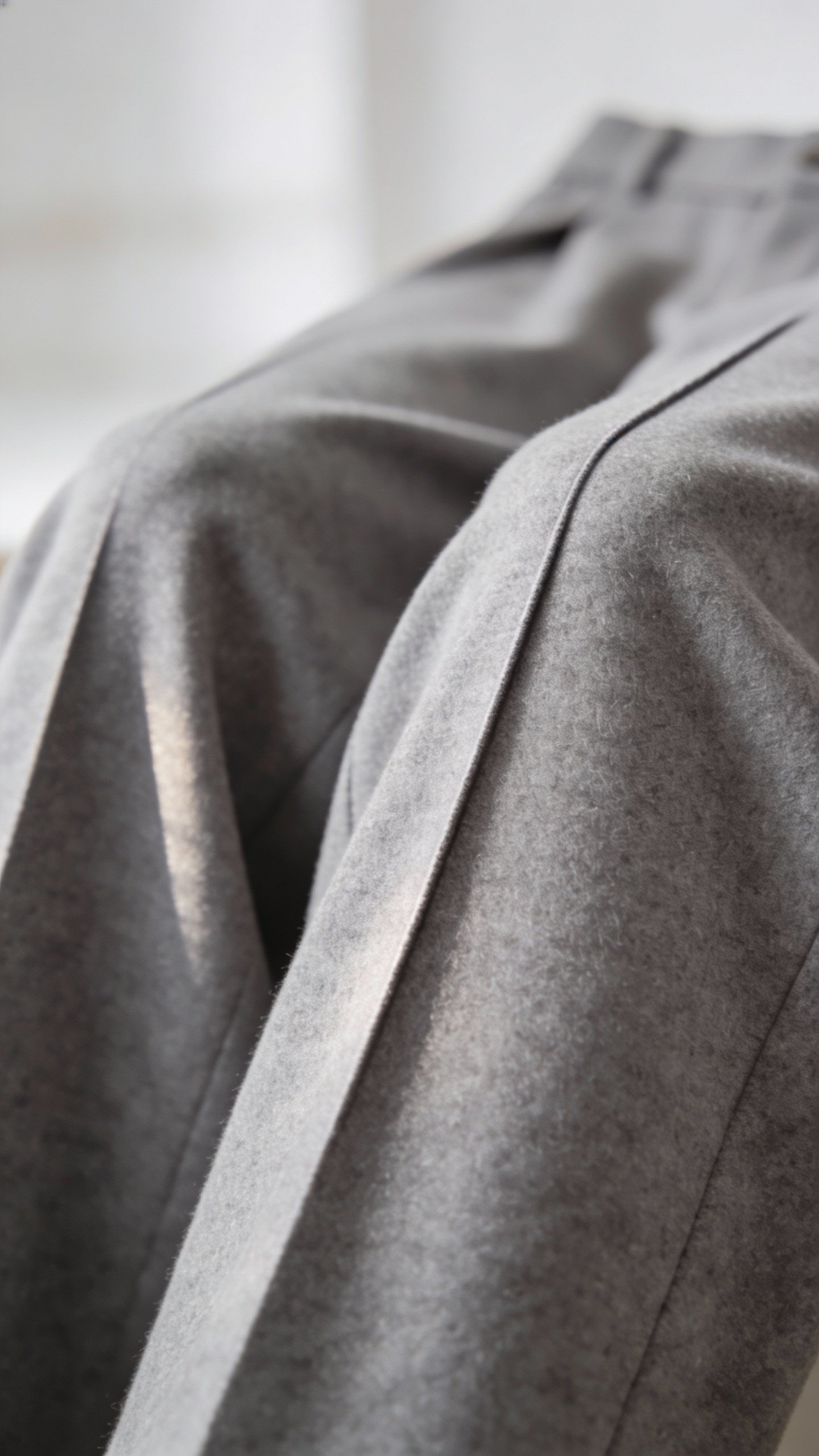
- Relaxed trousers: Pleated, slightly wide-leg, or tapered with elastic backs. Avoid shiny poly blends. Try wool blends or cotton twill.
- Shackets and chore coats: Softer than blazers, still polished. Dark navy or olive works like a charm.
- Non-scary blazers: Unlined, soft-shouldered, slightly oversized. Think “artist at a gallery” not “intern on day one.”
- Elevated tees: Heavyweight cotton, no graphics, crisp collar line. They carry a blazer beautifully.
Fabric > Fit > Everything Else
You can’t fake good fabric. Choose breathable cotton, wool, linen blends, and ponte. They drape nicely and won’t cling. Then nail the fit: skimming, not squeezing. After that, add personality with color or accessories.
Sneak in Casual Staples Without Getting Side-Eyed
You can wear pieces you love if you style them right. The trick? Contrast.
- Hoodie under a blazer: Medium-weight, no logos, neutral color. Pair with trousers, not jeans.
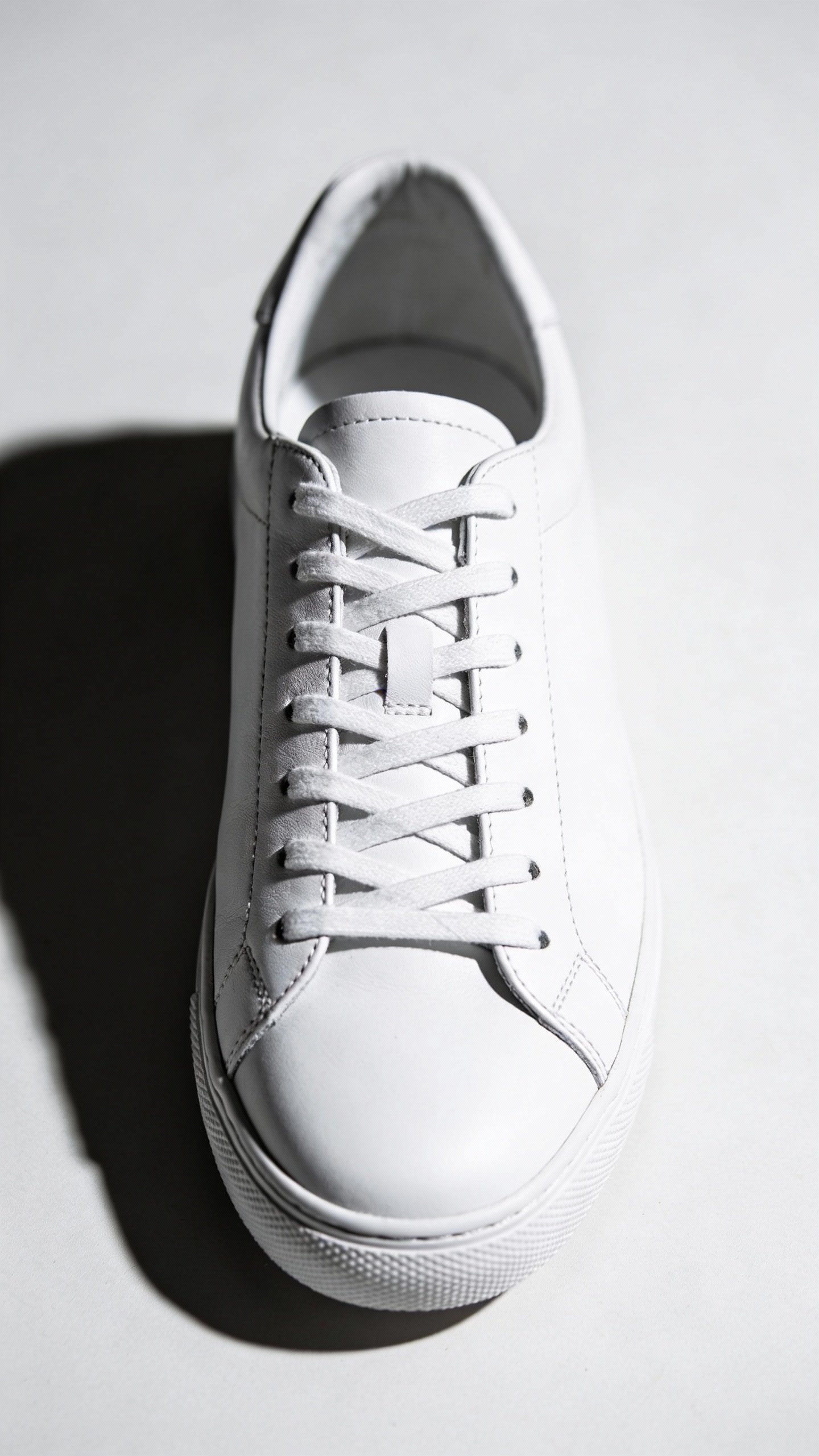
- Clean sneakers: Leather, minimal branding, low-contrast soles. Keep them immaculate.
- Denim, but smart: Dark indigo, no rips, straight or slim. Add a knit polo and loafers.
- Graphic tee? Maybe: Layer under a button-up or cardigan so just a hint shows. Test the culture first, FYI.
The Two-Polish Rule
If two items feel sharp, the third can be casual. Example: polished trousers + leather belt + hoodie. Or blazer + loafers + tee. It balances out and looks intentional.
Accessorize Like a Pro (AKA cheat code for effort)
Accessories do all the heavy lifting. When your base outfit feels simple, add texture and quality in the extras.
- Belts: A good leather belt instantly upgrades anything. Choose matte hardware.
- Watches: A clean analog watch makes you look like you “planned.” Even if you didn’t.
- Bags: Tote or slim backpack in canvas or leather. No gym logos. No nylon fray from 2012.
- Jewelry: Minimal chains or studs. Keep it understated but intentional.
- Socks: Match trousers or play with subtle patterns. Avoid gym socks with dress shoes, IMO.
Color and Texture, Not Just “More Stuff”
Accessories should add depth, not clutter. Try one statement piece per outfit: chunky loafers, a textured belt, or a bright tote. Don’t layer five loud things and call it a day.
Comfort-First Tailoring: Make Clothes Work for You
Hate stiff clothes? Same. Get comfortable silhouettes that still look sharp.
- Elastic-back trousers: Business in the front, hoodie vibes in the back. Nobody will know.
- Ponte or jersey blazers: They move like sweatshirts but look crisp.
- Boxy button-downs: Size up for flow. French tuck for shape. Roll sleeves for a relaxed edge.
- Skirts with movement: Bias-cut or A-line midi skirts feel comfy, pair with sneakers or boots.
Tailor Once, Enjoy Forever
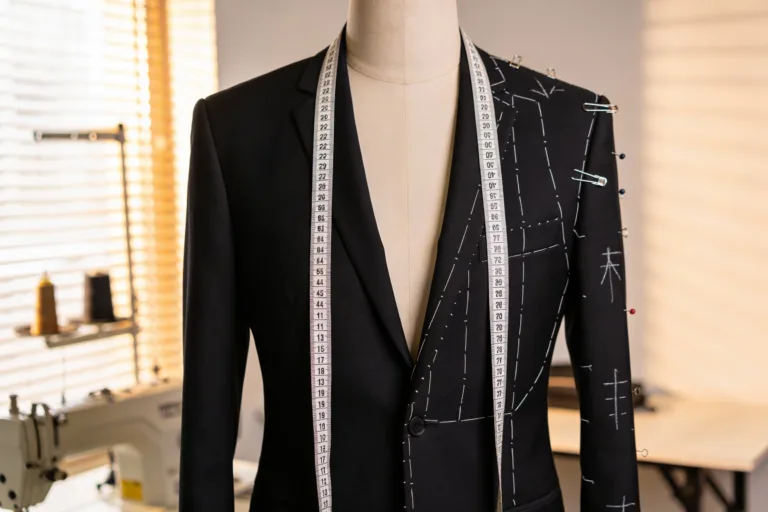
A $20 hem turns meh pants into “wow nice pants.” Shorten sleeves, taper legs, take in the waist. Tiny edits = huge payoff.
Outfit Formulas You’ll Actually Wear
Let’s make this painless. Try these plug-and-play combos:
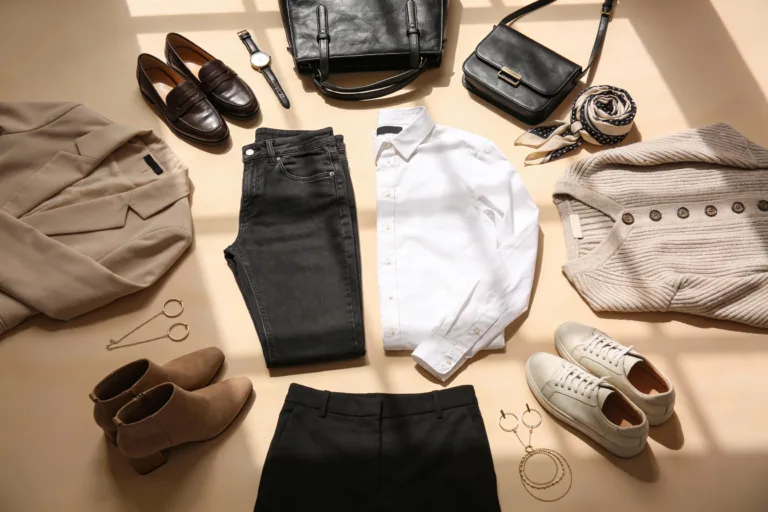
- Soft blazer + tee + relaxed trousers + leather sneakers: Minimal, modern, zero effort.
- Shacket + knit polo + dark jeans + loafers: More texture, still “meeting safe.”
- Crewneck sweater + pleated pants + boots: Cozy, sharp, seasonal MVP.
- Cardigan + satin or viscose skirt + simple tank + low heels: Feminine without being fussy.
- Hoodie + trench + tailored joggers + sleek trainers: Street-smart, office-appropriate in casual workplaces.
Seasonal Tweaks
– Warm weather: Linen-blend trousers, short-sleeve knits, sockless loafers or clean sneakers.
– Cold weather: Layer thin merino under everything, add a wool coat or trench, switch to lug-sole boots.
Office Politics Without the Office Pants
Read the room before you go full “creative director.” Start subtle. Level up once no one gasps at your hoodie-blazer combo.
- Observe leaders: What are your managers wearing? You can go one notch more relaxed, not three.
- Client days: Swap sneakers for loafers, tee for knit polo. Keep your vibe, dial up polish.
- Hybrid work: On-site = smarter shoes and sharper outer layer. WFH = same outfit, different shoes.
FAQ
Can I wear sneakers to the office without looking sloppy?
Yes, if they’re clean, minimal, and leather or suede. Keep colors neutral and avoid chunky gym soles. Pair them with tailored trousers or a sleek skirt so the outfit still reads “intentional,” not “I forgot to change after spin class.”
What if my office is business formal?
You can still cheat comfort. Choose unstructured blazers, knit ties, soft cotton dress shirts, and trousers with a bit of stretch. Keep colors classic (navy, charcoal, ivory), and sneak personality into texture—hopsack blazers, pebble-grain shoes, subtle patterned socks.
How do I make a t-shirt look office-ready?
Go with heavyweight, crewneck, no graphics, and a crisp collar line. Tuck or French-tuck it, add a belt, and layer a blazer or shacket. Finish with leather shoes or luxe sneakers to signal “I meant to do this.”
Are jeans ever okay at work?
If your culture allows them, yes—choose dark, non-distressed, straight or slim. Pair with a knit polo or button-down and proper shoes. If you worry it’s too casual, add a blazer and call it balanced.
What’s one piece worth investing in?
A soft-shouldered blazer that fits your vibe. It upgrades tees, hoodies, and knits instantly. Choose a versatile color—navy, charcoal, or deep olive—and you’ll wear it year-round.
How do I keep comfort without looking sloppy?
Focus on drape, not tightness. Choose quality fabrics, add structure with one polished piece, and keep shoes clean. Then edit: remove one extra layer or accessory before you leave. Simple rule, huge difference.
Conclusion
You don’t need to cosplay as a banker to look workplace-worthy. Buy pieces you actually like, then style them with one or two polished anchors. Keep the fits relaxed, the fabrics quality, and the sneakers clean. Do that, and “office clothes” start to feel like your clothes—just with better lighting. IMO, that’s the win.