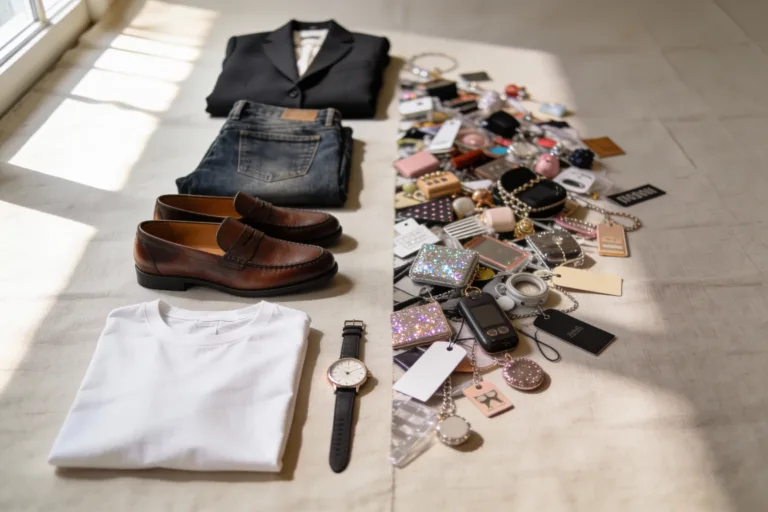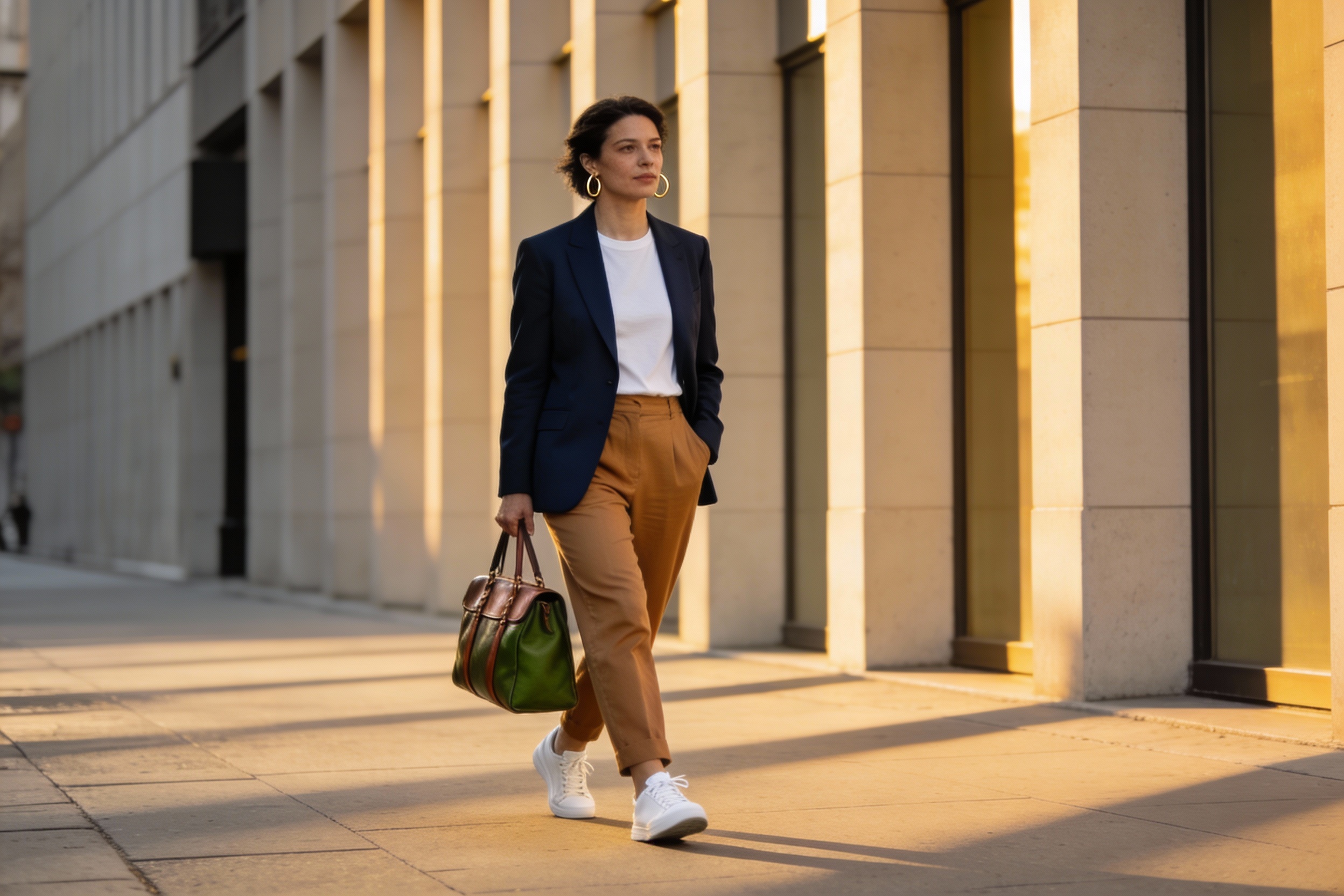
How to Dress Stylishly in Your 30s Without Chasing Trends Now
You don’t need a closet overhaul to look great in your 30s. You need clarity, a few smart upgrades, and the confidence to skip trends that don’t serve you. Think less “What’s in?” and more “What works on me?” You’ll get more compliments, spend less, and leave the micro-trend hamster wheel in the dust.
Define Your Personal Uniform (So You Stop Second-Guessing)
Your 30s reward consistency. Build a personal uniform that feels like you—but elevated. This isn’t boring; it’s strategic. A uniform frees you from analysis paralysis and filters out the noise.
Overeating doesn’t mean something is wrong with you. It means your system needs a reset.
If cravings keep pulling you off track, this helps you regain control without restriction. You’ll learn simple, realistic steps to stop overeating and feel satisfied again.
- Pick a silhouette that flatters you: tailored on top + relaxed bottom, or vice versa.
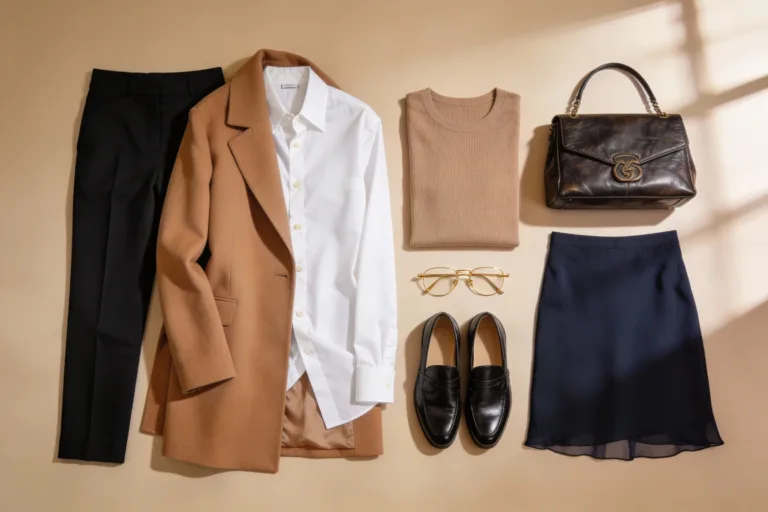
- Choose 2–3 base colors you actually wear (navy, black, camel, olive) and stick to them.
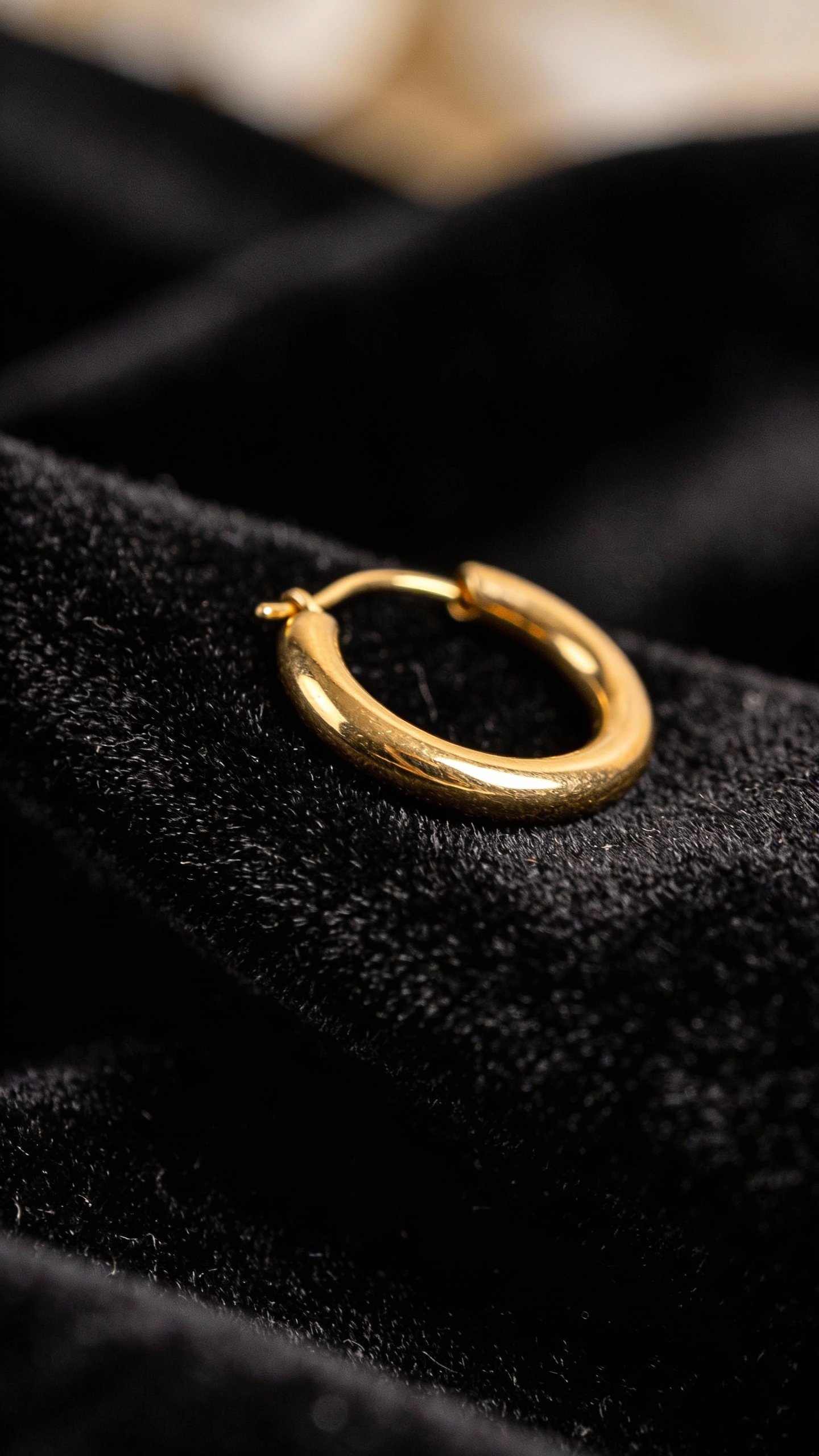
- Add one signature—a leather jacket, a crisp white sneaker, a gold hoop—something people associate with you.
How to Find Your Uniform Fast
Take photos of your outfits for two weeks. Which ones made you feel like a 10? Identify the overlaps: fit, color, fabric, vibe. That’s your baseline. Repeat. Tweak. Done.
Fit First, Everything Else Second
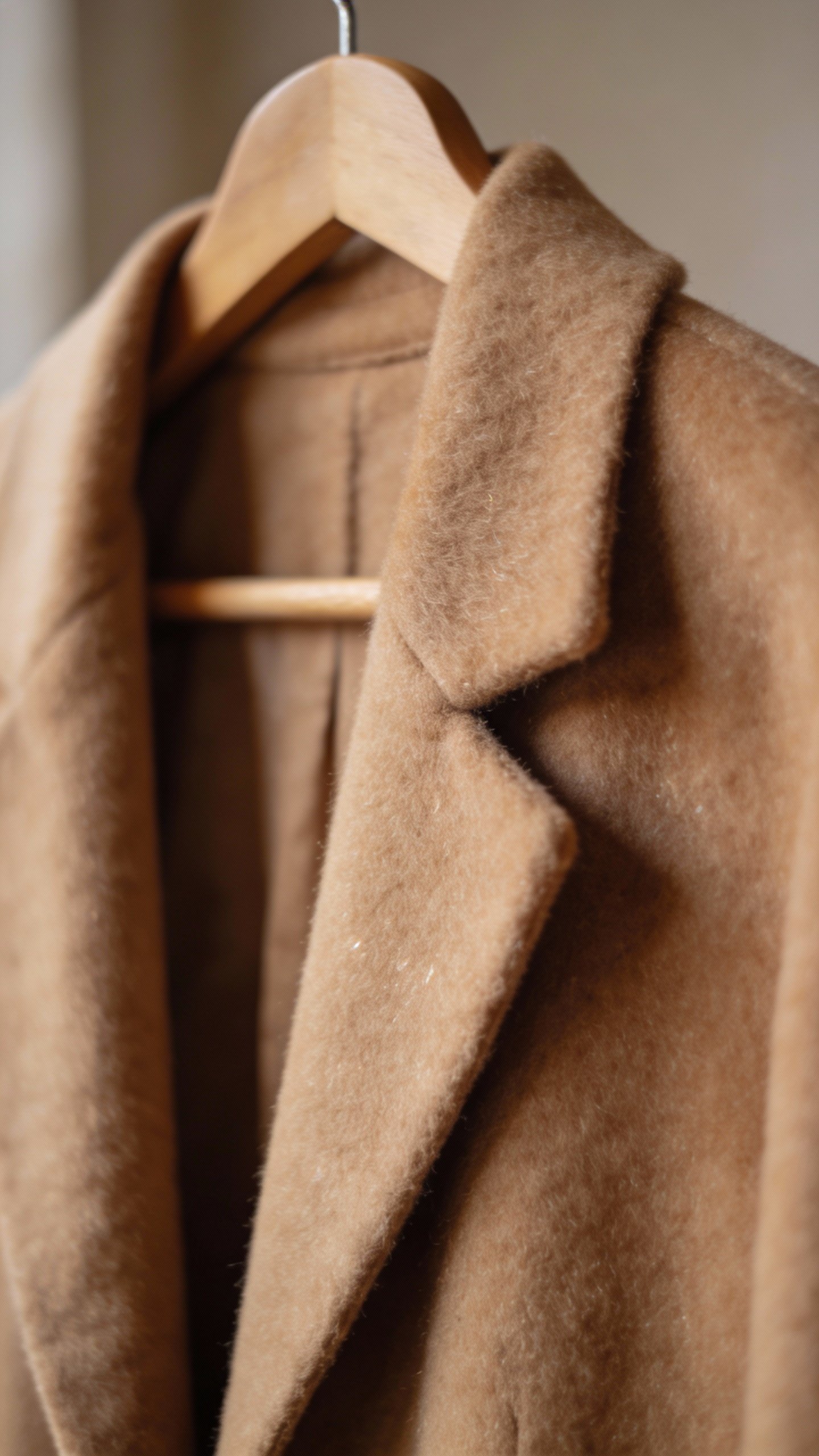
Trends distract. Fit does the heavy lifting. If it doesn’t sit on your shoulders, skim your waist, and hit the right length, you’ll never wear it. Tailors exist for a reason—use them.
- Jackets: Shoulder seams should align with your shoulder bone; sleeves should hit the wrist bone.
- Trousers/jeans: No saggy seat, no thigh strangle. Hem so shoes look intentional, not accidental.
- Shirts: Two fingers of room at the collar. If buttons pull, size up or switch cuts.
Tailoring Cheatsheet
Alter these, and you’ll boost your look instantly:
- Hem length (pants and sleeves)
- Waist nip on jackets and dresses
- Darts for shirts to remove billow
FYI: You’ll wear a $60 piece tailored to you more than a $300 one that fights your body.
Upgrade Fabrics, Not Logos
Your 20s tolerated cheap blends. Your 30s crave texture, drape, and durability. You don’t need luxury labels—just better materials.
- Look for: merino wool, cotton poplin, linen, cashmere blends, silk, twill, full-grain leather.
- Avoid (when possible): scratchy acrylic, flimsy polyester, paper-thin knits.
- Touch test: Does it feel substantial? Does it drape? Does it bounce back after a squeeze?
Seasonal Swaps That Matter
– Summer: linen-cotton blends over stiff synthetics.
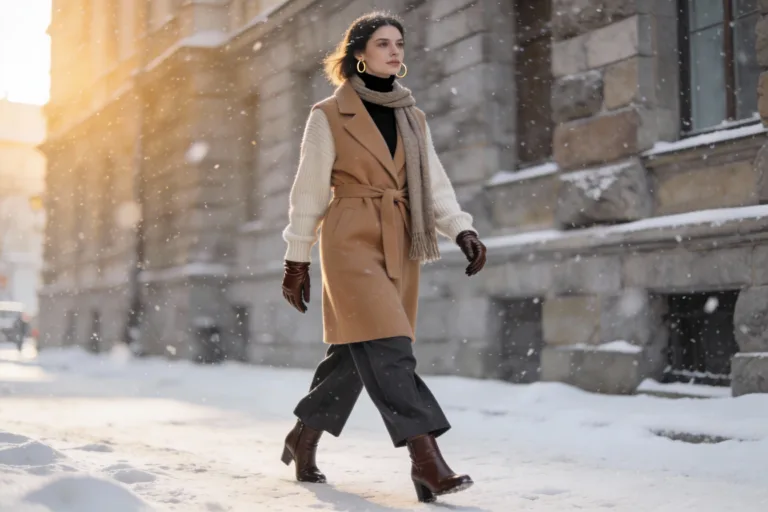
– Winter: merino base layers over thick-but-useless acrylic.
– Year-round: structured denim and proper leather instead of plasticky faux options.
Curate a Color Story (So Everything Plays Nice)
You don’t need a painter’s palette. Choose a core of neutral shades, then add accent colors that flatter your skin tone. This keeps your outfits mix-and-match friendly and makes dressing fast.
- Core neutrals: black, navy, charcoal, camel, cream, olive.
- Accents: burgundy, forest green, rust, cobalt, blush.
- Rule of 3: Build outfits with 2 neutrals + 1 accent for effortless cohesion.
Quick Color Audit
Empty your closet and group by color. Which hues dominate your “most worn” stack? Keep those. The rest? Either store, sell, or tailor into usefulness. IMO, fewer colors = fewer mistakes.
Buy Fewer, Better—But Buy for Your Life
A sleek trench looks amazing—until it gathers dust because you work from home and live in hoodies. Align purchases with reality, not fantasy.
- List your weekly activities (work, errands, dinners, gym, dates).
- Assign outfit types for each. Where are the gaps?
- Invest in your top three scenarios first. That’s where cost-per-wear wins.
Smart Splurge vs Save
– Splurge: coats, shoes, bags, tailoring—high mileage items.
– Save: trend-adjacent accessories, tees you beat up, beachwear.
– Middle: denim, knitwear, sunglasses (quality matters, but options exist).
Build a Shoe Rotation That Carries Every Outfit
Shoes set the tone. They can ruin a great outfit or make a basic one pop. You don’t need a museum—just a versatile lineup.
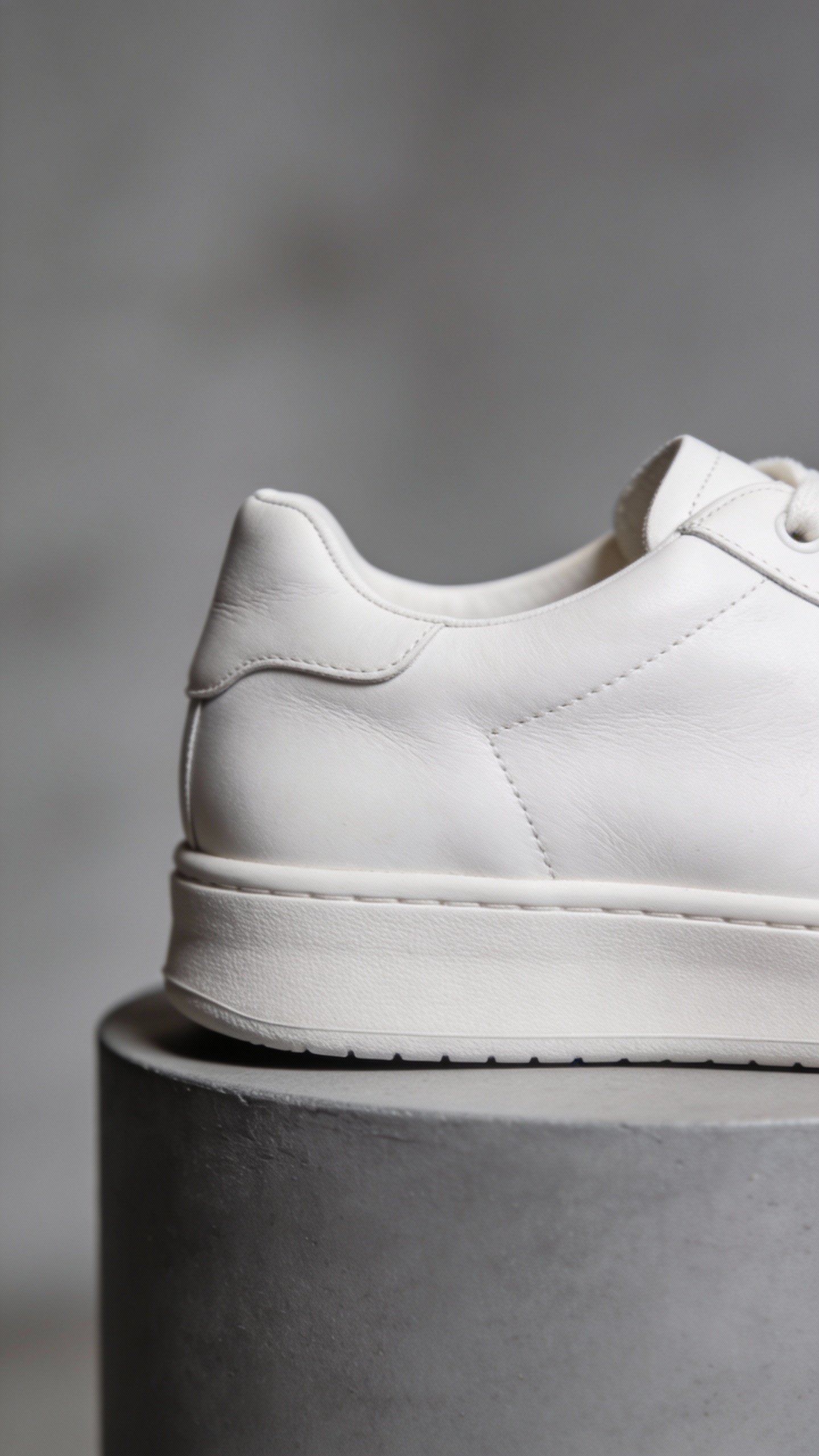
- Casual: white or off-white sneakers with minimal branding.
- Smart casual: loafers, Chelsea boots, or sleek ankle boots.
- Dressy: classic oxfords or strappy heels that don’t scream for attention.
- Seasonal: weatherproofed boots and practical sandals that don’t look like camping gear.
Care = Style Longevity
Use cedar shoe trees, rotate pairs, and clean regularly. Polished shoes make even a basic outfit look expensive. Lazy care makes an expensive outfit look tired. Your call.
Accessorize Like You Mean It (Subtle Beats Shouty)
Accessories tell your story without yelling. Think refined, not overloaded.
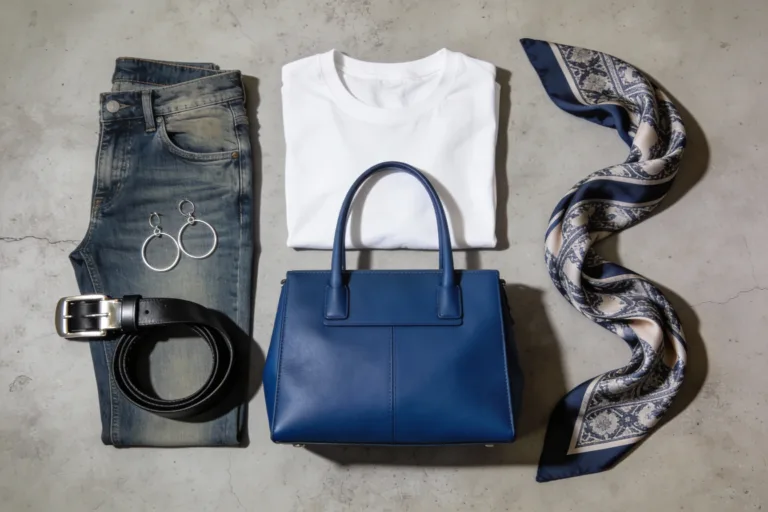
- Jewelry: one or two signature pieces you wear daily—simple chain, signet ring, hoops.
- Belts: slim and sleek for dressy, textured for casual. Match leather tones loosely to shoes.
- Bags: structured tote, compact crossbody, or a clean backpack. Skip flimsy hardware.
- Timepiece: a clean dial watch elevates everything. Even a hoodie.
Glasses and Sunglasses
A flattering frame beats any trend cycle. Aim for proportionate widths, lenses that cover your eyebrows, and materials that don’t squeak. FYI: tortoiseshell flatters almost everyone.
Grooming and Maintenance: The Quiet Power Move
You can’t out-dress neglect. Crisp, clean, and well-kept always reads stylish.
- Iron or steam your clothes. Wrinkles say “I gave up.”
- De-pill knits and shave fuzz from coats.
- Keep nails and hair tidy. The best outfit loses to a scruffy haircut that doesn’t suit your face.
- Mind scent: one or two fragrances max. Let people recognize you, not your perfume cloud.
Know When to Ignore Trends (Most of the Time)
Trends aren’t evil; they’re seasoning. Use them sparingly and intentionally.
- Test with accessories before committing to whole outfits.
- Adopt shapes—not fads: wide-leg trousers if they flatter you, sure; neon cargo jumpsuit, maybe not.
- Use the mirror test: If you pose to convince yourself, it’s a no.
Three Questions Before You Buy
– Does this work with three things I already own?
– Will I still wear this in two years?
– Do I feel like me in it? If not, leave it. IMO, that’s the only rule that matters.
FAQ
How many clothes do I actually need to look stylish?
You can create a sharp rotation with 10–15 core pieces. Think: 2 jackets, 3 pants, 4 tops, 2 shoes, and a couple of knits. Add accessories, and you’ll get dozens of outfits without the clutter.
What if my body changed in my 30s?
Dress the body you have now. Size up without drama, tailor key pieces, and choose forgiving fabrics with structure (twill, ponte, denim with stretch). Clothes should fit you—not the other way around.
Can I still wear graphic tees or sneakers?
Absolutely. Pair a graphic tee with tailored trousers and clean sneakers. Balance relaxed and refined. When in doubt, elevate one element: structured jacket, leather belt, or a polished shoe.
How do I mix casual and professional if I work hybrid?
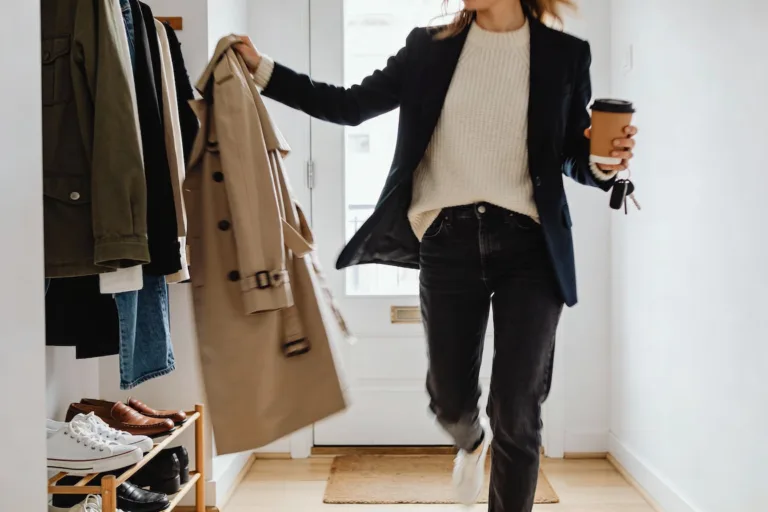
Create “smart-casual modules.” Keep a blazer at your desk, wear dark denim or chinos, and rotate knit polos or crisp blouses. Swap sneakers for loafers when meetings happen. Modular wardrobe = less stress.
Do I need designer pieces to look put-together?
Nope. Focus on fit, fabric, and finish. Mid-range brands with solid construction beat flashy logos every day. If you crave a designer touch, start with a belt or sunglasses and keep the rest low-key.
What’s the best way to refresh my style without buying a ton?
Audit, tailor, and style differently. Cuff sleeves, swap laces, add a belt, layer a knit over a dress shirt, and play with color accents. One or two new accessories can wake up the whole closet.
Conclusion
Dressing well in your 30s isn’t about chasing the next shiny thing. It’s about knowing what loves you back—fit, fabric, color, and consistency. Build your uniform, upgrade the details, and ignore the noise. Do that, and your style will look effortless because it actually is.