How to Create Homemade Skincare for Dry, Flaky Skin That Works
Dry, flaky skin can throw a tantrum at the worst times—right before a date, a meeting, or when you finally decided to leave the house. Good news: you don’t need a lab or a luxury budget to calm it down. With the right kitchen staples and a little know-how, you can create homemade skincare that actually works. Let’s build a routine that nourishes, hydrates, and makes your skin say “thank you.”
Know Your Dry Skin: What’s Actually Going On?
Dry, flaky skin usually means your skin barrier needs a hug. Translation: it’s losing water faster than you can slather moisturizer. Cold weather, hot showers, harsh cleansers, and retinoids can all make it worse.
Your goal? Hydrate, lock in moisture, and soothe. Think: water first, then oils and occlusives. And yes, your face can be dry and still break out—skin is complicated. Fun!
Overeating doesn’t mean something is wrong with you. It means your system needs a reset.
If cravings keep pulling you off track, this helps you regain control without restriction. You’ll learn simple, realistic steps to stop overeating and feel satisfied again.
Golden Rules Before You DIY
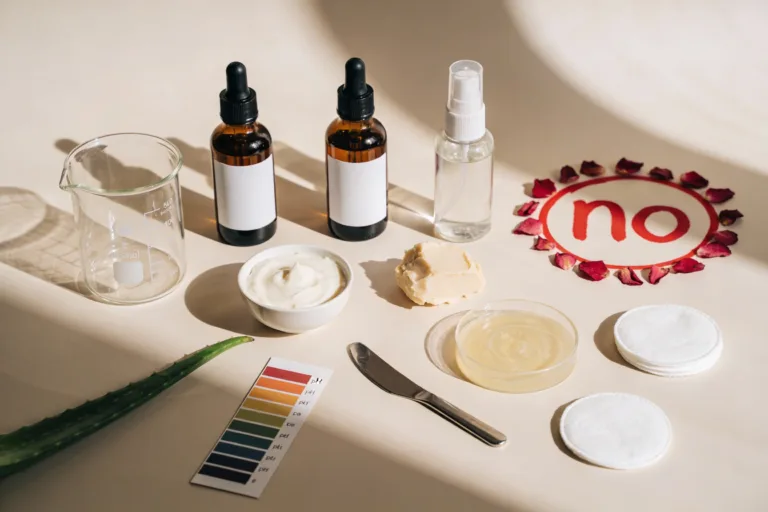
Before we start mixing, let’s avoid chaos. These basics will save your skin (and your pantry).
- Patch test everything. Try a pea-sized amount on your inner arm for 24 hours.
- Use clean tools and containers. Wash with hot water and mild soap. Dry completely.
- Make small batches. Most DIY products don’t have preservatives. Use within 3–7 days if water is involved.
- Skip essential oils on the face. Lovely for candles, risky for skin—especially sensitive, dry skin.
- Avoid lemon juice, baking soda, and undiluted ACV. Your face is not a science experiment.
Cleanse Without Stripping
You can’t fix dryness if your cleanser bullies your skin. We want gentle, hydrating, and non-foaming. No squeaky clean—squeaky means stripped.
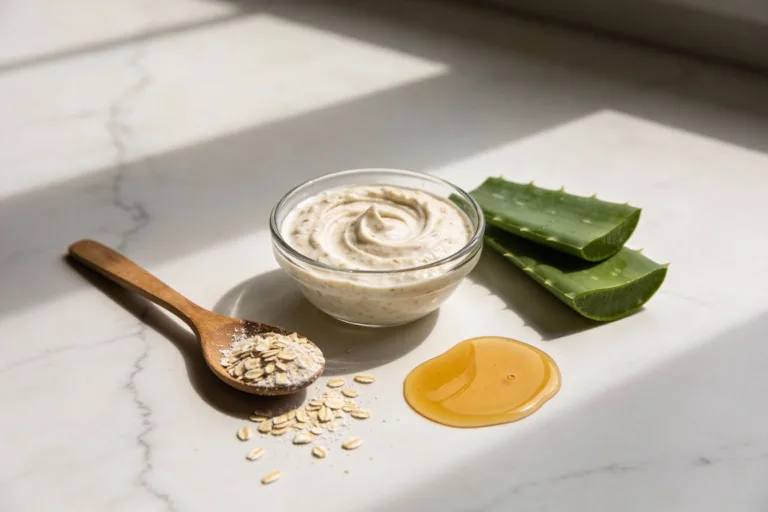
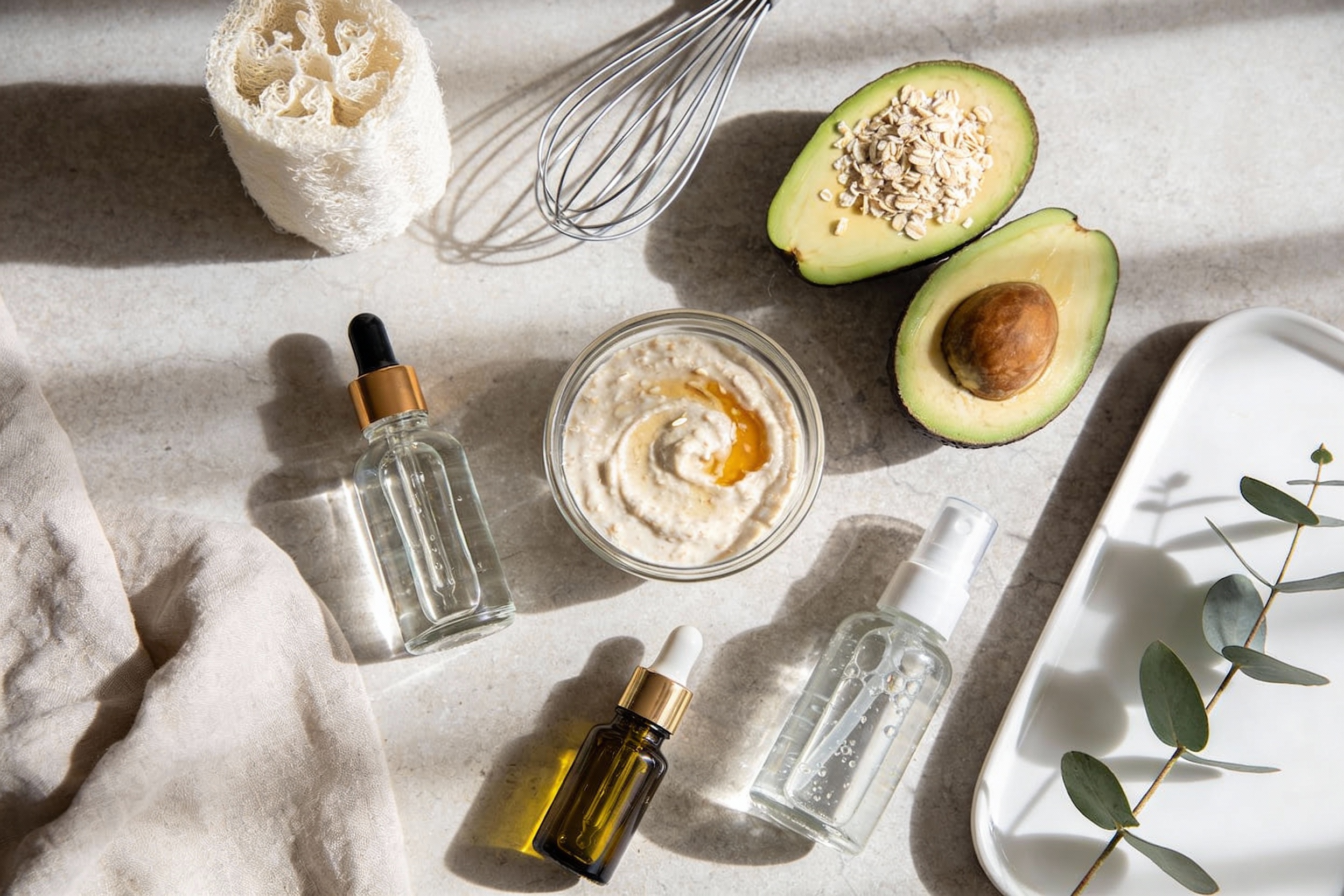
Recipe: Creamy Oat Cleanser
This one feels like a hug. Oats soothe, milk hydrates, and honey adds slip.
- 2 tbsp finely ground oats (colloidal oatmeal if you have it)
- 2 tbsp full-fat milk or unsweetened oat milk (use water if you prefer)
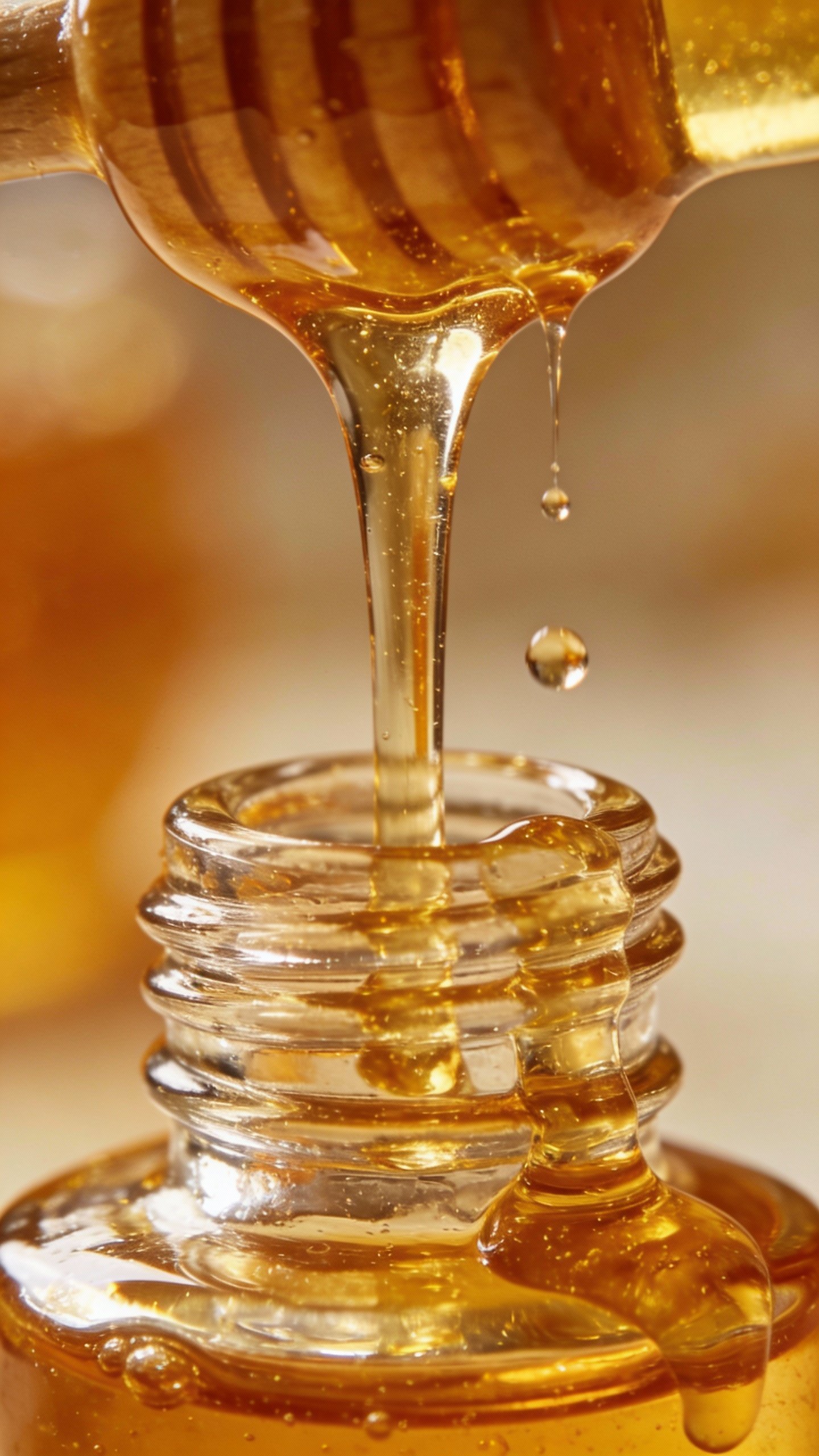
- 1 tsp honey
Instructions:
- Mix to a creamy paste.
- Massage onto damp skin for 30–60 seconds.
- Rinse with lukewarm water. Pat dry gently.
Pro tip: If you wear makeup or sunscreen, start with a store-bought oil or balm cleanser, then use this as step two. IMO that combo works best.
Quick Alternative: Yoghurt Cleanse
Use 1–2 tbsp plain yoghurt. Massage on, leave 1 minute, rinse. Lactic acid gives a soft, mild exfoliation while fats moisturize. Great when your skin feels tight.
Exfoliate Like a Gentle Human
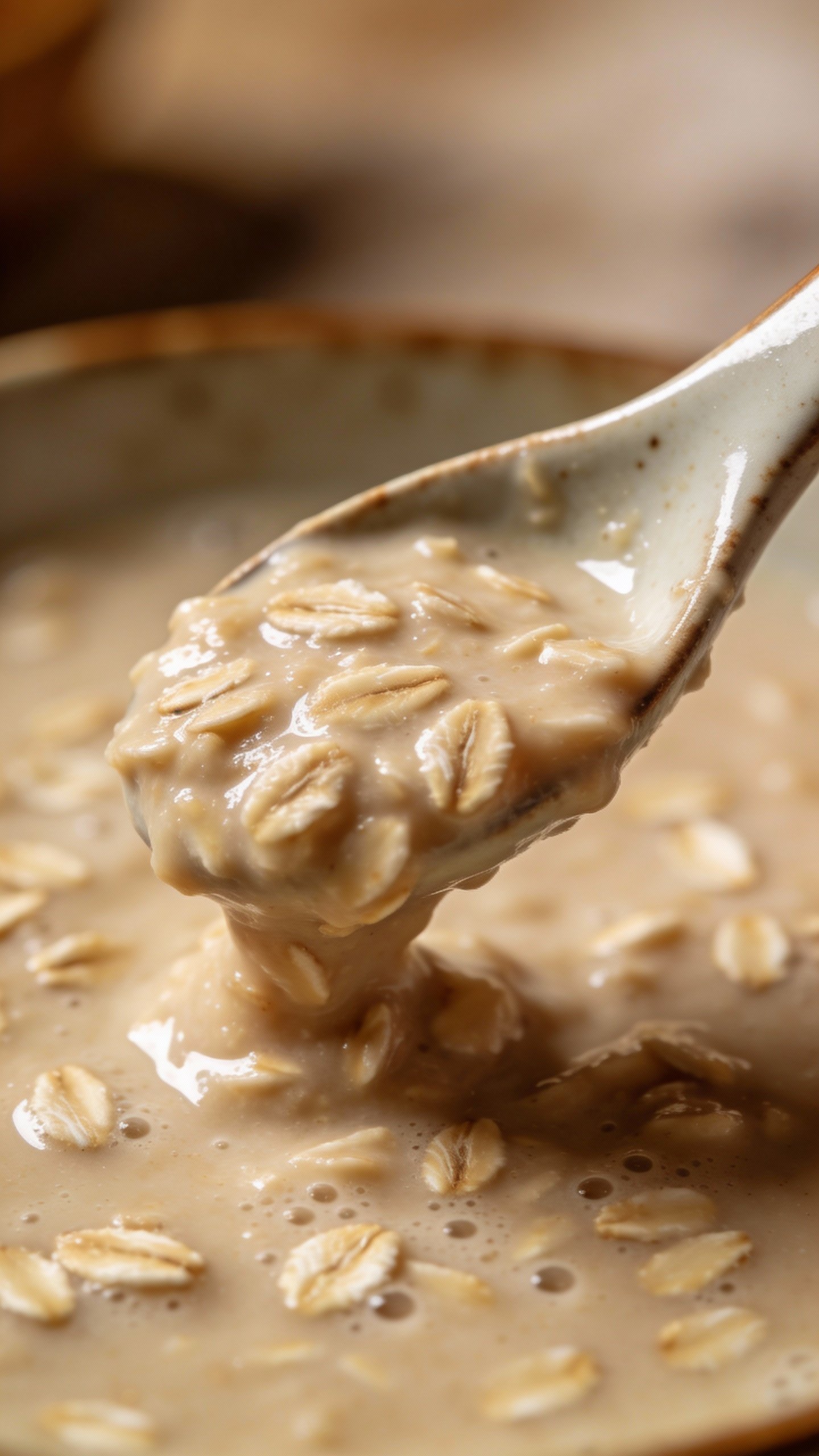
Flakes love to cling. But if you scrub too hard, your barrier will file a complaint. Exfoliate once or twice a week—max.
Recipe: Oat + Honey Micro-Scrub
- 1 tbsp finely ground oats
- 1 tsp honey
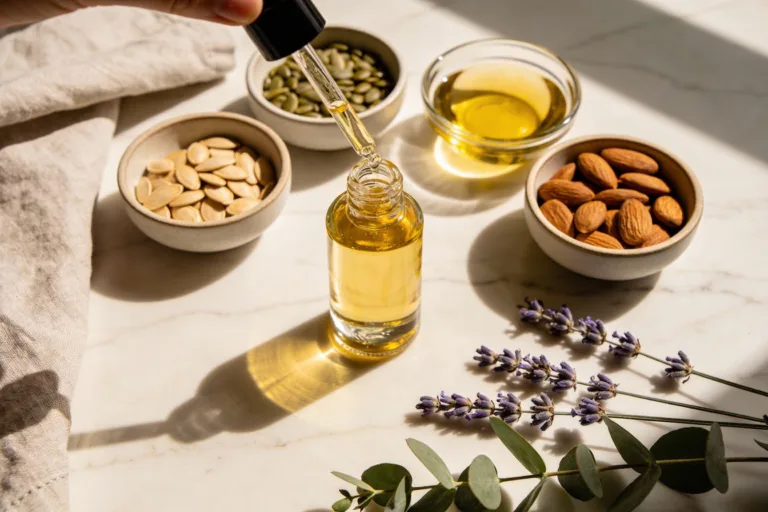
- 1 tsp jojoba oil or sweet almond oil
Instructions:
- Blend into a soft paste.
- Massage very gently for 20–30 seconds.
- Rinse with lukewarm water.
Why it works: Oats soothe, honey humectifies, and jojoba mimics skin’s natural oils. FYI, no big sugar crystals here—you’ll just scratch your face.
Gentle Chemical Option: Milk Toning Pads
Soak cotton rounds in full-fat milk, store in the fridge for up to 2 days, and swipe on clean skin. Lactic acid = mild exfoliation + softness. Don’t use near the eyes.
Hydrate First, Then Seal It In
This is where dry skin turns the corner. Layer water-based hydration, then trap it with oils and butters.
Recipe: Simple Hydrating Mist
- 3 tbsp aloe vera gel (store-bought, minimal additives)
- 3 tbsp distilled water
- 1/8 tsp glycerin (optional but amazing)
Instructions:
- Whisk and pour into a spray bottle.
- Mist onto clean skin. While skin feels damp, move to your serum or oil.
Note: Aloe can irritate some folks—patch test. If sensitive, use plain distilled water + a tiny bit of glycerin.
Recipe: Barrier-Loving Honey Serum
Not sticky, I promise—if you keep it light.
- 1 tsp honey
- 1 tbsp aloe vera gel
- 2–3 drops jojoba oil
Mix, apply a thin layer to damp skin. Follow with moisturizer or balm. Hydration + emollients + occlusion in one.

DIY Moisturizers and Balms
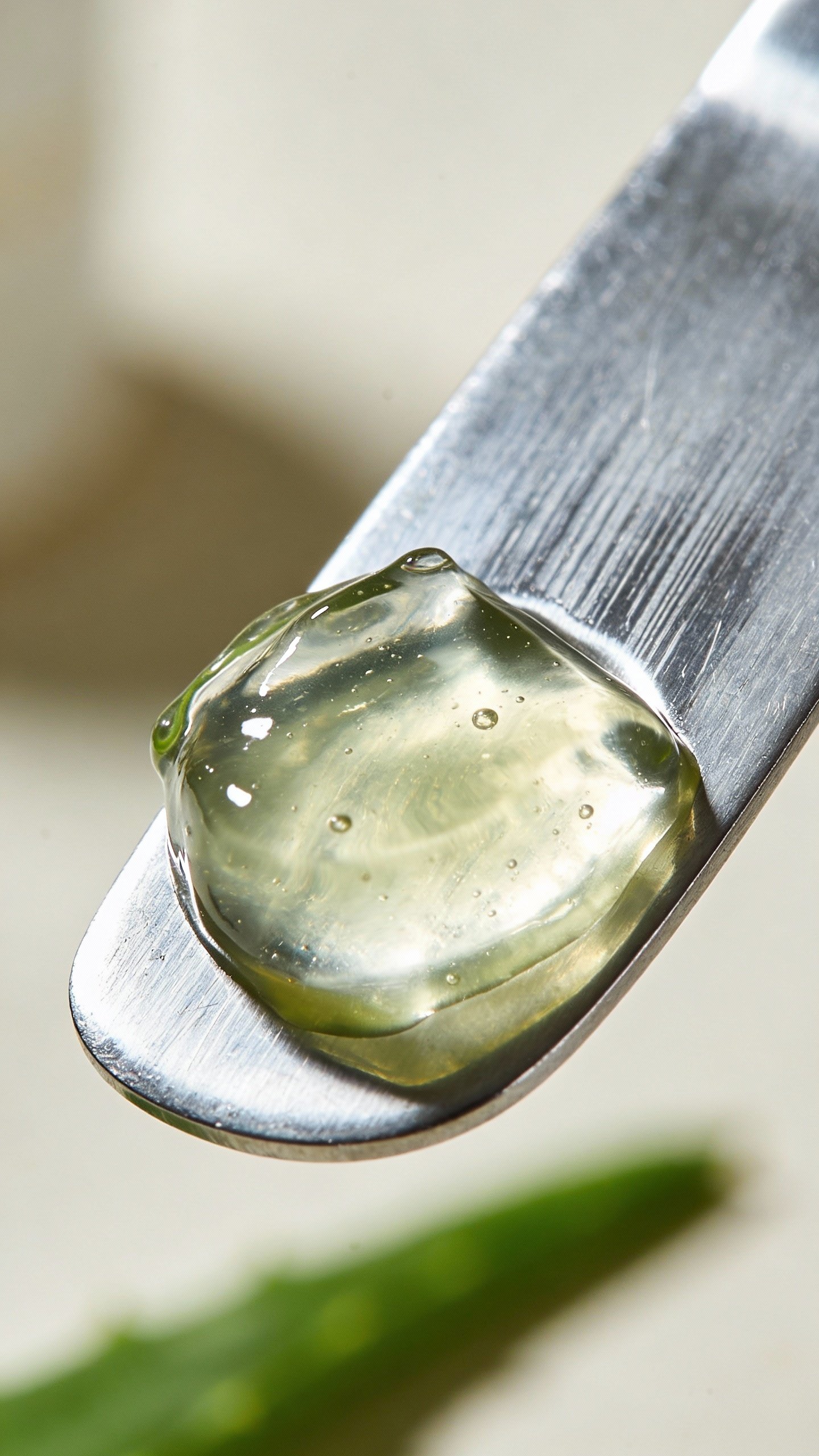
You want something that sits on the skin and locks in moisture without clogging. We’ll make two options: a daily cream and a nighttime balm.
Daily Option: Light Oat Cream
This is a no-emulsifier hack, so it separates slightly—shake before use and make tiny batches.
- 2 tbsp aloe vera gel
- 1 tbsp oat milk or distilled water
- 1 tsp jojoba oil
- 1/2 tsp glycerin
- 1/8 tsp vitamin E oil (optional antioxidant)
Blend until smooth. Use morning and night on damp skin. Store in the fridge for up to 4 days.
Night Option: 3-Ingredient Barrier Balm
This one’s clutch when your face feels like the Sahara.
- 1 tbsp shea butter
- 1 tsp jojoba oil
- 1/4 tsp beeswax pellets (optional for extra occlusion)
Instructions:
- Melt shea and beeswax in a heat-safe bowl over hot water. Remove from heat.
- Stir in jojoba. Let cool until semi-solid, then whip with a fork.
- Apply a pea-sized amount as the last step at night.
Tip: If you’re acne-prone, skip beeswax and go lighter with jojoba-only on damp skin. IMO that’s the sweet spot.
Targeted TLC: Lips, Patches, and Flare-Ups
Some areas need extra love. You don’t need ten products—just smart tweaks.
Quick Lip Rescue
- Mix 1/2 tsp honey + 1/2 tsp olive oil.
- Apply, leave 10 minutes, wipe gently, then seal with a thin layer of shea butter.
Flaky Patches
- Press a warm, damp cloth on the area for 60 seconds.
- Apply a dab of honey for 5–10 minutes.
- Rinse and seal with balm.
Red, Angry Skin
- Brew a strong chamomile tea, cool it, and use as a compress.
- Follow with your balm. Skip exfoliation for a few days.
Allergy note: If you’re sensitive to ragweed, skip chamomile.
Build a Simple Routine (That You’ll Actually Do)
Consistency beats complexity. Here’s a realistic plan.
Morning
- Rinse with water or the Creamy Oat Cleanser.
- Hydrating Mist or Honey Serum on damp skin.
- Light Oat Cream.
- Sunscreen (store-bought). Homemade SPF isn’t reliable—don’t mess with UV.
Night
- Cleanse (double cleanse if wearing sunscreen/makeup).
- Hydrating Mist.
- Light Oat Cream.
- Barrier Balm (pea-size) on cheeks or flaky zones.
Weekly
- Exfoliate once or twice max.
- Use chamomile compress during flare-ups.
Lifestyle boosters: Run a humidifier, keep showers warm not hot, and apply skincare within 1–2 minutes after washing to trap moisture.
FAQs
Can I use coconut oil on my face for dryness?
You can, but I wouldn’t recommend it for most faces. Coconut oil can feel heavy and may clog pores for some skin types. Jojoba or squalane offers lighter, more skin-friendly moisture with fewer breakouts.
How do I store homemade skincare safely?
If water or aloe is in it, keep it in the fridge and use within 3–7 days. Oil-only balms last longer—about 1–3 months—if you store them in a cool, dry place and keep fingers clean. When in doubt, make smaller batches.
What if my skin stings with aloe or honey?
Stop and rinse. Some people react to aloe (shocking, I know). Use plain distilled water + glycerin for hydration, and swap honey for a little extra jojoba oil. Patch testing saves tears—literally.
Can I fix dry, flaky skin without exfoliating?
Yes, but it helps to exfoliate gently. If you skip it, flakes can block moisturizers from sinking in. Try a mild lactic option (like milk) once a week. If your skin says “nope,” focus on hydration and barrier balm only.
How long until I see results?
You’ll likely feel softer after one routine. Visible flake reduction can take 3–7 days with consistent hydration and sealing. If flakes and redness persist for weeks, consider seeing a dermatologist—eczema, seborrheic dermatitis, or psoriasis might be gate-crashing.
Is it okay to use essential oils for scent?
I’d skip them for the face, especially with dryness. They can irritate and make flakes worse. If you must, keep it to body products at ultra-low dilutions—face products deserve the fragrance-free VIP treatment, FYI.
Conclusion
Dry, flaky skin doesn’t need complicated potions—just smart layers and gentle ingredients. Cleanse softly, hydrate generously, and lock it all in with a balm. Keep your routine simple, your batches small, and your water lukewarm. Do that, and your skin will go from “sandpaper” to “silk pillowcase” faster than you can say oat milk latte.