How to Create Fragrance-Free Diy Skincare That Works
You love skincare, but your nose and your skin hate perfume? Same. Fragrance-free DIY skincare gives you control, saves cash, and keeps your face from roasting like a tomato. You don’t need a lab or fancy degrees either—just a few smart choices and clean tools. Let’s build a calm, effective routine that won’t wage war on your barrier.
Why Go Fragrance-Free (and What That Actually Means)
Fragrance isn’t just perfume. It includes essential oils, “aroma,” botanical extracts, and even “unscented” products that sneak in masking fragrances. Sneaky, right? These can irritate skin, trigger headaches, and mess with sensitive noses.
Fragrance-free means you skip all added scent compounds—natural or synthetic. Unscented often means they added something to hide smells. Big difference. And FYI, sensitive skin, acne-prone skin, and compromised barriers usually feel better without fragrances.
Overeating doesn’t mean something is wrong with you. It means your system needs a reset.
If cravings keep pulling you off track, this helps you regain control without restriction. You’ll learn simple, realistic steps to stop overeating and feel satisfied again.
The Golden Rules of DIY Skincare
If you take one thing from this article, take this section. It saves faces.
- Keep it simple: Fewer ingredients = fewer chances to irritate.
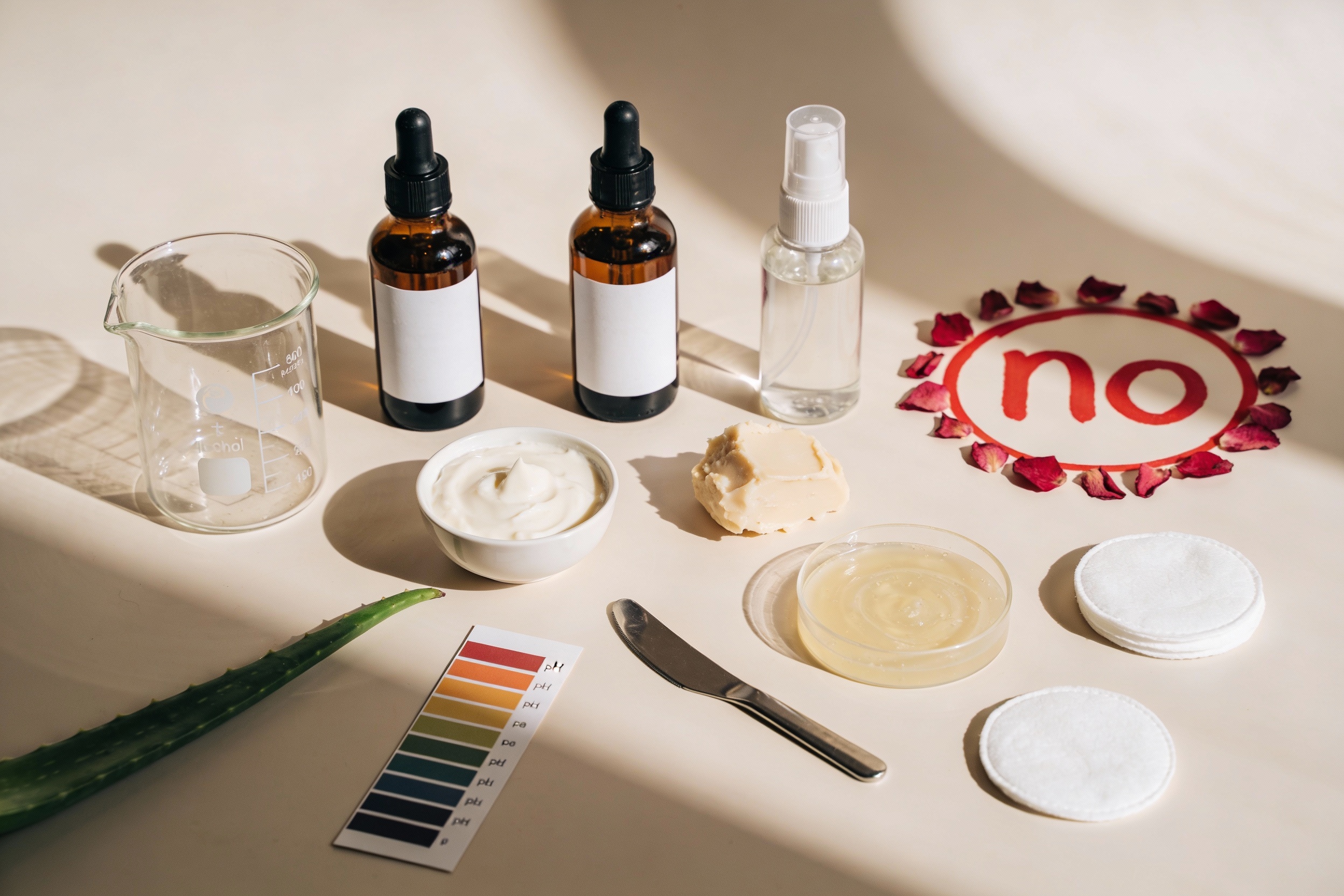
- Use clean tools: Wash hands, disinfect containers, and use fresh spoons/spatulas. Bacteria love warm, creamy mixtures.
- Mind the shelf life: Water-based formulas need a preservative. Oil-only products last longer but still oxidize.
- Patch test everything: Jawline or inner arm, 24–48 hours. Because surprises belong in birthday parties, not on your cheeks.
- Stick to skin-friendly pH: For water-based formulas, aim for pH 4.5–5.5 when possible.
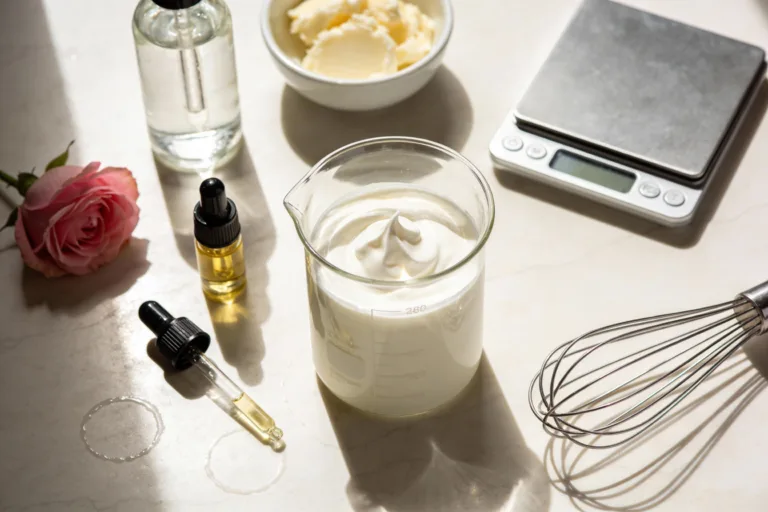
Tools You Actually Need
- Digital scale (accurate to 0.01 g) or measuring spoons (less precise but fine for beginner recipes)
- pH strips or a pH meter (helpful, not mandatory for all recipes)
- Clean glass jars and dropper bottles (amber or cobalt helps protect from light)
- Mini whisk or milk frother for mixing
- 70% isopropyl alcohol for sanitizing
Ingredient All-Stars (No Scents, Just Sense)
Let’s stock a fragrance-free pantry. Everything below plays nice with sensitive skin when used correctly.
- Humectants: Glycerin, propanediol, sodium hyaluronate. They pull water into skin and keep you dewy, not sticky—if you don’t overdo it.
- Barrier boosters: Niacinamide, panthenol (vitamin B5), colloidal oatmeal, ceramide serums (pre-made), squalane.
- Oils and butters: Squalane (lightweight), jojoba (skin-mimicking), meadowfoam, shea butter (for drier skin). Choose refined versions to avoid natural scents and reduce allergen load.
- Acids (gentle lane): Lactic acid, mandelic acid, PHAs. Great for smoothness when used sparingly and at sensible strengths.
- Preservatives for water-based DIY: Liquid Germall Plus, Geogard ECT, or Leucidal Complete. Follow supplier usage rates. Yes, you need them in water formulas. No, vitamin E isn’t a preservative.
Ingredients to Skip (IMO, Not Worth the Drama)
- Essential oils and fragrance oils (yes, even “lavender for calming”—skin doesn’t care about vibes)
- Lemon juice, baking soda, straight apple cider vinegar (harsh pH swings = barrier chaos)
- Raw DIY sunscreen (cannot DIY SPF safely—please don’t)
- Fresh food in jars (masks with banana or yogurt spoil fast—cute for TikTok, not great for faces)
Beginner-Friendly Fragrance-Free Recipes
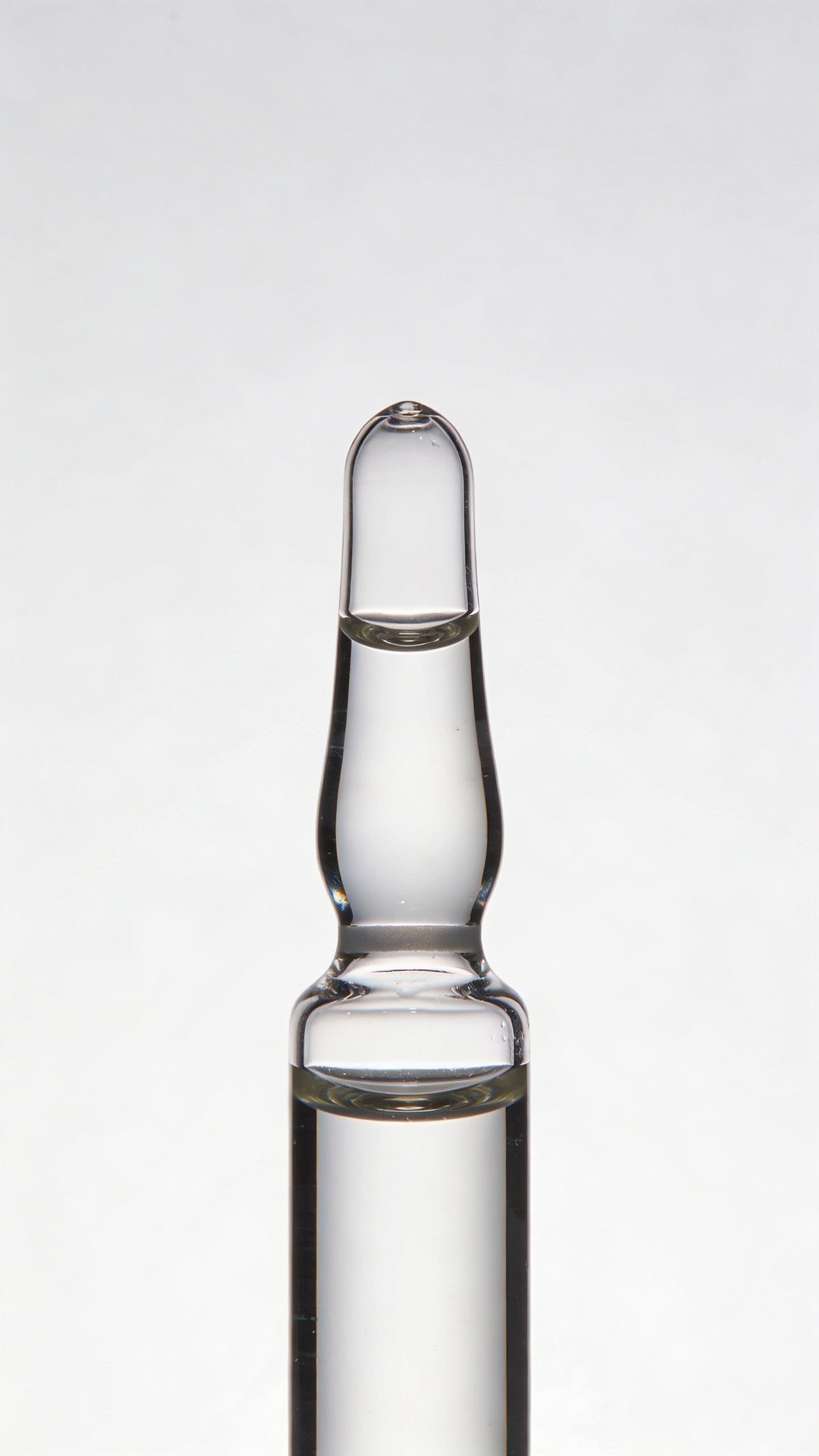
We’re keeping these short, sweet, and effective. No lab coat required.
1) Hydrating Glycerin Mist (Water-Based)
What it does: Adds quick hydration under moisturizer or throughout the day.
You’ll need:
- Distilled water: 95%
- Glycerin or propanediol: 3–4%
- Panthenol: 1%
- Preservative (per supplier rate): ~0.5–1%
How-to: Sanitize tools. Mix everything in a spray bottle. Check pH (~5). Shake before use. Use within 3 months.
2) Minimalist Squalane Serum (Anhydrous)
What it does: Lightweight moisture that won’t clog most pores.
You’ll need: 100% squalane in a dropper bottle.
How-to: Add 2–3 drops to damp skin after water-based steps. That’s it. Chef’s kiss.
3) Oat Milk Gel Moisturizer (Soothing, Water-Based)
What it does: Calms redness and supports barrier.
You’ll need:
- Distilled water: 83%
- Glycerin: 3%
- Colloidal oatmeal: 1–2%
- Niacinamide: 3–4%
- Panthenol: 1%
- Carbomer or a pre-made natural gelling agent: per supplier %
- Neutralizer (like sodium hydroxide solution or arginine): per instructions
- Preservative: per supplier %
How-to: Hydrate your gelling agent in water, add humectants and actives, neutralize to form a gel, check pH (~5–6), then add preservative. Store in a pump bottle. Patch test first—niacinamide can tingle.
4) Barrier Balm Stick (Oil-Only, Great for Dry Spots)
What it does: Occlusive layer to seal in hydration (not a full moisturizer).
You’ll need:
- Jojoba or meadowfoam oil: 70%
- Squalane: 20%
- Beeswax or candelilla wax (vegan): 10%
- Optional: 0.5% vitamin E (antioxidant)
How-to: Melt oils and wax, stir in vitamin E off heat, pour into a stick container. Cool. Use on cheeks, around nose, or lips. Not ideal for acne-prone areas—test first.
Make It a Routine (Simple, Calm, Effective)
You don’t need a 12-step saga. Keep it boring and consistent. Boring skin is happy skin.
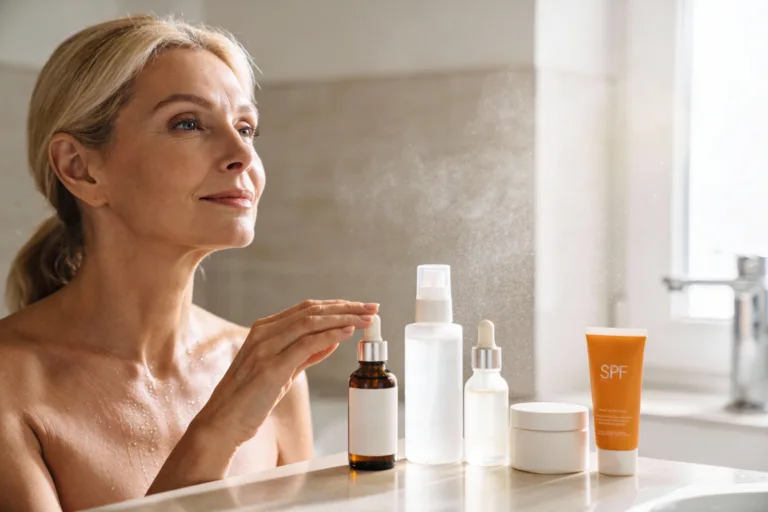
- AM: Gentle cleanse (or just water if not oily), hydrating mist/serum, lightweight moisturizer, broad-spectrum sunscreen.
- PM: Cleanse, hydrating serum, moisturizer or balm. Add actives (like gentle acids) 2–3 nights a week max.
- Weekly: Optional mild exfoliation (lactic or mandelic at low %). Skip if you’re irritated.
How to Patch Test Like a Pro
Apply a pea-sized amount to your jawline or behind your ear nightly for 3 nights. If you see redness, burning, or bumps, stop. Give your skin a week to calm down before trying again. Yes, it’s annoying. Yes, it saves your face.

Preservation and Safety: Don’t Skip This
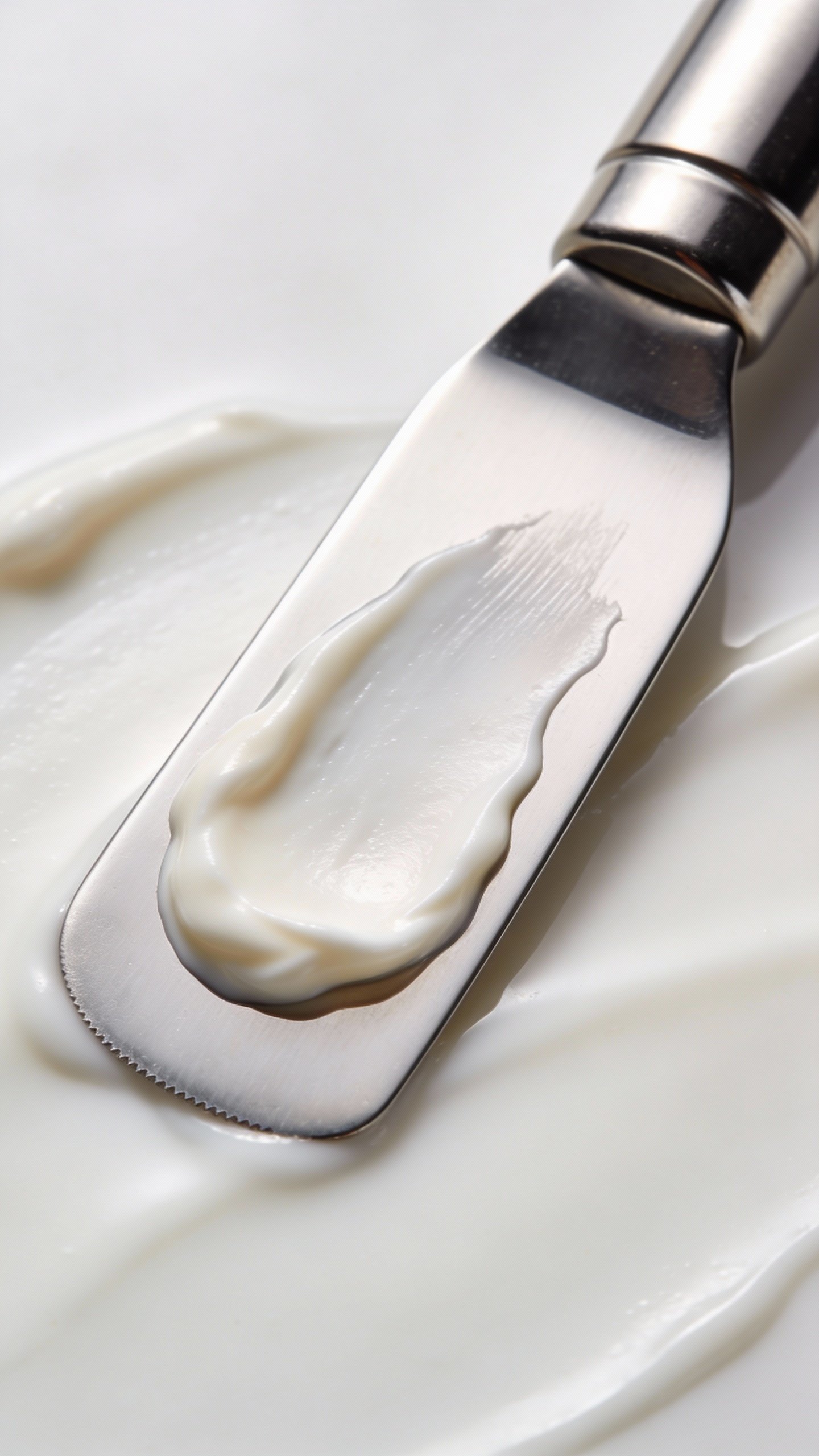
Water means microbes. Microbes mean breakouts, rashes, and funky smells. We don’t want petri dish energy on our faces.
- Use preservatives in any water-based formula. Choose one suited to your pH and follow usage rates exactly.
- Label your bottles with formula, date, and preservative used. Future you will thank you.
- Store cool and dark. Heat and light break stuff down.
- Watch for changes: Color shift, separation, odd smell? Toss it.
When to Buy Instead of DIY
If a product needs tested SPF claims, complex emulsifiers, or clinical-strength actives (like prescription retinoids), buy it. DIY shines for simple hydrators and balms. For the rest, let cosmetic chemists do their magic.
Troubleshooting: If Your Skin Freaks Out
Redness, bumps, or stinging? Pause everything except a bland routine.
- Strip it back: Gentle cleanser + squalane or a simple moisturizer.
- Skip acids and niacinamide for a week. Yes, even the “soothing” ones can annoy inflamed skin.
- Reintroduce slowly: One formula at a time, every 3–4 days.
- If symptoms persist, talk to a dermatologist. DIY is great; medical advice is greater.
FAQ
Is fragrance-free the same as essential-oil-free?
Nope. Essential oils count as fragrance and can irritate skin. If you want fragrance-free, skip essential oils, fragrance oils, and products labeled “aroma.” Even “natural” scents can cause reactions.
Do I really need a preservative if I refrigerate my product?
Yes. Refrigeration slows microbes but doesn’t stop them. If your formula contains water, add a proper broad-spectrum preservative. Oil-only balms don’t need one, but they still benefit from antioxidants like vitamin E.
Can I make my own sunscreen?
Hard no. You can’t evenly disperse UV filters at home or verify SPF. Use a tested, broad-spectrum sunscreen from a reputable brand. Then DIY the rest of your routine happily and safely.
Why does my glycerin mist feel sticky?
You used too much glycerin or the air’s super dry. Keep glycerin at 3–4% or swap part of it for propanediol. Always layer a light moisturizer on top to seal that hydration and reduce tackiness.
What if niacinamide pills from the pharmacy are cheaper—can I use those?
Don’t. Tablets include binders and fillers that don’t belong on skin. Buy cosmetic-grade niacinamide powder. It dissolves better and plays nice in formulas.
How long do DIY products last?
General guide: water-based products with preservatives last 2–3 months if kept clean and cool. Oil-only balms last 6–12 months, but toss them if they smell off or feel grainy. Always label your batch date.
Conclusion
Fragrance-free DIY skincare isn’t fancy—it’s smart. You choose the ingredients, protect your barrier, and skip the scent-induced drama. Start simple, keep it clean, and listen to your skin. IMO, that’s the glow-up that actually lasts.