Glow Up Fast How to Make Diy Skincare for Acne-Prone Skin
Acne-prone skin can feel like a full-time job you never applied for. You try one thing, it freaks out. You try another, it ghosted your pores. The good news? DIY skincare can help—if you do it smart. Let’s keep it simple, safe, and actually effective, so your skin doesn’t file a complaint.
Know Your Breakouts Before You Mix Anything
You can’t fix what you don’t understand. Are you dealing with angry red pimples, stubborn blackheads, or painful cysts? Each type needs a slightly different approach.
Quick breakdown:
Overeating doesn’t mean something is wrong with you. It means your system needs a reset.
If cravings keep pulling you off track, this helps you regain control without restriction. You’ll learn simple, realistic steps to stop overeating and feel satisfied again.
- Whiteheads/blackheads: Congestion and excess oil. You’ll want gentle exfoliation and oil balance.
- Inflamed pimples: Red, sore, sometimes pustules. Think calming, antibacterial, and non-stripping.
- Cystic acne: Deep, painful, hormonal. DIY can help support skin, but you’ll likely need pro help too—FYI.
Red flags to stop DIY
If your skin burns, peels aggressively, or looks worse for more than a week, pause. Also skip DIY on open wounds or if you use prescription actives (ask your derm first). Your face is not a chemistry lab, IMO.
Build a Simple, Acne-Safe Routine
You don’t need 12 steps or unicorn tears. Stick to cleanse, treat, moisturize, and protect. Consistency beats fancy every time.
Basic daily framework:
- Cleanse (AM/PM): Gentle, low-foam cleanser to remove oil and sweat without stripping.
- Treat (PM): One leave-on active at a time. Rotate to avoid irritation.
- Moisturize (AM/PM): Lightweight, non-comedogenic hydration to support your barrier.
- Sun protection (AM): Mineral sunscreen if possible. Yes, even if you’re inside.
Patch test every single thing
Apply a tiny amount behind your ear or on your jawline for 24-48 hours. No reaction? Proceed. It’s boring, but so is getting a rash.
DIY Cleansers That Don’t Wreck Your Barrier
Cleansers should be gentle. Avoid harsh scrubs (sugar, salt, ground nuts—no thanks). You want clean, not squeaky.
Green Tea + Honey Cleanser
Why it works: Green tea calms redness; honey offers mild antibacterial benefits and draws in moisture.
- Brew strong green tea, let it cool.
- Mix 1 tablespoon raw honey with 1 tablespoon cooled tea.
- Massage on damp skin for 30-60 seconds, rinse with lukewarm water.
Pro tip: Honey feels sticky, but it rinses clean. Do this at night if your morning is chaos.
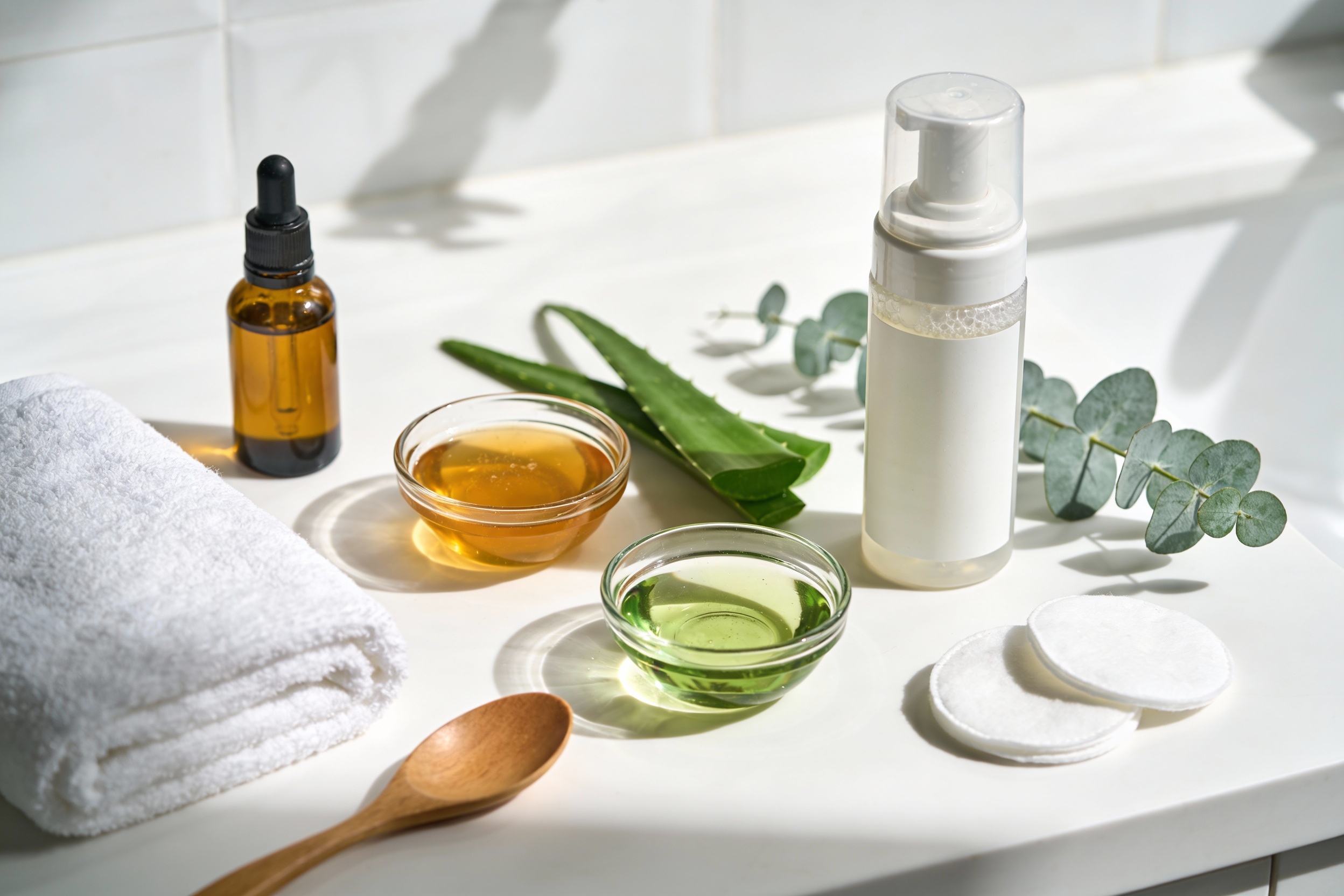
Aloe + Gentle Face Wash Boost
If you already have a bland, fragrance-free cleanser, boost it.
- Blend 1 pump cleanser with 1 teaspoon pure aloe vera gel (no dyes/fragrance).
- Cleanse as usual to calm irritation and keep skin comfy.
Leave-On Treatments That Actually Help
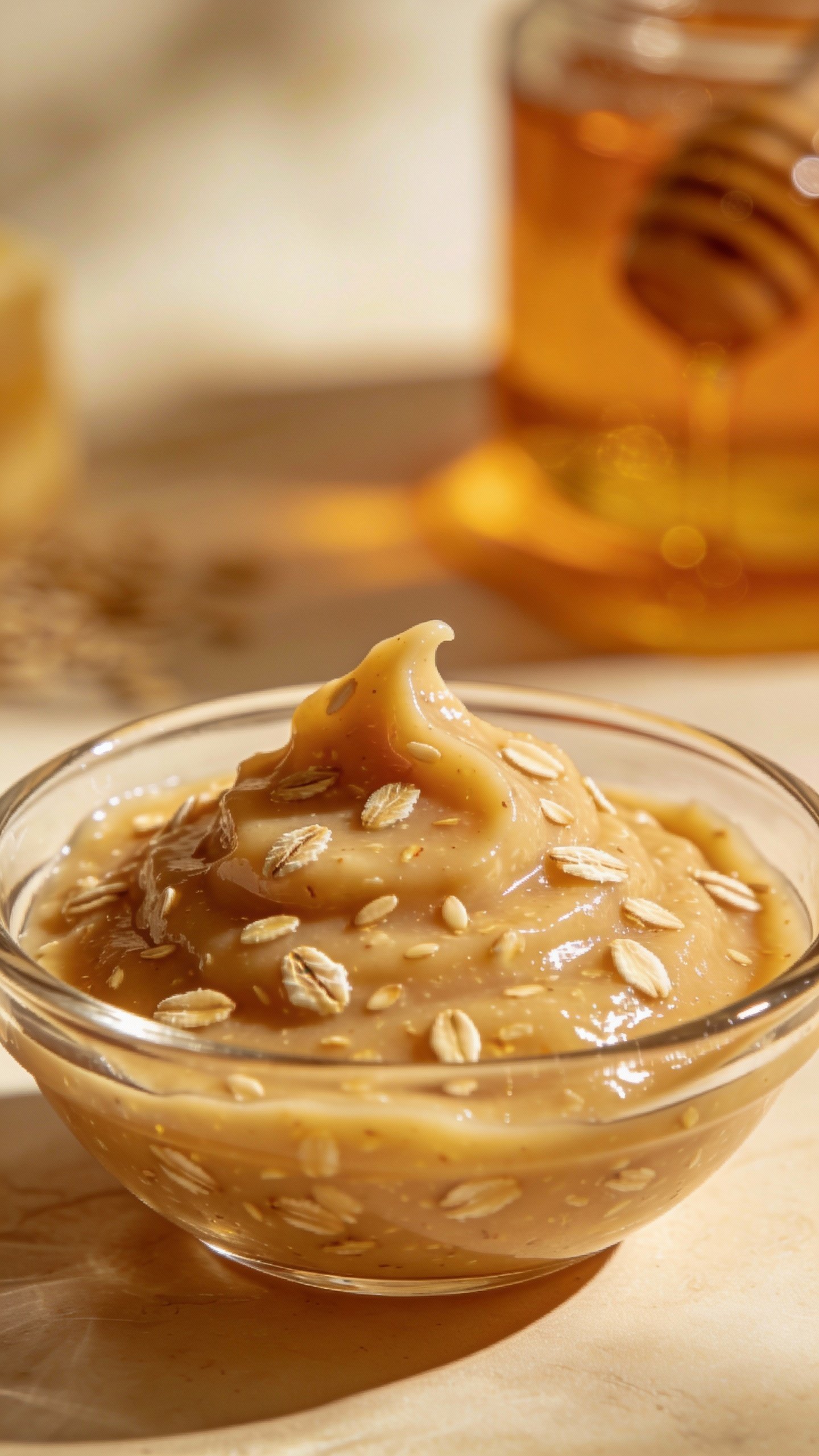
We love kitchen beauty, but leave-on treatments need caution. Some ingredients sound cute but wreck your barrier (looking at you, undiluted lemon juice). Stick to derm-approved DIY moves.
Niacinamide Toner (Low-Fuss, High-Payoff)
Why it works: Niacinamide helps balance oil, fade marks, and strengthen your barrier. It plays nice with most routines.
- Buy niacinamide powder designed for DIY skincare (cosmetic grade).
- Dissolve 5% niacinamide by weight in distilled water (e.g., 5g in 95g water).
- Add a pinch of xanthan gum if you want a gel texture (optional).
- Store in a clean pump bottle, use within 2-3 weeks, keep in the fridge.
Use: Apply a thin layer at night after cleansing. Start 3x/week, then go nightly.
Green Tea Antioxidant Mist
Why it works: Helps reduce redness and supports your skin’s defense.
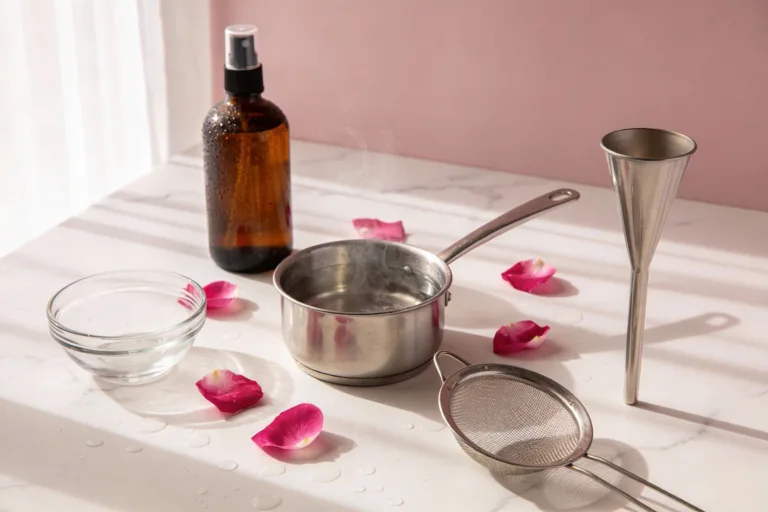
- Brew 1 cup green tea, cool fully.
- Add 1 teaspoon glycerin for hydration.
- Pour into a spray bottle and refrigerate; use within 5 days.
Use: Spritz after cleansing or during the day when you need calm vibes.
DIY Salicylic Acid Alternatives (Gentle)
If you can’t use salicylic acid or don’t have it, try willow bark extract (a natural source of salicylates).
- Mix a few drops of cosmetic-grade willow bark extract into aloe gel (follow supplier’s % guidelines).
- Spot treat congested areas 2-3 nights per week.
Note: Willow bark is milder than straight salicylic acid but can still irritate, so patch test.
Exfoliation Without the Regret
Over-exfoliation creates more breakouts—ironic, annoying, avoidable. Gentle and infrequent wins.
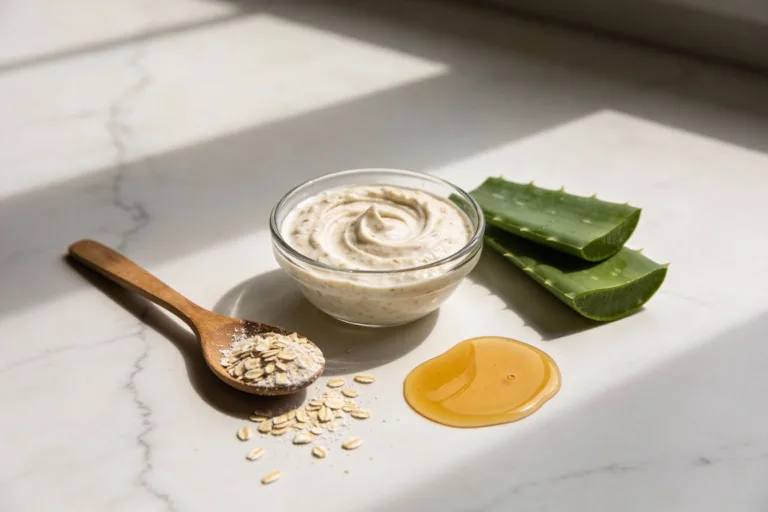
Yogurt + Oat Soothing Mask
Why it works: Lactic acid in yogurt gives a subtle chemical exfoliation; oats calm and soften.
- Blend 2 tablespoons plain unsweetened yogurt with 1 tablespoon finely ground oats.
- Apply for 10 minutes, then rinse.
- Use 1x/week to avoid irritation.
Enzyme Papaya Mask (Optional)
Why it works: Fruit enzymes gently loosen dead skin.
- Mash 2 tablespoons ripe papaya, add 1 teaspoon aloe gel.
- Leave on for 5-7 minutes max, then rinse well.
Skip if: Your skin stings easily or you’re using retinoids. No heroics.

Moisturizers and Oils That Won’t Suffocate Your Pores
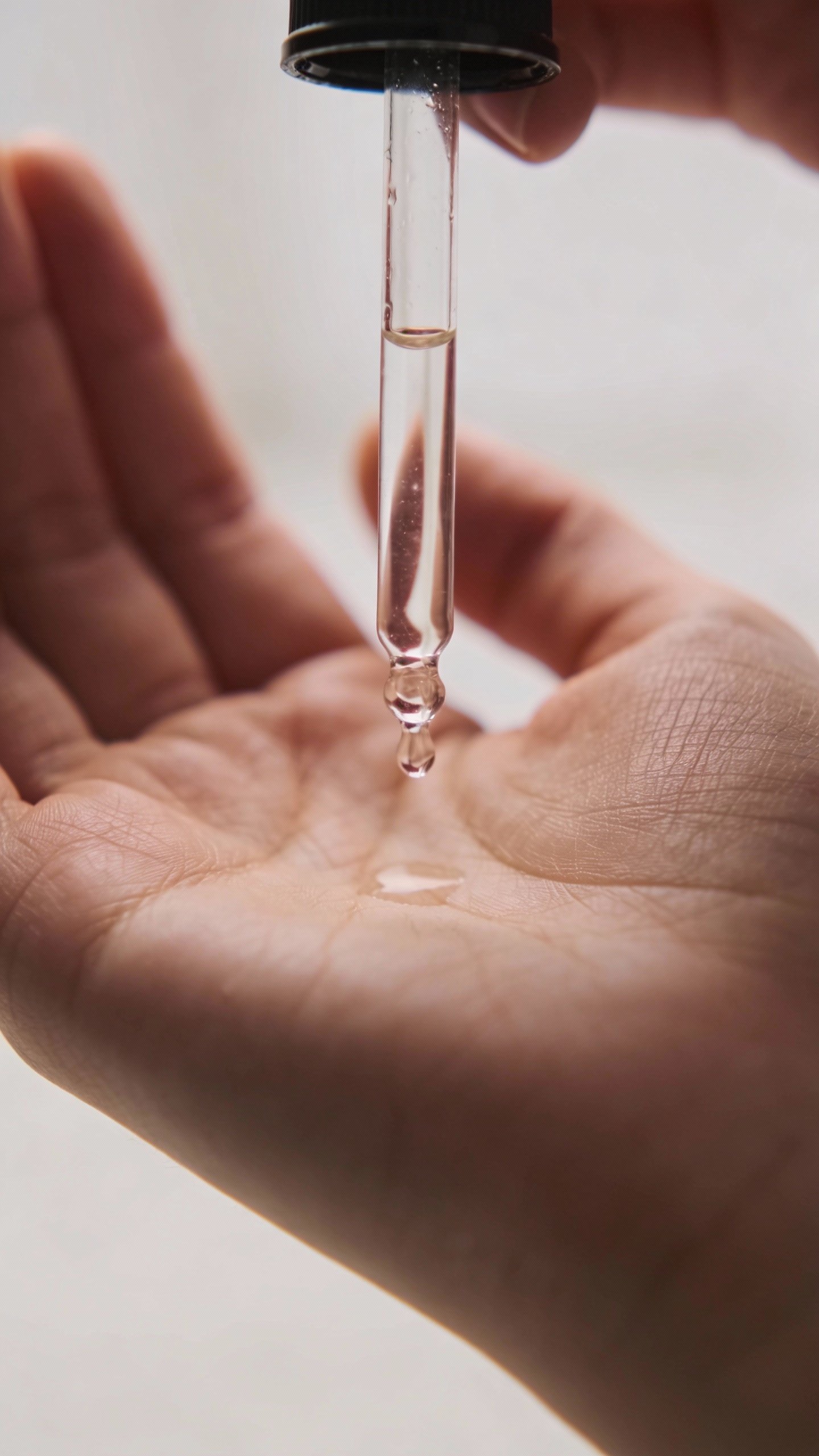
Acne-prone skin still needs moisture. Dehydrated skin produces more oil (love that for us). Choose light, non-comedogenic textures.
Aloe + Glycerin Gel Cream
- Mix 2 tablespoons pure aloe gel with 1 teaspoon glycerin and 1 teaspoon squalane oil.
- Whisk until smooth; store in the fridge for up to 1 week.
- Apply a pea-sized amount after treatments.
Why it works: Aloe soothes, glycerin hydrates, squalane seals without heaviness.
Oil Blotting Serum (Night-Only)
- Combine 2 teaspoons squalane with 1-2 drops tea tree oil (about 0.5% dilution).
- Use as a spot treatment—not all over—on active pimples.
Caveat: Essential oils can irritate. Keep dilutions low, use sparingly, and never near eyes. If your skin hates tea tree, skip it. Your face, your rules, IMO.
Spot Treatments That Don’t Backfire
When a zit invites itself to your party, keep it simple.
- Honey dab: A tiny dot of raw honey on a pimple for 20 minutes can calm redness.
- Aspirin paste: Crush one uncoated aspirin, mix with a drop of water, apply for 5-10 minutes, then rinse. Use sparingly and avoid if allergic to salicylates.
- Cold compress: Wrap an ice cube in a clean cloth and press on inflamed spots for 1-2 minutes to reduce swelling.
Hygiene Habits That Matter (More Than You Think)
No DIY recipe beats good habits. These small tweaks change everything.
- Wash pillowcases 2x/week. Oil and bacteria love fabric.
- Disinfect phone screens daily. Your cheek will thank you.
- Avoid heavy hair products. They migrate onto your face and clog pores.
- Hands off. Don’t pick—use a hydrocolloid pimple patch instead.
- Diet check: Some folks break out from high dairy or high-glycemic foods. Track and test—your mileage may vary.
When to Upgrade From DIY
DIY supports mild to moderate acne. If you see scarring, deep cysts, or breakouts that ignore your efforts, bring in the big guns.
Pro treatments to consider
- Adapalene or tretinoin: Speeds cell turnover and prevents clogs.
- Benzoyl peroxide: Kills acne-causing bacteria fast; start low (2.5%).
- Azelaic acid: Calms inflammation and fades PIH (post-acne marks).
- Hormonal help: If breakouts spike with your cycle, talk to a clinician.
FYI: You can pair pro actives with some DIY (like green tea and aloe), but patch test and keep it simple.
FAQ
Can I use lemon juice to fade dark spots?
Short answer: please don’t. Lemon juice has a harsh pH and can burn or sensitize your skin, especially in sunlight. Use niacinamide, azelaic acid, or a dermatologist-approved vitamin C instead.
How often should I exfoliate if I’m acne-prone?
Start once a week and see how your skin responds. If you’re not red, tight, or flaky, bump to twice a week max. More exfoliation does not mean clearer skin—just angrier skin.
Are essential oils safe for acne?
Sometimes, in tiny amounts. Tea tree can help spots, but many essential oils irritate and cause dermatitis. Keep dilutions low (under 1%), patch test, and never use them undiluted. If your skin throws a tantrum, stop.
Do DIY masks replace professional treatments?
They complement, not replace. DIY helps with oil control, mild inflammation, and maintenance. For recurring cysts, scarring, or widespread breakouts, professional actives or prescriptions work faster and better.
What water should I use in DIY formulas?
Use distilled or boiled-and-cooled water for anything that sits on your shelf. Tap water can introduce microbes. And store water-based DIY products in the fridge when possible, then remake every 1-3 weeks.
Will oil-free products fix my acne?
Not automatically. Some oils (like squalane or hemp seed) work great for acne-prone skin. Focus on non-comedogenic textures, light layers, and your skin’s actual response, not the label.
Conclusion
DIY skincare can absolutely help acne-prone skin—if you keep it gentle, clean, and consistent. Think calming cleansers, smart leave-ons, light moisturizers, and a couple of reliable spot treatments. Patch test, avoid harsh kitchen hacks, and listen to your skin like it’s the group chat’s voice of reason. And if DIY hits its limits? No shame in calling in the pros. Your skin’s goal is happy, not “homemade at any cost.”