Glow Reset How to Restore Moisture to Dehydrated Skin Naturally
Your face feels tight, dull, and weirdly flaky even though you slathered on moisturizer? Yeah, that’s not just dryness—it’s dehydration. Your skin isn’t lacking oil; it’s begging for water. The fix? You can absolutely restore moisture naturally with a few smart swaps and habits. Let’s revive that glow without turning your bathroom into a chemistry lab.
Spot the Difference: Dehydrated vs. Dry Skin
Dehydrated skin can look oily and shiny yet feel tight and rough. Confusing? Totally. That’s because dehydration is about water, not oil.
Overeating doesn’t mean something is wrong with you. It means your system needs a reset.
If cravings keep pulling you off track, this helps you regain control without restriction. You’ll learn simple, realistic steps to stop overeating and feel satisfied again.
Quick ways to tell
- Tight-feel + excess oil: Dehydrated skin tries to compensate by producing more sebum.
- Fine lines look worse: Water loss deepens them. Fun!
- Makeup pills or looks patchy: Dehydration makes texture uneven.
- After a wash, skin feels stretched: That’s your moisture barrier begging for help.
Hydrate From the Inside (Yes, It Actually Matters)
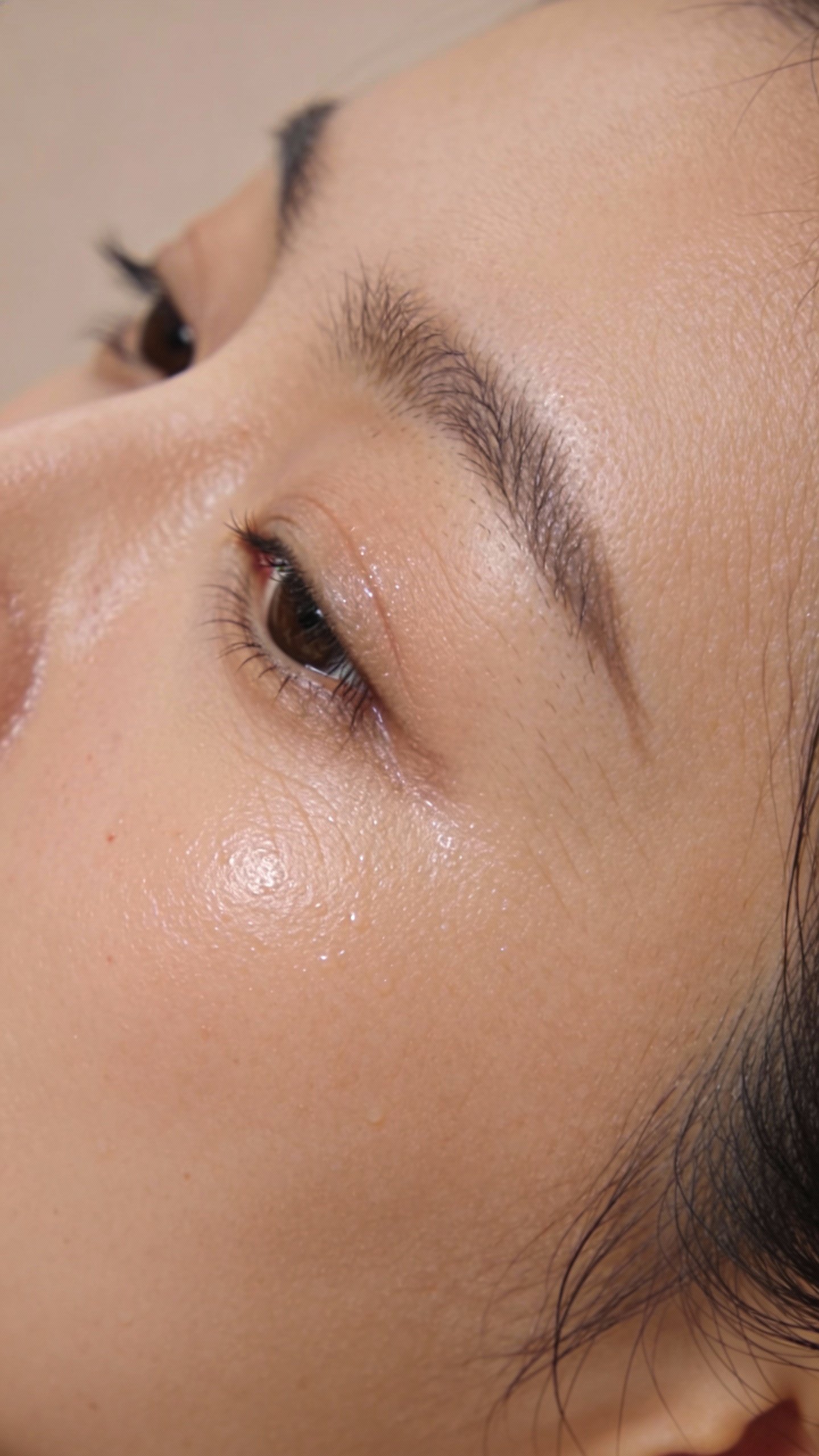
You can’t out-cream poor hydration. Water keeps your skin cells plump and functional. No, you don’t need to chug a gallon—just be consistent.
Simple, doable upgrades
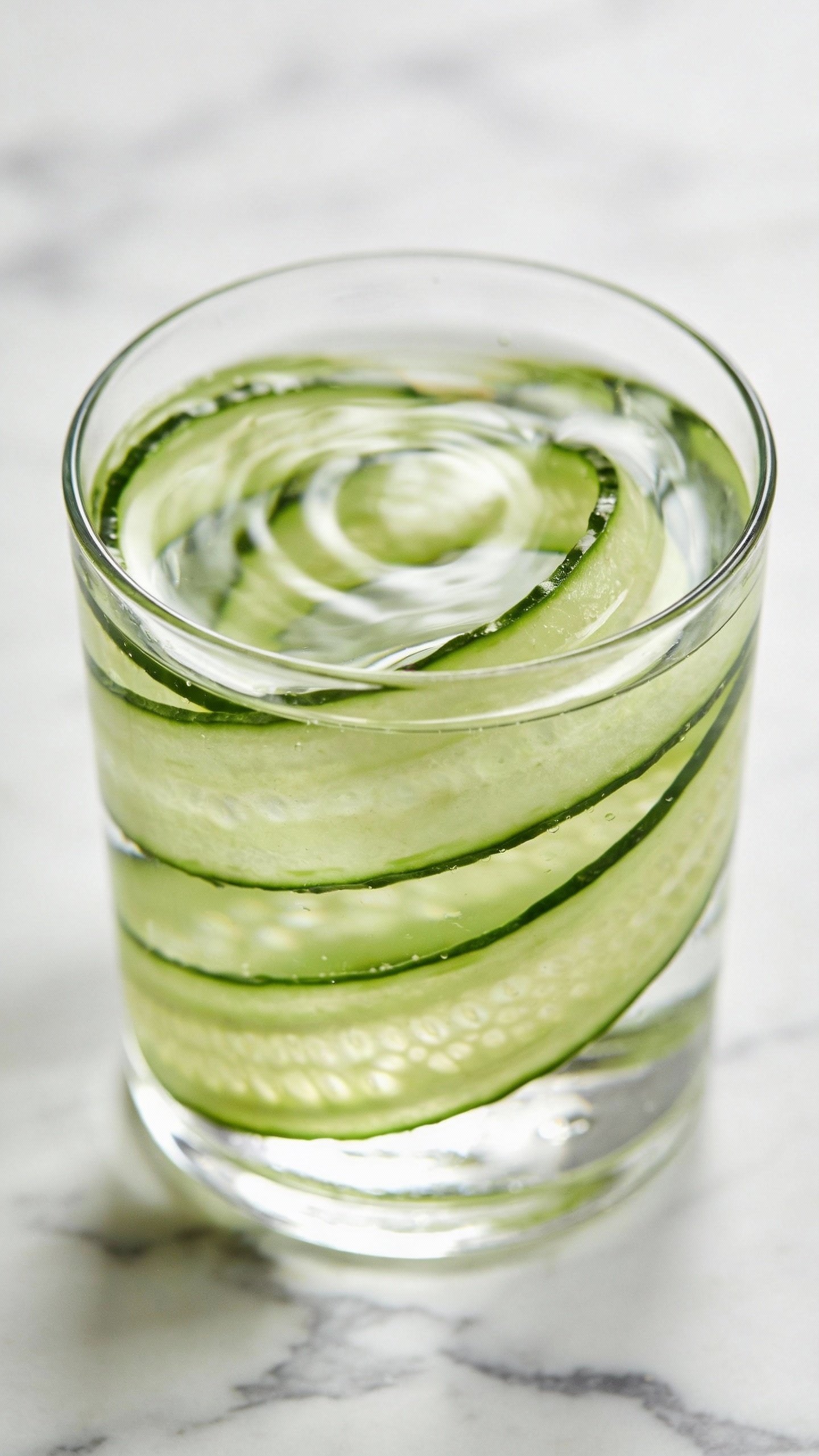
- Drink water steadily: Aim for a glass every few hours. Add lemon or cucumber if plain water bores you.
- Eat water-rich foods: Think cucumbers, berries, citrus, watermelon, and leafy greens.
- Up your electrolytes: A pinch of sea salt or coconut water helps your body actually use the water you drink.
- Include healthy fats: Avocado, olive oil, chia, and walnuts support your skin barrier from within.
Cleanse Gently or Watch Your Barrier Cry
Over-cleansing wrecks your moisture barrier. If your face feels squeaky-clean, that’s a red flag. You want soft, clean, and calm.
How to cleanse without stripping
- Use a low-foam, pH-balanced cleanser: Look for “gentle,” “hydrating,” or “cream” cleansers.
- Skip hot water: Use lukewarm. Hot water blasts your barrier like a blowtorch, IMO.
- Limit actives: If you exfoliate, do it 1–2 times a week max with lactic acid or a mild enzyme.
- Double cleanse smartly: Oil cleanse at night if you wear makeup or sunscreen, then follow with a gentle gel or milk.
Layer Hydration Like a Pro
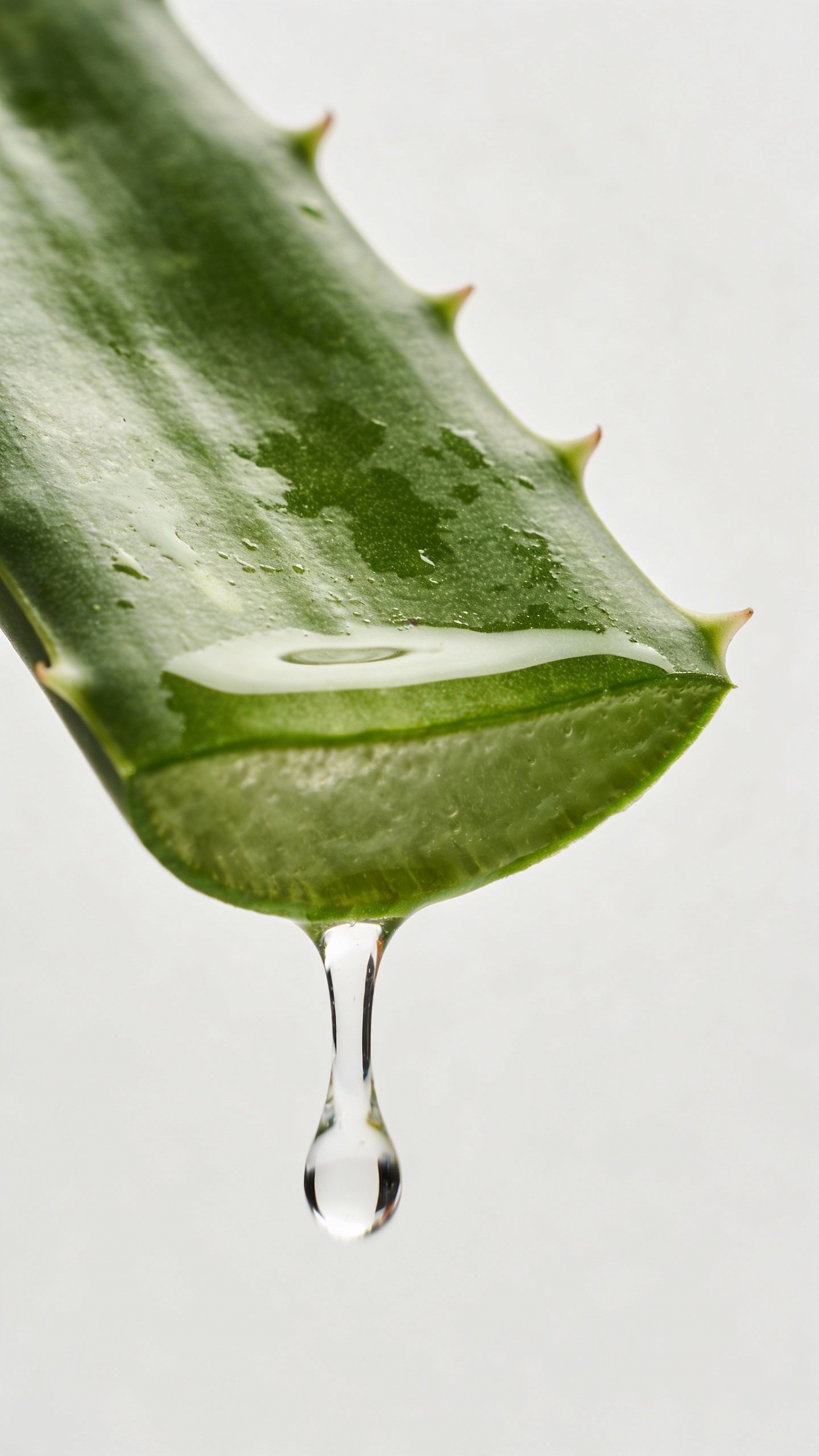
You want hydration trapped under moisture, not evaporating into thin air. Think: humectant + emollient + occlusive. It’s like a sandwich, but for your face.
The simple routine
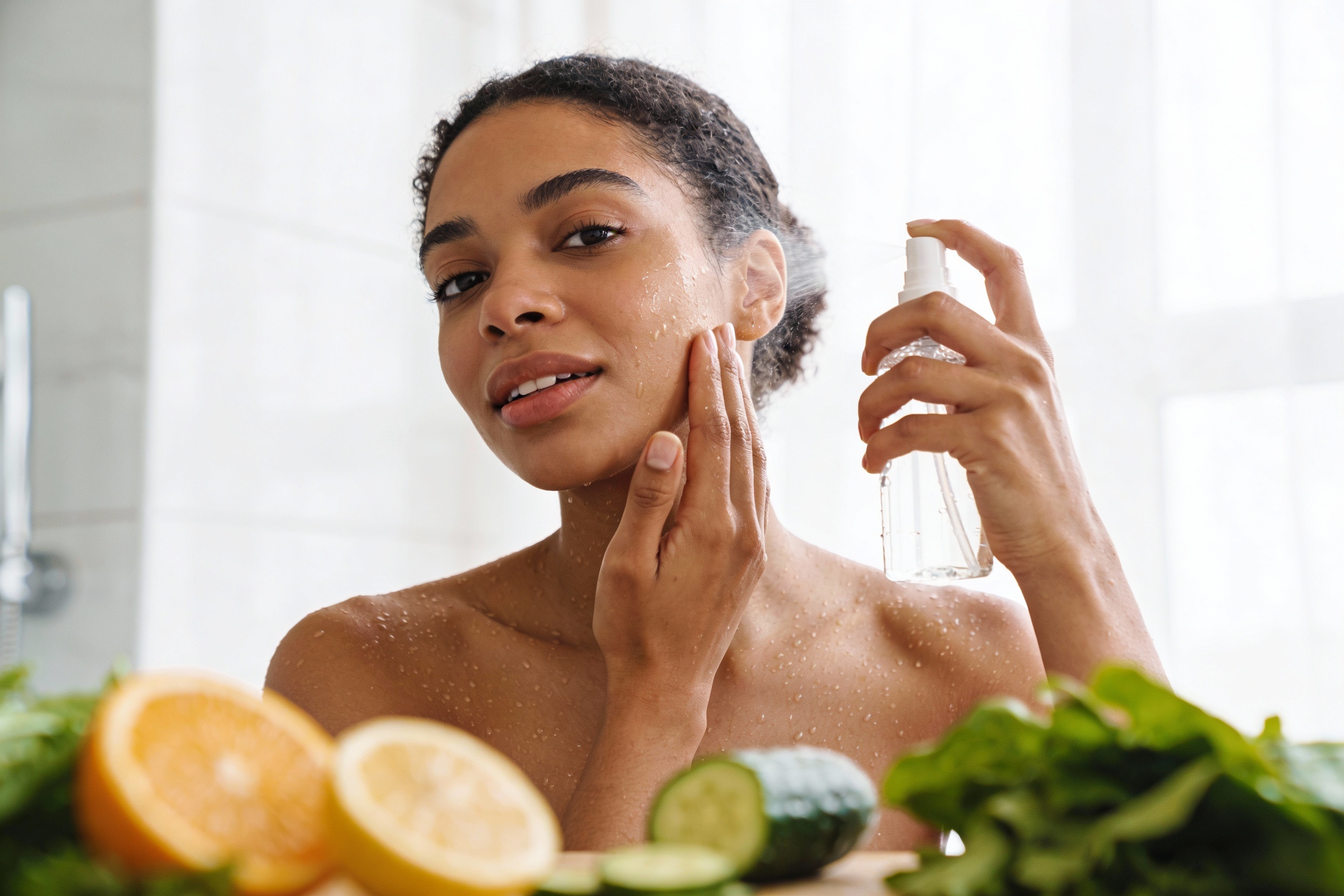
- Mist or dampen skin: Start on damp skin. Hydration ingredients need water to hold onto.
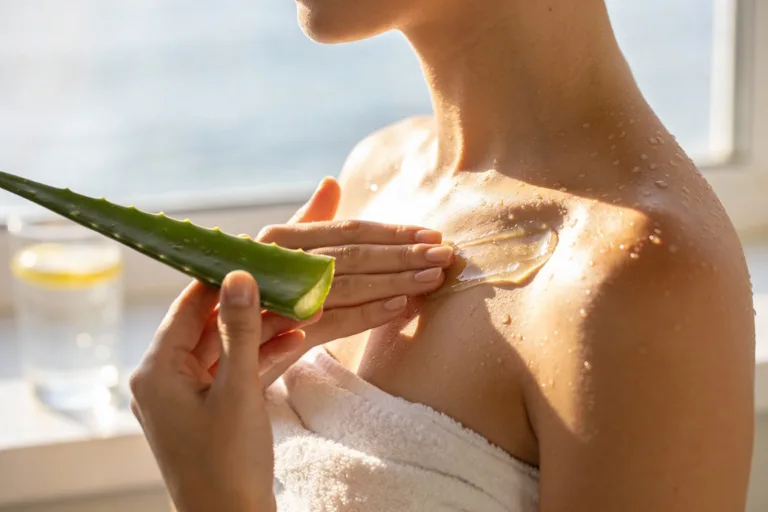
- Humectant serum: Use hyaluronic acid, glycerin, or aloe. They pull water into your skin.
- Seal with a moisturizer: Choose something with ceramides, squalane, sheabutter, or cholesterol.
- Optional occlusive at night: A thin layer of plant oils (like rosehip, jojoba, or marula) or a balm to lock it all in.
Ingredients your skin will love
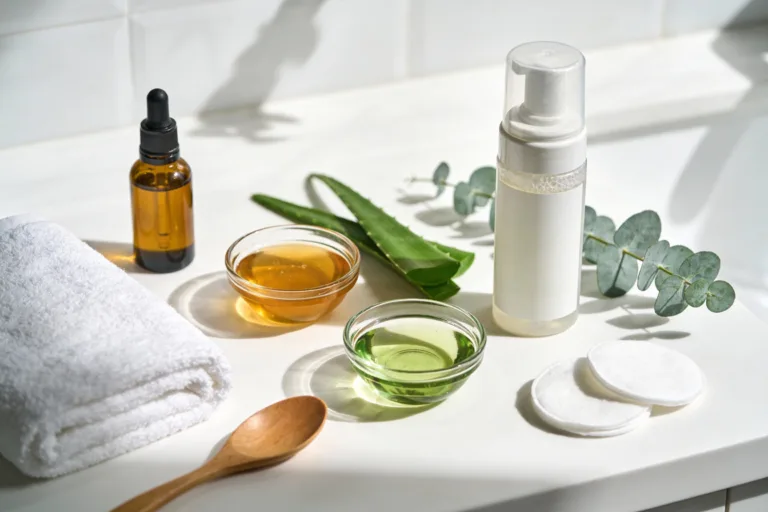
- Aloe vera gel: Hydrating and soothing—great under moisturizer.
- Honey: Natural humectant and mildly antibacterial. Use as a short mask for glow.
- Colloidal oatmeal: Calms inflammation and supports your barrier.
- Niacinamide (2–5%): Helps strengthen the barrier and reduce oiliness—a multitasker, FYI.
Use Oils Wisely (Don’t Drown Your Face)
Oils don’t hydrate—they seal hydration. Apply them after water-based products, not before. Otherwise, you just lubricate dryness. Cute, but not helpful.
Best oils for dehydrated skin
- Squalane: Lightweight and non-greasy. Great for beginners.
- Jojoba: Mimics natural sebum and plays well with most skin types.
- Rosehip: Adds antioxidants and supports texture over time.
- Argan: Nourishing without feeling heavy.

Fix Your Environment
Half of your skin drama comes from the air around you. If your home feels dry, your face feels drier.
Small changes = big results
- Humidifier: Run one at night, especially in winter or when blasting AC/heat.
- Shorter, cooler showers: Long hot showers dehydrate skin head to toe.
- Pat, don’t rub: Towel off gently and apply moisturizer while skin stays slightly damp.
- SPF daily: UV damage wrecks your barrier and hydration levels fast.
DIY Treatments That Actually Help
Not all kitchen concoctions deserve a spot on your face. But a few gentle options can work well.
3 easy at-home hydrators
- Honey mask (10–15 min): Smooth raw honey on damp skin, then rinse. Leaves a soft glow.
- Aloe + glycerin spritz: Mix aloe juice with a few drops of glycerin and water in a spray bottle. Lightly mist, then seal with cream. Don’t overdo glycerin or it can feel tacky.
- Oat soak: Put ground oats in a muslin bag or sock, swish in warm water, and gently press the liquid onto your face. Calm city.
Routines for Different Skin Types
You don’t need a 10-step routine. Keep it simple and consistent.
Oily but dehydrated
- AM: Gentle cleanse, hydrating serum, lightweight gel-cream, SPF.
- PM: Cleanse, niacinamide or aloe serum, light moisturizer, tiny bit of squalane if needed.
Dry and dehydrated
- AM: Rinse with water, hydrating serum, rich cream with ceramides, SPF.
- PM: Creamy cleanser, serum, thicker moisturizer, a few drops of oil or balm over top.
Sensitive and reactive
- AM/PM: Milk cleanser, minimal ingredients, aloe or centella serum, fragrance-free moisturizer, SPF.
- Skip: Strong acids, scrubs, essential oils on the face.
Habits That Quietly Sabotage Hydration
Let’s call out the sneaky culprits.
- Over-exfoliating: Your barrier can’t hold water if you thin it daily.
- Fragrance overload: Lovely scent, irritated face. Hard pass, IMO.
- Alcohol-heavy toners: They evaporate fast and take your moisture with them.
- Skipping SPF: UV breaks down skin lipids and collagen—dehydration’s best friend.
- Low humidity rooms: Use that humidifier. Your plants and skin will thank you.
FAQ
How long does it take to fix dehydrated skin?
You can see a difference in a few days if you hydrate and seal properly. For a fully calm, bouncy barrier, give it 2–4 weeks of consistent, gentle care. Think marathon, not sprint.
Can I use hyaluronic acid if I live in a dry climate?
Yes, but don’t use it alone. Apply it to damp skin and always follow with a moisturizer or oil. Otherwise, it can pull water from your skin instead of the air. Not the vibe.
Do I need to ditch caffeine and alcohol completely?
No, but balance them. Both can contribute to dehydration. Drink water alongside and load up on water-rich foods. Your skin likes moderation, not martyrdom.
What’s the best natural oil for breakouts?
Try squalane or jojoba. Both feel light and non-greasy, and they won’t clog most pores. Patch test first just to be safe.
Is “skin flooding” actually a thing?
It is, and it can work. You layer multiple hydrating products on damp skin, then seal with a moisturizer. Keep it simple: mist, humectant serum, cream. Done.
Can sunscreen dehydrate my skin?
Some matte formulas can feel drying. Choose a hydrating SPF with glycerin, squalane, or hyaluronic acid. Apply over your moisturizer for extra comfort.
Conclusion
Dehydrated skin doesn’t need a complicated routine—it needs smart hydration and a strong barrier. Feed your skin water with humectants, then lock it in with moisturizers and oils. Cleanse gently, tweak your environment, and keep SPF in the mix. Do that consistently and you’ll trade tight, dull skin for a calm, plump glow—no 12-step routine required, FYI.