Beginner’S Guide: How to Start Diy Skincare Without Ruining Your Skin
You want to whip up skincare in your kitchen without accidentally inventing a rash? Valid. DIY skincare can save money, feel fun, and give you control. It can also torch your moisture barrier if you go rogue with lemon juice and baking soda. Let’s build a routine that’s safe, simple, and actually works—no chemical burn souvenir required.
Set Your Goal Before You Grab a Bowl
What are you trying to fix? Dry patches? Occasional breakouts? Dullness? Pick one goal so you don’t end up mixing eight actives like a potion master. You’ll get better results when you target one thing at a time.
Start simple:
Overeating doesn’t mean something is wrong with you. It means your system needs a reset.
If cravings keep pulling you off track, this helps you regain control without restriction. You’ll learn simple, realistic steps to stop overeating and feel satisfied again.
- Hydration and barrier support (always a win)
- Mild exfoliation for dullness
- Soothing for sensitivity or redness
If your skin gets cranky easily, focus on calming and hydrating first. You can add the “spicy” stuff later.
Ingredients: The Ones You Can Trust (and the Ones You Shouldn’t)
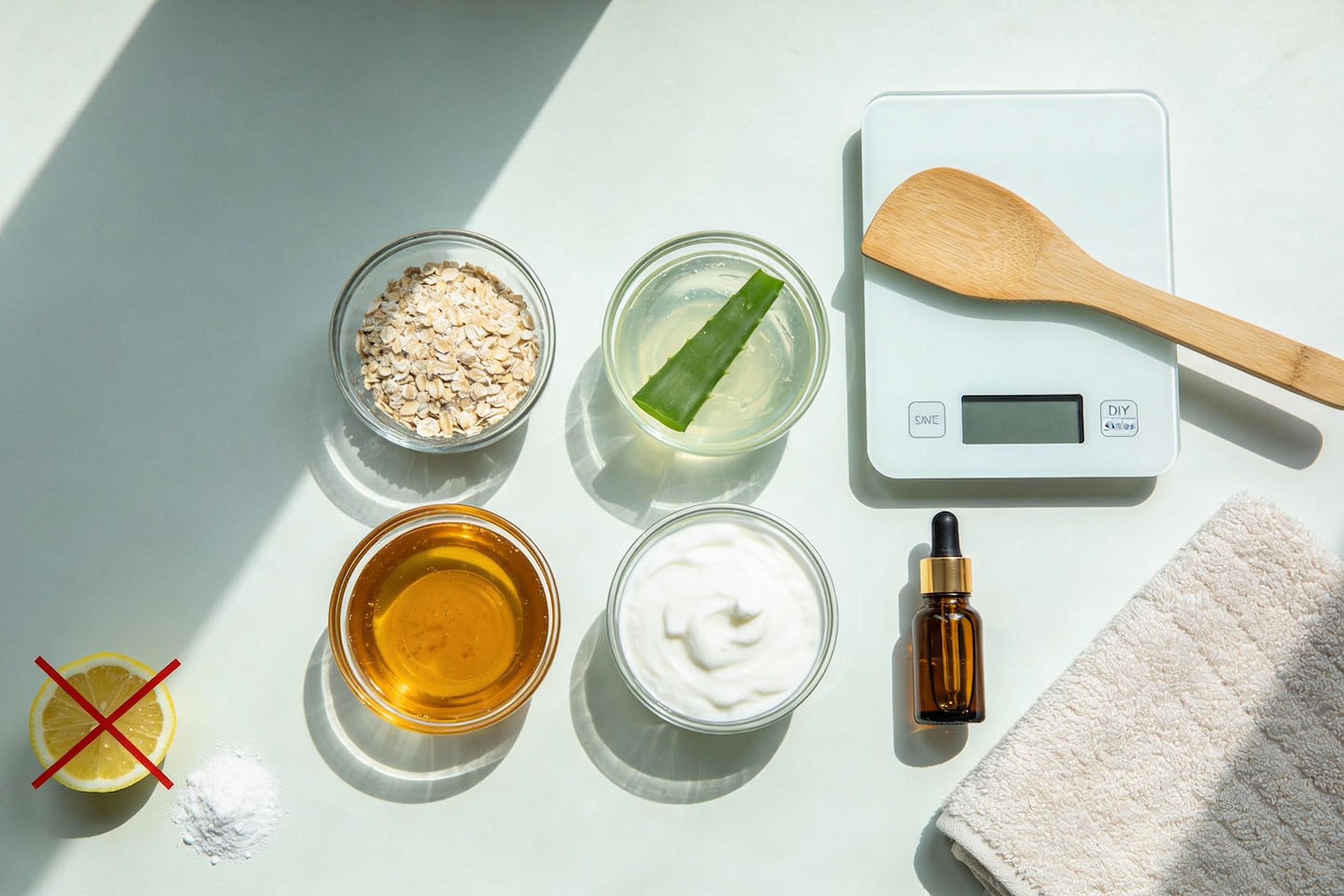
Not every pantry item belongs on your face. Some are great. Some are chaos.
DIY-friendly, skin-safe heroes
- Oats (colloidal or finely ground): Soothing, anti-itch, gentle cleanser or mask base.
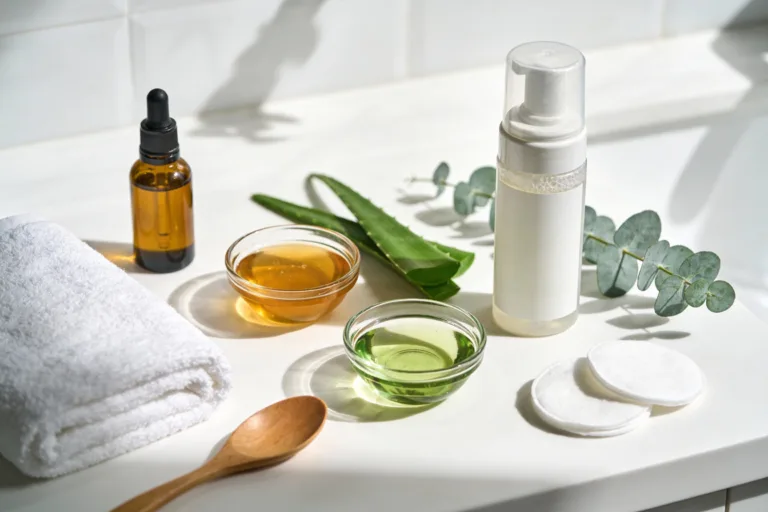
- Honey (raw or manuka if budget allows): Humectant, mildly antimicrobial, lovely in masks.
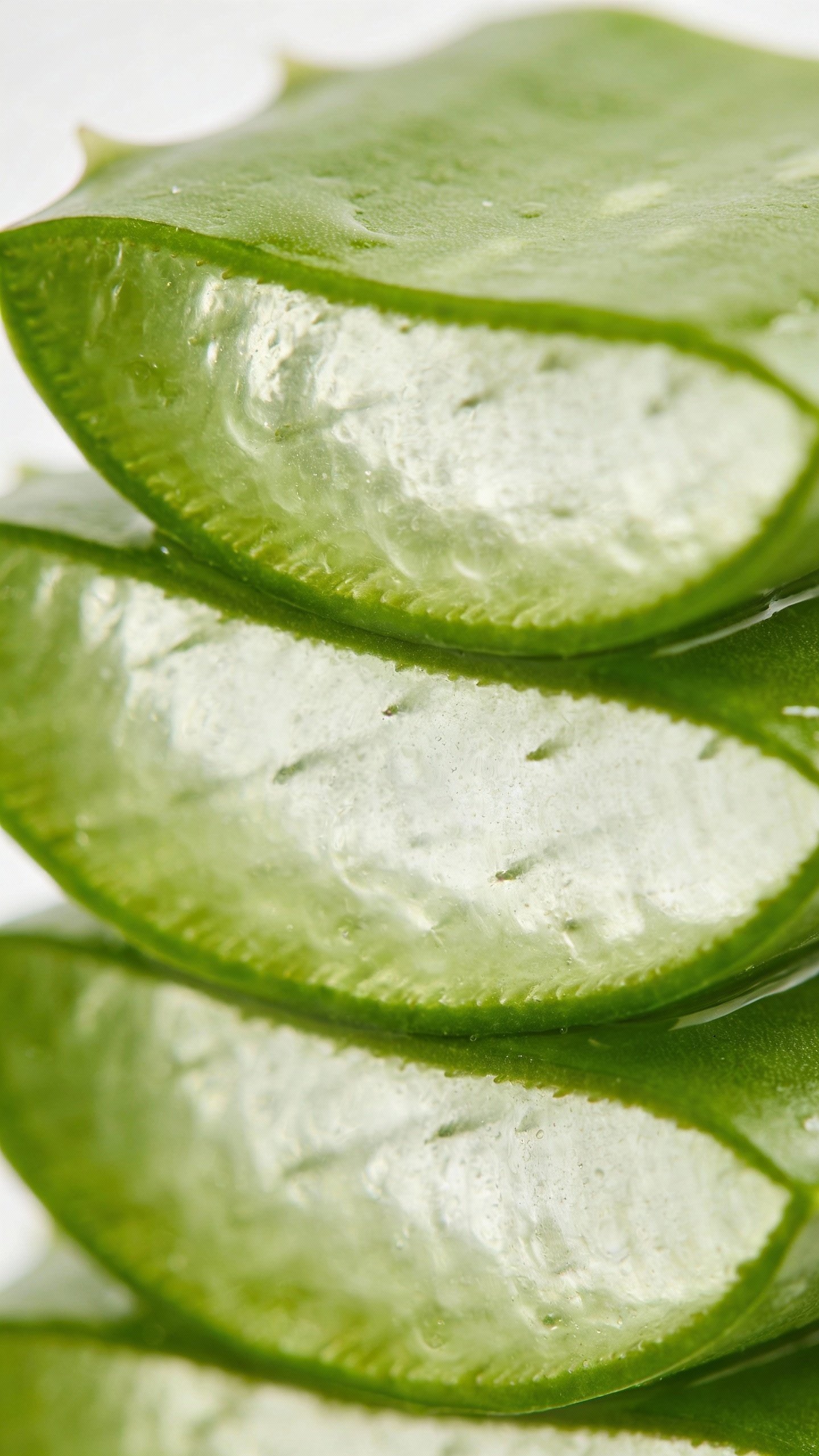
- Aloe vera gel (store-bought, minimal additives): Cooling, hydrating, easy to mix.
- Yogurt (plain, unsweetened): Gentle lactic acid + fats for softening. Short contact time.
- Carrier oils (jojoba, squalane, sweet almond): Great for sealing in moisture and massaging.
- Green tea: Antioxidant, calming; use as a toner base or compress.
Proceed with caution (or skip IMO)
- Lemon/lime juice: Low pH + irritating oils + sun sensitivity. Hard pass.
- Baking soda: Alkaline enough to disrupt your barrier. Also a hard pass.
- Cinnamon, peppermint, clove oils: Sensitizing. Your face is not a holiday candle.
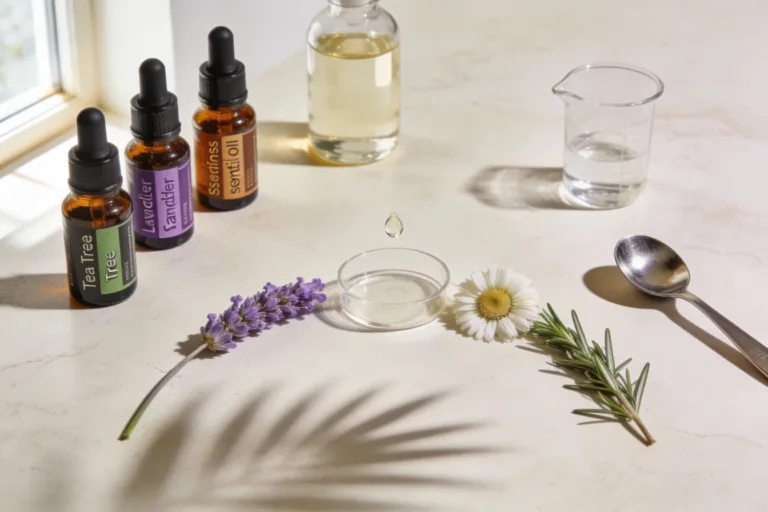
- Essential oils: Potent and tricky to dilute safely; skip for leave-on products.
- Undiluted apple cider vinegar: Can burn; even diluted can irritate. If you must, patch test.
Rule of thumb: If it stings, burns, or smells like salad dressing, don’t put it on your face.
Build a Minimal DIY Routine That Won’t Freak Out Your Skin
Keep it short. Keep it consistent. Your skin likes routine, not chaos.
AM routine
- Cleanse: Lukewarm water or a gentle non-DIY cleanser. DIY cleansers usually don’t preserve well.
- Hydrate: Green tea spritz or aloe gel (thin layer).
- Seal: A few drops of squalane or jojoba on damp skin.
- Protect: Sunscreen (store-bought). DIY sunscreen does not exist safely—please don’t try.
PM routine
- Cleanse: Massage with jojoba or sweet almond oil, then wipe with a warm damp cloth. Follow with your gentle cleanser if needed.
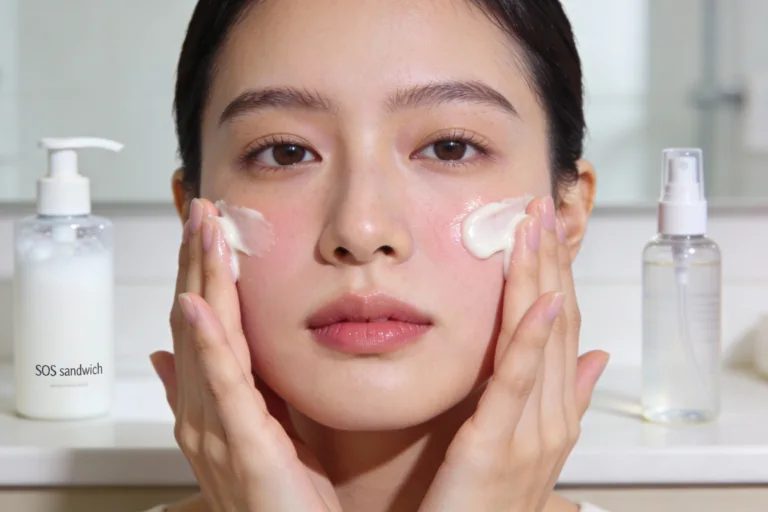
- Treat: Honey + yogurt mask 1–2 times a week, 5–10 minutes max.
- Hydrate + seal: Aloe gel, then a few drops of oil.
Frequency matters: DIY masks 1–2 times weekly is plenty. Daily masks can annoy your skin, even the gentle ones.
Patch Testing: The Boring Step That Saves Your Face
You know how you test hot soup before a big slurp? Same concept.
How to patch test:
- Apply a pea-size amount behind your ear or on the inner forearm.
- Wait 24–48 hours.
- Check for redness, itching, bumps, or heat. Any reaction? Don’t use it on your face.
For leave-on products, you can do a second mini test: apply to the jawline for one night and observe.
Hygiene: Where Most DIY Goes Wrong
Bacteria love moist, nutrient-packed concoctions. Your job: don’t serve them a buffet.
Keep it clean
- Wash hands and tools with hot water and soap before mixing.
- Use clean containers (amber glass or food-safe plastic). Sterilize with boiling water, let dry fully.
- Make tiny batches you’ll use in one go. If you must store, refrigerate and toss after 3–5 days.
- Avoid dip jars. Use pumps or squeeze bottles when possible.
FYI: Preservatives are a science. If you’re not trained, don’t make water-based products for long-term storage.

Gentle Exfoliation Without Nuking Your Barrier
You want glow, not microtears. Skip physical scrubs with sugar or salt—those crystals can scratch.
Safe-ish DIY options
- Yogurt mask: 1–2 teaspoons on clean skin, 5–7 minutes, rinse. Mild lactic acid = soft glow.
- Oat polish: Finely ground oats mixed with water or honey. Massage lightly, then rinse. Extra soothing.
How often? Start once a week. If your skin’s chill, go twice. Any tightness or sting? Scale back.
Simple Recipes That Actually Work
These are beginner-level, barrier-friendly, and quick.
Soothing Oat Cleanser-Paste
- 1 tablespoon finely ground oats
- 1–2 tablespoons warm water or green tea
Mix to a loose paste, massage 30–60 seconds, rinse. Skin feels calm, not squeaky.
Basic Honey-Aloe Hydration Mask
- 1 teaspoon honey
- 1 teaspoon aloe gel
Blend, apply thin layer, wait 10 minutes, rinse. Follow with oil.
Bedtime Oil Seal
- 2–3 drops squalane or jojoba
Press onto damp skin or over aloe. Wakes up soft, not greasy.
Tip: Keep recipes minimal—2–3 ingredients max. Fewer variables = fewer chances for drama.
When to Stop and Seek Backup
DIY has limits. You can hydrate, soothe, and mildly exfoliate at home. But chronic acne, painful cysts, severe flaking, sudden rashes, or pigment changes deserve professional eyes. If something feels wrong or gets worse fast, press pause and get help. No shame—your skin is an organ, not a craft project.
FAQ
Can I add essential oils if I dilute them?
You can, but I don’t recommend it for beginners. Safe dilution rates are tiny (think drops per ounce), and some oils still irritate even when diluted. Your skin doesn’t need fragrance to glow.
Is coconut oil good for my face?
For many people, coconut oil clogs pores. If you want a simple occlusive, try jojoba or squalane instead. If you insist, patch test first and keep it away from acne-prone zones.
Can I make my own sunscreen?
Nope. Effective, even coverage with proven UV filters requires lab testing and precise formulation. Always use a tested, store-bought sunscreen.
What about vitamin C serums at home?
L-ascorbic acid oxidizes easily and needs specific pH and packaging. DIY versions can turn orange and lose potency fast, or irritate if too strong. If you want vitamin C, buy a reputable product or use green tea for a gentle antioxidant boost.
How long until I see results?
Hydration and softness: pretty quick—days to a week. Tone and texture: a few weeks of consistent care. Stick with your routine for 4–6 weeks before judging it.
Can I store masks in the fridge?
You can store for 3–5 days max if the recipe includes water or fresh food, but contamination risk rises fast. IMO, make single-use portions and avoid the guessing game.
Conclusion
DIY skincare can be gentle, cheap, and effective when you keep it simple and sanitary. Focus on soothing and hydrating, skip the harsh gimmicks, and patch test like you mean it. Nail the basics first, then experiment slowly. Your skin will thank you—quietly, by not freaking out.