How to Balance Oily Roots and Dry Ends Without Overwashing
Greasy roots but straw-like ends? Yep, the classic “combination scalp” struggle. Your hair looks oily by lunchtime, but your ends snap if a breeze looks at them funny. The fix isn’t one magic product — it’s a smarter routine that treats your scalp and your ends like the very different creatures they are. Let’s get into how to balance the chaos without washing your hair twice a day.
Know Your “Combo” Hair: Why This Happens
Your scalp and your ends live different lives. The scalp produces sebum, which protects skin and hair — helpful… until it puddles at your roots. Meanwhile, your ends are older, more weathered, and get far less oil.
Translation: oil hangs out at the top, dryness camps out at the bottom, and you get the worst of both worlds. Genetics helps set your oil production, but habits push it around too:
- Over-washing amps up oil production because the scalp thinks it needs to compensate.
- Heat styling dries the ends into crispiness.
- Hard water and harsh shampoos rough up the cuticle and create frizz and dryness.
- Skipping haircuts lets splits travel up the shaft and make ends feel like hay.
Wash Strategy: Treat Roots and Ends Differently
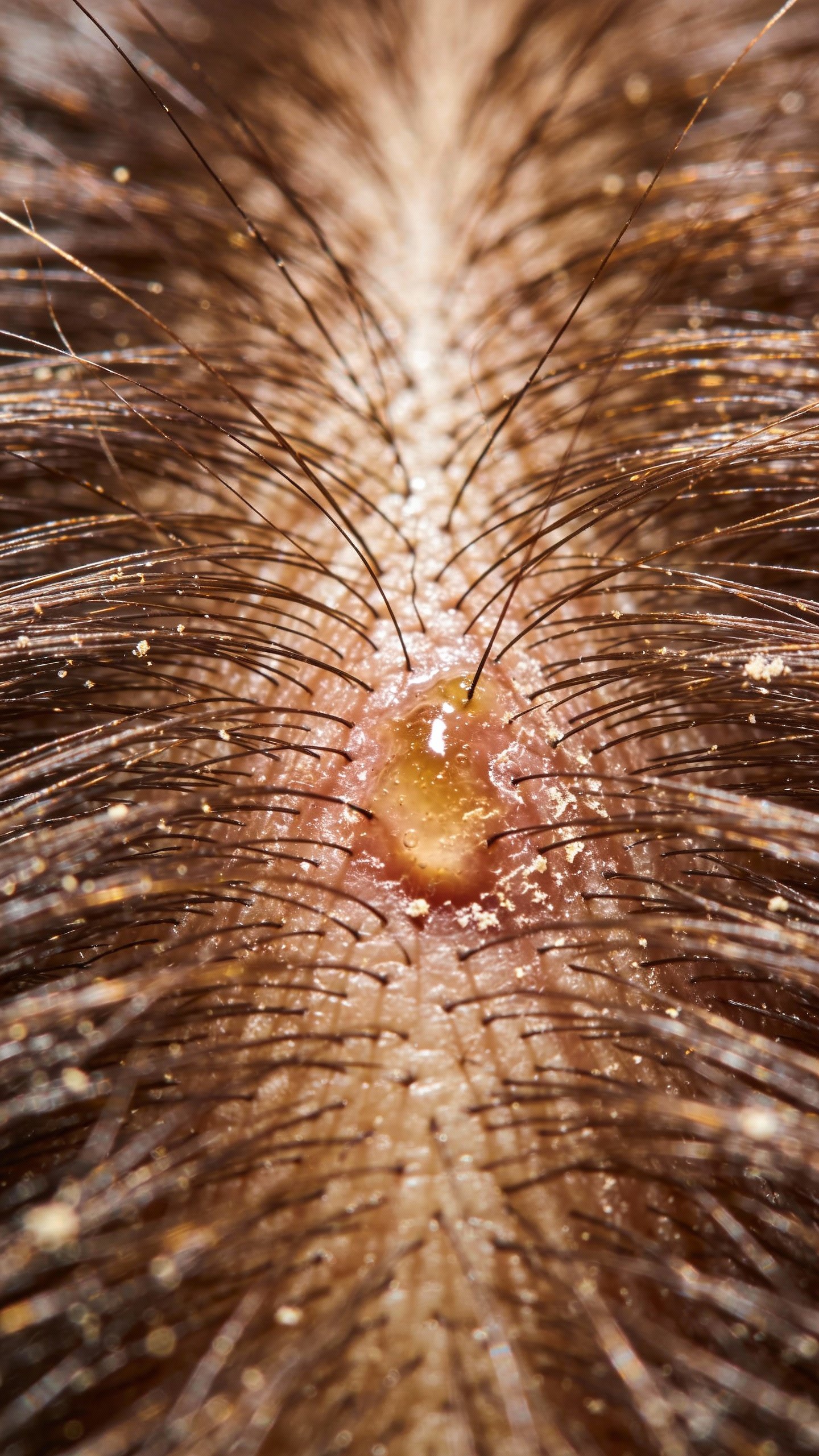
You don’t have to wash everything the same way. In fact, please don’t.
Try this routine:
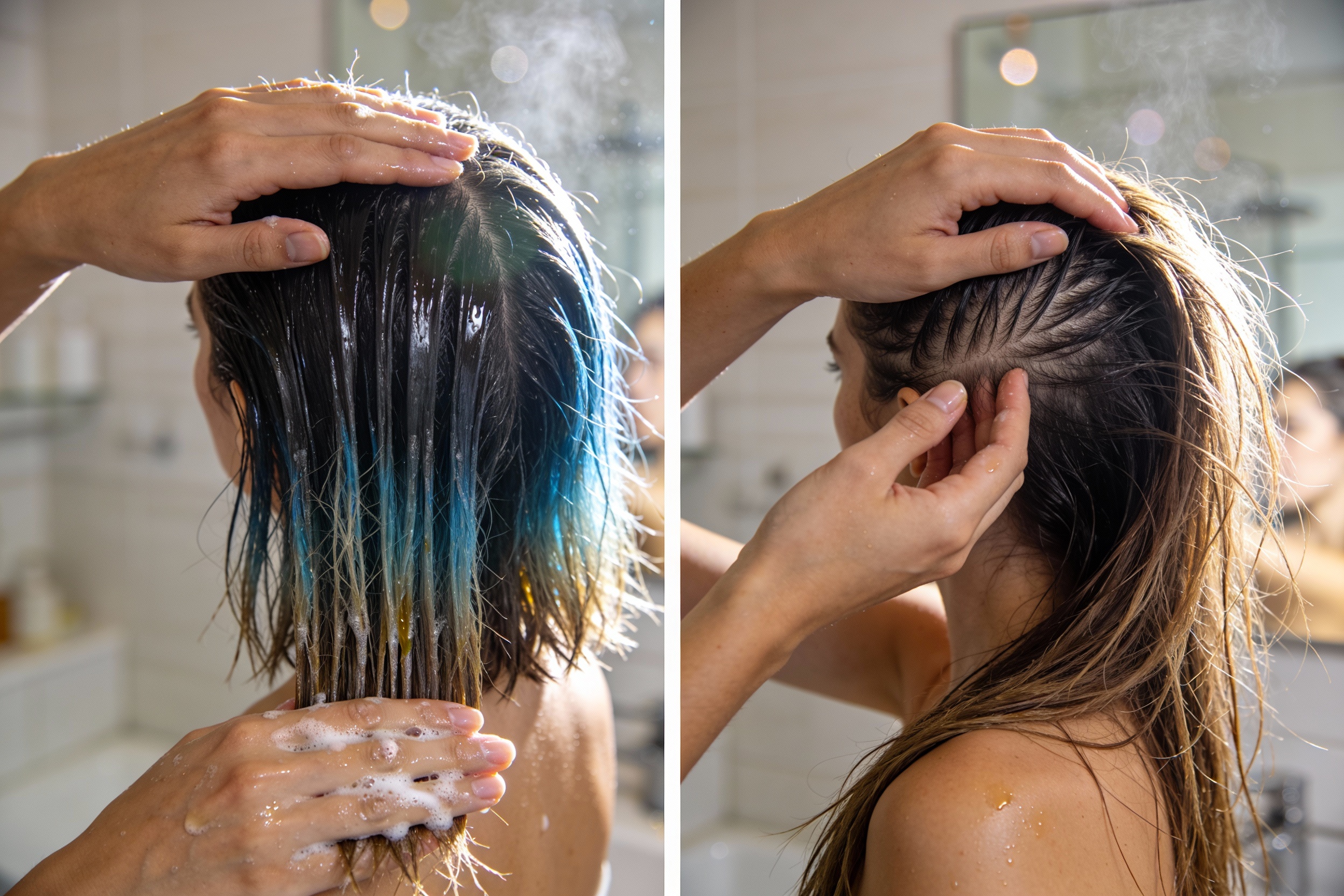
- Pre-condition your ends before shampooing. Work a light conditioner or a few drops of hair oil through the bottom third. This buffers them against shampoo and reduces tangling.
- Shampoo the scalp only. Focus on the roots and let the suds run through the lengths for a gentle cleanse. Rubbing the ends with shampoo? Hard pass.
- Rinse thoroughly — especially at the crown and hairline where buildup loves to hide.
- Condition mid-lengths to ends and keep it off the scalp. Leave it for 2–4 minutes, then rinse well.
How Often Should You Wash?
IMO, aim for every 2–3 days. If you’re super oily, start with every other day, then stretch your wash days gradually. Use dry shampoo strategically to bridge the gap (more on that in a sec).
Choose Products Like a Pro
Products can make or break combo hair. Pick formulas that respect the split personality.
- Shampoo: Look for “balancing,” “clarifying (gentle),” or “volumizing” with ingredients like tea tree, salicylic acid, or zinc PCA. Use strong clarifying once a week max to avoid wrecking your ends.
- Conditioner: Lightweight, silicone-optional formulas are your friend. If silicones weigh you down, try water-soluble ones (dimethicone copolyol) or silicone-free options.
- Leave-ins: Choose milky sprays or serums for mid-lengths and ends only. Keep butters and heavy creams on the bench unless your ends are truly parched.
- Oil: Use 1–2 drops of a light oil (argan, squalane) on damp ends, then stop. More isn’t more.
- Dry shampoo: Go for fine powders or mist formulas. Skip heavy fragrances and talc if your scalp gets cranky.
Ingredient Watchlist
Great for oily roots: salicylic acid, niacinamide, tea tree, nettle, zinc PCA
Great for dry ends: glycerin (in low humidity use sparingly), panthenol, amino acids, lightweight silicones, argan/squalane
FYI: proteins can help damaged ends but may feel stiff if overused. Start once a week and adjust.
Scalp Care Without Trashing Your Ends
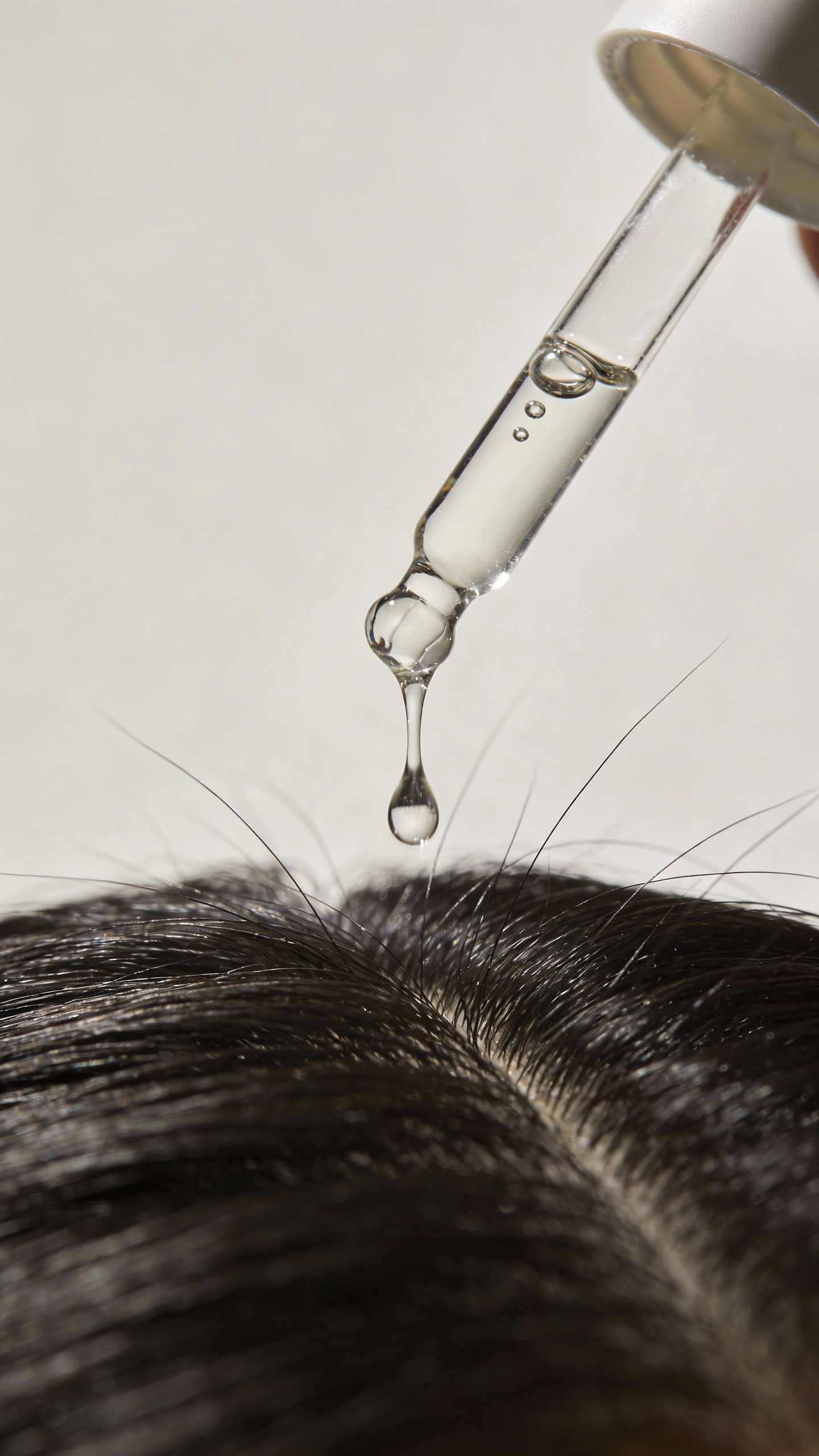
Think of your scalp as skin that wears a hat of hair. Treat it kindly and it will chill out on the oil.
- Exfoliate weekly with a gentle scalp scrub or a liquid exfoliant with salicylic acid. Massage lightly — your scalp is not bread dough.
- Use a scalp toner between washes. A light, leave-on tonic can calm oil production and reduce itch.
- Hands off the roots. Constant touching moves oil and dirt around and flattens hair faster.
- Brush smart. Brush before bed to distribute oils lightly through the mid-lengths, but avoid overbrushing roots in the morning.
When to Clarify
If your roots feel waxy even after washing or dry shampoo stops working, clarify. Use a chelating or clarifying shampoo once every 1–2 weeks if you have hard water or heavy product use. Follow with a rich conditioner on the ends only.
Styling Moves That Keep Balance
You can style for volume at the top and softness at the bottom — no grease required.
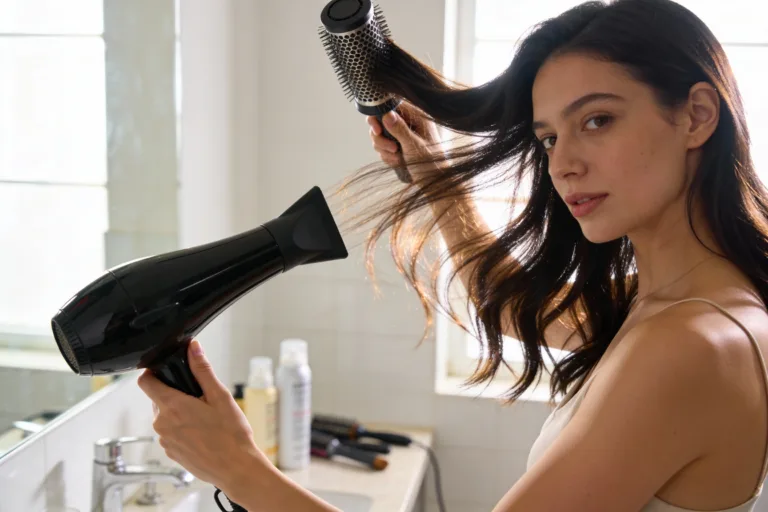
- Blow-dry upside down for root lift, but keep the dryer at medium heat. Finish with cool air to seal the cuticle.
- Use mousse or root spray at the scalp, then a light cream or oil only on the ends. Different zones, different products.
- Dry shampoo on clean hair. Dust a tiny bit at the roots right after blow-drying to delay oil. Think prevention, not just damage control.
- Avoid heavy hairspray at the roots. It traps oil and dirt. Use a light, flexible hold instead.
Heat With Restraint
Heat fries already-dry ends. If you style, do this:
- Always use heat protectant from mid-lengths down.
- Lower the temp (300–325°F / 150–165°C for most hair types).
- Limit passes with flat irons and wands. One slow pass beats five quick ones.
Smart Habits Between Washes
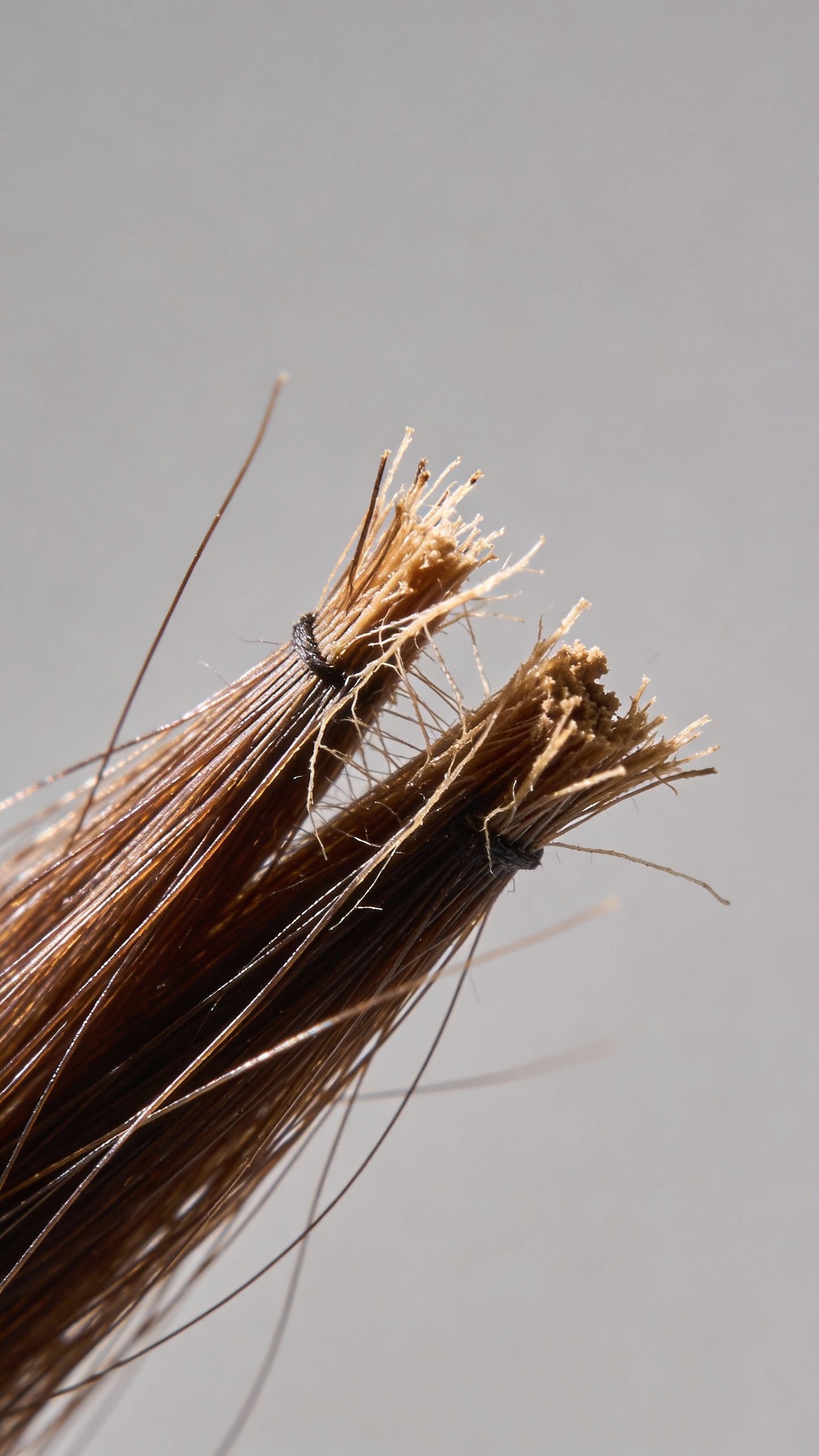
The in-between days matter more than you think.
- Sleep with hair up in a loose, high “pineapple” or a silk scrunchie to avoid scalp oil pooling on your face and roots.
- Swap to silk or satin pillowcases to reduce friction and moisture loss from ends.
- Apply dry shampoo at night. It absorbs oil as you sleep and looks more natural in the morning.
- Refresh ends with a mist of leave-in conditioner or a few drops of oil. Keep it far away from your scalp.
When Ends Need Extra Love
Sometimes your ends need their own spa day. Give them targeted treatments without dragging the roots into it.
Mask Like a Minimalist
Apply a hydrating mask to the bottom half of your hair only, once a week. Clip up the ends and keep the mask off the scalp. Rinse with cool water to help seal the cuticle.
Micro-Trims Matter
Get a dusting every 8–10 weeks. Removing the last half-inch keeps splits from traveling up and turning your mid-lengths into frizz city.
FAQ
Can I train my scalp to produce less oil?
You can’t negotiate with your sebaceous glands, but you can reduce the triggers. Gentle shampoos, spacing out washes, and scalp toners help stabilize things. Over time, many people can extend wash days by 1–2 days. Manage expectations, though — genetics still calls some shots.
Is co-washing a good idea with oily roots?
Not usually. Co-washing can suffocate already-oily scalps. If you love the softness, try “hybrid washing”: shampoo your scalp, then co-wash the ends. You get clean roots and cushy lengths without buildup.
Do silicones cause buildup or damage?
Silicones don’t damage hair, but some can build up. Water-soluble ones rinse out easily. If you use heavier silicones, clarify occasionally and you’re fine. If your hair feels flat and coated, that’s your cue to reset.
What’s the best dry shampoo technique?
Spray or sprinkle from 6–8 inches away at the roots. Let it sit for 2–3 minutes, then massage and brush out. Apply a little at night or right after styling to prevent grease before it happens. Less is more — white cast is not a vibe.
My ends still feel crunchy. What now?
Step up moisture with a weekly mask and add a few drops of oil on damp ends after every wash. Lower your heat tools and trim the worst bits. If hardness persists, you might need a protein-moisture balance: try a light protein treatment once a week, then follow with hydration.
Does diet or stress affect oily roots?
Yes. Hormones, stress, and high-glycemic diets can ramp up oil production. Hydrate, manage stress (walks, sleep, whatever keeps you sane), and keep a balanced diet. Not a miracle cure, but it helps your baseline.
Conclusion
You’re not cursed — you just need a split strategy. Cleanse and calm the scalp, cushion and protect the ends, and pick products by zone, not one-size-fits-all. With a few smart tweaks and some consistency, your roots can stay fresh while your ends stay soft. FYI: perfection is overrated, but balanced hair that behaves most days? That’s the win.