The Secret to How to Stop Excessive Hair Shedding Naturally
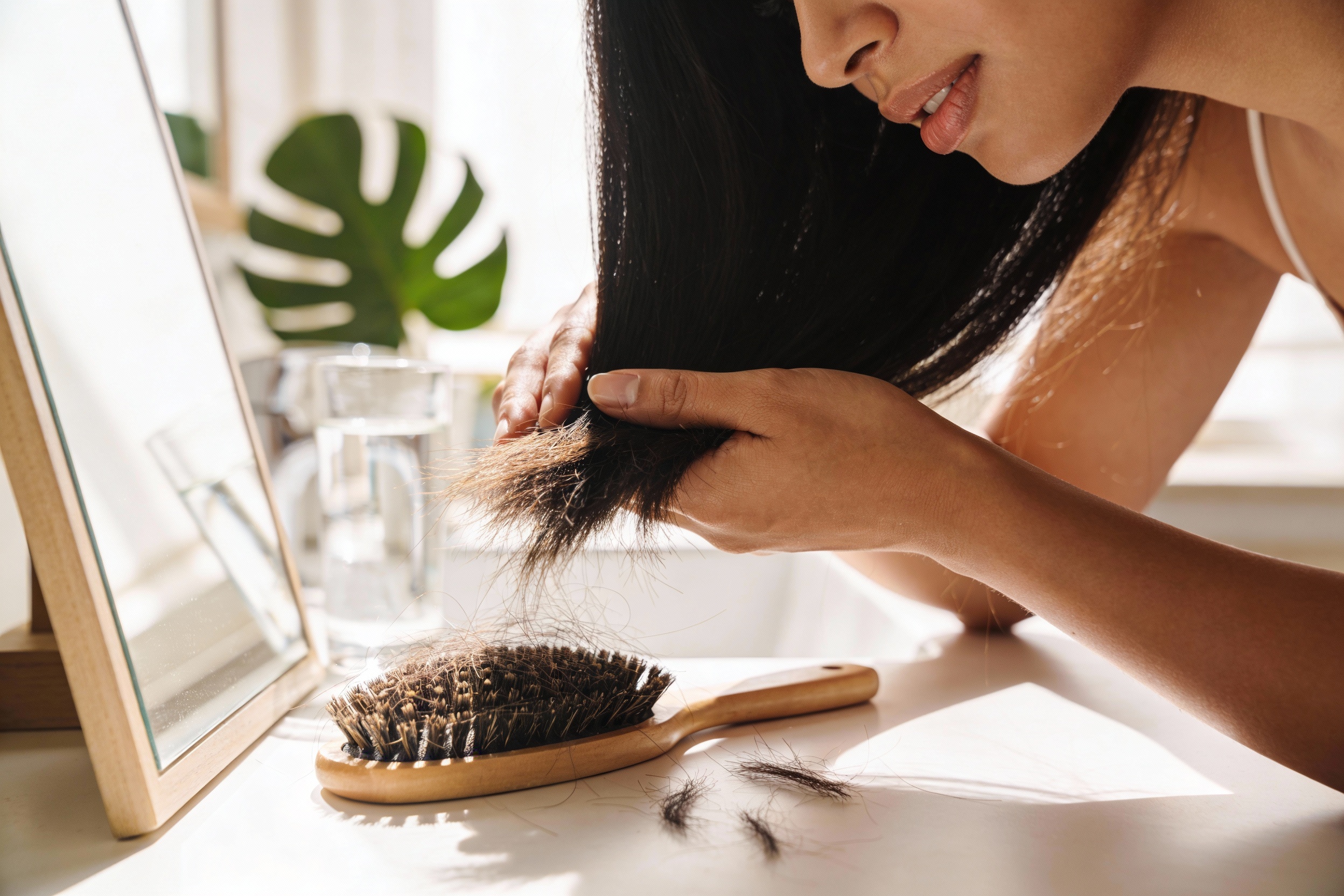
You know that moment you look at your brush and wonder if it secretly adopted a pet? Yeah, same. A little shedding is normal, but when your drain looks like it’s wearing a toupee, it’s time to take action. The good news: you can calm excessive hair shedding naturally, without panic-buying every serum the internet loves this week. Let’s get you back to thicker, happier hair with stuff that actually works.
First, figure out: shedding or hair loss?
Not all hair drama equals disaster. Shedding means you’re losing more hairs than usual, but new growth still happens. Hair loss means your follicles stop producing new hair. Big difference.
Clues it’s shedding:
- You notice more hair in the shower or brush after stress, illness, or a big life change.
- Your scalp still looks full overall.
- It started in the last 1–3 months (classic timing for a “trigger” event).
Clues it’s hair loss:
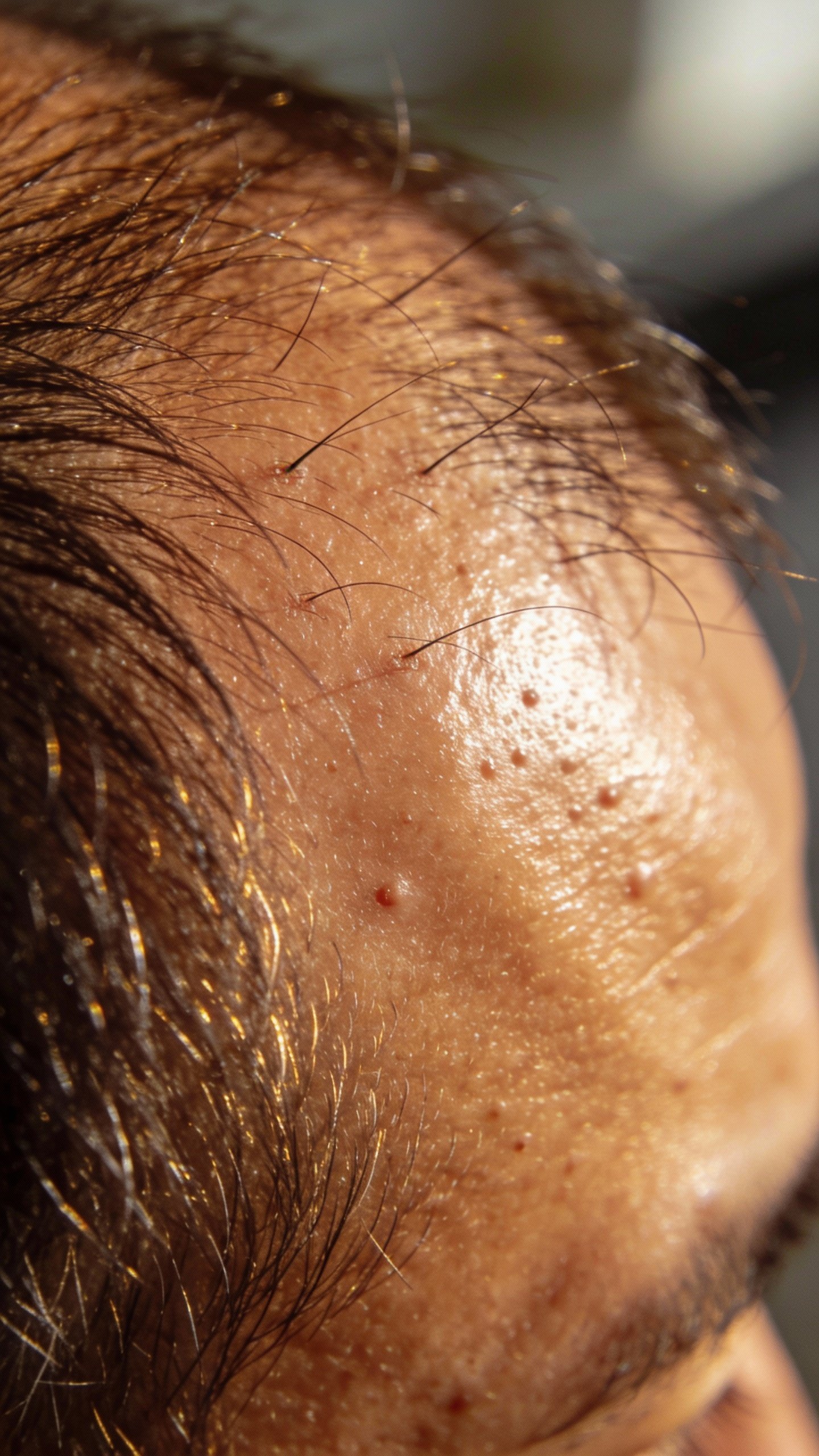
- Widening part, visible scalp, or thinning at temples/crown.
- Patchy bald spots.
- Family history of pattern hair loss.
If you’re unsure, track it for 4–6 weeks. Things improving? Likely shedding. Getting worse? Consider a pro check-in.
Feed your follicles like you mean it
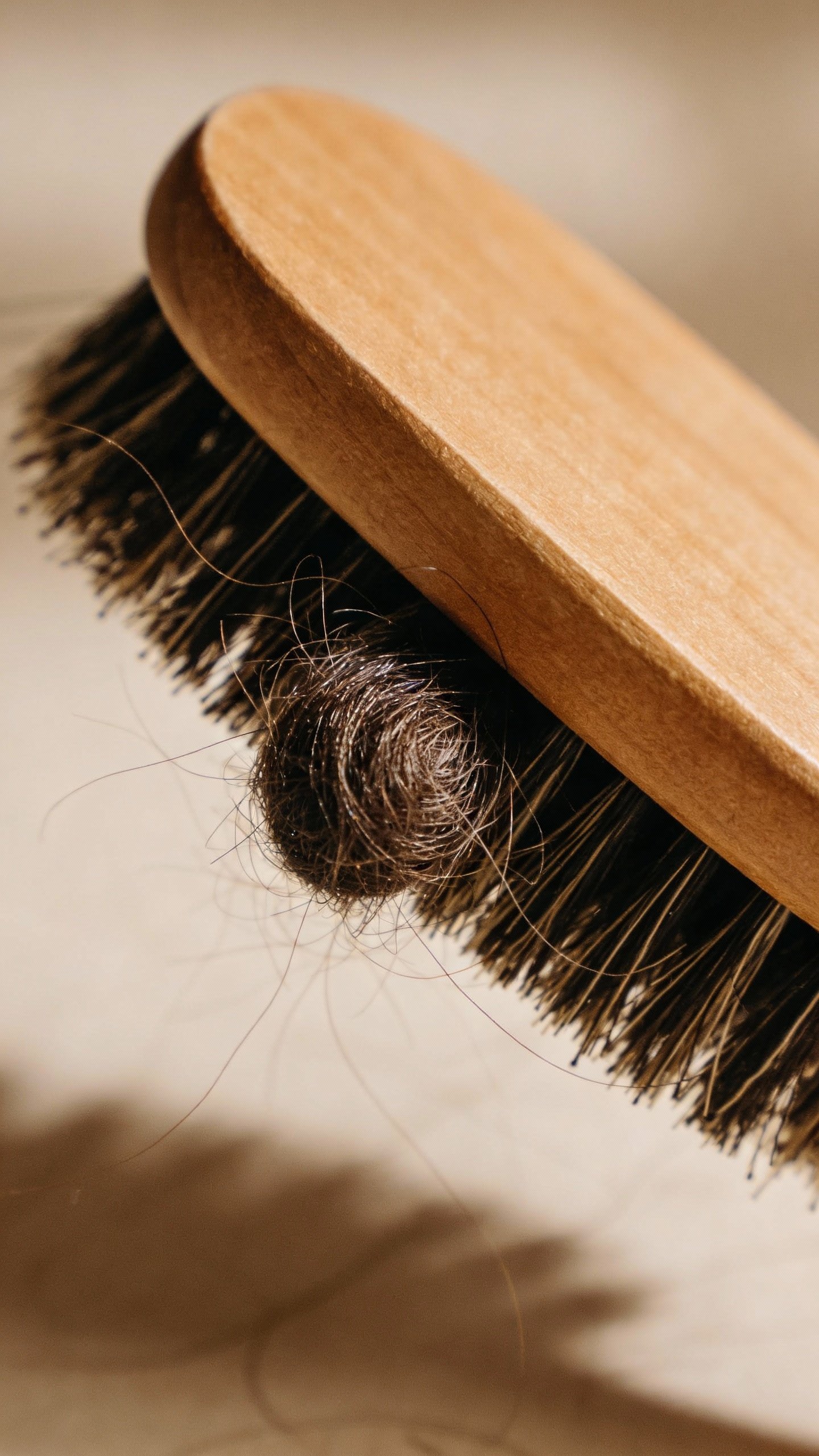
Hair loves nutrients. Starve it and it sheds out of spite. You don’t need a $70 vitamin gummy. You need consistent, balanced food.
Key players:
- Protein: Hair is basically protein. Aim for 20–30g per meal from eggs, Greek yogurt, fish, tofu, beans, or chicken.
- Iron + vitamin C: Low iron = classic shedding trigger. Think lean red meat, lentils, spinach + citrus or bell peppers.
- Zinc and selenium: Nuts, seeds, shellfish, oats. Small but mighty.
- Omega-3s: Salmon, sardines, chia seeds, flax. They help calm scalp inflammation.
- Biotin: Helpful if you’re deficient, but not magic if you’re not. Eggs, nuts, seeds cover it.
- Vitamin D: Low D correlates with shedding. Get sunlight or ask your doc about a supplement.
What about supplements?
They can help if labs show deficiencies. Otherwise, IMO, prioritize food first. If you supplement, keep it simple: a basic multivitamin, vitamin D if low, and maybe omega-3s. FYI: high-dose biotin can mess with lab tests. Tell your provider if you take it.
Calm your scalp ecosystem
Healthy scalp, happy hair. Think of your scalp like a garden bed. You want it balanced, clean, and not angry.
Easy wins:
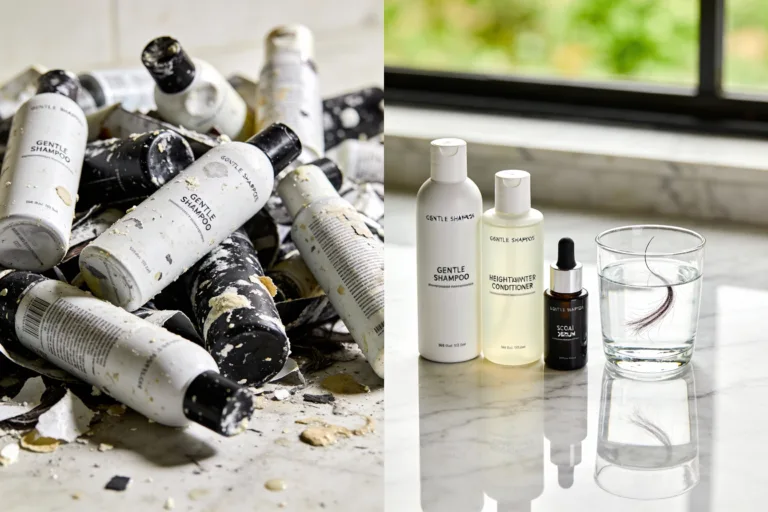
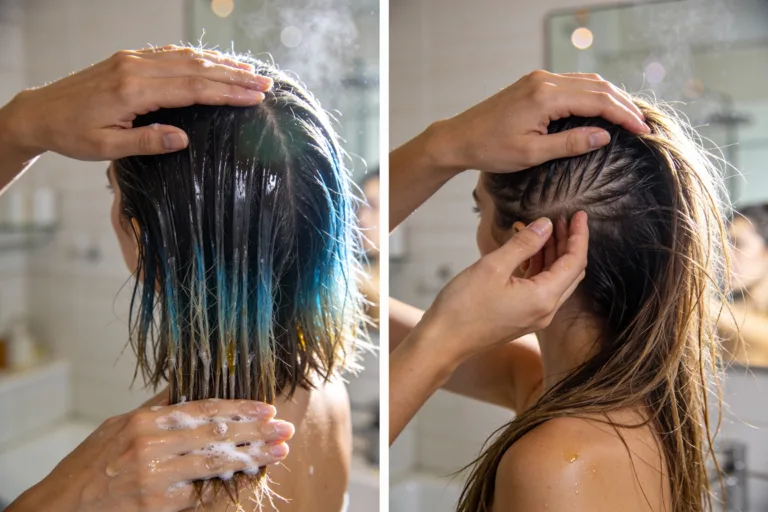
- Gentle cleansing: Wash 2–4 times a week depending on your scalp oiliness. Sweat and buildup can irritate follicles.
- Scalp massage: 4–5 minutes daily. Use fingertips, light pressure. It boosts circulation and feels ridiculously good.
- Avoid harsh styling: Tight ponytails, braids, extensions = traction shedding. Give your roots a break.
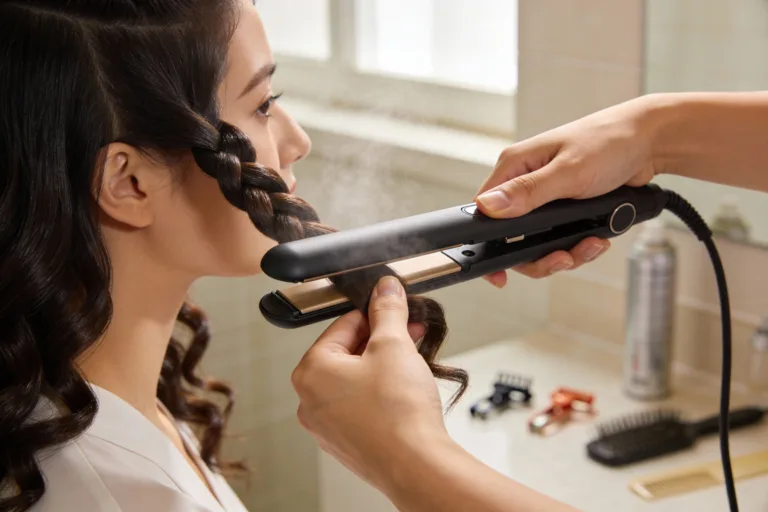
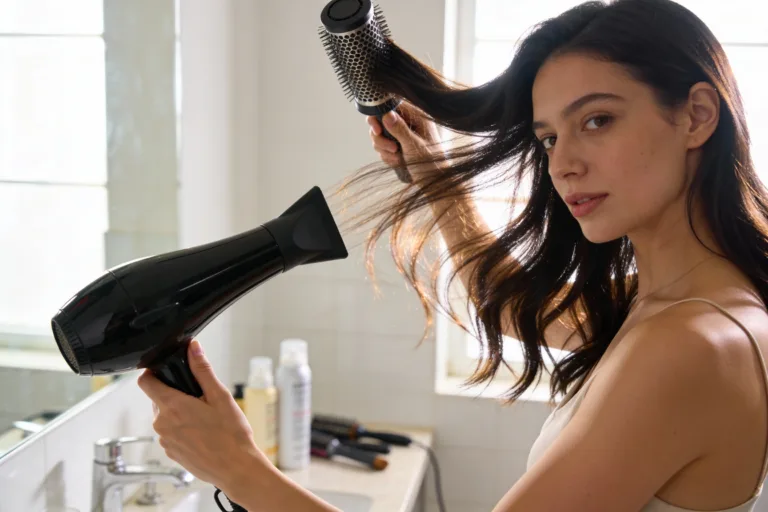
- Go easy on heat: Lower the temp, use heat protectant, and skip daily straightening if you can.
Natural scalp soothers
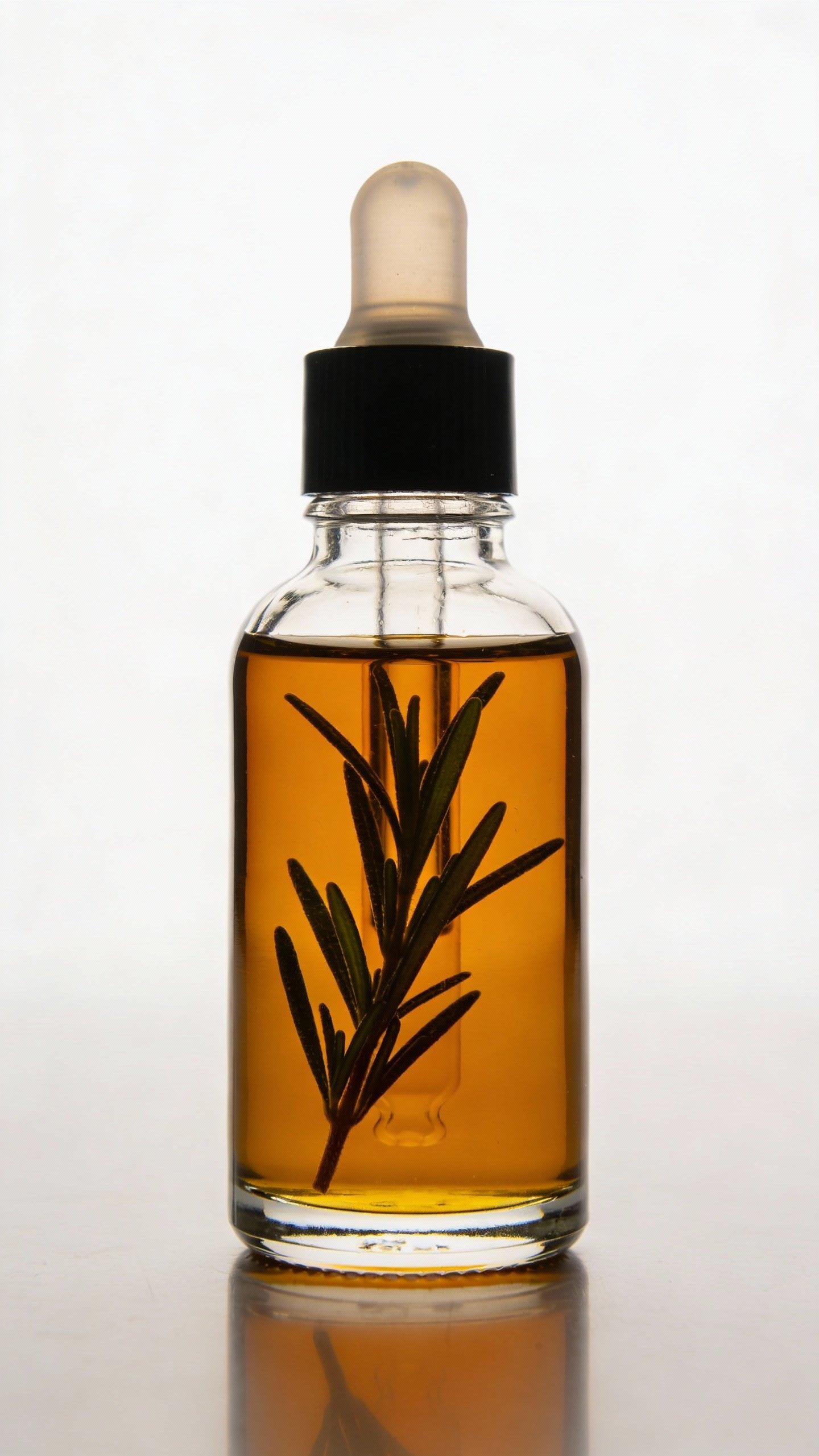
- Rosemary oil: Mix 3–4 drops in a tablespoon of jojoba or argan oil. Massage 2–3 times/week, leave 30 minutes, then wash.
- Aloe vera gel: Cool, calming, helps flaky scalps. Apply pre-wash for 15 minutes.
- Tea tree oil: For dandruff-prone scalps. Add a drop to your shampoo, not directly to skin.
Consistent, gentle care beats “miracle” potions every time.
Stress less (for real), sleep more
Stress flips hair into shed mode. Not immediately—usually 8–12 weeks later. So yes, that rough month in spring? Your hair remembers.
Stress-management that actually sticks:
- 10-minute “nervous system reset” daily: Breathwork, a short walk, or guided meditation.
- Lift or move: 20–30 minutes of strength training or brisk walking most days.
- Protect sleep: 7–9 hours. Think cool room, dark, and boring bedtime routine. Screen off, brain off.
Hormones and hair: quick reality check
Shedding often spikes after pregnancy, stopping birth control, thyroid shifts, perimenopause, or major illness. If you suspect hormones, ask for labs. You can’t mindset your way out of a thyroid issue.
Tighten up your hair habits
You can’t out-supplement bad handling. Be nice to your strands.
Do this:
- Use a wide-tooth comb on damp hair. Start at the ends and work up.
- Switch to silk or satin pillowcases or bonnets to reduce friction.
- Use bond-building conditioners weekly if you color or bleach.
- Air-dry 50–70% before using heat tools.
Avoid this:
- Brushing wet hair aggressively (instant regret).
- Daily tight buns or high ponytails.
- Bleach benders without deep-conditioning in between.
Natural topicals that pull their weight
You don’t need a 37-step hair routine. Pick one or two options and stick with them for at least 3 months.
- Rosemary oil (again, because it’s that good): Some studies suggest it rivals low-strength minoxidil over 6 months. Use consistently.
- Pumpkin seed oil: Oral supplements showed promise for pattern hair loss. For shedding, it supports scalp health and may reduce inflammation.
- Caffeine serums: Can reduce breakage and may support growth. Use daily on the scalp.
- Niacinamide tonics: Calm irritation and help barrier function. Great if your scalp gets fussy.
DIY mask, if you like kitchen beauty
Mash 1 ripe avocado + 1 tablespoon olive oil + 1 tablespoon honey. Apply mid-lengths to ends for 20 minutes. Shine boost, less breakage. Doesn’t fix follicles, but it makes hair look fuller while you fix the root issue. IMO, vibes matter.
When to check labs (and what to ask for)
If shedding lasts more than 3 months, looks severe, or you notice scalp visibility, ask your clinician for:
- Ferritin (iron stores; hair likes it above the “just barely normal” range)
- CBC (anemia check)
- TSH, Free T4 (thyroid)
- Vitamin D
- Zinc
- B12 if you’re plant-based or have fatigue/tingling
Bring notes: when shedding started, any triggers (illness, surgery, crash diet, new meds), and photos for comparison. FYI: sudden, dramatic shedding or patchy bald spots deserve prompt evaluation.
Timeline: what to expect
I know you want results yesterday. Hair operates on glacial time. Stick with your routine and watch for small wins.
- Weeks 2–4: Less irritation, better scalp feel. Shedding may still look the same (annoying but normal).
- Weeks 6–8: Shedding often starts dropping. Brush has fewer casualties.
- Months 3–4: New baby hairs at the hairline, more volume at the roots.
- Months 6+: Noticeable thickening if you’ve tackled the root cause.
FAQ
How much shedding counts as “too much”?
Most people lose 50–100 hairs a day. If you suddenly see handfuls, notice hair all over your pillow and shower, or your ponytail feels smaller within weeks, that’s too much. Track it with photos and a gentle hair-collection test for a week—if it’s escalating, take action.
Can diet alone stop shedding?
Diet helps a lot, especially if deficiencies triggered it. But if stress, hormones, illness, or traction caused the shedding, you need to address those too. Food is foundational, not a magic wand.
Do natural oils clog follicles?
Heavy oils can cause buildup if you never clarify. Keep oils on the scalp for 30–60 minutes max, then shampoo well. If you have dandruff or folliculitis, choose lighter options (jojoba) and reduce frequency.
Is brushing my scalp good or bad?
Gentle scalp brushing or massaging boosts circulation, which helps. Rough brushing on wet hair just causes breakage and makes shedding look worse. Be kind. Your hair remembers.
Will cutting my hair stop shedding?
It won’t change shedding at the root level, but it reduces tangles and breakage, so hair looks fuller. A blunt cut or soft layers can make a big visual difference while you sort the underlying cause.
Should I avoid washing because I see more hair in the drain?
Nope. That hair was coming out anyway; washing just releases it at once. Keep a regular wash schedule so your scalp stays clean and calm.
Bottom line
You can tame excessive shedding with consistent, boring basics: nourish yourself, care for your scalp, go easy on styling, manage stress, and give it time. Layer in smart, natural topicals like rosemary oil and omega-3s, and check labs if things don’t improve. Do the small things daily, and your hair will pay you back—in volume, shine, and fewer mini heart attacks in the shower. IMO, that’s a win.