The Secret to How to Find Jeans That Fit Your Waist and Hips
Jeans should make you feel unstoppable, not like you’re negotiating a treaty between your waist and hips. If you’ve ever had a gape at the back or felt like you needed to lie on the bed to zip up, you’re not alone. Great news: the perfect pair exists, and you don’t need a tailor on speed dial to find it. You just need a plan, a tape measure, and a bit of denim savvy.
Start with Your Real Measurements
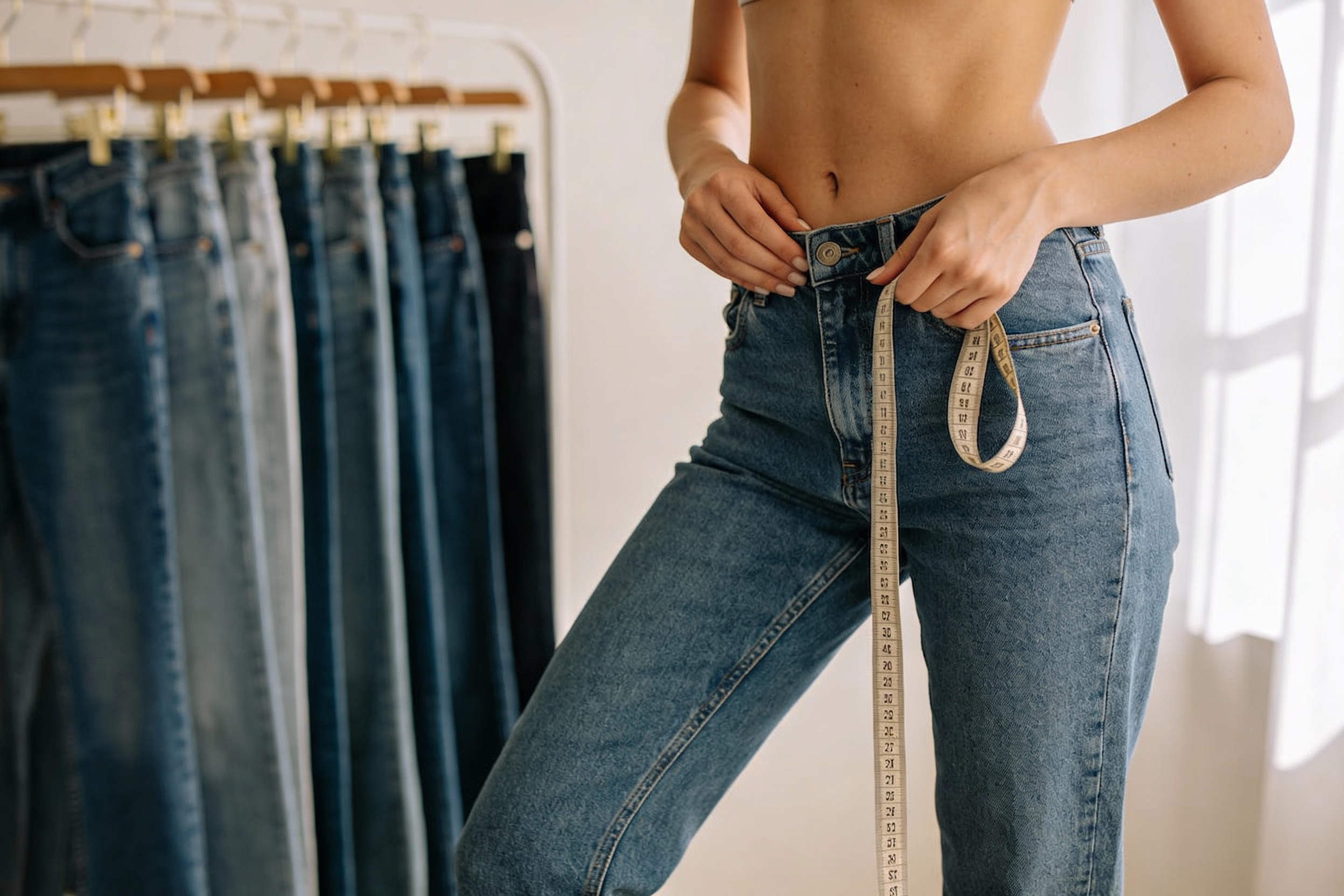
You can’t pick the right jeans if you don’t know your numbers. Grab a soft tape and measure your natural waist (the narrowest point) and your fullest hip (usually 7–9 inches below the waist). Keep the tape snug but not stretched, like you’re giving yourself a supportive hug.
Write these down:
- Waist circumference
- Hip circumference
- Rise preference (low, mid, high)
- Inseam (from crotch to ankle bone)
How to translate sizes across brands
Brands live in their own little universes. Check each brand’s size chart and compare your waist and hip measurements directly to the garment numbers. Ignore the number on your usual tag and match to measurements instead. If the chart lists garment measurements, remember you need a little ease—about 0.5–1 inch at the waist, a bit more at the hips if there’s no stretch.
Choose the Right Fabric (Stretch Matters)
Fabric blend decides how your jeans feel after lunch—and whether they fit both your waist and hips.
- 100% cotton (rigid): Holds shape, molds over time, zero forgiveness on day one. Great if your waist and hip ratio sits close to the brand’s block.
- 1–2% elastane or spandex: Comfortable, recovers well, ideal for curvier hips with smaller waists.
- 2–4% elastane or with T400/Lycra/Elasterell-P: Extra stretch for sculpting fits; size carefully to avoid sliding after a few hours.
- “Comfort stretch” vs. “Power stretch”: Comfort gives gentle give; power stretch hugs tight. IMO, power stretch can look spray-painted if you size down too much.
FYI: Recovery beats stretch percentage
A high stretch number means nothing if the fabric bags out. Look for mentions of recovery, not just stretch. If the product page says “bounces back,” you’ll avoid that end-of-day sag.
Pick the Rise That Loves Your Body
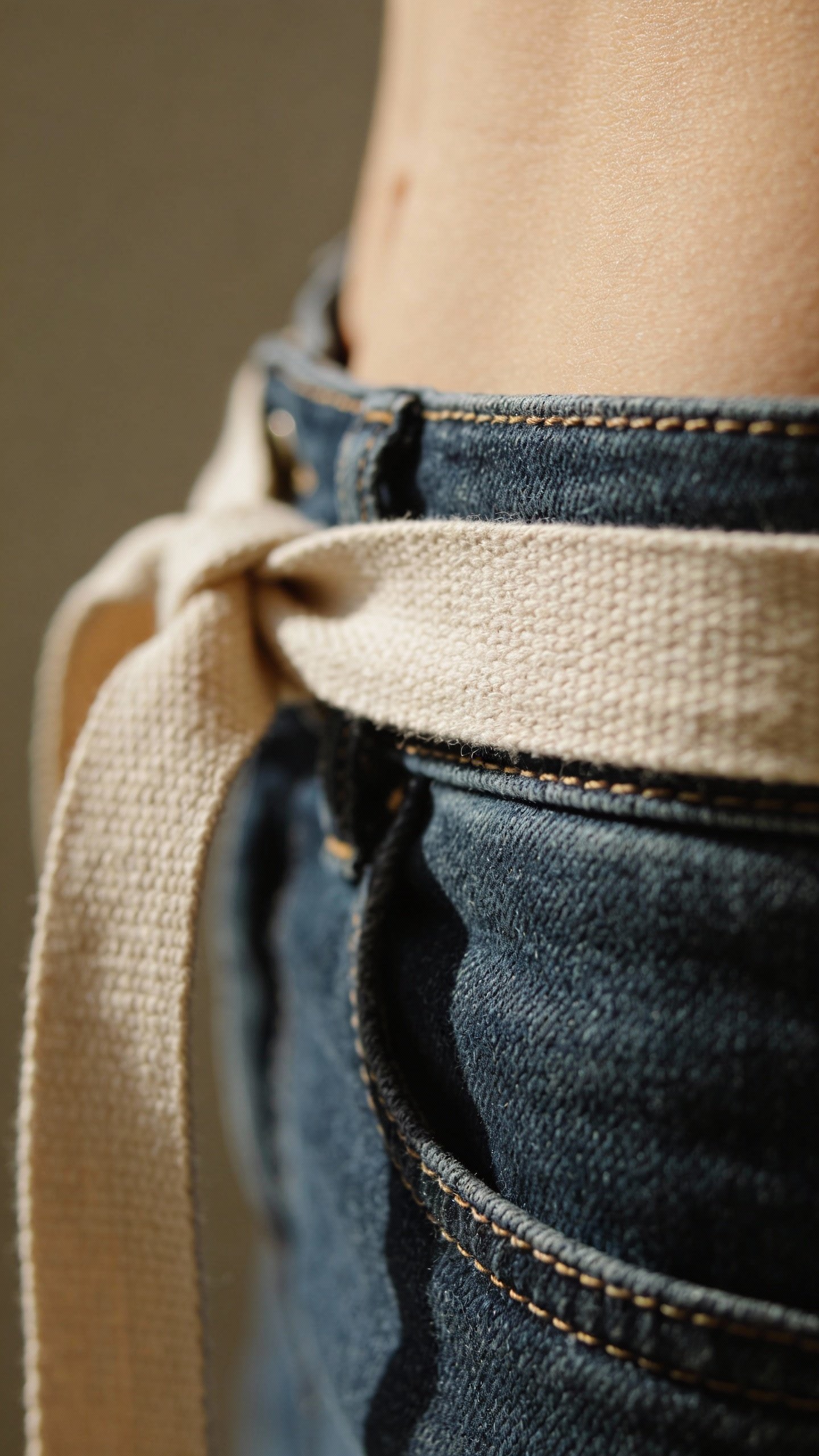
Rise changes everything. It decides where your jeans sit and how they accommodate your curves.
- High-rise: Best for smaller waists with fuller hips. It anchors at the narrowest part and prevents gaping.
- Mid-rise: Versatile and comfy, great for straighter shapes or if high-rise feels ribcage-adjacent.
- Low-rise: Cute, but notoriously tricky for curvier hips—often causes gaping.
How to test rise quickly
Bend, sit, and squat in the fitting room (yes, do the squat). If the back dips or the front digs, the rise doesn’t match your shape or the yoke isn’t doing its job.
Silhouettes That Solve the Waist–Hip Battle
Some cuts just work harder. Choose shapes that balance your proportions instead of fighting them.
- Curvy fits: Extra room through the hip/thigh with a smaller waist. These reduce back-gaping without squeezing your hips.
- Straight leg or slim straight: Skims the leg without hugging. Great for an everyday fit with fewer problem areas.
- Bootcut and flare: Magic for balancing hips. The flare evens out proportions and looks polished with a heeled boot.
- Wide leg: Comfortable and chic, especially with structured high-rise waistbands.
- Skinny: Works with stretch fabrics; go for curvy skinny if you need more hip room.
Details that matter
- Back yoke: A deeper V-shaped yoke lifts and shapes the seat.
- Darts or contoured waistbands: These curve along your body and prevent gaping.
- Pocket placement: Pockets centered and higher on the seat give a lifted look. Too wide or low can flatten or widen visually.
Size Smarter, Not Smaller
Let’s talk strategy. If your hips need a larger size than your waist, pick the size that fits your hips comfortably. You can tweak the waist, but you can’t invent fabric in the hips.
Quick sizing rules:
- Rigid denim: Buy to fit the hips and expect a small give after a few wears.
- Stretch denim: Buy snug but not painful. If you can barely button, that’s too small. If you can slide them off without unbuttoning, too big.
- Between sizes? Try the curvy version of the smaller size before jumping up.
How to spot gaping before you buy
Do the two-finger test at the back waist. If you can fit more than two fingers comfortably, expect gaping after a few hours. Look for jeans with a contoured waistband or try a brand’s “no-gap” line.
Alterations and Hacks That Actually Work
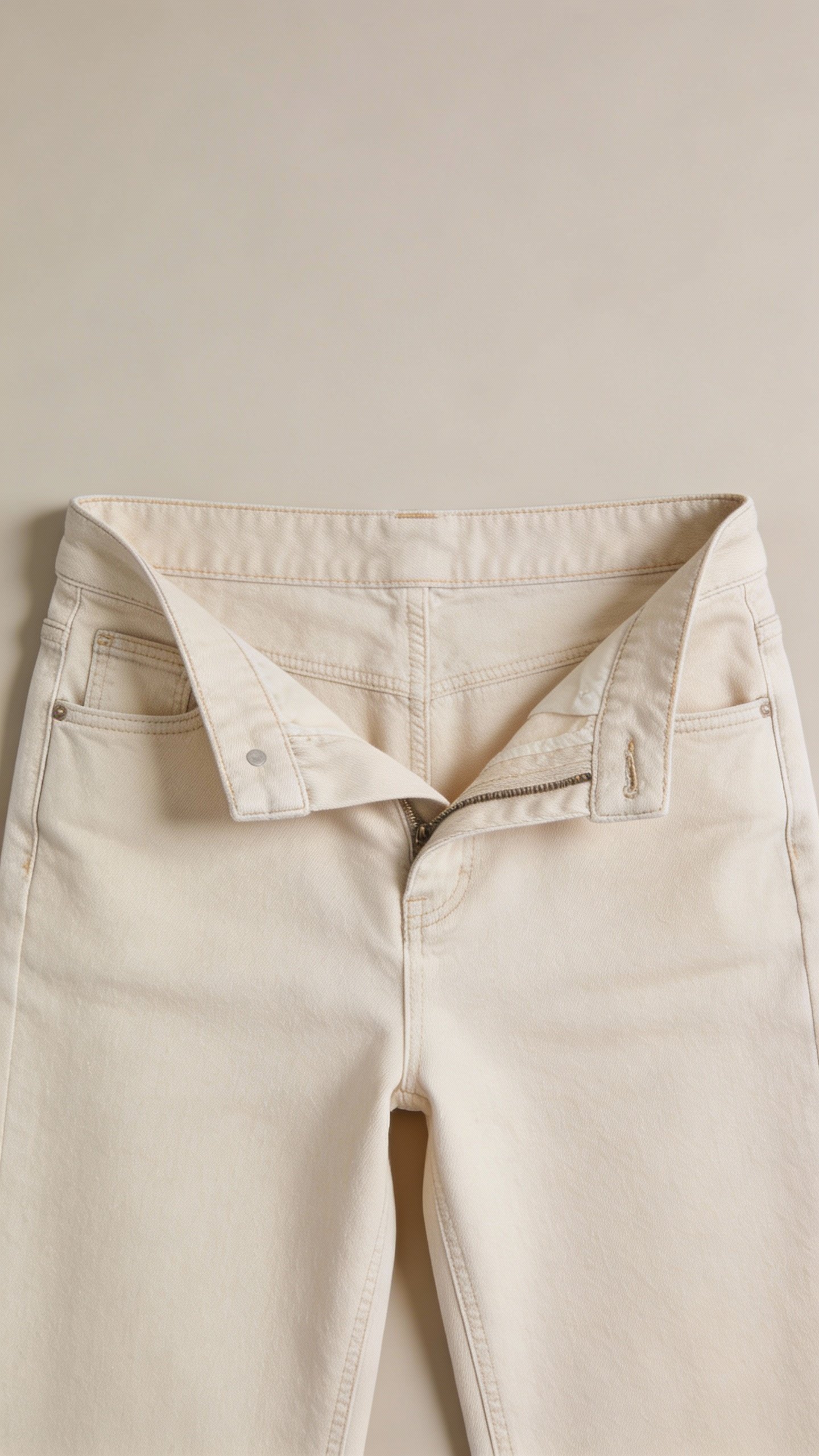
Sometimes your dream jeans need a tiny push. Alterations turn a good fit into a perfect one.
- Waist nip: A tailor can take in 1–2 inches at the back seam without messing with the line. Worth it for rigid denim.
- Elastic back waist: Some jeans come with hidden elastic; a tailor can add it. Not just for kids’ pants, promise.
- Belt trick: Use a small belt or a “pizza slice” elastic clip under a shirt for no-gap days. Temporary fix, but handy.
- Hem without losing shape: Keep the original hem (aka “Euro hem”) if you shorten. Preserves the vibe.
When to walk away
If the thighs pull like an accordion, if the waistband folds when you sit, or if whiskers stretch like tiger stripes across your hips, the cut isn’t for you. Return. Life’s too short for compromise jeans.
Shop Like a Pro: Brands and Keywords
Look for keywords that signal a better waist–hip fit. Many brands now design with curves in mind.
Keywords to search:
- Curvy fit, hourglass, no-gap waistband
- Contoured waist, sculpt, lift, shape
- Comfort stretch, high recovery, T400, Elasterell
IMO: Curvy lines and contoured waists solve 80% of the battle. The rest is rise and fabric.
Online shopping checklist
- Compare your measurements to the brand chart, not your ego.
- Read reviews from people who mention body shape and fabric stretch.
- Order two sizes if free returns exist—your future self will thank you.
- Check the fabric composition and rise before adding to cart.
Try-On Ritual: Five-Minute Fit Test
You can learn everything you need in five minutes. No runway required.
- Put them on and breathe. Button without acrobatics? Good start.
- Squat, sit, and step. Check for gaping, digging, or wedgies (technical term).
- Phone and hand test. Does your phone fit the pocket? Do your hands slide into front pockets easily? Tight pockets = tight hips.
- Waistband hug. It should lie flat without rolling or creating a muffin-top situation.
- Walk around. If they slide down immediately, they’ll drive you wild later. Pass.
FAQ
How do I stop the back gap without a belt?
Look for curvy fits or jeans with a contoured waistband. If you already own a pair, a tailor can take in the center back seam or add hidden elastic. Temporary fix: a small clip or belt-on-the-inside hack works under a longer top.
Should I size down in stretchy jeans?
Only slightly, and only if the fabric has strong recovery. If you struggle to zip or the seams pull, size up. Stretchy does not mean shrink-wrapped.
Which rise works best for curvy hips and a smaller waist?
High-rise wins most of the time because it anchors at the natural waist. Mid-rise can work if it’s a curvy cut with a contoured waistband. Low-rise usually gapes unless your shape is straighter.
Do 100% cotton jeans stretch out?
Yes, but not like yoga pants. They can relax up to half a size with wear, especially at the waist and seat. Buy them comfortably snug and expect a short break-in period.
What if my thighs touch and skinnies feel like compression?
Try slim-straight, straight, or bootcut in a fabric with 1–2% elastane. You’ll get movement without feeling vacuum-sealed, and the silhouette flatters without cling.
Are “curvy” jeans just a marketing buzzword?
Sometimes, but not always. True curvy fits add room at the hip and thigh while keeping a smaller waist. Check the garment measurements or reviews; if the waist-to-hip difference runs larger than standard, it’s legit.
Conclusion
You don’t need a miracle, just strategy. Measure yourself, prioritize fabric with recovery, choose the rise that loves your shape, and let cut and details do the heavy lifting. And if a tailor tweaks the waist? That’s not cheating—that’s customization. FYI, the right jeans feel easy from the second you zip them up, and IMO, that confidence is the whole point.