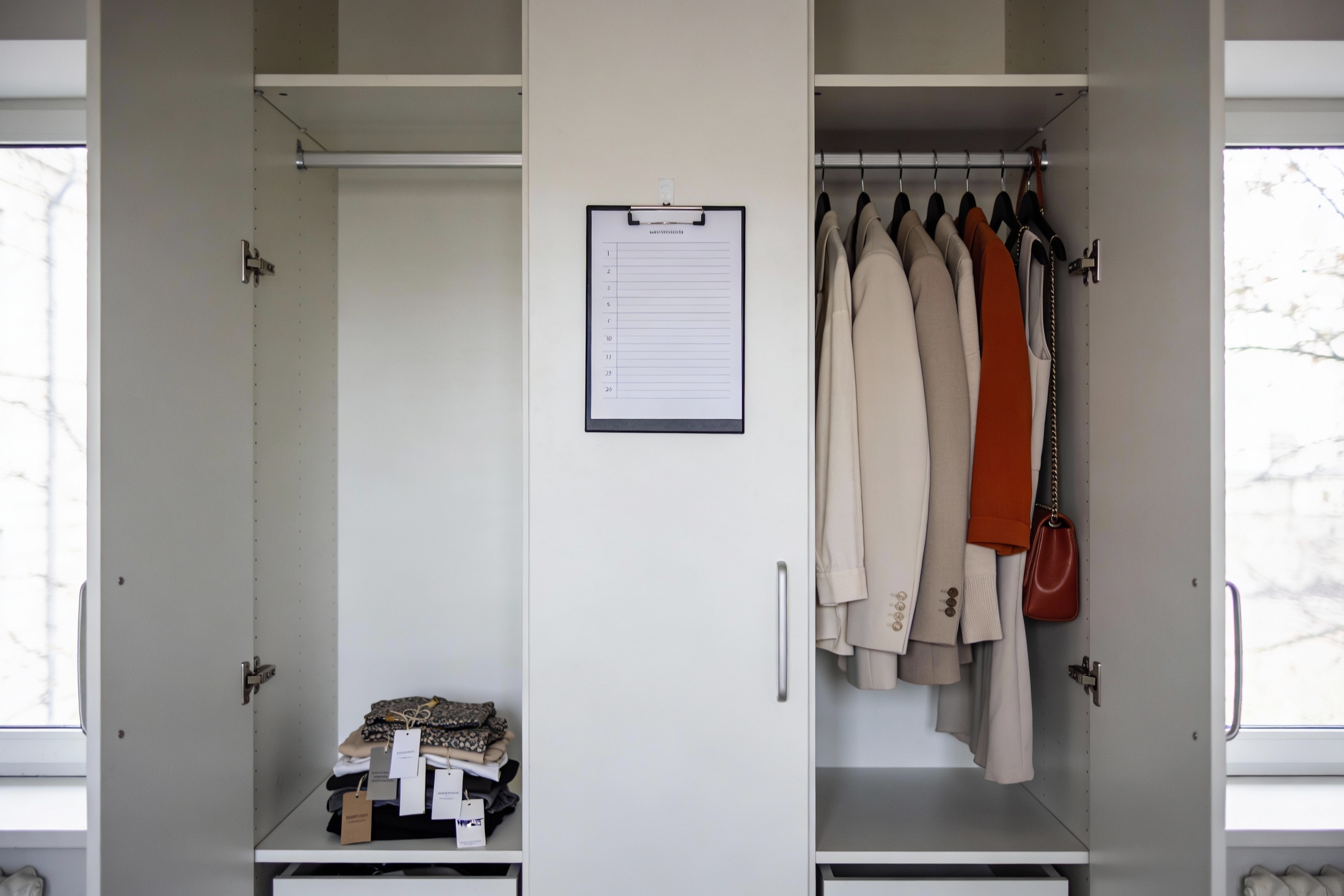
How to Avoid Impulse Fashion Purchases and Love Your Closet
You know that lightning-bolt feeling when a dress pops up on your feed and you’re already mentally wearing it to three imaginary events? That’s impulse shopping doing its thing. It’s fun in the moment, and awkward later when the tags stare at you from your closet. Let’s fix that. You can still love fashion and stop buying stuff you never wear—without turning into a joyless spreadsheet person.
Get brutally clear about your style (and write it down)
You don’t need a whole mood board (unless you want one). But you do need a simple style statement you can actually remember. Think: “clean lines, neutral base, one loud accessory” or “sporty silhouettes, bold color, silver hardware.”
Why it helps: impulse buys usually don’t match your vibe. When you know your vibe, you can spot impostors fast.
Build a mini “style checklist”
- Silhouette: relaxed, tailored, cropped, oversized?
- Palette: 3-5 go-to colors you wear on repeat.
- Textures/prints: which ones you love (and which you always think you love).
- No-go rules: the dealbreakers—itchy fabrics, dry-clean only, too sheer, flimsy buttons.
Keep this list in your notes app. Before you buy, compare the item to the list. If it fails more than one line? Hard pass.
Create a Wishlist, not a cart
Add items to a wishlist and let them marinate. If you still want them after a few days, revisit with a clear head. Time turns “I need it” into “Do I actually?”
Pro tip: use one consolidated wishlist across stores (notes app or a bookmarking tool). That way you see duplicates and patterns. Five nearly identical black blazers? Your brain is trying to tell you something.
Set waiting periods
- Under $50: 24 hours
- $50–$150: 72 hours
- $150+: 1 week
If something sells out? It wasn’t meant for you. FYI, the internet prints more clothes daily.
Build an outfit before you buy
Don’t buy a lone wolf. Shop the way you cook: ingredients must work with the pantry you already have.
Try this: for any item, list 3 complete outfits using only what you own. If you can’t hit three, you’re forcing it.
The 3-outfit test
- Casual: Could you style it for errands or coffee?
- Work or day: Does it play nice with your “real life” wardrobe?
- Evening: Can it dress up without breaking character?
If it can’t hang in all three scenarios, it’s a novelty, not a staple. That’s fine—just know you’re buying a costume, not a workhorse.
Know your triggers and disarm them
We all have triggers. Sales. Free shipping thresholds. TikTok hauls that give you FOMO. Recognize yours so you can cut off the oxygen.
Common traps:
- Limited-time sales: invent urgency to make you rush.
- “Only 2 left!”: manufactured scarcity, classic.
- Bundling deals: buy two to save 20%… and spend 80% more.
- Free returns: encourages “try now, decide later,” which often means “keep anyway.”
Counter moves
- Unsubscribe from brand emails you can’t resist. Or filter them to a “Deals” folder you check weekly.
- Set a monthly fashion budget and track it—no vibes, actual numbers.
- Shop with a list like groceries: “white tank, black belt, winter boots.” If it’s not on the list, it’s a maybe-for-later.
- Mute haul content for a week when you feel itchy to buy. Your wallet will clap.
Upgrade your “fit, fabric, function” radar
Impulse buys often die because they feel off. You can prevent that by training your eye and fingers, IMO.
Fit: Does it skim where you want and sit where it should? If you constantly tug or adjust, you won’t wear it.
Fabric: Read the label like a detective. Not all poly is evil and not all cotton is perfect. Focus on weight, drape, and hand-feel.
Function: Will you wear it at least 20 times this year? If not, your cost-per-wear skyrockets and your closet cries.
Quick quality checks
- Seams: even stitching, no loose threads, no puckering.
- Hardware: zippers glide, buttons secured with a cross-stitch, snaps aligned.
- Transparency test: hold to light; if you see your soul, it’s a layering piece at best.
- Return policy: 30+ days? Store credit only? Factor the policy into your risk.
Use the “price vs. value” filter
A deal isn’t a deal if you won’t wear it. Calculate cost-per-wear, then decide if it earns a spot.
Example: $180 boots worn 60 times this winter = $3 per wear. $40 trendy top worn twice = $20 per wear. Which was the better buy?
When to splurge vs. save
- Splurge: everyday shoes, outerwear, bags, tailoring-friendly pieces.
- Save: micro-trends, party pieces, statement prints you’ll wear sparingly.
And yes, personal preference matters. If a sequined blazer is your signature, that’s not a “save”—that’s your MVP.
Shop slower but smarter
Slowing down does not mean giving up fun. It means enjoying the hunt instead of panic-clicking at 11:42 PM.
Make it a ritual:
- Try on similar pieces in-store to learn your sizes across brands.
- Read reviews for fit notes (“runs small in shoulders,” “stretches out after two wears”).
- Screenshot styling ideas you actually intend to recreate.
Bonus: curate your closet as if you’ll need to pack your life into a carry-on. That mindset kills clutter fast.
FAQ
How do I stop buying just because it’s on sale?
Ask two questions: Would I buy it at full price? Does it fill a gap on my list? If the answer to either is no, the sale’s just a shiny distraction. Sales should help you get what you already wanted, not invent new wants.
What if I love trends but don’t want regret?
Pick one trend per season and commit to one piece that plays well with your staples. Rent for special events, or buy secondhand to test-drive the look. FYI, accessories are a low-risk way to scratch the trend itch.
How many similar items is “too many”?
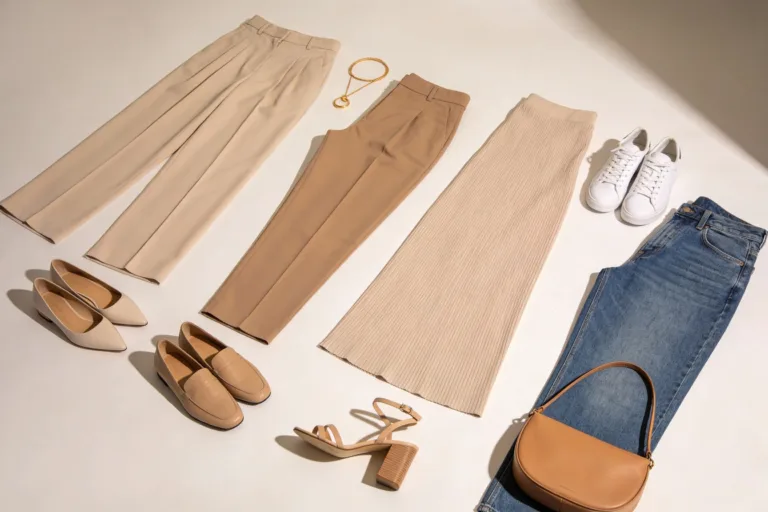
If you can’t immediately explain what makes the new piece different from what you own, you’ve hit “dupe fatigue.” Set a cap: for example, three black trousers, each with a distinct cut or fabric. Past the cap, you must replace, not add.
Is returning stuff a bad habit?
Returns aren’t evil, but habitual buy-then-decide shopping trains impulse. Also, some stores track returns and may flag accounts. Better strategy: prevent the wrong buys upfront with the 3-outfit test and waiting periods.
How do I deal with FOMO from influencers?
Assume they’re styling in optimal lighting with professional tailoring and maybe sponsorships. Save the post, walk away, and revisit in 72 hours. If you still love it and it fits your checklist, cool. If not, you dodged a closet gremlin.
Should I track what I wear?
Yes, at least for a month. Use a simple note or app. Patterns jump out fast—what you reach for, what you ignore. Then tailor your wishlist to what you actually wear, not fantasy you.
Conclusion
Impulse fashion buys feel exciting for five minutes and awkward for months. You can sidestep that by knowing your style, slowing your click, and making every piece earn its way in. Build outfits before you buy, check fabric and fit, and let a wishlist do the cooling-off work. You’ll still have fun with fashion—just with fewer returns, less clutter, and more “heck yes” outfits, IMO.