How to Build a Work Wardrobe That Isn’T Boring and Wow
You don’t need 37 blazers and a personality transplant to look sharp at work. You need a plan, a few game-changing pieces, and the confidence to ignore boring rules. Let’s build a work wardrobe that actually excites you—one you’ll reach for on those “camera-on” days and the “don’t-talk-to-me-before-coffee” days.
Start with a Clear Style POV
You can’t build a wardrobe you love without a point of view. What vibe do you want: creative cool, minimal luxe, modern classic, or power-dressing-with-pockets? Pick two or three style words and use them like a GPS.
- Modern classic: Clean lines, tailored shapes, neutral palette with the occasional navy or camel.
- Creative cool: Interesting silhouettes, unexpected textures, and one bold color or print.
- Minimal luxe: Fewer pieces, elevated fabrics, impeccable fit, quiet details.
- Relaxed polish: Comfortable cuts, soft drape, crisp sneakers, tidy proportions.
How to Find Your Words
Scroll your camera roll, Pinterest, or IG saves. Spot patterns: colors, silhouettes, shoes. If a look makes you say “ugh yes,” it belongs in your POV. If it feels like homework, toss it. IMO, three words beat thirty.
Build a Core Capsule (But Not the Boring Kind)
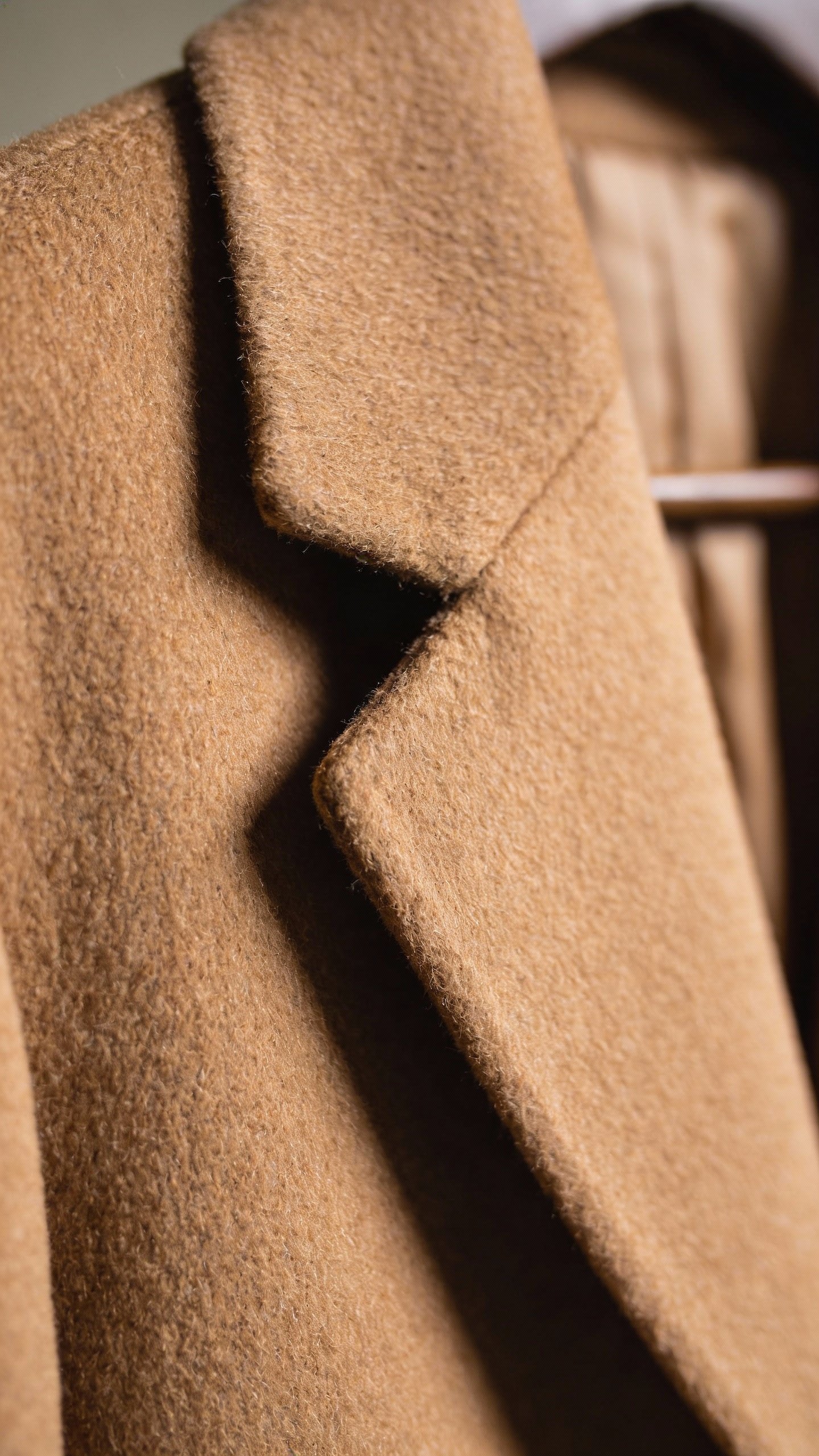
Capsules go stale when everything looks the same. Keep the backbone neutral, then add texture and shape. Think fewer items, more mix-and-match power.
- Tailoring: One blazer that fits perfectly, plus one with personality (cropped, oversized, or textured).
- Pants: A straight-leg trouser, a wide-leg pair, and a dark denim trouser if office rules allow.
- Tops: Two knit tees, one silk/satin blouse, one interesting knit (ribbed polo, half-zip, or sweetheart neckline).
- Dresses/Skirts: A knit midi dress and a bias-cut slip skirt you can layer year-round.
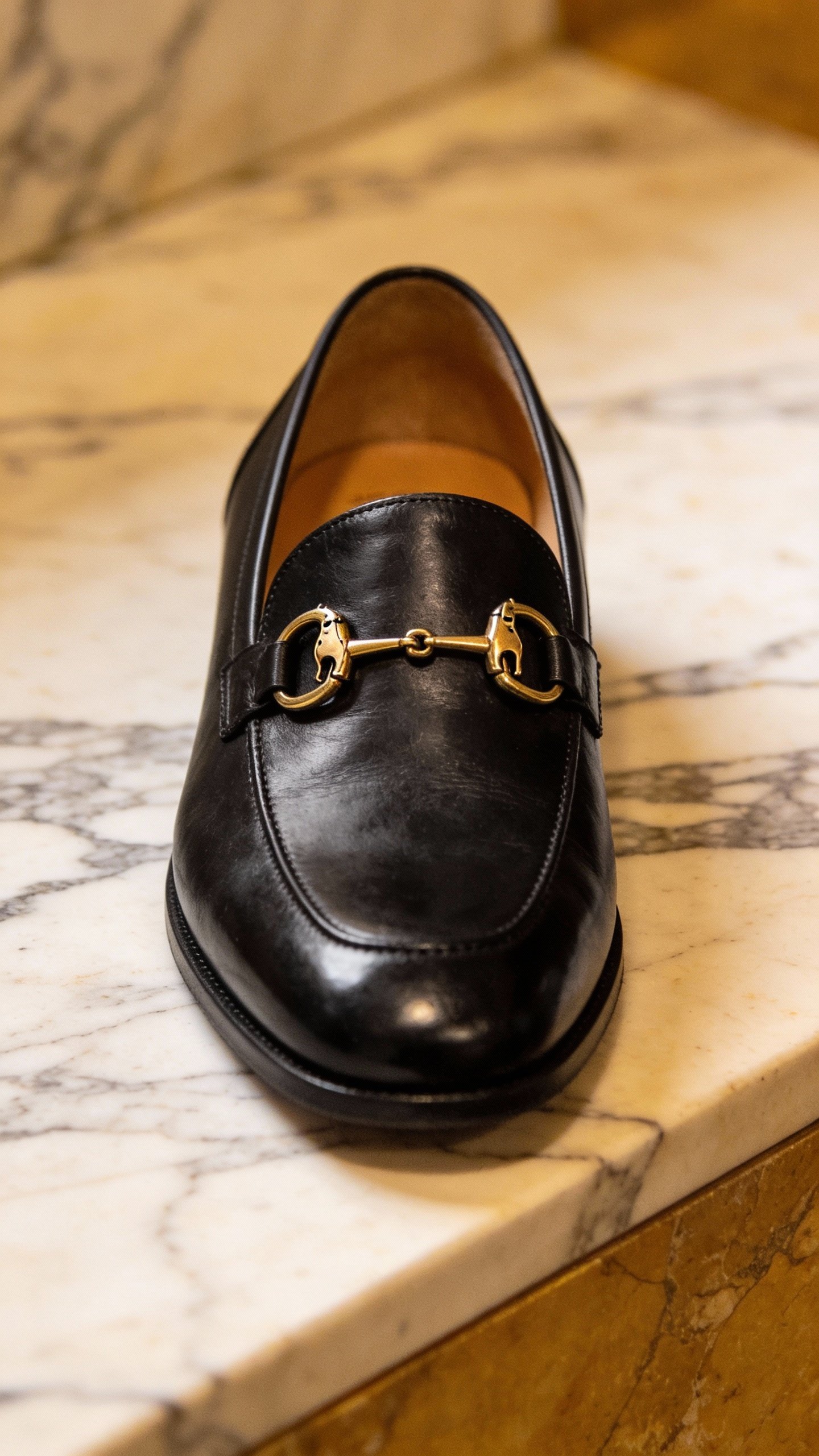
- Shoes: Sleek loafers, low block heels, and clean leather sneakers (if permitted).
Textures Keep Neutrals Interesting
Swap “black on black on black” for “wool on silk on leather.” You get the same palette with way more dimension. FYI: ribbed knits, bouclé, and matte satin play very well with suiting.
Make Color and Print Work Smart, Not Loud
You don’t need a neon blazer to look interesting (unless that’s your thing). Add color like a pro—strategically and repeatably.
- Pick a color family: Jewel tones, earthy olives and rusts, or cool blues and charcoals.
- Anchor with neutrals: Pair bold pieces with black, navy, gray, or camel to calm the look.
- Choose one hero per outfit: Printed blouse or colorful pant—never both if you want polish.
Prints That Read Professional
Pinstripes, micro-checks, houndstooth, and subtle florals feel office-ready. Animal print can work too—keep it small-scale and in neutral tones. Leopard loafers? Chef’s kiss.
Fit Is the Plot Twist
Even the coolest piece looks tired if it fits like a potato sack. Tailoring will change your life, no exaggeration.
- Shoulders: Blazer seams should hit right at your shoulder bone.
- Pants: Hem so you can walk without tripping, sit without wrinkling, and wear with your go-to shoes.
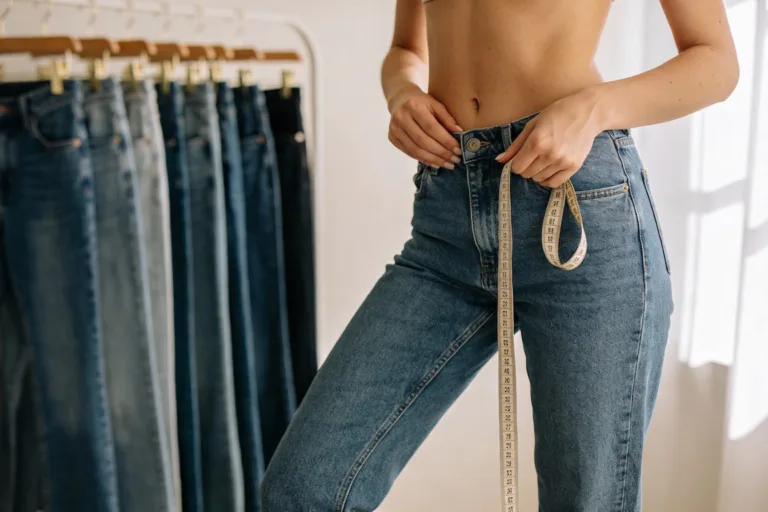
- Waist: Adjust gaping or tightness. Your belt shouldn’t work overtime.
Play with Silhouette
Balance is everything. Volume on top? Go slimmer on bottom. Wide-leg trousers? Pair with a fitted top or tucked blouse. This keeps things polished and prevents “I borrowed this from a taller cousin” energy.
Elevate with Accessories (Your Shortcut to Not-Boring)
Accessories are where personal style shows up fast. Pick a few signatures and repeat them.
- Belts: A chunky buckle or a skinny leather belt can transform a basic trouser + tee.
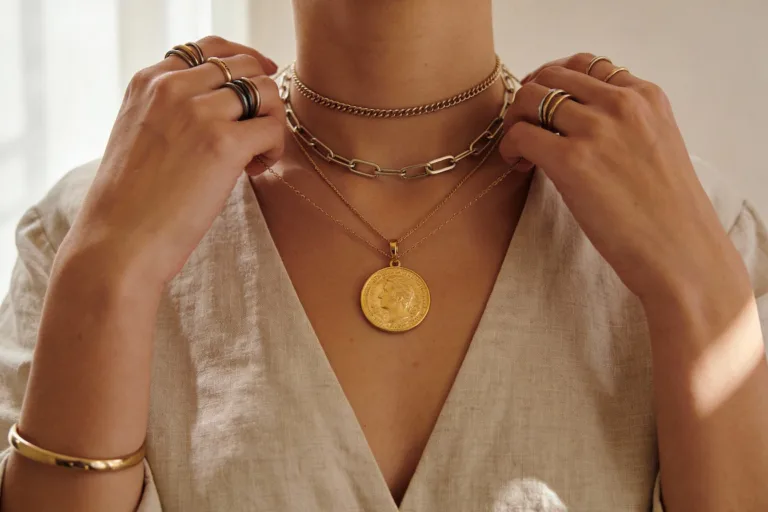
- Jewelry: Choose a lane: bold gold hoops and a cuff, or delicate stacks. Both work—just don’t mix chaos with chaos.
- Bags: Structured tote for everyday, sleek crossbody for meetings. No “bottomless pit” bags that eat your stuff.
- Scarves: Silk scarf tied at the neck or on your bag = effortless upgrade.
- Watches: Understated metal watch screams competent without saying a word.
Shoe Math That Works
Three pairs cover most work weeks: loafers, low heels, and clean sneakers (if office-appropriate). Rotate by outfit vibe and weather. Your feet (and chiropractor) will thank you.
Create Outfit Formulas You’ll Actually Use
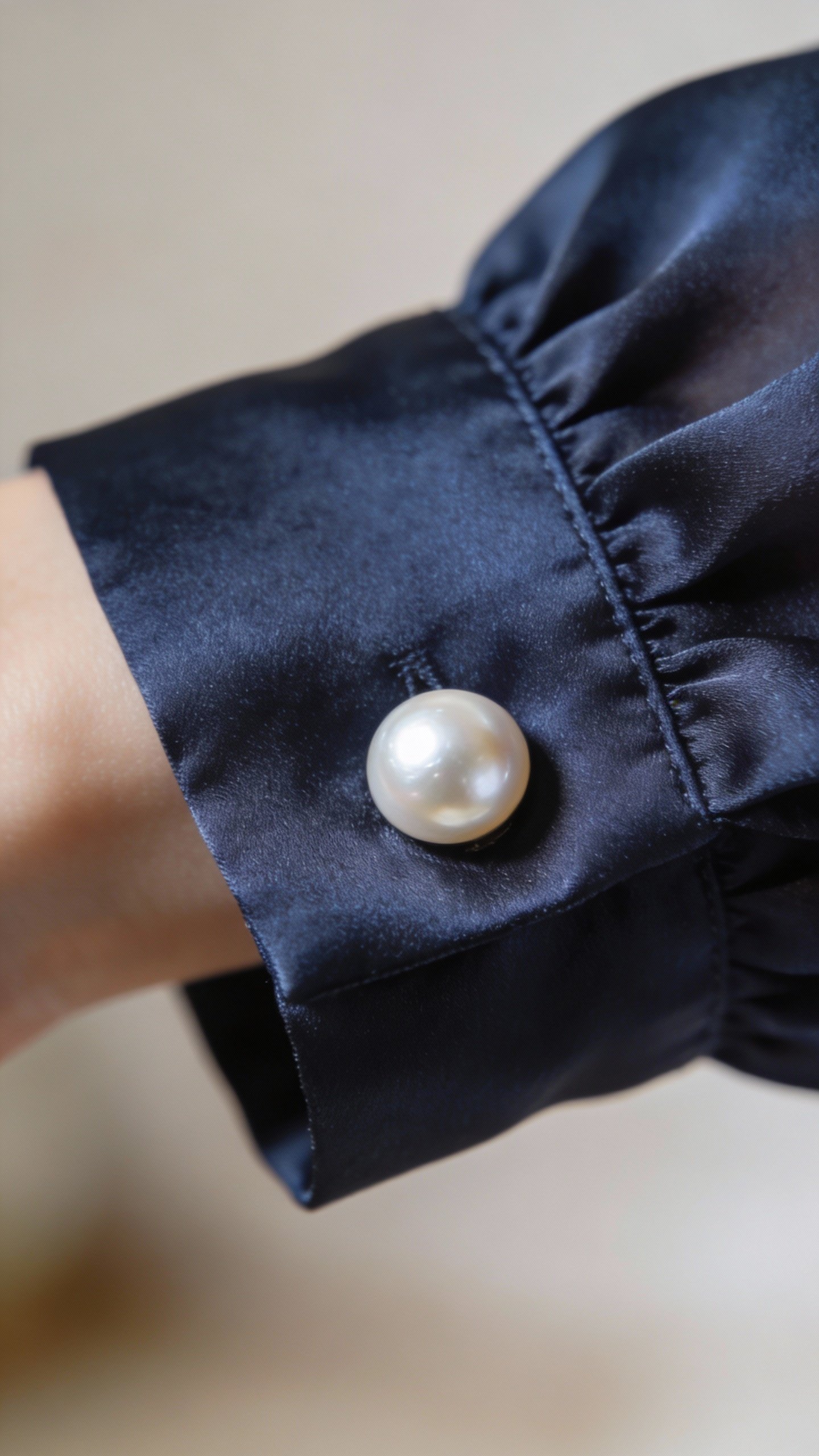
When your brain is mush at 7:30 a.m., formulas save the day. Build 3–5 combos and remix them until HR gets suspicious.
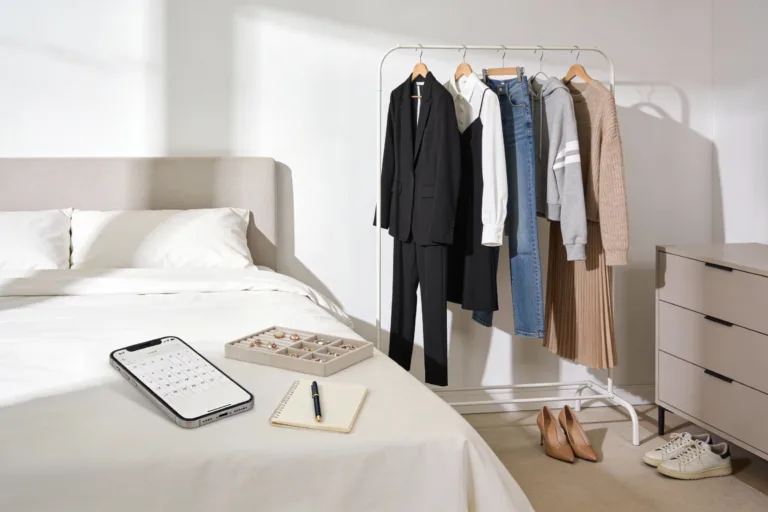
- Blazer + knit tee + tailored trouser + loafers (swap tee for silk blouse for meetings)
- Knit midi dress + belt + ankle boots
- Slip skirt + boxy sweater + pointed flats
- Wide-leg pants + fitted turtleneck + longline vest
- Dark denim trouser + crisp shirt + structured blazer (check the dress code first)
Seasonal Switch-Ups
Keep the formula, change the fabric. Linen blazer in summer, wool in winter. Swap loafers for boots, silks for knits. Consistency = easy style.
Invest Where It Counts, Save Where It Doesn’t
Not everything needs a designer price tag. Spend on the items you wear constantly, and save on trend-adjacent pieces.
- Invest: Blazer, trousers, everyday shoes, a work bag, one coat you love.
- Save: Trend colors, statement blouses, fashion-forward knits, fun belts.
Fabric Cheat Sheet
– Wool blends: Durable, drape well, look luxe.
– Cotton poplin: Crisp shirts that breathe.
– Silk/satin: Adds polish; look for washable silk if possible.
– Viscose/Tencel: Great drape, comfortable.
– Poly crepe: Low maintenance, just choose quality to avoid shine.
Personalize the “Office Basics” (Without Getting Called Into a Meeting)
You can follow the dress code and still look like yourself. Subtle twists keep it professional and personal.
- Swap the classic white shirt for a band-collar or half-placket version.
- Try color blocking with navy and camel instead of black and white.
- Choose unexpected neutrals like charcoal, chocolate, olive, and stone.
- Go monochrome in one color head-to-toe for instant sophistication.
- Opt for structured knits that look tailored but feel like pajamas. Win-win.
FAQ
How many work outfits do I actually need?
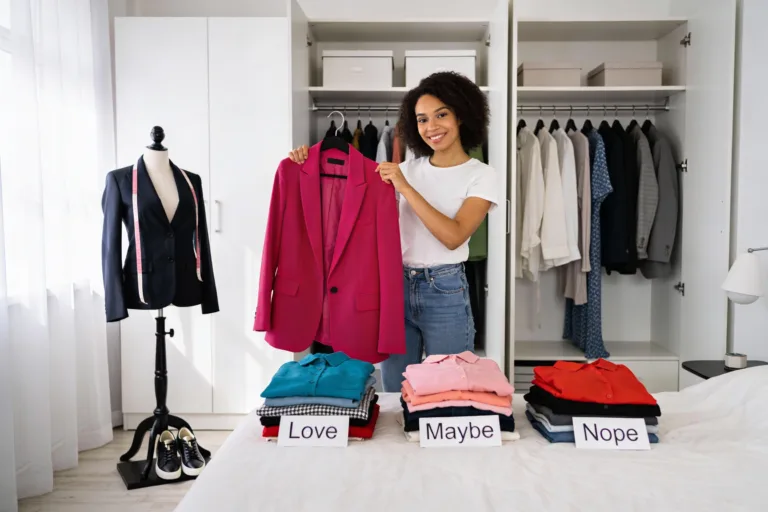
Aim for 8–12 mix-and-match pieces that create 20–30 outfits. You want enough variety to avoid outfit fatigue, but not so much that your closet becomes a black hole. Build slowly and upgrade as you learn what you wear most.
Can I wear sneakers to work without looking too casual?
Yes—choose clean leather or suede in neutral colors, and pair them with tailored pieces. Think blazer + trousers + sleek sneakers. If your office leans formal, keep sneakers for casual Fridays. FYI: chunky gym shoes read too casual for most workplaces.
What’s the easiest way to add color without freaking out?
Start with one pop: a cobalt sweater, burgundy pants, or a forest-green blouse. Anchor with neutrals and repeat the color elsewhere (belt, earrings) to make it look intentional. One pop = confident, three pops = clown car.
How do I keep my wardrobe from feeling stale over time?
Refresh one category each season—swap in a trend-adjacent knit, a new silhouette of trousers, or a different shoe shape. Edit monthly: donate or tailor anything you didn’t wear. IMO, regular pruning keeps your style sharp.
Is it worth getting clothes tailored?
Absolutely. A $60 alteration can make a mid-range piece look designer. Hem pants to your shoe height, take in the waist, and fix sleeve length. You’ll wear the item more, and it’ll photograph better on those team offsites.
What about remote work—does any of this still matter?
Yes, just adapt the formulas. Elevated knits, polished tops, and comfortable trousers carry the day. Keep a “meeting jacket” on the back of your chair. Business up top, cozy below—no one needs to know.
Conclusion
A non-boring work wardrobe isn’t about buying more—it’s about buying smarter. Choose a clear style POV, nail the fit, and use color, texture, and accessories to keep things fresh. Then rely on a few outfit formulas so getting dressed feels easy. You’ll look put-together without trying too hard, which, IMO, is the whole point.