Silky Smooth How to Make a Diy Lip Balm Without Beeswax
Chapped lips happen to the best of us, and sometimes you just want a simple, no-fuss fix you can whip up at home. Beeswax-free? Absolutely—no bees required. You can still get that smooth, creamy balm texture with plant-based ingredients you probably already have. Ready to get your melt-and-pour on?
Why Skip Beeswax?
You might avoid beeswax because you’re vegan, allergic, or just want something lighter. Totally valid. Good news: plenty of plant-based waxes and butters mimic beeswax without that waxy feel. You’ll still get the protective barrier, the glide, and the shine. And IMO, some of these alternatives feel even silkier.
Choose Your Base: Butters, Oils, and Waxes
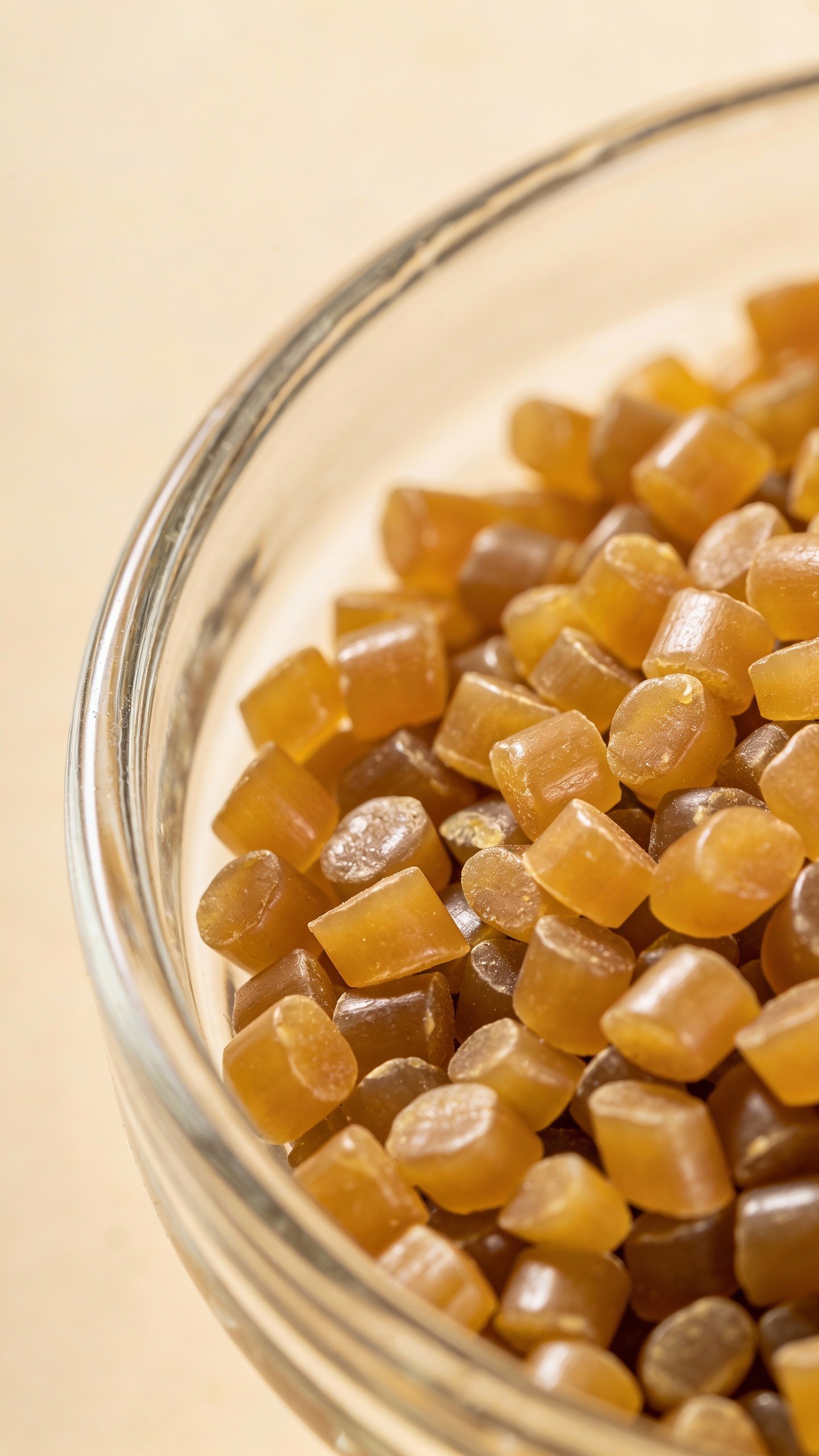
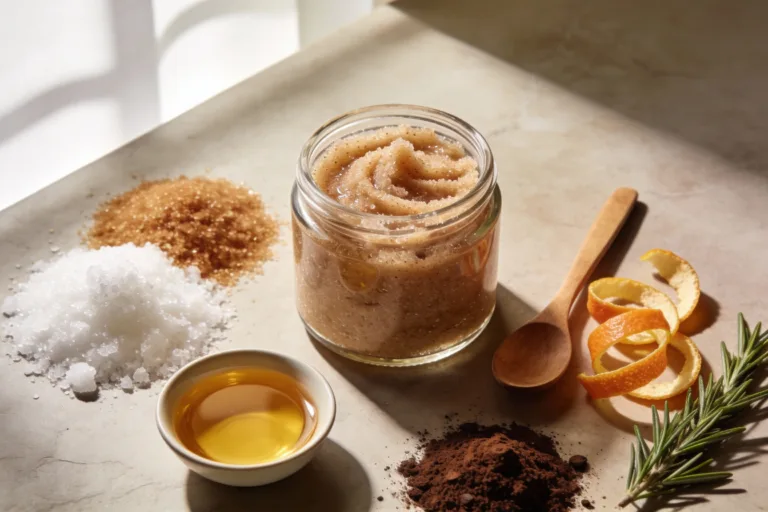
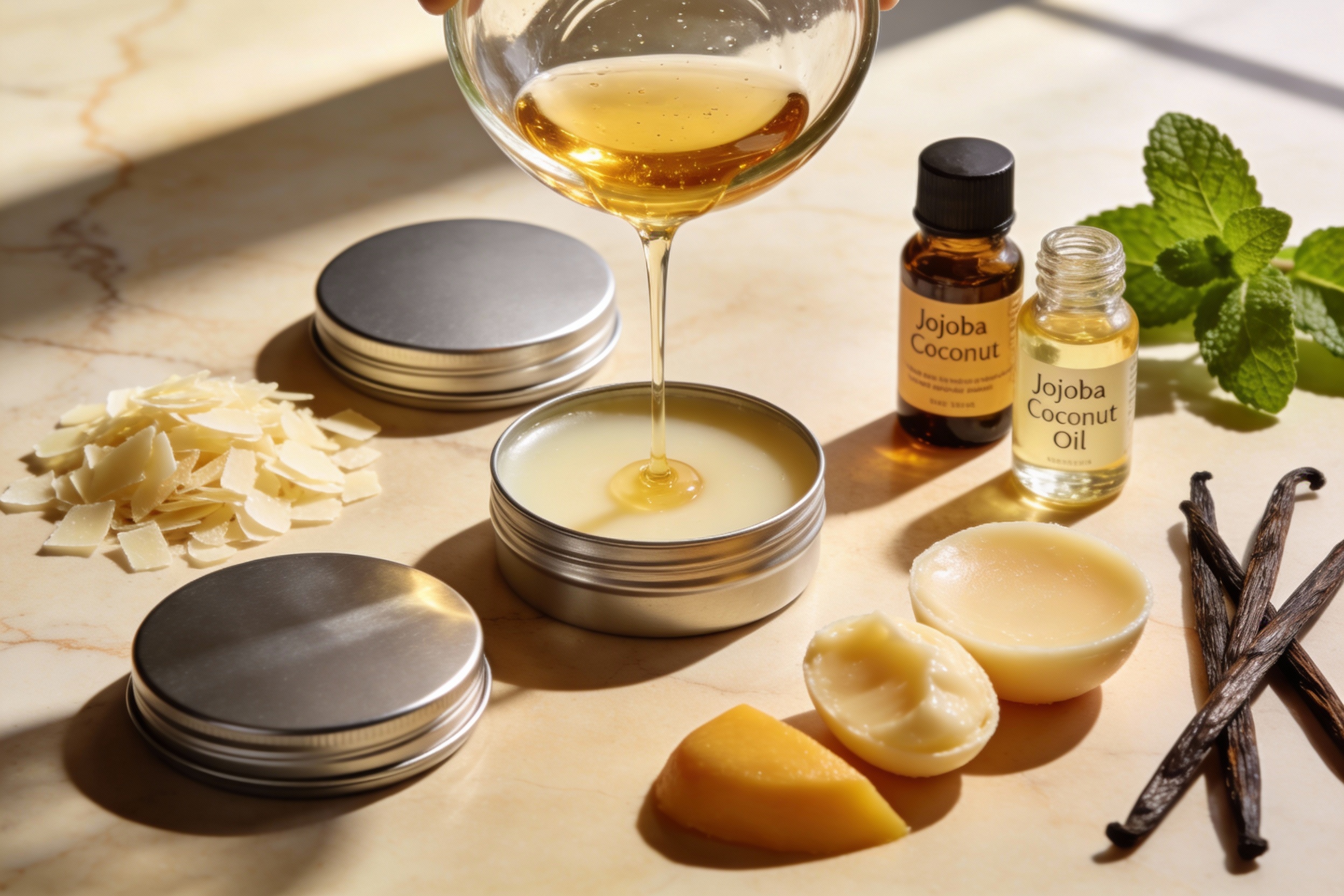
You want three things: a wax (for structure), a butter (for creaminess), and an oil (for slip and nourishment). Balance them, and your balm won’t melt in your pocket or feel like cooking oil on your lips.
Great plant-based waxes:
- Candelilla wax – Firm and glossy; use less than beeswax because it’s harder.
- Carnauba wax – Very hard; gives a shiny finish and lasts long.
- Sunflower wax – Medium hardness; nice for balms and sticks.
Butters that feel dreamy:
- Shea butter – Rich, soothing, softens flaky lips.
- Mango butter – Lighter, less greasy, spreads beautifully.
- Cocoa butter – Firm, smells like chocolate, very stable.
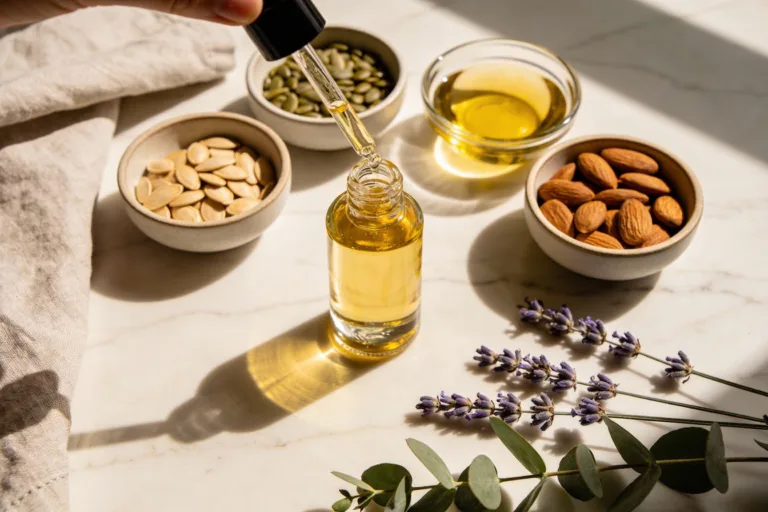
Oils that pamper:
- Sweet almond oil – Lightweight, mild, crowd-pleaser.
- Jojoba oil – Technically a liquid wax; mimics skin’s natural oils.
- Apricot kernel or grapeseed oil – Light and fast-absorbing.
- Coconut oil – Adds slip; can feel greasy if you overdo it.
Ratio Cheat Sheet
- For a soft balm in a tin: 1 part wax : 2 parts butter : 3 parts oil
- For a firmer stick tube: 2 parts wax : 2 parts butter : 2 parts oil
- Want more shine? Add more oil.
- Want more staying power? Add more wax.
Simple, Reliable Beeswax-Free Lip Balm Recipe
This makes about 3–4 standard tubes or two small tins. Scale up if you’re gifting or hoarding—no judgment.
Ingredients:
- 1 teaspoon candelilla wax
- 1 teaspoon shea butter
- 1 teaspoon cocoa butter (or mango butter for a lighter feel)
- 2 teaspoons jojoba oil (or sweet almond oil)
- 1 teaspoon coconut oil (optional for extra glide)
- 5–10 drops vitamin E (antioxidant, optional but helpful)
- 2–4 drops essential oil (peppermint, lavender, or sweet orange), optional
Tools:
- Heat-safe glass measuring cup or metal bowl
- Small saucepan for a makeshift double boiler
- Stirrer (spatula, spoon, or a clean stick)
- Lip balm tubes or tins
- Labels, if you want to feel like a professional
Steps:
- Add wax, butters, and oils (except vitamin E and essential oils) to your heat-safe cup.
- Set the cup in a saucepan with a few inches of simmering water. Stir until everything melts smoothly.
- Remove from heat. Stir in vitamin E and essential oils. FYI, go easy on essential oils—lips are sensitive.
- Pour into tubes or tins while still liquid. Let set undisturbed for 30–60 minutes.
- Cap, label, and do a happy dance. You just made lip balm.
Troubleshooting Texture
- Too hard? Remelt and add 1/2 teaspoon oil.
- Too soft or melty? Remelt and add 1/4 teaspoon wax.
- Grainy? That’s shea or cocoa crystallizing. Remelt gently, then cool quickly in the fridge.
Flavor, Tint, and Fun Add-Ins
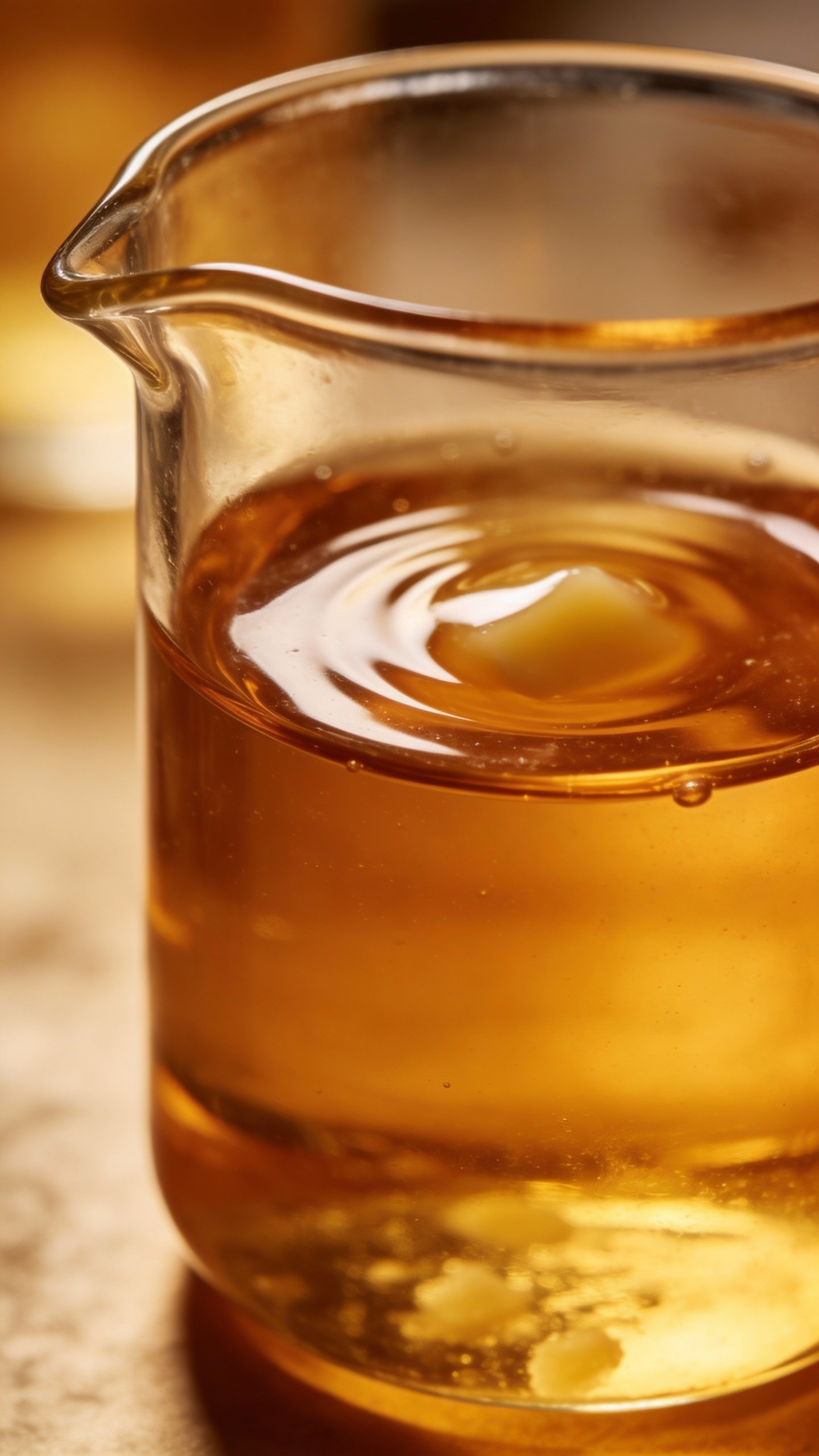
You can go minimalist or do a full-on flavor lab. Keep it safe and lip-friendly.
Essential oils (use sparingly):
- Peppermint – Tingly and fresh. 1–2 drops per batch.
- Sweet orange – Bright and gentle. 2–4 drops.
- Lavender – Calming, soft. 1–3 drops.
Avoid strong or phototoxic oils like cinnamon, clove, or cold-pressed lemon—your lips will not thank you.
Tint options:
- Mica powder – Cosmetic-grade only; start with 1/8 teaspoon.
- Beetroot powder – Natural pink, but can clump; mix well.
- Cocoa powder – Adds a subtle nude-brown warmth and smells delicious.
Boosters for Extra Care
- Lanolin alternatives – Try cupuaçu butter for serious moisture.
- Plant squalane – Adds lightweight slip and softness.
- Blueberry or raspberry seed oil – Antioxidant-rich, very chic.
Hygiene, Safety, and Shelf Life
I know, not the sexiest section, but important. You want a lip balm that stays fresh, right?
- Sanitize containers with isopropyl alcohol and let them dry completely.
- Use clean tools and avoid touching the inside of tubes or tins.
- Skip water-based add-ins unless you use a proper preservative. Oil-only balms don’t need one.
- Shelf life: 6–12 months, depending on your oils. If it smells off, toss it.
- Storage: Keep away from heat and direct sun. Your pocket on beach day? Maybe not.
Allergy Check
Always patch test on the inside of your arm and wait 24 hours if you have sensitive skin. Nut oils can trigger reactions, so swap almond oil for jojoba or sunflower oil if needed. IMO, jojoba plays nicely with most skin types.
Zero-Waste and Budget Tips
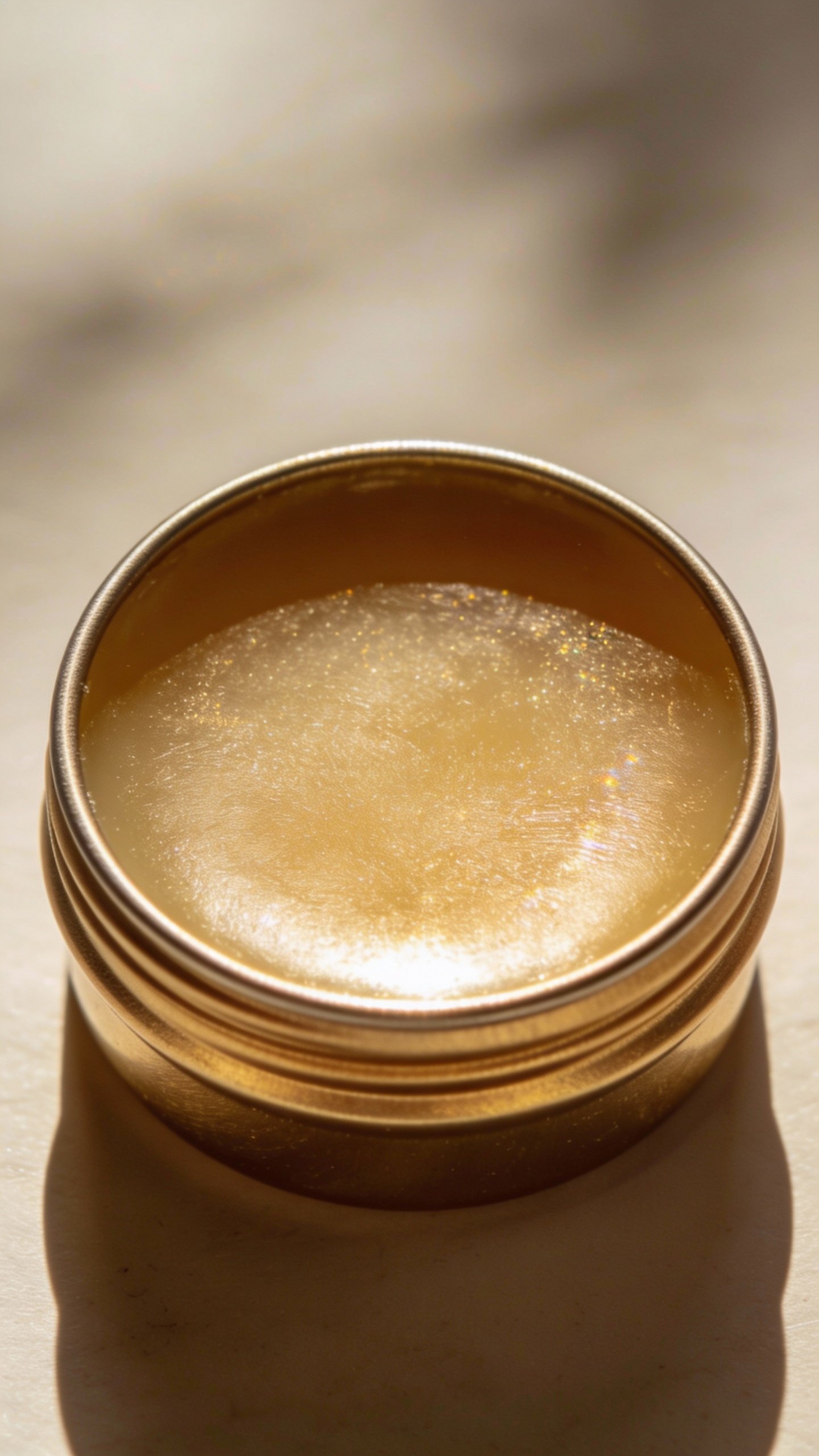
You can DIY without buying a whole store’s worth of ingredients. Start small and build your stash.
- Buy sample sizes of waxes and butters before committing.
- Repurpose tiny tins from mints or travel kits—clean well and sanitize.
- Use what you have—coconut oil and cocoa butter can go in baking too. Multi-tasking for the win.
- Label your experiments with ratios so you can recreate your perfect texture.
FAQs
Can I make lip balm without any wax at all?
Yes, but you’ll get more of a glossy salve than a firm balm. Use a higher ratio of butters like cocoa or mango to add structure. A jar or tin works best for no-wax versions.
What’s the best vegan wax for beginners?
Candelilla wax. It melts easily, sets quickly, and gives a nice firm texture. Just remember it’s harder than beeswax, so use a bit less.
How do I fix a balm that won’t solidify?
It needs more wax or a firmer butter. Remelt the batch and add 1/4 to 1/2 teaspoon candelilla wax, stir, and pour again. Quick chill in the fridge to test the final set.
Is vitamin E a preservative?
Nope. It’s an antioxidant that slows rancidity in oils, which helps with shelf life, but it won’t stop microbes. Because this formula is oil-only, you don’t need a preservative, but keep water out.
Can I use flavor oils made for candy?
Some are lip-safe, some aren’t. Check that they’re specifically labeled for lip products. Also, start low—too much can irritate or taste weird.
Why does my lip balm feel grainy?
Shea and cocoa butters can crystallize if they cool slowly. Remelt gently, then pop the filled containers into the fridge to cool fast. That usually solves the texture drama.
Conclusion
You don’t need beeswax—or a chemistry degree—to make a killer lip balm. Pick a wax, grab a butter, add your favorite oil, and tweak the ratios until it feels just right. Keep it clean, keep it simple, and have fun experimenting. Your lips (and your wallet) will thank you, FYI.