Glow Up Fast How to Treat Oily Skin with Homemade Products
Grease-slick T-zone by 10 a.m.? Same. Oily skin can feel like your face is moonlighting as a nonstick pan. The good news: you can rebalance it with simple, homemade products that actually work. No mystery chemicals. No $60 toner. Just smart ingredients, easy routines, and a little consistency.
First, Know Thy Oil: What’s Causing It?
Oily skin isn’t the villain. It’s your skin’s way of protecting itself. Sebum keeps your barrier happy—until it parties too hard and clogs your pores.
Common triggers:
- Over-cleansing (yep, that “squeaky clean” feeling = skin crying for help)
- Harsh products that strip oils and trigger rebound oil
- Hormones and stress (classic troublemakers)
- Environment—heat and humidity turn you shiny faster
IMO, the goal isn’t “no oil.” It’s balanced oil. Let’s get you there with a routine you can DIY.
Build a Minimalist Routine (With Stuff You Actually Own)
You don’t need 12 steps. You need three good ones: cleanse, tone, moisturize. Then spot treat as needed.
Step 1: Gentle Cleanser (Morning + Night)
Skip soaps that leave your skin tight. Use a super simple DIY:
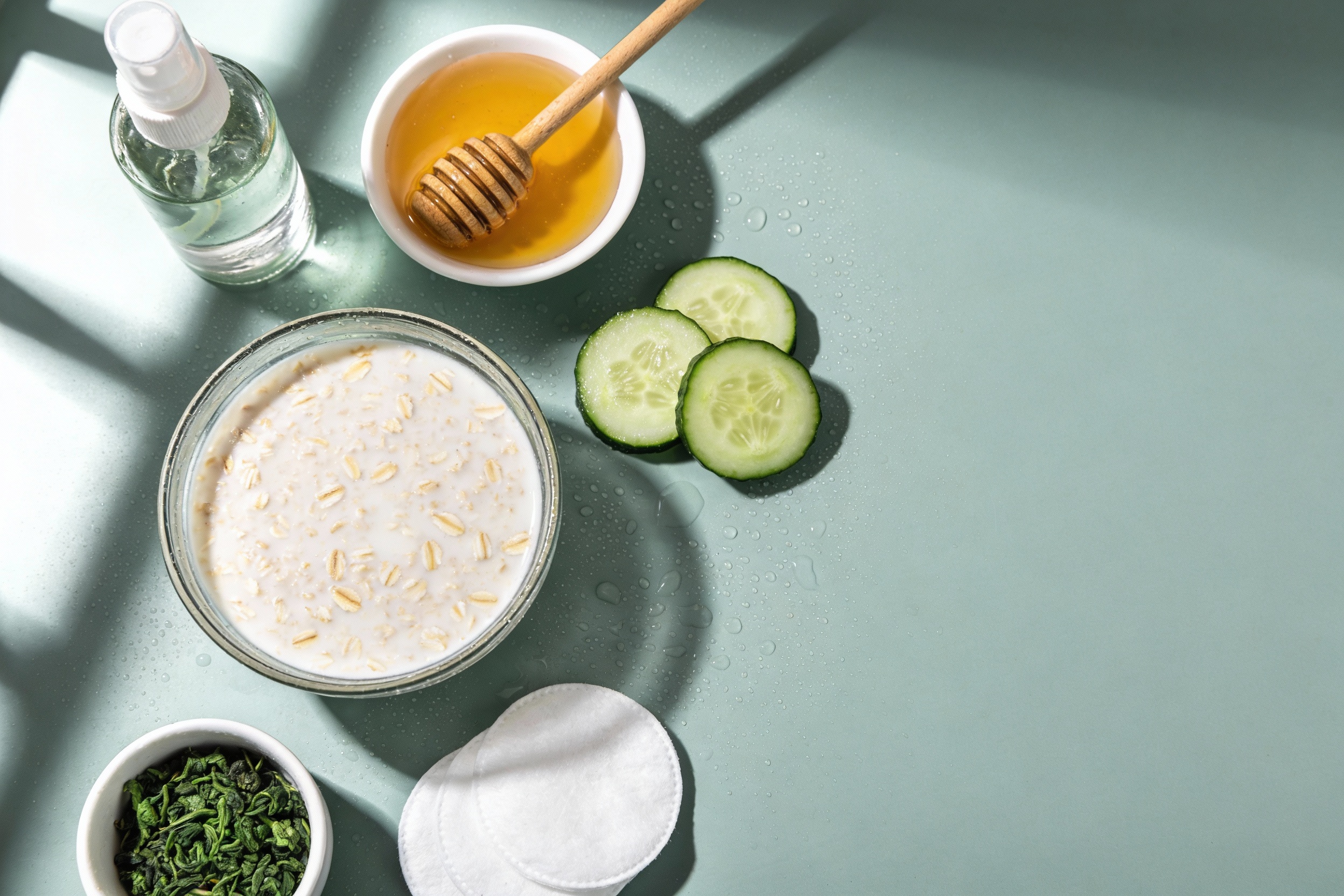
- Oat Milk Cleanser: Blend 2 tbsp rolled oats with 1/2 cup warm water. Strain. Use the milky liquid to cleanse with cotton or hands, then rinse. It cuts oil without stripping.
- Honey Cleanse: Massage 1 tsp raw honey on damp skin for 30–60 seconds; rinse. Honey calms and doesn’t wreck your barrier.
FYI, if you’re wearing sunscreen or makeup, first remove with a light oil like grapeseed (non-comedogenic) and a warm washcloth. Then follow with honey or oat.
Step 2: Balance With a Mild Toner
You’re not trying to burn off oil; you’re trying to nudge your pH and calm your pores.
- Green Tea Toner: Brew strong green tea, cool, and store in the fridge for up to 3 days. Swipe on with cotton. It’s antioxidant-rich and reduces redness.
- Diluted Apple Cider Vinegar: 1 part ACV to 10 parts water. Test first. If your skin doesn’t sting or flush, you can use nightly. It gently exfoliates and balances pH.
Patch test ACV. If you feel heat or tightness, scrap it and stick with green tea.
Step 3: Yes, You Need Moisturizer
Oily skin still needs hydration. Starved skin overcompensates with more sebum.
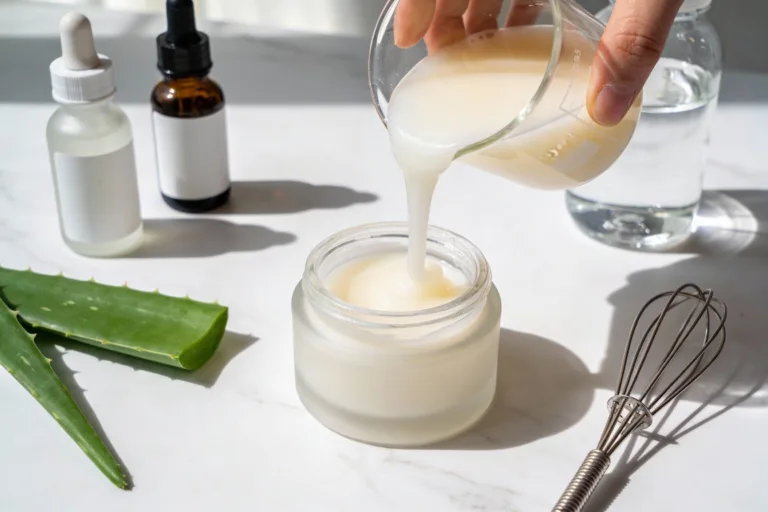
- Aloe + Glycerin Gel: 1 tbsp pure aloe gel + 2–3 drops glycerin. Hydrates without grease.
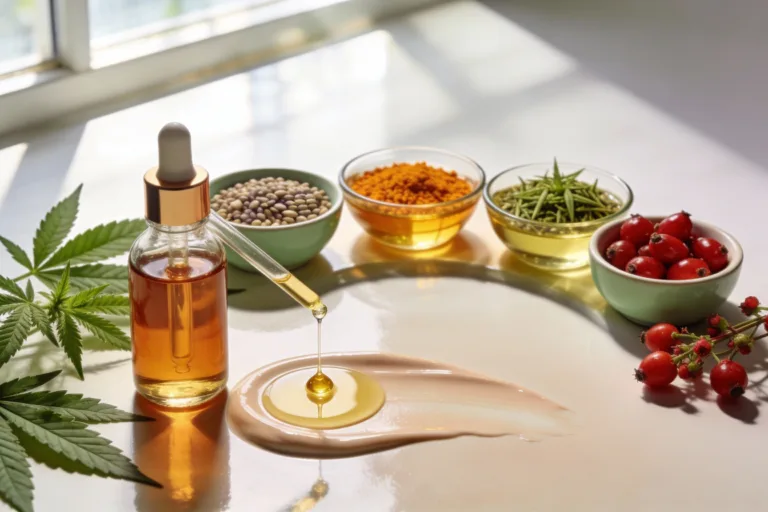
- Grapeseed Oil Serum: 2–3 drops on damp skin at night. Lightweight and helps balance oil production.
Keep it thin. Think “veil,” not “duvet.”
Targeted Treatments: Masks and Exfoliation
Use these 1–2 times a week max. More ≠ better (ask my teenage face).
Clay Masks That Don’t Overdo It
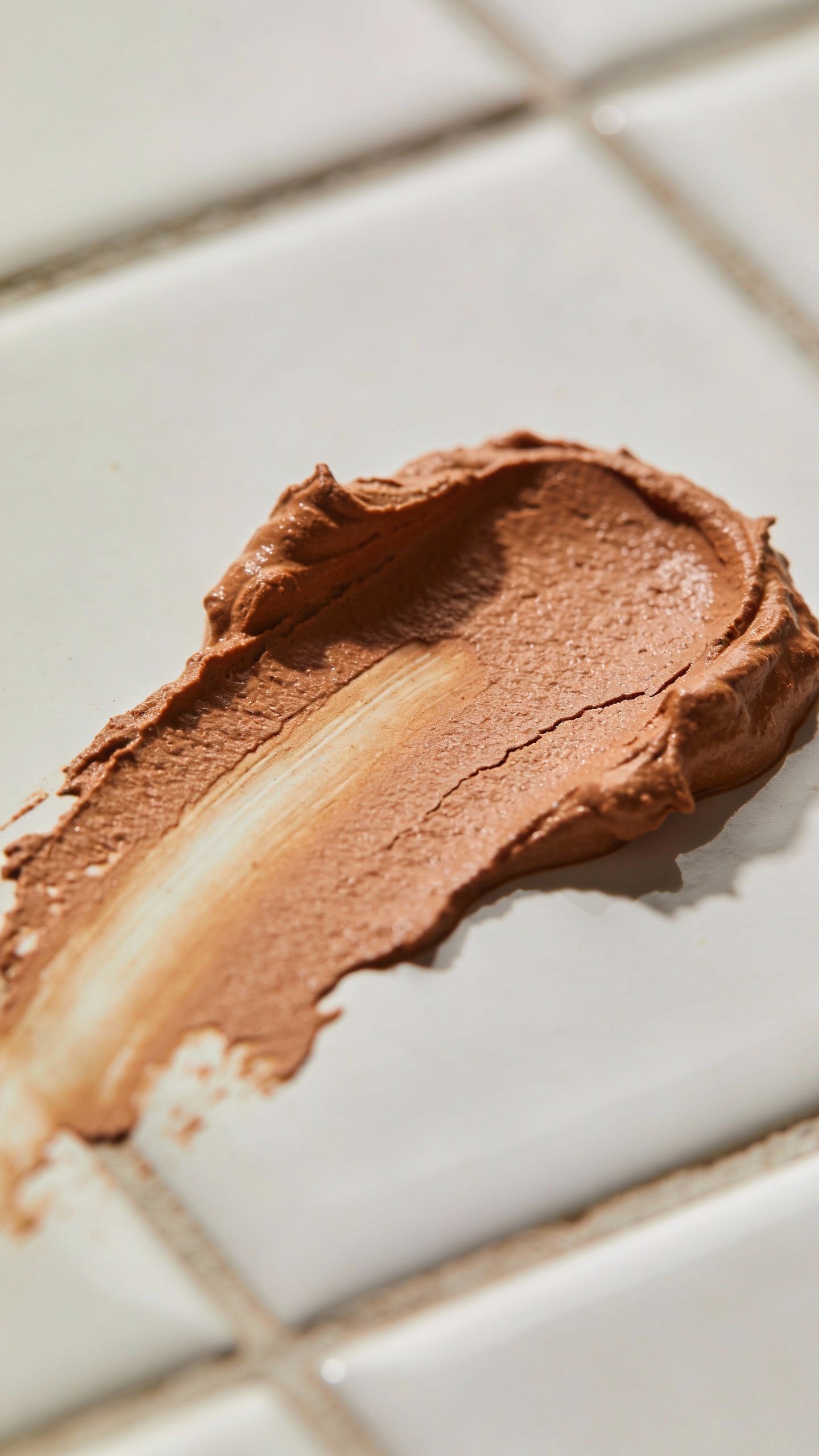
Clay absorbs oil and minerals help calm breakouts. But don’t let it crack and flake—that’s too drying.
- Bentonite + Green Tea: 1 tsp clay + enough cooled green tea to make a paste. Apply for 8–10 minutes max. Mist if it starts to dry.
- Kaolin + Honey: 1 tsp kaolin + 1 tsp honey + a splash of water. Gentler, great for sensitive oily types.
Rinse with lukewarm water. Follow with aloe or your moisturizer. Your skin will thank you by not overproducing oil.
Gentle DIY Exfoliation (Chemical > Scrubs)
Skip gritty scrubs that create micro-tears. Use mild acids from your kitchen—carefully.
- Yogurt Mask (lactic acid): Plain yogurt on clean skin for 5–7 minutes. Removes dead skin, softens texture, and helps pores look smaller.
- Diluted Lemon Water (citric acid): Only for resilient skin. 1 tsp lemon juice in 1/4 cup water, swipe on, wait 2 minutes, rinse. Follow with sunscreen the next day (and every day).
If you tingle lightly, fine. If you sting, rinse ASAP and switch to yogurt. IMO, yogurt wins for most people.
Spot Treatments for Breakouts
Pimples happen. Keep it simple and precise.
- Honey Dab: A tiny dot on a clean pimple for 20 minutes. Antimicrobial and soothing.
- Green Tea Compress: Press a cooled green tea bag over a breakout for 3–5 minutes. Great for inflamed zits.
- Turmeric Paste: Pinch of turmeric + water to form a paste, dot on for 10 minutes. Helps redness. Warning: it stains. Use at night, not before brunch.
Smart Swaps in Your Routine
A few tweaks reduce midday shine dramatically.
- Switch to breathable makeup: Mineral or powder formulas over heavy creams.
- Blot, don’t powder-stack: Use blotting paper or clean tissue, then a light dusting of cornstarch or rice powder as a DIY setting powder.
- Hydrate from inside: Dehydration = more oil. Water helps; also eat water-rich foods (cucumber, berries).
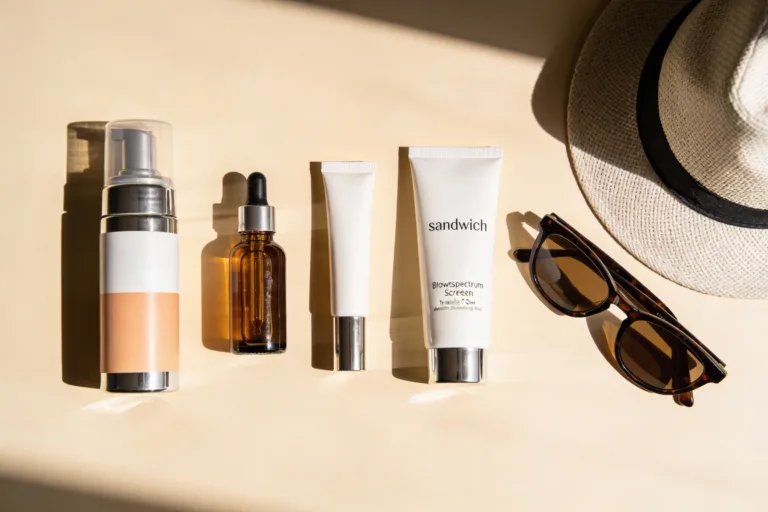
- Sunscreen hack: If you can’t find a DIY sunscreen (don’t DIY sunscreen), choose a mineral SPF gel-lotion. Apply last. Reapply with a powder SPF if possible.
Ingredient Deep-Dive (What Works and Why)
Let’s keep it nerdy but digestible:
- Honey: Humectant + antimicrobial. Great daily cleanser for oily but sensitive skin.
- Aloe vera: Soothes, hydrates without heaviness. Calms redness post-exfoliation.
- Green tea: Antioxidants + anti-inflammatory. Helps reduce sebum oxidation that leads to clogged pores.
- Grapeseed oil: Lightweight, rich in linoleic acid, which oily/acne-prone skin often lacks. Helps rebalance sebum composition.
- Clays (bentonite/kaolin): Absorb excess oil; use sparingly to avoid rebound oil production.
- Yogurt (lactic acid): Gentle exfoliation + moisture. Smooths texture without scratching.
- Apple cider vinegar: Acidic, may rebalance pH; only when diluted and patch tested.
If a DIY recipe calls for essential oils on your face, hard pass. They often irritate and can trigger more oil. Keep it simple.
Sample Weekly Routine
Keep it realistic. You can tweak as you go.
- Morning: Oat or honey cleanse → Green tea toner → Aloe + glycerin → Mineral sunscreen.
- Evening: Oil cleanse if needed → Honey cleanse → ACV toner (or green tea) → Grapeseed oil (2–3 drops) or aloe gel.
- Twice weekly: Clay mask or yogurt exfoliation (not both the same day).
- As needed: Spot treat with honey or turmeric; blot midday oil with tissue.
FAQ
Will DIY products clog my pores?
They don’t have to. Stick to non-comedogenic options like grapeseed oil, aloe, honey, kaolin clay, and green tea. Avoid heavy oils like coconut oil on your face and keep recipes simple—fewer ingredients = fewer surprises.
How long until I see results?
You’ll feel less slick in about a week. Texture and congestion improve in 2–4 weeks with consistent cleansing and light exfoliation. Give your skin a month before you judge. Patience beats panic.
Can I use lemon or baking soda every day?
Nope. Lemon is acidic and photosensitizing; baking soda is too alkaline and can wreck your barrier. Use lemon very diluted and sparingly. Skip baking soda entirely on your face. Your barrier isn’t a kitchen sink.
What if I have oily AND sensitive skin?
Go ultra-gentle. Choose honey or oat cleansers, green tea toner, aloe gel moisturizer, and kaolin over bentonite. Skip ACV and citrus. Patch test everything on your jawline first. IMO, your skin will love the yogurt mask once a week.
Do I still need sunscreen if I stay indoors?
Yes. UVA sneaks through windows and messes with collagen and pigmentation. Choose a lightweight mineral SPF. Reapply if you sit near windows or spend time outside.
Why does my skin get oilier after I mask?
You likely over-dried it. When your barrier freaks out, it pumps more oil to compensate. Keep clay masks short, don’t let them crack, and moisturize after. Balance > blast.
Wrap-Up: Shine On, But Make It Controlled
Oily skin isn’t a curse—it’s a balancing act. Cleanse gently, tone smart, moisturize lightly, and sprinkle in masks and exfoliation like seasoning, not like hot sauce. Keep your recipes minimal, your expectations realistic, and your sunscreen loyal. Do that, and your glow reads “radiant,” not “deep-fryer.” FYI, your future selfies will thank you.