The Secret to How to Make a Face Oil That Balances Your Skin
You want glow, not grease. Calm, not crusty. A face oil that actually balances your skin sounds mythical, but it’s not. You just need the right oils, the right ratios, and a little patience. Let’s build a lightweight, non-gunky face oil you’ll actually look forward to using.
Why Face Oil Can Balance (Not Break) Your Skin
Face oil doesn’t mean oily skin. It means controlled, nourished, and supported skin. When you apply the right plant oils, you mimic and support your skin’s natural sebum. Your skin reads that as “we’re good here” and chills out on overproducing oil.
The trick? Choose oils with a balanced fatty acid profile and make sure they feel featherlight. Heavy, greasy oils often cause congestion. Light, fast-absorbing ones help smooth, soothe, and keep your skin barrier happy.
Know Your Skin Type—Then Pick Your Oils
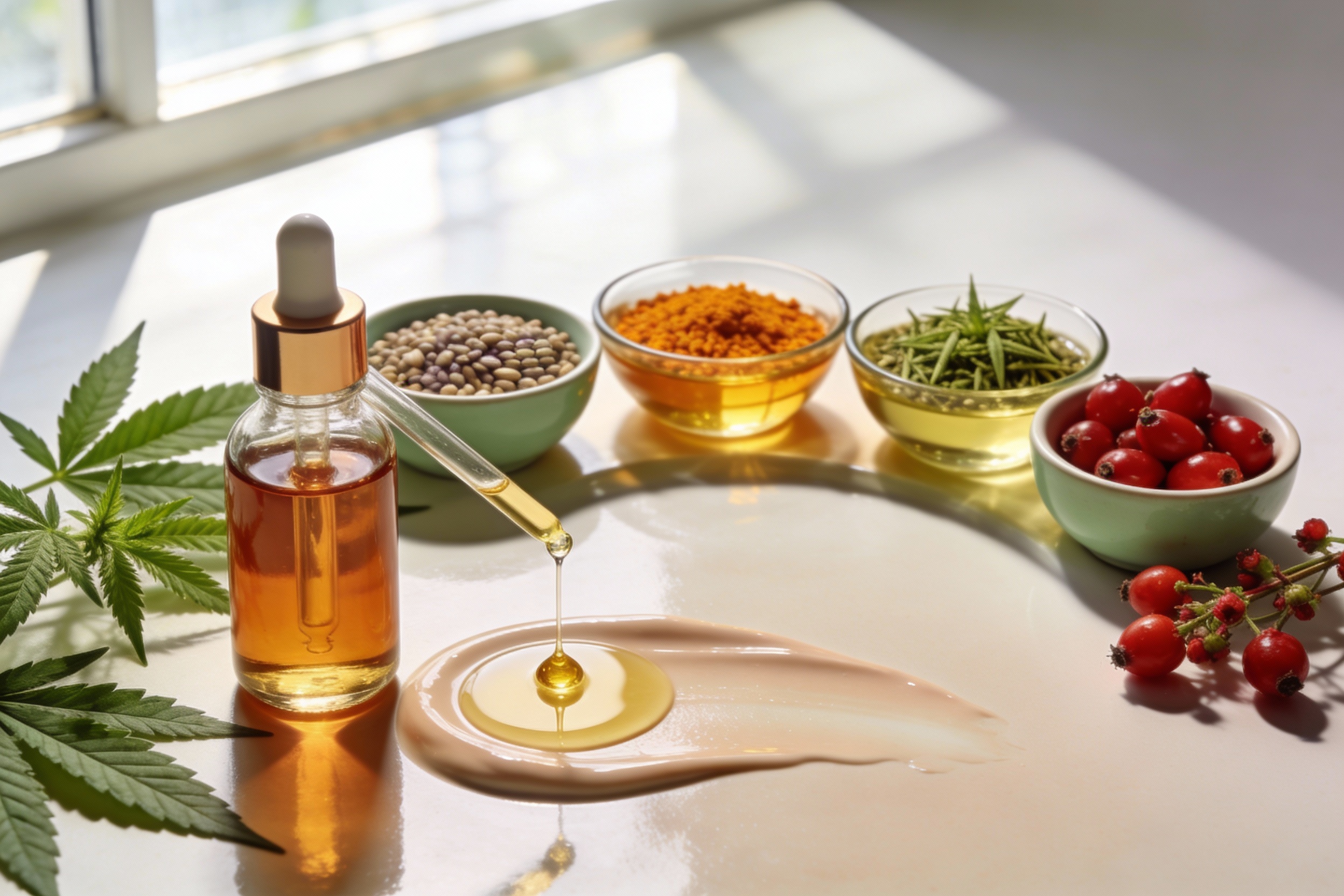
You don’t need a 12-oil cocktail. You need 2-4 good ones, max. Here’s a simple cheat sheet:
If you’re oily or acne-prone
Choose dry, high-linoleic oils that won’t congest.
- Grapeseed: Featherlight, great for shine control.
- Safflower (high-linoleic): Balances sebum like a boss.
- Hemp seed: Calm, non-greasy, green and glorious.
- Rosehip: Gentle brightening; supports texture.
If you’re combination
Blend a light oil with a mid-weight one for harmony.
- Jojoba: Mimics sebum; great “base” oil.
- Marula: Silky, softening, not heavy.
- Squalane (olive or sugarcane-derived): Ultra-light and stable.
If you’re dry or sensitive
Go soothing and barrier-supporting.
- Camellia: Elegant, soft, absorbs beautifully.
- Meadowfoam: Stable, cushiony, seals hydration.
- Oat oil: Calming, helps redness.
FYI: you can mix and match across categories if your skin is moody. Skin doesn’t read labels.
The Balancing Formula (Base Recipe)
Here’s a simple, balanced starter blend that works for most skin types. Tweak as you go.
Base Blend (1 oz / 30 ml)
- 40% jojoba (12 ml): lightweight, sebum-friendly anchor
- 30% grapeseed (9 ml): adds slip without shine
- 20% squalane (6 ml): fast-absorbing, non-comedogenic
- 10% rosehip (3 ml): brightens and supports texture
Optional boosts (choose 1-2, up to 5% total):
- 1-2% Vitamin E (mixed tocopherols): antioxidant, extends shelf life
- 1% CoQ10 (pre-diluted): skin-smoothing, protective
- 0.5% bisabolol: calming for redness and irritation
IMO, skip essential oils at first. They can irritate, especially on just-washed skin. If you insist, keep them at 0.3-0.5% max and patch test.
Tools, Prep, and Sanity-Saving Tips
Keep it simple but clean. You don’t need a lab. You do need common sense.
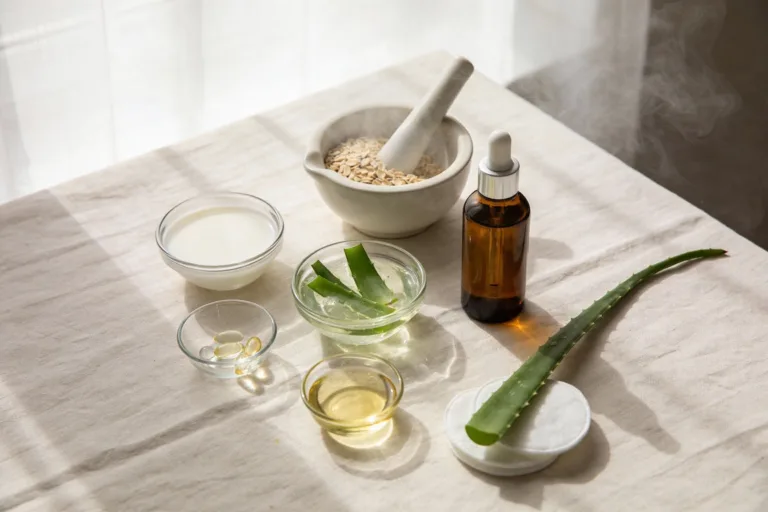
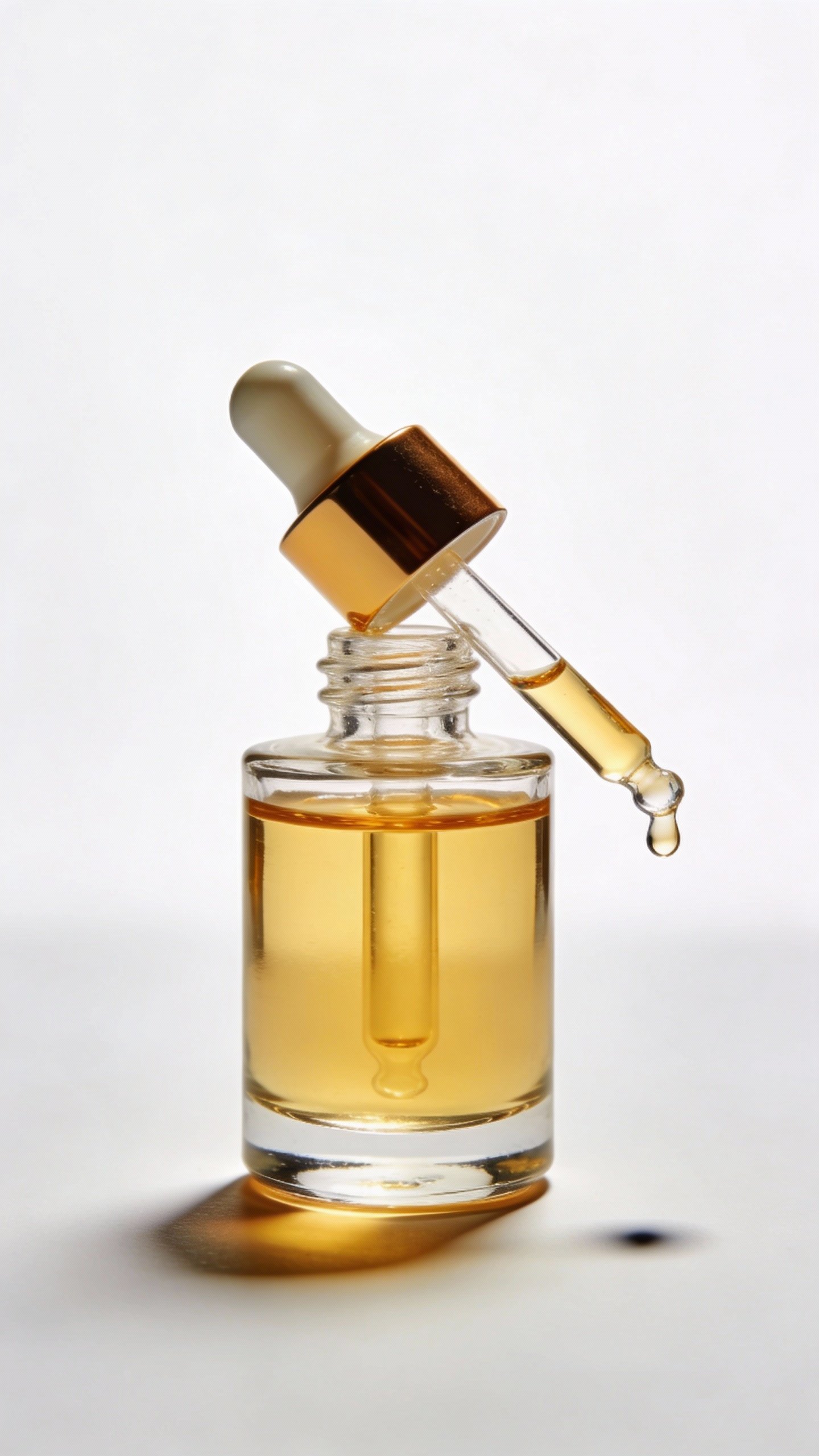
- Tools: 1 oz glass dropper bottle (amber/blue), small funnel or pipettes, measuring spoons or a scale, alcohol wipes.
- Sanitize: Wipe tools and bottle interiors with alcohol; let them air-dry.
- Label: Write the date and formula. Future-you will thank you.
Storage
- Store in a cool, dark place.
- Use within 6 months for freshness (rosehip and hemp go rancid faster).
- Add Vitamin E to slow oxidation, but remember it’s not a preservative for water-based formulas.
Step-by-Step: Mix It Up
Follow this order for a fuss-free blend.
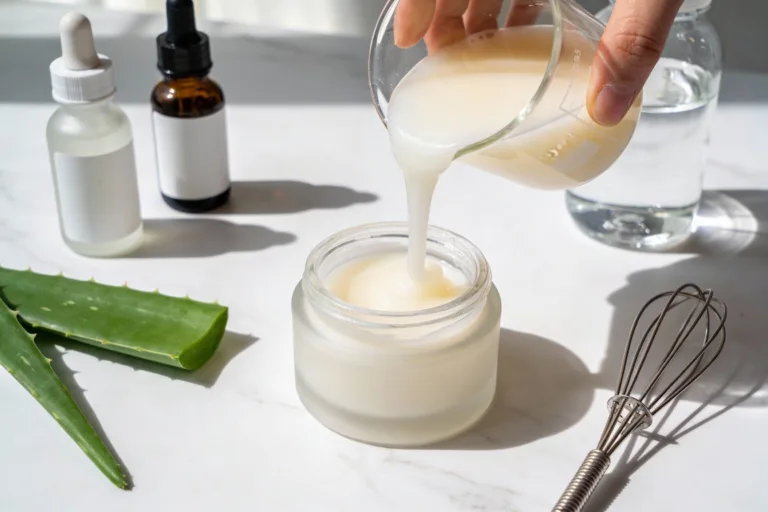
- Measure your base oils into a clean beaker or small bowl.
- Add your optional boosts (Vitamin E, CoQ10, etc.). Stir or swirl gently.
- Funnel into your bottle. Cap tightly. Swirl again.
- Patch test on your jawline for 24 hours. Annoying? Yes. Worth it? Also yes.
Texture check: Put 1 drop on your wrist. If it sinks in quickly and leaves a soft sheen (not a fry-up), you nailed it.
How to Use It for Balance (Not Build-Up)
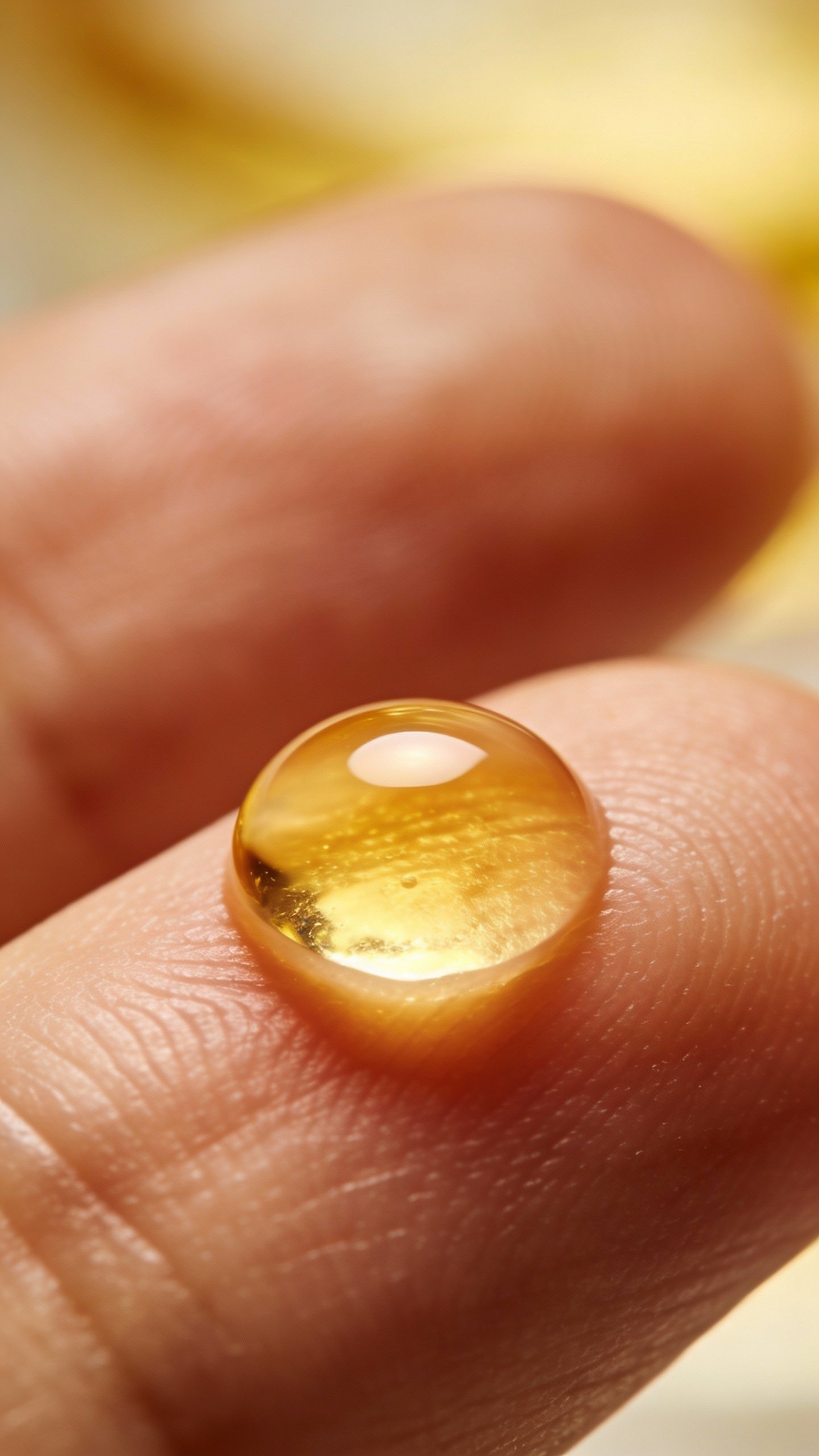
Application matters as much as the recipe. Don’t drench your face in oil and blame the oil.
- When: Last step at night; or after serum in the morning if your sunscreen plays nice.
- How much: 2-4 drops. Warm between palms. Press, don’t rub. Focus on dry areas first.
- With moisturizer: Apply face oil after a water-based serum or moisturizer to seal hydration.
- Under makeup: Use 1-2 drops max. Too much = slip-and-slide.
Tweak As You Go
- Shiny by midday? Swap grapeseed for more squalane, or add 10% hemp seed.
- Feeling tight? Add 10% meadowfoam or camellia.
- Breaking out? Reduce rosehip to 5% and increase jojoba or squalane.
Advanced Balancing: Fatty Acids and Comedogenic Ratings
You don’t need a chemistry degree, but a few pointers help.
- Linoleic acid (omega-6): Oily/acne-prone skin often benefits from higher linoleic content (grapeseed, hemp, safflower).
- Oleic acid (omega-9): Feels richer; great for dry/sensitive skin, but can feel heavy if you’re breakout-prone (olive, avocado, marula).
- Comedogenic ratings: They’re guidelines, not gospel. Your skin is the final judge.
- Stability: Highly unsaturated oils go rancid faster—store well and make smaller batches.
Three Alternative Mini-Formulas
- Oily/Acne-Prone: 50% jojoba, 25% grapeseed, 15% hemp, 10% squalane + 1% Vitamin E.
- Combination: 40% squalane, 30% jojoba, 20% marula, 10% rosehip + 0.5% bisabolol.
- Dry/Sensitive: 45% camellia, 30% meadowfoam, 15% squalane, 10% oat + 1% Vitamin E.
Common Mistakes (And Easy Fixes)
Let’s prevent the “why am I a buttered potato?” situation.
- Using too much: Oil ≠ moisturizer. Use drops, not droppers.
- Skipping hydration: Apply on damp skin or after a hydrating serum so the oil can lock it in.
- Overloading actives: Keep exfoliating acids and retinoids separate or go slow to avoid irritation.
- Dirty droppers: Don’t touch the dropper to your face. Bacteria say thanks otherwise.
FAQ
Will face oil clog my pores?
Not if you choose the right oils and use a few drops. Look for lighter, high-linoleic oils if you’re prone to congestion. Patch test and adjust ratios if you see new breakouts.
Can I replace moisturizer with face oil?
Not ideal. Oils seal in hydration but don’t add water. Pair your oil with a hydrating serum or lightweight moisturizer. Think “water first, oil second.”
Where do I put face oil in my routine?
After water-based serums and moisturizers, before sunscreen in the morning. At night, it’s usually your final step. If you use retinoids, apply your oil after them unless your derm told you otherwise.
Is squalane the same as hyaluronic acid?
Nope. Squalane is an emollient oil; hyaluronic acid is a humectant that pulls in water. They’re a cute couple, though—use both for plump, calm skin.
Can I add essential oils for scent?
You can, but keep them low (0.3-0.5%) and avoid known irritants like cinnamon or lemon on the face. Sensitive or acne-prone? I’d skip them, IMO.
How long until I see results?
Give it 2-4 weeks. Your skin needs time to adjust. If you’re still greasy or dry after that, tweak the ratios—small changes make a big difference.
Conclusion
A balancing face oil isn’t magic—it’s smart matching. Pick lightweight, supportive oils, blend a few in sensible ratios, and apply just a couple of drops over hydration. Pay attention, tweak as needed, and your skin will tell you what it likes. Simple, effective, and zero greasy aftermath—now that’s a glow-up.