The Secret to How to Make a Calming Mask for Red, Irritated Skin
Red, blotchy, and throwing a tantrum? Your skin wants a timeout, not a lecture. Let’s calm that flare-up fast with a soothing, DIY mask that actually feels good. No twelve-step routines, no hard-to-find ingredients—just skin-friendly stuff you probably already own. Ready to hush the redness and bring back your glow?
Why Your Skin Freaks Out (And How a Mask Helps)
You didn’t wake up and choose irritation—your skin did. Triggers pop up from everywhere: over-exfoliating, harsh cleansers, cold weather, hot showers, spicy food, stress, or a product your face decided to hate. Cute.
A calming mask helps because it does three key things: reduces inflammation, replenishes moisture, and supports your skin barrier. When you give your skin quiet time with the right ingredients, it stops yelling at you. IMO, that’s the dream.
The Star Ingredients for Calming Redness
Let’s keep this practical. You don’t need a chemistry set—just gentle, proven soothers.
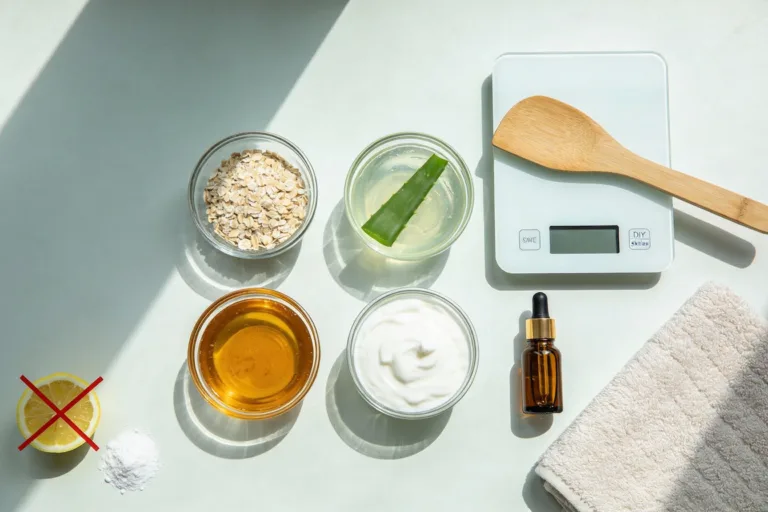
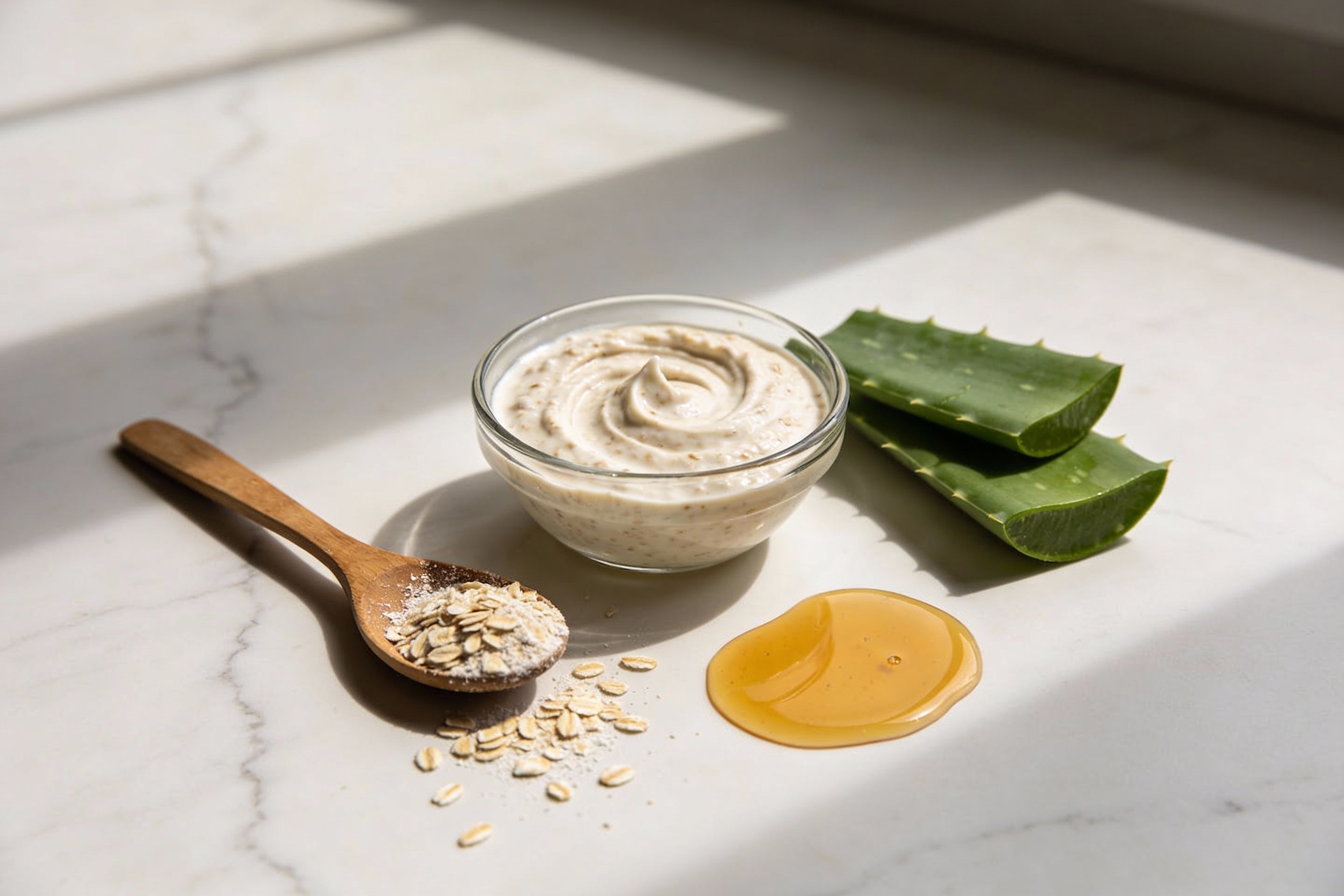
- Colloidal oatmeal or finely ground oats: Anti-inflammatory, itch-soothing, barrier-loving. Oat MVP behavior.
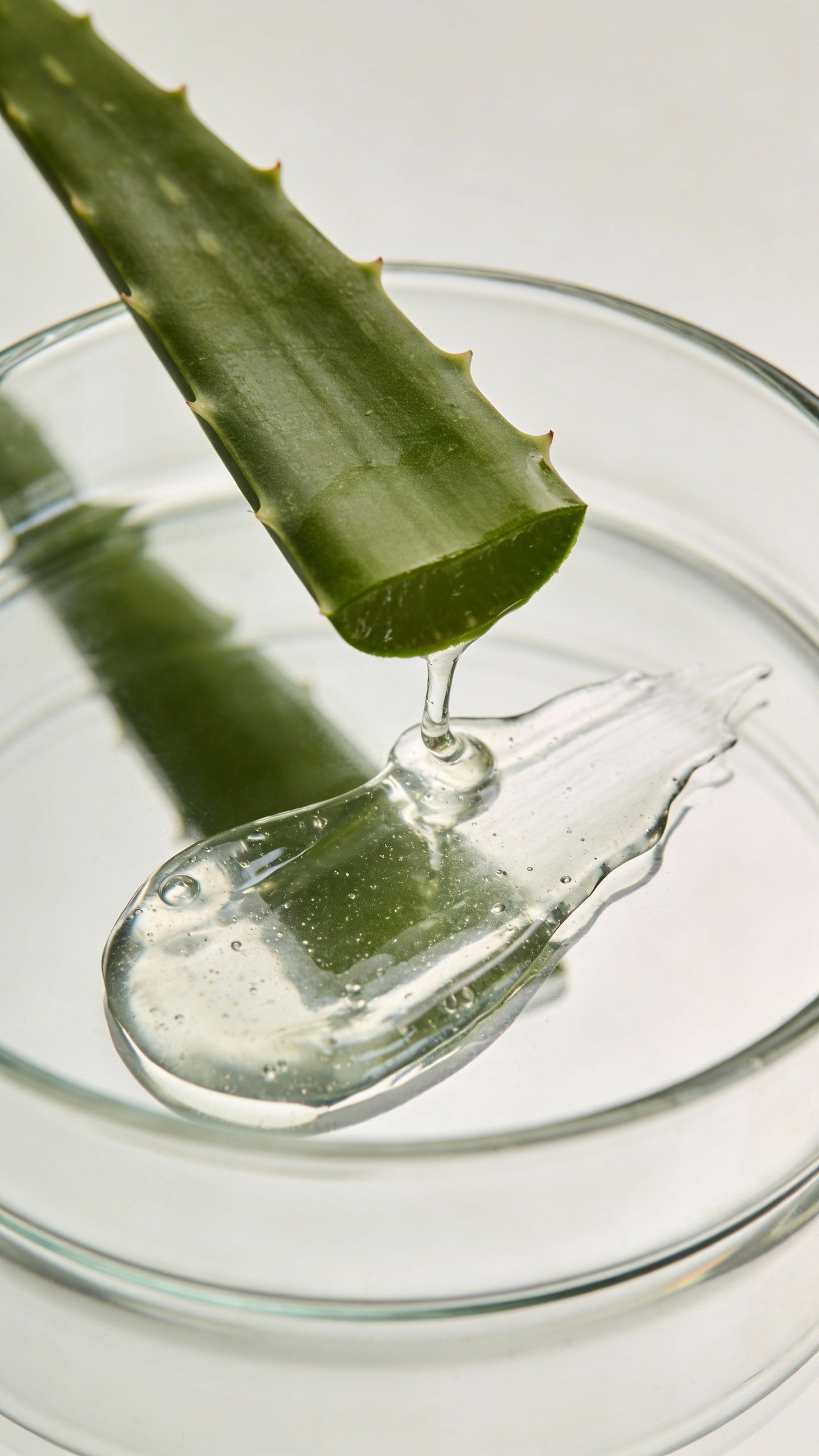
- Aloe vera gel (pure, no dyes/fragrance): Cooling and comforting without heaviness.
- Honey (raw if possible): Humectant that hydrates and helps with healing. Bonus: mildly antibacterial.
- Yogurt (plain, unsweetened): Lactic acid is super gentle here and the fats cushion irritation. Choose full-fat for more moisture.
- Green tea: Loaded with polyphenols that help reduce redness. We’re basically bribing your skin with antioxidants.
- Carrier oils (squalane, jojoba, or sweet almond): A few drops add plush moisture without smothering.
What to Avoid When Skin Looks Angry
Skip essential oils, strong acids (AHA/BHA), retinoids, scrubs, and fragrance. Also, no lemon juice or cinnamon—this isn’t a baking blog. Stick to gentle and boring. Boring is beautiful when your skin’s on edge.
The Calming Mask Recipe (Two Options)
Choose your own adventure based on what you have on hand. Both work great for sensitive, flushed skin.
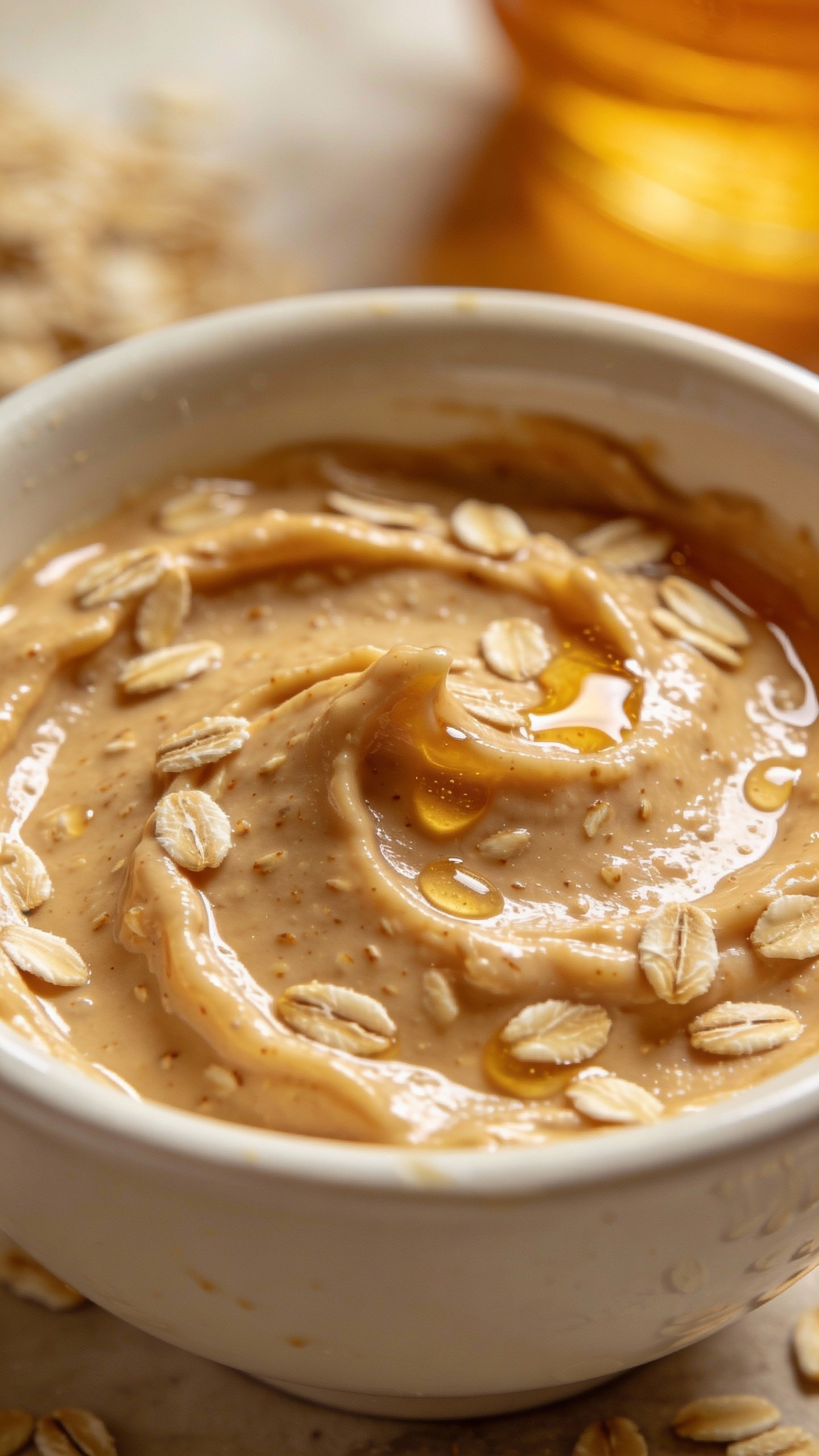
Option A: Oat + Honey + Yogurt Mask
What you need:
- 2 tablespoons finely ground oats or colloidal oatmeal
- 1 tablespoon plain full-fat yogurt
- 1 teaspoon honey
- Optional: 1–2 teaspoons cooled green tea for thinning
How to make it:
- Grind regular oats in a clean blender or coffee grinder until powdery (FYI, the finer, the gentler).
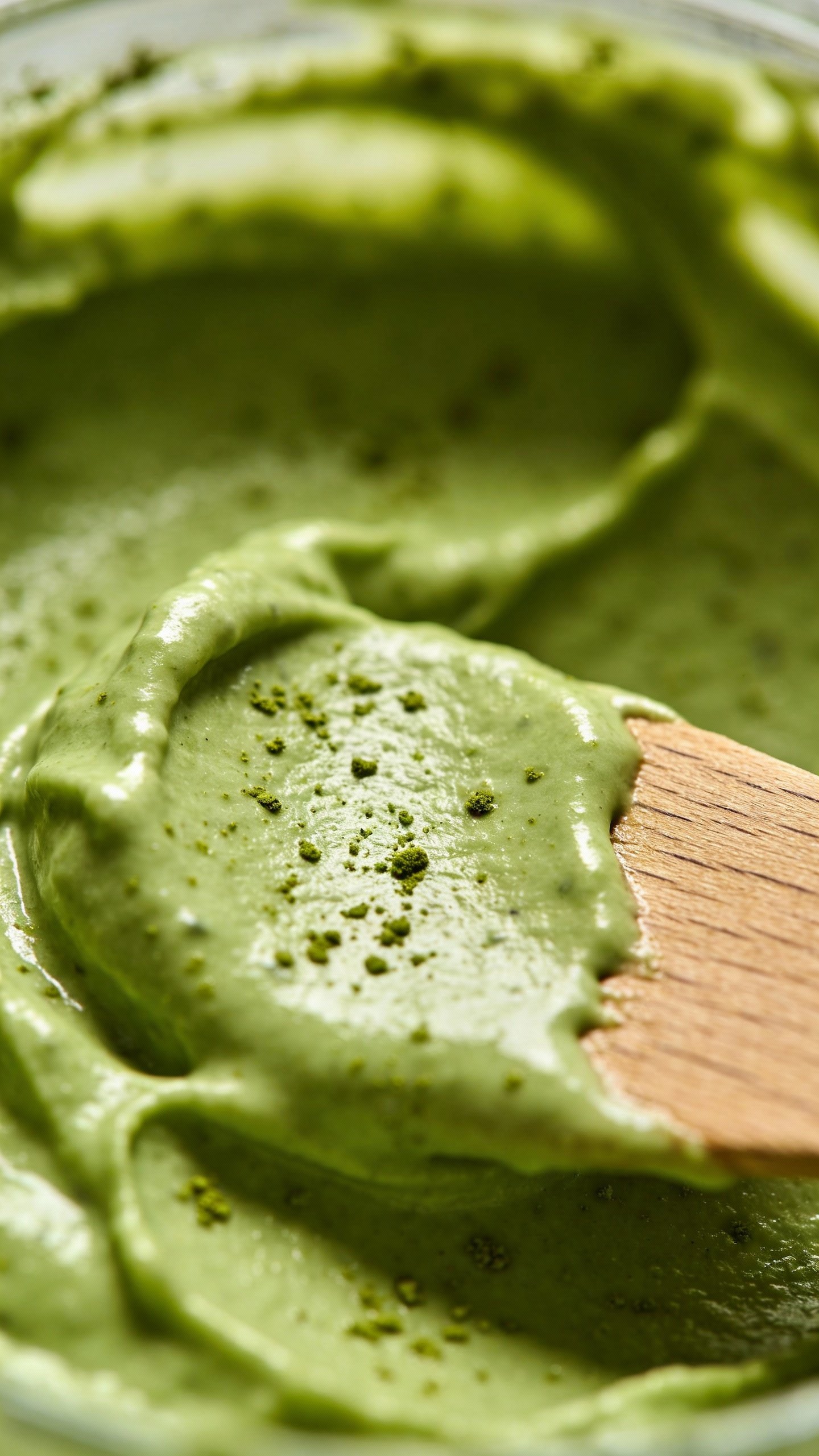
- Stir oats, yogurt, and honey into a soft paste. Add green tea if it’s too thick.
- Spot test on your jawline for 10 minutes. No stinging? You’re good.
Option B: Aloe + Oat + Squalane Gel Mask
What you need:
- 2 tablespoons aloe vera gel (pure)
- 1 tablespoon colloidal oatmeal or very finely ground oats
- 3–5 drops squalane or jojoba oil
- Optional: 1 teaspoon cooled chamomile tea
How to make it:
- Whisk aloe with oats until smooth.
- Add your oil drops and stir gently.
- Thin with chamomile tea if needed.
How to Use It Like a Pro
Let’s not sabotage your skin with good intentions. Application matters.
- Cleanse gently: Use a mild, fragrance-free cleanser with lukewarm water. No scrubbing—your face isn’t a pan.
- Apply evenly: Spread a thin, even layer over clean skin. Avoid eyelids and broken skin.
- Chill for 10–15 minutes: Don’t let it dry into a crust. If it starts to crack, mist with water or green tea.
- Rinse with cool water: Pat—don’t rub—until it’s gone.
- Seal it in: Follow with a barrier-friendly moisturizer. Add a few drops of squalane if you’re extra dry.
Pro Tip: Strategic Cooling
Pop the aloe gel or green tea in the fridge for 15 minutes before mixing. Cooling helps shrink the look of redness and feels like a tiny spa moment at home. Cheap thrills, high payoff.
Customize Based on Your Skin Type
We’re all different. Here’s how to tweak the mask so your face gets exactly what it wants.
- Very sensitive: Use aloe + oats only. Skip yogurt and honey at first and test slowly.
- Oily or acne-prone: Use oat + aloe + green tea. Keep oils minimal (1–2 drops max).
- Dry or tight: Use oat + yogurt + honey, and add 3–5 drops of squalane. Your skin will sigh with relief.
- Reactive or rosacea-prone: Lean on colloidal oatmeal + aloe. Stay fragrance-free and avoid heat.
Patch Test, Always
I know, patch tests feel extra. But they save you from mystery rashes. Apply a dab near your jawline for 10–15 minutes and watch for redness, stinging, or itch for the next few hours. If your skin throws shade, don’t use it.
What to Pair With Your Mask (and What to Ditch)
Play nice with your barrier while it heals. Your skin will thank you by not flaming out at 3 p.m.
Use with your mask days:
- Gentle, fragrance-free cleanser
- Hydrating toner or essence (no alcohol)
- Simple moisturizer with ceramides or hyaluronic acid
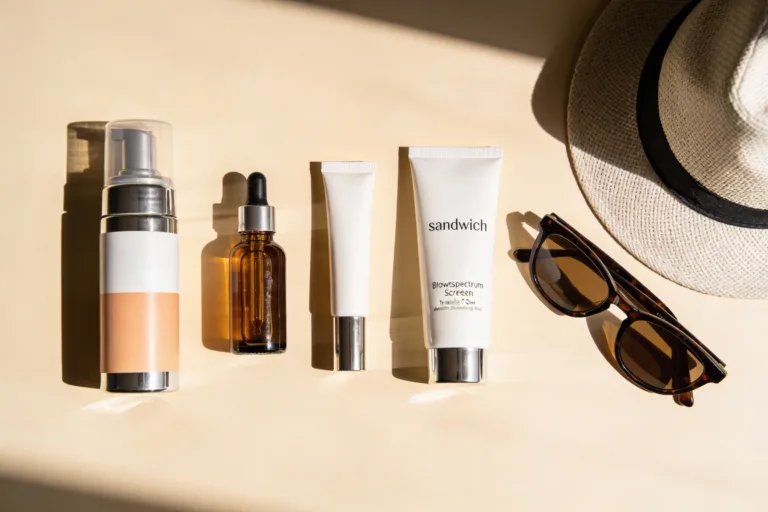
- Broad-spectrum SPF 30+ in the morning
Avoid for now:
- Scrubs, cleansing brushes, or rough towels
- Strong actives: retinoids, AHAs/BHAs, vitamin C if it stings
- Hot showers and sauna-level steam
- Fragranced products
Quick Routine for Red, Irritated Days
Sometimes you just need a plan, ASAP.
- Morning: Rinse with cool water, apply a hydrating toner, moisturizer, then SPF.
- Evening: Gentle cleanse, calming mask (2–3 times per week), moisturizer, optional squalane drops.
- All day: Ice roller or cool compress for 1–2 minutes when hot or flushed. Don’t hold ice directly on skin—use a cloth.
FAQ
Can I use this mask every day?
You could, but you don’t need to. Aim for 2–4 times per week until the redness calms down, then taper to once weekly. If your skin reacts well and you’re extra irritated, you can use the aloe-based version more often.
Will yogurt or honey break me out?
Most people tolerate them well, but everyone’s different. If you’re acne-prone, try the aloe + oat version first and patch test honey separately. If you notice new bumps after using dairy, skip the yogurt next time.
Can I store leftover mask?
Use it fresh for best results. If you must store, keep it in a clean, covered container in the fridge and use within 24 hours. Stir well before applying. Toss if it smells weird or separates dramatically.
What if my skin stings when I apply it?
Mild tingling can happen with yogurt, but stinging or burning means rinse immediately. Switch to the aloe + oat option and patch test again. If you react to everything, keep it ultra-minimal and consult a dermatologist.
Is this safe for rosacea?
Generally, yes—especially the colloidal oatmeal + aloe combo. Keep water cool, avoid essential oils and fragrance, and don’t leave the mask on too long. If you’re mid-flare, patch test and proceed gently.
Can I add essential oils for scent?
Short answer: please don’t. Essential oils can trigger redness and irritation, which defeats the entire purpose here. Save them for your diffuser, not your face.
Conclusion
Your skin doesn’t need drama—it needs comfort. With a few soothing ingredients and a calm routine, you can dial down redness and help your barrier bounce back. Keep it gentle, keep it simple, and let your face relax for once. FYI, consistency wins here—so pick a recipe, patch test, and enjoy the quiet.