How to Prevent Sudden Aging When Hormones Shift Fast
Your skin didn’t just “decide” to look tired one morning. Hormones spiked, dipped, or went on vacation without notice—then your face, hair, and energy got the memo. The good news? You can slow that sudden-aging vibe and even reverse a lot of it. We’ll skip fear-mongering and get straight to what works, why it works, and how to make it doable.
What’s Actually Happening When Hormones Shift
Hormones act like the body’s project managers. When estrogen, progesterone, testosterone, thyroid hormones, cortisol, or insulin change, everything from collagen to sleep gets impacted. That’s when you see fine lines, dullness, hair thinning, and random breakouts.
Estrogen drops can reduce collagen and skin moisture—hello crepey texture. Cortisol spikes from stress mess with collagen and blood sugar. Thyroid slowdowns can make skin dry and hair shed. It’s not “you”; it’s chemistry—annoying, but fixable.
Eat to Stabilize Hormones (and Skin)

Your plate can either calm your hormones or throw them into chaos. Balance wins every time.
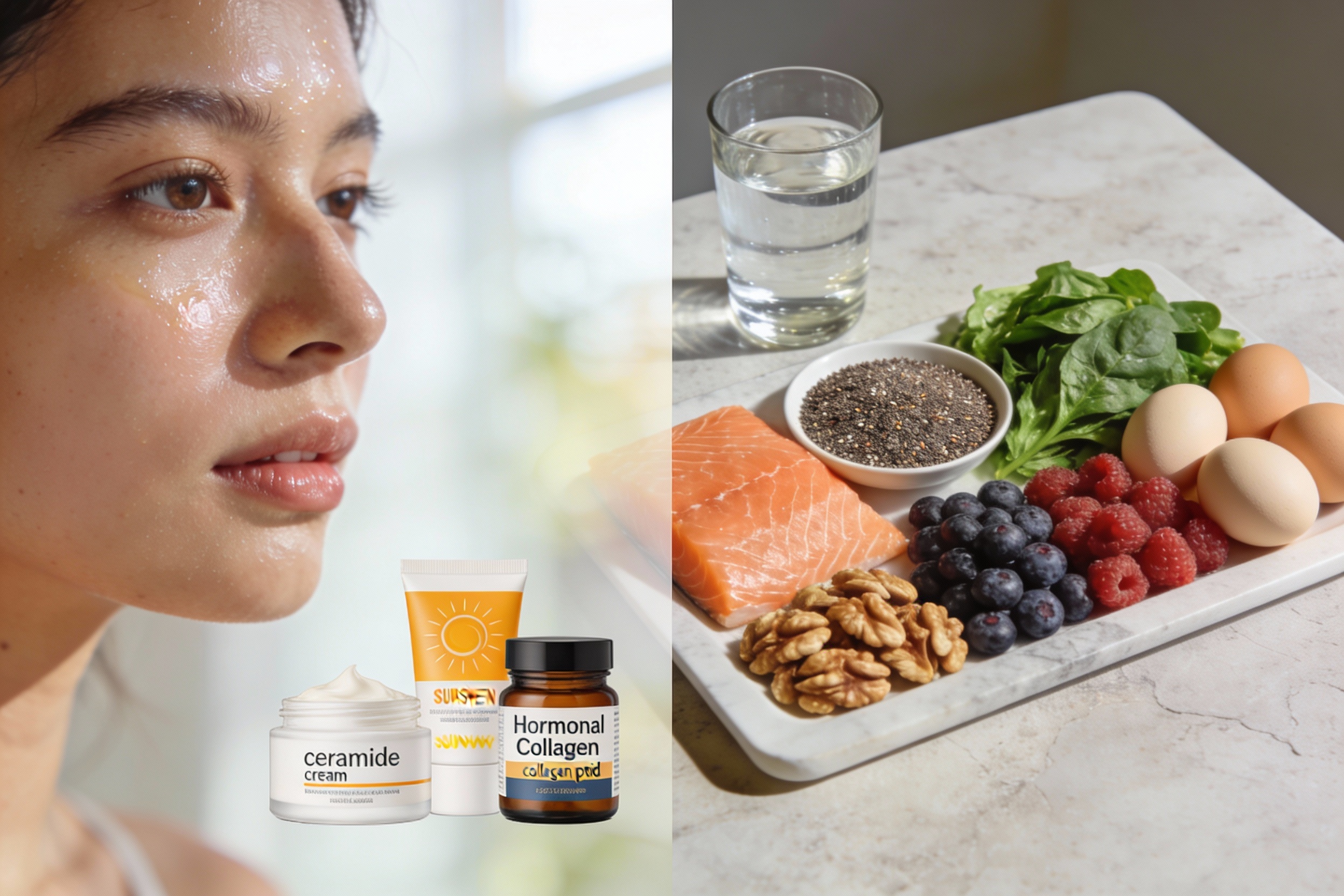
- Prioritize protein: Aim for 20–30g per meal. It supports collagen, muscle, and steady blood sugar. Eggs, fish, tofu, Greek yogurt, lentils—pick your vibe.
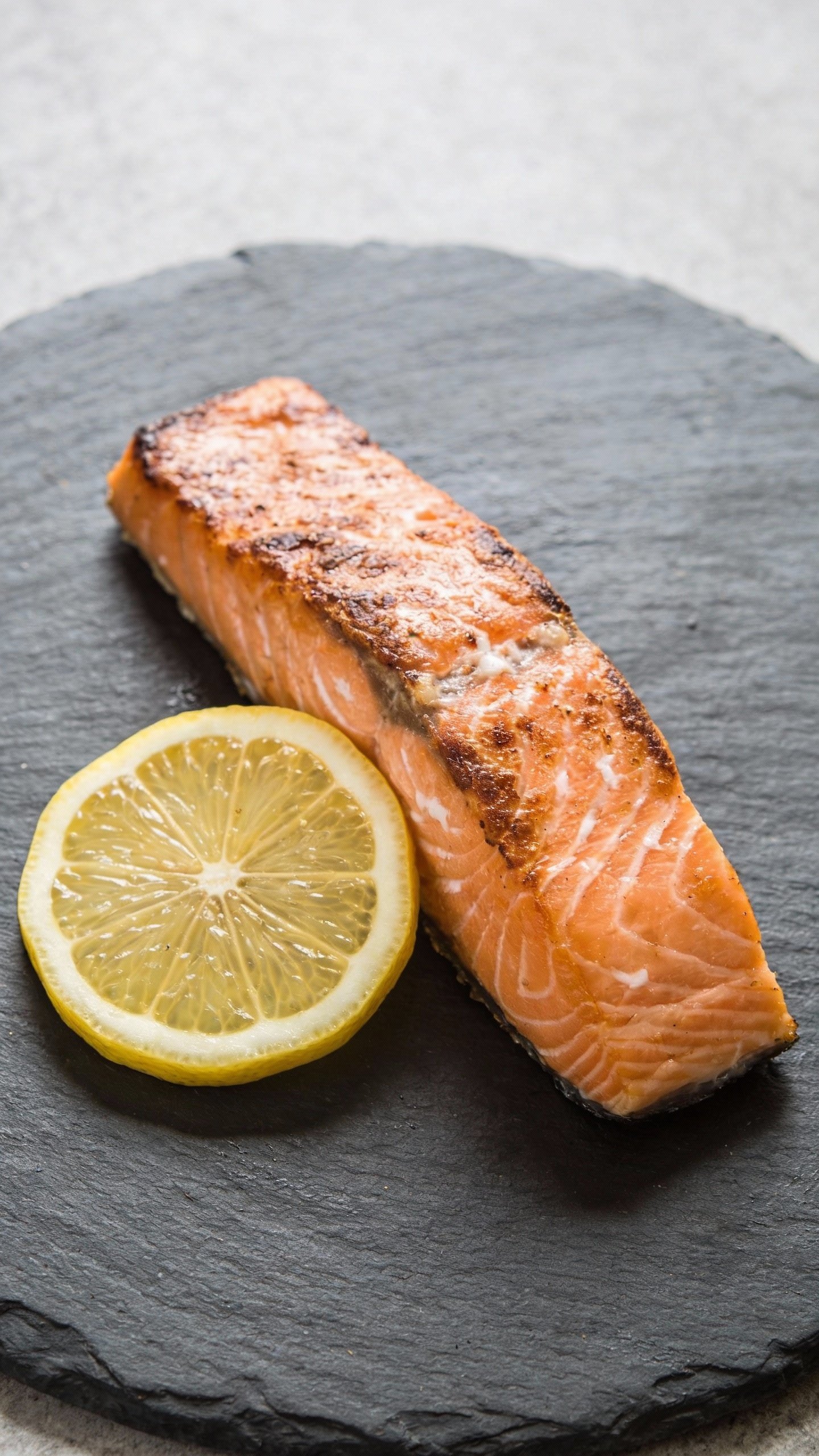
- Add healthy fats: Omega-3s help with inflammation and dryness. Salmon, sardines, walnuts, chia, flax. Skin drinks this up.
- Fiber is your hormone BFF: 25–35g/day helps your body clear excess estrogen and stabilize insulin. Veggies, berries, beans, oats.
- Control the sweet spikes: Pair carbs with protein/fat. Swap “naked carbs” for “dressed carbs” (apple + peanut butter, not apple alone).
- Hydrate like you mean it: Electrolytes matter. Add a pinch of mineral salt or a squeeze of citrus to water if you run dry.
Supplements That Actually Help
FYI, food first. Then consider:
- Collagen peptides (10–20g/day): Not magic, but paired with protein and vitamin C, they support skin elasticity.
- Creatine (3–5g/day): Helps muscle and brain, which indirectly helps your face look “held up.”
- Omega-3 (1–2g EPA/DHA): Calms inflammation and dryness.
- Magnesium glycinate (200–400mg at night): Better sleep, lower stress.
- Vitamin D3 + K2 if deficient: Mood, immunity, bone support.
Check meds and health conditions with your clinician, obvious but important.
Train Like You Want a Youth Dividend
If you pick one thing? Strength training. Hormone shifts accelerate muscle loss, and muscle is the scaffolding for your skin and posture.
- Lift 2–4 days/week: Squats, hinges (deadlifts), pushes, pulls. Progressive overload—heavier over time.
- Keep walking: 7–10k steps stabilizes insulin and mood. Easy win.
- Do short cardio sprints 1–2x/week: 6–10 rounds of 20–30 seconds hard effort with full recovery. Efficient growth-hormone boost.
- Mobility for posture: Thoracic spine openers, hip flexor stretches. Good posture = instant “anti-aging.”
Signs You’re Overdoing It
If you feel wired at night, sloggy in the morning, and your face looks puffy, you might need more recovery. Add a rest day, increase carbs slightly on training days, and stop scrolling at midnight (yes, that counts).
Sleep: The Cheapest Skin Treatment
Your skin repairs at night. Your hormones regulate at night. You know what to do, but here’s how to actually do it.
- Anchor your wake time: Same time daily, even weekends. Your circadian rhythm will love you.
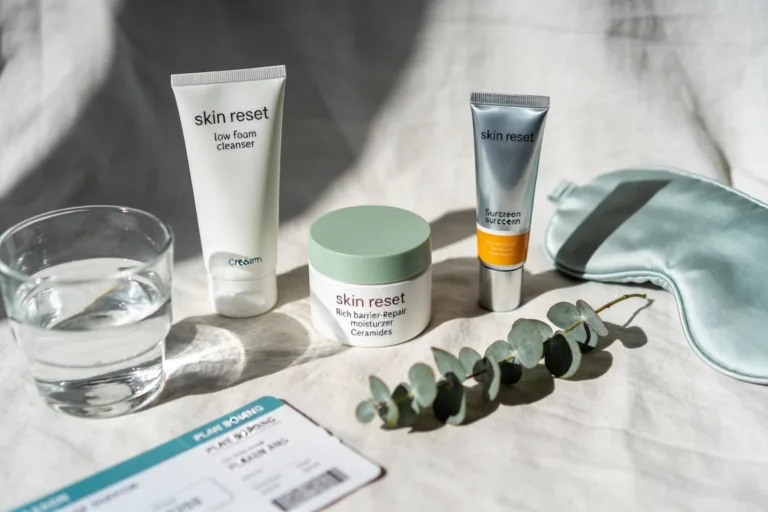
- Dark room, cool temp: Think cave. Consider a sleep mask and blackout curtains.
- Cut the late-night revenge scrolling: Blue light and stress destroy melatonin. Read or stretch instead.
- Front-load your caffeine: None after noon if you’re sensitive. Experiment and be honest.
- Evening wind-down: 10–20 minutes of breathwork or a warm shower drops cortisol.
Skin Care That Keeps Up with Hormonal Swings
You don’t need a 12-step routine. You need consistency and actives that target collagen, hydration, and barrier health.
- AM: Gentle cleanse, vitamin C serum, hydrating serum (glycerin/HA), moisturizer, broad-spectrum SPF 30–50.
- PM: Cleanse, retinoid (retinol, retinal, or tretinoin if prescribed), moisturizer. Buffer retinoids with moisturizer if you’re sensitive.
- Weekly extras: Azelaic acid for redness and breakouts; lactic acid for gentle exfoliation; peptide serum if you enjoy the splurge.
- Neck, chest, hands: Apply what you use on your face. Those areas tattle first.
When Estrogen Drops Hard
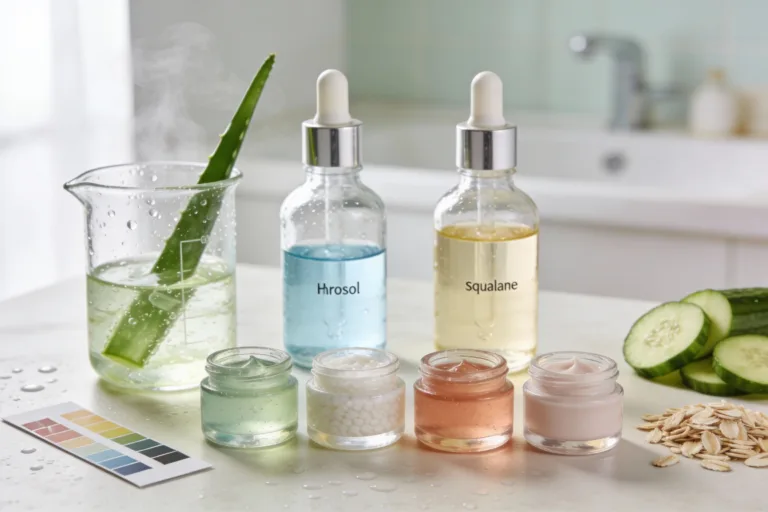
Skin gets drier and thinner. Look for ceramides, squalane, niacinamide, and richer moisturizers. Consider talking to your clinician about HRT; topical estrogen can improve skin density in some cases. IMO, worth a conversation if symptoms hit daily life.
Stress: The Silent Collagen Thief
Cortisol doesn’t care about your glow; it cares about survival. That means it breaks down tissues, spikes blood sugar, and messes with sleep. You don’t need to move to Bali; you need a plan.
- Bookend your day: 5–10 minutes in the morning light, 5–10 minutes of wind-down at night.
- Nervous system resets: 4-7-8 breathing, box breathing, or a 10-minute walk after meals.
- Social time: Laughing with friends lowers cortisol. Science said so—and also your group chat.
- Boundaries: If your phone pings after 9pm, turn that off. Your face will thank you.
Medical Checkpoints You Shouldn’t Skip
Sometimes “aging” looks hormonal because it is hormonal. Get data. Then act.
- Thyroid panel: TSH, free T4, free T3, antibodies if symptoms suggest. Dry skin and fatigue? Check this.
- Iron status: Ferritin, iron, TIBC. Low ferritin = hair shedding and dull skin.
- Vitamin D and B12: Low levels tank energy and repair.
- Glucose and insulin markers: Fasting glucose, A1c, maybe fasting insulin. Stability slows aging.
- Sex hormones if symptomatic: Estradiol, progesterone, testosterone; talk timing with your clinician.
If you qualify for HRT, discuss risks and benefits. Lots of people see major improvements in sleep, skin, and mood. Not for everyone, but it’s not the villain either. FYI: best done with a clinician who personalizes dosing.
Micro-Habits That Add Up
You don’t need a life overhaul. You need 1% changes that compound.
- Protein at breakfast: Greek yogurt + berries + chia. Or eggs + avocado. Set your blood sugar tone early.
- Walk after meals: 10 minutes. Helps insulin and digestion—plus it’s meditative.
- Sunlight before screens: 2–10 minutes outside within an hour of waking.
- Retinoid twice weekly, then build: Consistency beats heroics.
- Lift heavy things: Calendar it like a meeting with Future You.
- Water bottle + electrolytes: Keep them visible. Out of sight, out of sip.
FAQ
Can I actually reverse hormone-related “sudden aging”?
You can improve a lot of it. Collagen and elasticity take time, but with strength training, sleep, smart skincare, and stable blood sugar, you’ll see real changes in 8–12 weeks. Some things (like bone density and deep wrinkles) need longer timelines, but progress stacks.
Is hormone replacement therapy (HRT) safe?
For many people, yes—when personalized and monitored. It can improve hot flashes, sleep, mood, skin density, and sexual health. Risks depend on your medical history, type of hormones, and delivery method. Talk through it with a clinician who actually listens (non-negotiable, IMO).
Do I need expensive skincare products?
Nope. You need effective actives and consistency. A solid routine can come from affordable brands: vitamin C, retinoid, gentle cleanser, good moisturizer with ceramides, and sunscreen. Splurge only if it sparks joy.
What if I’m breaking out and drying out at the same time?
That’s a classic hormone combo. Use a gentle cleanser, 2–3x/week azelaic acid or a low-strength BHA, and keep your barrier happy with niacinamide and ceramides. Introduce retinoids slowly and buffer with moisturizer. Oil isn’t the enemy—clogging is.
How much protein is too much?
Most people under-eat it. A general target: 0.7–1.0 grams per pound of goal body weight, adjusted for your activity and preferences. If you have kidney issues, get medical guidance. Otherwise, enjoy your salmon.
Do supplements replace good habits?
Nice try. Supplements support, they don’t substitute. Dial in sleep, food, training, and stress first; then add targeted supplements for a boost.
Bottom Line
Hormone shifts don’t get the final say on how fast you age. You do. Stabilize blood sugar, sleep like it matters, lift things, and treat your skin barrier like a treasure. Layer in smart skincare, stress management, and medical checkups. Keep it simple, stay consistent, and let your habits do the heavy lifting—your mirror will catch up.