Unlock How to Support Collagen Production Naturally
Your skin, joints, and even your gut rely on collagen to stay springy, strong, and happy. But collagen production slows as we age—and yeah, your mirror probably told you that already. The good news? You can nudge your body to make more of it without living on powdery supplements. Let’s talk about real, doable strategies that work with your biology.
What Collagen Actually Does (And Why You Care)
Collagen acts like scaffolding for your body. It keeps skin firm, cushions joints, supports tendons, and even helps your gut lining. When collagen dips, you see fine lines, feel creaky knees, and notice slower recovery.
Here’s the big takeaway: your body makes collagen from protein + vitamin C + minerals + smart habits. So we’ll build around that equation.
Eat For Collagen: Build the Raw Materials

You don’t need a chef. You just need the right nutrients. Think protein, vitamin C, copper, zinc, and some antioxidants for bonus points.
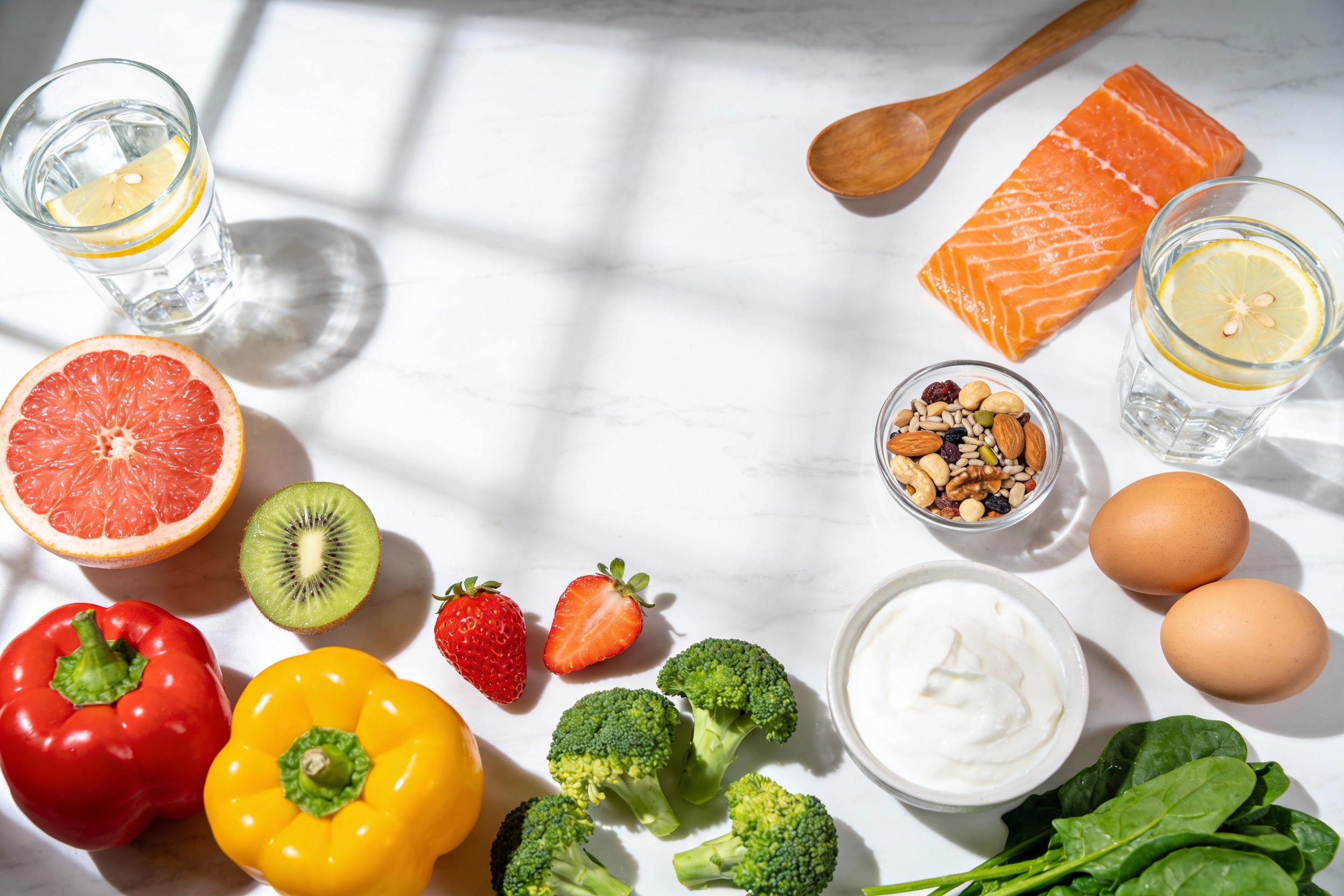
- Protein: Collagen forms from amino acids, especially glycine, proline, and lysine. Get 20–30 g of protein per meal. Great sources: eggs, chicken, fish, Greek yogurt, tofu, legumes.
- Vitamin C: You literally can’t make collagen without it. Load up on citrus, kiwi, strawberries, bell peppers, and broccoli.
- Copper & Zinc: These trace minerals help enzymes cross-link collagen (aka make it sturdy). Grab some shellfish, nuts, seeds, lentils, and beef.
- Silica: Supports collagen formation indirectly. Oats, bananas, green beans, and mineral water with silica can help.
- Polyphenols: Berries, green tea, cocoa, and herbs fight the oxidative stress that breaks down collagen.
What about bone broth?
Bone broth contains collagen fragments and amino acids. It’s cozy and can support your intake, but your body still breaks it down into amino acids like any protein. Use it, enjoy it, but don’t treat it like a magic potion. IMO, aim for varied protein sources first.
Strategic Supplementing (If You Want Extra Support)
Not required, but helpful. If you like low-effort wins, read on.
- Hydrolyzed collagen peptides: 5–10 g daily can support skin elasticity and joint comfort over 8–12 weeks. Mix in coffee or smoothies.
- Vitamin C: If your diet falls short, 75–200 mg with meals covers your bases. You don’t need mega-doses.
- Hyaluronic acid (oral): Can boost skin hydration and may support the matrix where collagen sits.
- Gelatin: Similar to collagen; great for cooking. Try gummies or add to soups.
Do plant-based eaters need collagen?
You can absolutely support collagen on a plant-based diet. Prioritize complete protein (soy, quinoa, buckwheat) or combine legumes + grains, and keep vitamin C high. Some plant-based collagen “boosters” offer the needed amino acids plus vitamin C and minerals—solid option, FYI.
Protect What You Build: Lifestyle Habits That Matter

You can’t out-supplement a lifestyle that torpedoes collagen. Let’s fix the big hitters first.
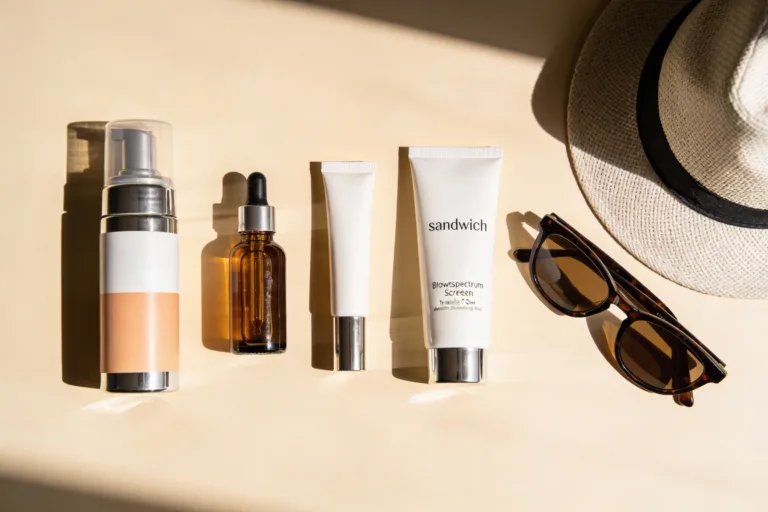
- Sun protection: UV exposure breaks collagen fast. Wear SPF 30+ daily, reapply outdoors, and throw on hats and sunglasses. Your future face says thanks.
- Quit smoking: Smoking chokes blood flow and destroys collagen fibers. If you need a sign, this is it.
- Sleep like you mean it: Growth hormone peaks during deep sleep and supports tissue repair. Aim for 7–9 hours. Dark, cool, no doom-scrolling.
- Manage stress: Chronic cortisol = weaker collagen. Use breathwork, walks, therapy, boundaries—whatever keeps you sane.
Alcohol and sugar: the collagen kryptonite
– Excess sugar causes glycation, which literally makes collagen stiff and brittle. Reduce ultra-processed sweets and watch your added sugars.
– Heavy alcohol dehydrates skin and impairs repair. Keep it moderate, hydrate between drinks, and don’t make it a nightly habit.
Train Your Body to Make More (Yes, Exercise)
Your body upgrades collagen when you give it a reason. That reason is mechanical stress—smart, controlled, and consistent.
- Strength training: Lifts stimulate collagen in tendons and skin through growth factors. Full-body 2–4 times weekly.
- Plyometrics/impact: Jump rope, light bounding, or sprint drills promote tendon remodeling. Start slow and progress wisely.
- Zone 2 cardio: Improves circulation and nutrient delivery—your collagen loves good blood flow.
Recovery is non-negotiable
Collagen turnover ramps after training. Try 15–20 g of protein + 50–200 mg vitamin C within an hour of tendon-heavy workouts (think jumping, climbing, heavy pulls). It’s simple and effective.
Topicals That Actually Do Something

Skincare can support collagen from the outside while you upgrade the inside.
- Retinoids (retinol, tretinoin): The gold standard for stimulating collagen production in skin. Start low, go slow, moisturize like a pro.
- Vitamin C serums (L-ascorbic acid 10–20%): Help protect collagen and support new synthesis. Use in the morning under SPF.
- Peptides: Some signal peptides may encourage collagen in the dermis. Not miracle-workers, but nice supporting actors.
- Niacinamide (4–5%): Strengthens the skin barrier and reduces inflammation, which indirectly protects collagen.
At-home devices: worth it?
– Red light therapy: Low-level light can nudge collagen over time. Use consistently (3–5x/week).
– Microneedling: Can stimulate collagen if done correctly. Consider professional treatments first to avoid DIY scars. Because, you know, your face.
Build a Daily Collagen-Friendly Routine
You don’t need a 47-step routine. Stack small habits.
- Morning: Vitamin C serum + SPF 30; protein-rich breakfast with fruit.
- Midday: Hydrate; get sunlight (short, safe exposure); move a little.
- Pre/post-workout: Protein + vitamin C if you train tendons or lift.
- Evening: Retinoid a few nights a week; wind down early; keep alcohol modest.
Foods to put on repeat
- Breakfast: Greek yogurt with berries and chia; tofu scramble with peppers; oatmeal with pumpkin seeds and kiwi.
- Lunch: Salmon salad with citrus and avocado; lentil bowl with quinoa, roasted peppers, and tahini.
- Dinner: Chicken stir-fry with broccoli and cashews; tempeh tacos with mango salsa; beef and veggie stew.
FAQs
Do I need collagen supplements to see results?
No. You can support collagen naturally with protein-rich meals, vitamin C, minerals, good sleep, and sun protection. Supplements add convenience and can help, but they’re optional. Think of them as a shortcut, not a requirement.
How long until I notice changes?
Skin turnover and collagen remodeling take time. Expect 8–12 weeks for subtle skin improvements and joint changes, with more noticeable results by 3–6 months. Consistency beats intensity—IMO, small daily habits win.
Can I rebuild collagen that I’ve already lost?
You can stimulate new collagen and protect what remains, but you won’t get your teenage collagen back (tragic, I know). Smart nutrition, retinoids, and resistance training can deliver real, visible improvements though.
Is plant collagen a thing?
Plants don’t make collagen. “Plant collagen” products usually provide amino acids, vitamin C, and minerals that help you make collagen. They work as building blocks, not as collagen itself.
What’s the best time to take collagen peptides?
Any time works. Some people like them around workouts or with breakfast. Pairing with vitamin C-rich foods is smart, since vitamin C drives collagen formation.
Will sugar ruin my collagen if I eat dessert?
One brownie won’t implode your dermis. Chronic high sugar intake drives glycation and stiffens collagen, though. Enjoy treats, but keep your daily added sugars modest and lean on fruit when cravings hit.
Bottom Line
You don’t need fancy potions to support collagen—just smart inputs and consistency. Eat enough protein, prioritize vitamin C, lift weights, protect your skin from the sun, sleep well, manage stress, and use retinoids + SPF. Add collagen peptides if you want a simple boost. Keep it simple, keep it steady, and your collagen will get the memo.